Disclosure: This post contains affiliate links. If you purchase through these links, I may earn a commission at no extra cost to you.
Table of Contents
- Introduction
- Traditional Food Markets in Seoul
- Trendy & Seasonal Food Markets
- Market-Hopping Tips for Travellers
- Comparing Seoul and the Australian Market Culture
- FAQs – Seoul Food Markets
- Final Thoughts – A Taste of Seoul’s Living Culture
- Continue Your Seoul Journey
Introduction
Seoul is a city that never sleeps, and at its heart are the Seoul food markets where tradition, culture, and flavours blend into one vibrant experience. From historic marketplaces that have served locals for generations to trendy seasonal night markets filled with creative snacks, these destinations are more than just food stops—they are cultural landmarks. For travellers in 2026, exploring Seoul’s markets is one of the best ways to taste authentic dishes, interact with locals, and feel the true pulse of the city.
👉 The food scene in Seongsu-dong is underrated compared to the café hype — Seongsu-dong Food Guide: Where to Eat, Drink, and Linger is where I point people when they ask where to actually eat in that neighbourhood.
Whether you are a first-time visitor or a seasoned traveller, this guide will walk you through the must-visit traditional markets, trendy seasonal markets, and practical travel tips so you can enjoy the most out of your food adventure in Seoul.
Traditional Food Markets in Seoul
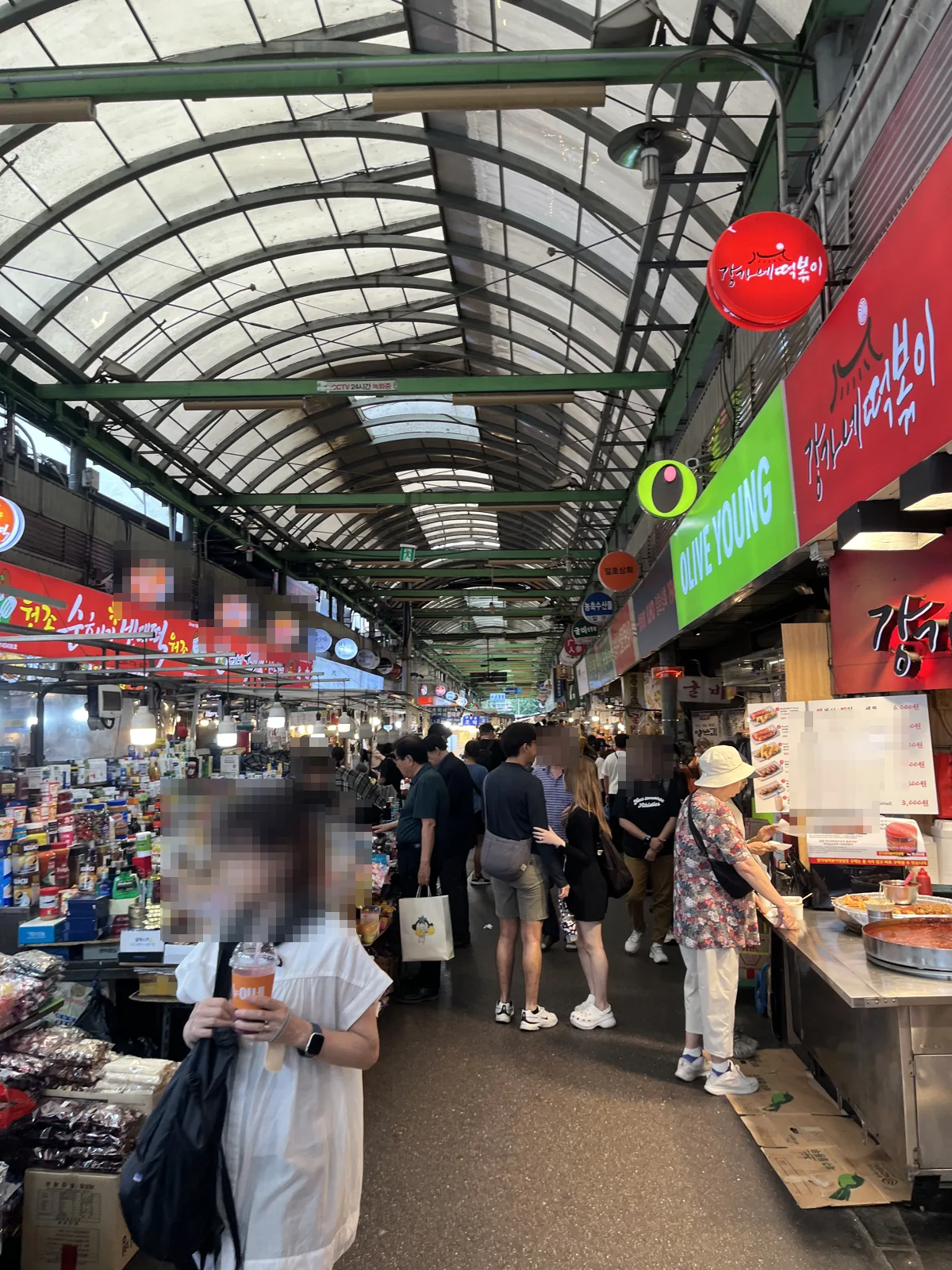
Traditional Seoul food markets are living museums where food and history coexist. Many have operated for decades, offering visitors a chance to step back in time and experience how locals shop, eat, and socialise.
👉 The food scene in Seongsu-dong is underrated compared to the café hype — Seongsu-dong Food Guide Seoul: Where to Eat, Drink, and Linger is where I point people when they ask where to actually eat.
Gwangjang Market – Famous for Bindaetteok and Mayak Gimbap
Gwangjang Market is one of the oldest and most beloved markets in Seoul. Known worldwide thanks to travel shows and food documentaries, it is the perfect starting point for your culinary exploration.
- Signature dishes: Bindaetteok (mung bean pancake), Mayak Gimbap (addictive mini seaweed rice rolls), yukhoe (Korean beef tartare).
- Atmosphere: Bustling food alleys filled with sizzling pans, friendly ajummas (market ladies) calling out to customers, and the smell of sesame oil in the air.
- Traveller tip: Visit in the morning to avoid the lunch crowd. If you’re adventurous, try the yukhoe—many stalls have perfected it over generations.
👉 If you want to go deeper than just wandering, the Gwangjang Market Half-Day Food Tour is a great way to navigate it with a local who knows exactly which stalls are worth the queue.
“More detailed information on Gwangjang Market and other Seoul food markets can be found on the official Visit Korea website.”
Namdaemun Market – Endless Food Alleys and Shopping
Namdaemun is not only about food but also about shopping. It is one of Korea’s largest traditional markets, where you can buy everything from kitchenware to souvenirs while enjoying delicious street food.
- Must-try eats: Hotteok (sweet Korean pancake filled with brown sugar and nuts), galchi jorim (braised cutlassfish), and freshly steamed mandu (dumplings).
- Why visit: You can explore narrow alleys packed with food vendors, then switch to sections selling clothes, handicrafts, or toys—all within walking distance.
- Traveller tip: Many stalls here accept only cash, so bring small bills. Bargaining is common, but always do it politely.
Tongin Market – The Unique Dosirak Café Experience
Tongin Market offers one of the most fun food experiences in Seoul thanks to its “Dosirak Café.” Visitors exchange cash for traditional coins and use them to buy side dishes from different stalls, which are then collected into a lunchbox (dosirak).
- Highlights: Kimchi pancakes, japchae (glass noodles with vegetables), and home-style banchan (side dishes).
- Unique feature: The traditional coin system adds a playful, nostalgic touch to your meal.
- Traveller tip: Go during lunchtime to experience the full lunchbox system, as some stalls close in the late afternoon.
👉 Curious about the foundation of Korean flavours? The Korean Dipping Sauces Guide explains how fermentation and spice make Korean condiments the heart of every meal.
Trendy & Seasonal Food Markets
While Seoul respects tradition, it is also a city of innovation. The seasonal and trendy food markets show the modern side of Korean street food culture, where creativity meets global influences.
Dongdaemun Design Plaza (DDP) Night Market
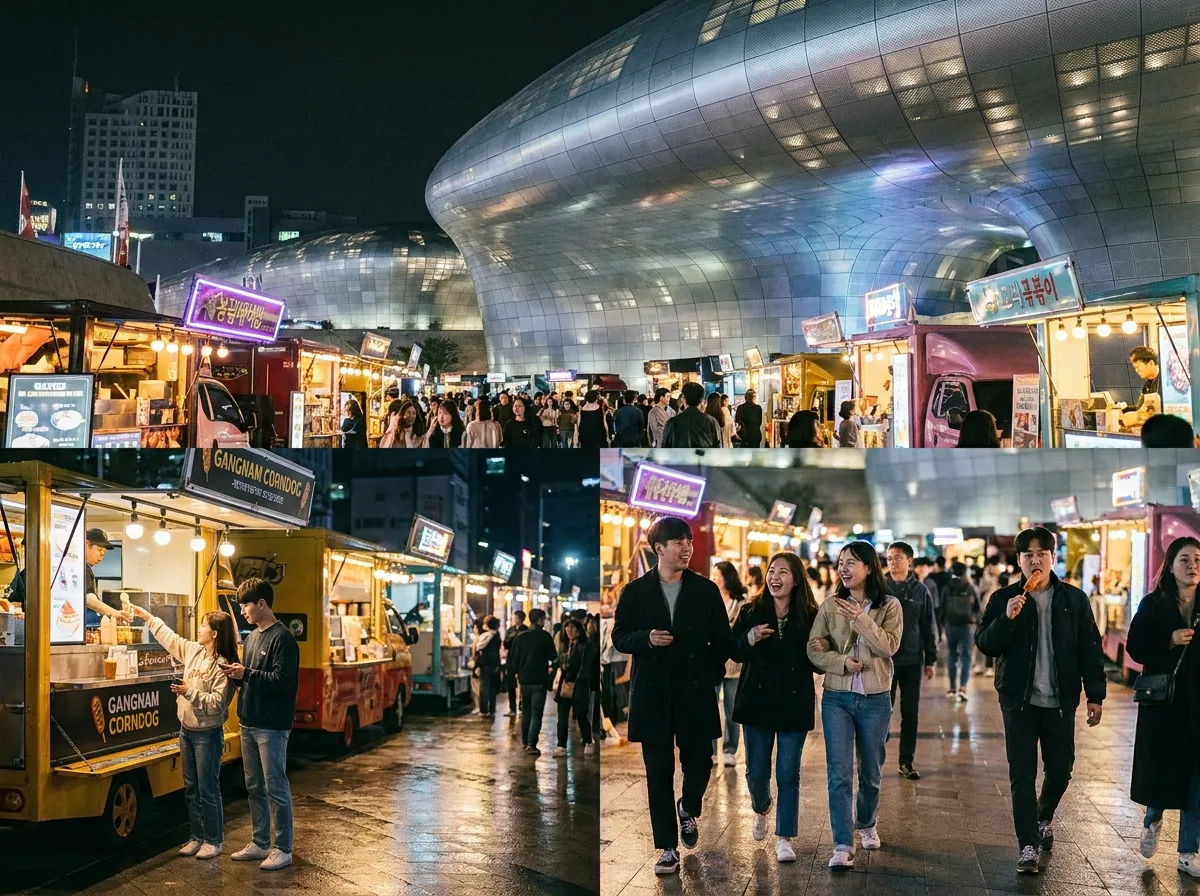
📸 The Dongdaemun Design Plaza (DDP) Night Market — one of the best food markets in Seoul for a modern experience — where young crowds browse glowing food trucks and linger over street snacks beneath the iconic futuristic DDP building. — Visualized by unniespicking.com using Nano Banana Pro AI
DDP transforms into a lively night market, combining food, fashion, and art.
- What to eat: Korean fusion tacos, rainbow cotton candy, artisanal ice cream.
- What to expect: Street performers, fashion pop-ups, and interactive art installations.
- Traveller tip: Go after 7 PM when most food trucks are open, and bring a camera—the LED rose garden at DDP is especially Instagram-worthy.
Banpo Hangang Night Market – Riverside Vibes
Located along the Han River, Banpo Night Market is famous for its food trucks and scenic atmosphere.
- Must-try food: Korean fried chicken with beer (chimaek), corndogs, and international street snacks.
- Why it’s special: The Rainbow Fountain Show at Banpo Bridge creates a magical backdrop while you enjoy your food.
- Traveller tip: Bring a picnic mat and enjoy your food by the riverside like locals do.
“For seasonal events and cultural festivals happening along the Han River, check the Seoul Metropolitan Government’s official page.”
Hongdae Free Market – Art Meets Street Food
Hongdae, the centre of youth culture in Seoul, hosts a free market that blends creativity with food.
- Food highlights: Handmade cookies, quirky snacks, and bubble tea with K-pop themed designs.
- Attractions: Street performances, indie music, and young artists selling their crafts.
- Traveller tip: Saturdays and Sundays are the best times to visit. The market is as much about people-watching and culture as it is about food.
Market-Hopping Tips for Travellers
- Cash is king: Many vendors still prefer cash over credit cards.
- Comfortable shoes: Markets require lots of walking through narrow alleys.
- Go hungry: Start with an empty stomach so you can sample multiple dishes.
- Time matters: Morning markets feel different from night markets—try both for contrast.
- Local etiquette: Always clean up after eating and avoid blocking alleyways.
👉 Planning to visit multiple markets in one day? Check out my Seoul Subway Guide 2026 for the fastest routes connecting Gwangjang, Namdaemun, and Dongdaemun.
Snacking your way through markets is cheap per bite, but it adds up faster than you’d think across a full day. It helps to work out a rough daily food budget before you go, so the tteokbokki, hotteok, and hoddeok don’t quietly swallow your trip total.
Comparing Seoul and Australian Market Culture
I often compare the two cultures. Sydney’s weekend markets—such as Paddy’s Market or Glebe Market—tend to focus more on produce, handicrafts, and multicultural cuisines, while Seoul’s markets are heavily food-centric with an emphasis on affordable, ready-to-eat meals.
In Australia, a market visit often feels like a leisurely community outing with coffee in hand, whereas in Seoul, it’s fast-paced, dynamic, and tied to everyday life. Prices in Korean markets are also significantly lower compared to Australia, allowing you to try more dishes without breaking your budget. The sensory overload of sizzling pans, shouting vendors, and narrow food alleys in Seoul is a sharp contrast to the more relaxed, open-air market vibe in Australia. Both have their charm, but if you want raw energy and deep cultural immersion, Seoul’s traditional markets are unbeatable.
| Category | Seoul Markets | Australian Markets |
|---|---|---|
| Main Focus | Ready-to-eat food, affordable daily meals | Fresh produce, crafts, multicultural food |
| Pace | Fast, dynamic, tied to everyday life | Leisurely, weekend community outing |
| Price Range | Very affordable (₩2,000–₩10,000 per dish) | Moderate to high (A$5–A$20+) |
| Atmosphere | Loud, crowded alleys, sensory overload | Relaxed, open-air, family-friendly |
| Opening Days | Daily, some open 24 hours | Mostly weekends only |
| Best Examples | Gwangjang, Namdaemun, Banpo Night Market | Paddy’s Market, Glebe Market, South Melbourne Market |
Prefer a more comfortable ride between markets? Read the Seoul Taxi Guide to get around the city easily and safely like a local.
👉 Prefer a more comfortable ride between markets? Read my Taxis in Korea 2026 Guide to learn how to get around Seoul easily and safely like a local.
FAQs – Seoul Food Markets
1. What is the most famous food market in Seoul?
Gwangjang Market is the most famous, especially for its bindaetteok (mung bean pancakes) and mayak gimbap (addictive mini seaweed rice rolls). It has been featured on multiple international food shows and is consistently the top recommendation from locals.
2. Are Seoul’s night markets open year-round?
Not always. Markets like Banpo and DDP Night Market are seasonal and usually operate from spring to fall. Traditional indoor markets like Gwangjang and Namdaemun are open year-round.
3. Do vendors at Seoul food markets accept credit cards?
Some do, but cash is more reliable, especially at smaller stalls. It is best to bring small bills when visiting traditional markets. Having a T-Money card loaded with funds also helps for subway travel between markets.
4. Can vegetarians find food in Seoul’s markets?
Yes, options like vegetable kimbap, hotteok, and japchae are widely available at most traditional and seasonal markets. The Gwangjang Market Vegan Food Tour is also a great option for plant-based travellers who want a guided experience.
5. What time should I visit Seoul food markets for the best experience?
Mornings are great for traditional markets like Gwangjang and Tongin, while evenings are best for night markets like Banpo and DDP. If you can only pick one time of day, morning at Gwangjang — before the lunch rush hits — is hard to beat.
Final Thoughts
Seoul’s food markets are more than just dining spots—they are windows into Korean culture. From the bustling alleys of Gwangjang Market to the riverside vibes of Banpo Night Market and the youthful energy of Hongdae, every market offers a unique flavour of Seoul.
“Korean street food culture is also part of the country’s living heritage, with elements recognised by UNESCO as intangible cultural assets.”
If you’re planning a trip in 2026, don’t just stick to restaurants. Instead, carve out time for these markets to taste authentic dishes, meet locals, and discover the heart of Korean daily life. Whether you’re enjoying a crispy pancake with makgeolli or sipping bubble tea while watching a street performance, Seoul’s food markets promise an unforgettable adventure.
Continue Your Seoul Journey
If you loved exploring Seoul’s vibrant food markets, here are more insider guides to help you experience the city like a local:
- Gwangjang Market Food Guide
— A local’s full walkthrough of Seoul’s most famous market: what to eat, where the stalls are, and how to order. - Namdaemun Market Guide
— How to shop and eat your way through Seoul’s huge historic market without the overwhelm. - Han River Seoul: The Beating Heart of the City
— Discover the stories, skyline, and riverside culture that define Seoul’s daily rhythm. - Seoul Korean BBQ Guide 2026
— From Gangnam to Itaewon, find the city’s best barbecue spots and dining rituals. - Gwanghwamun Square Seoul Travel Guide 2026
— Step into the historical and political heart of the capital, surrounded by modern energy. - Hidden Hanok Villages in Modern Seoul
— Find tranquillity amid the urban hustle — explore Seoul’s hidden traditional neighbourhoods. - Tteokbokki: Korea’s Spicy Street Food Icon You Can’t Miss
— Discover how Korea’s iconic spicy rice cake dish brings people together in Seoul’s bustling street markets. - Seoul Subway Guide 2026 – Navigate the City Like a Pro
— Find the fastest subway routes connecting Seoul’s top markets, neighbourhoods, and food districts. - Taxis in Korea 2026 – Your Complete Transportation Guide
— Get around Seoul safely and conveniently with practical taxi tips, apps, and fare insights.
Pingback: Tteokbokki: Korea’s Iconic Spicy Street Food You Must Try