Disclosure: This post contains affiliate links. If you purchase through these links, I may earn a commission at no extra cost to you.
Seongsu-dong doesn’t get enough credit as a food neighbourhood. Everyone talks about the cafes — and yes, the cafes are extraordinary — but the eating and drinking scene here has quietly become one of the most interesting in Seoul. I’ve been coming to this neighbourhood for years, and the Seongsu-dong food guide Seoul I wish I’d had on my first visit would have looked very different from the tourist lists that circulate online. This is the version built from actual meals, actual mistakes, and a lot of wandering down the right side streets.
Table of Contents
- The Food Identity of Seongsu-dong
- Brunch and Daytime Eating
- Lunch Spots Worth Queuing For
- Makgeolli: Seongsu-dong’s Drink
- Dinner in Seongsu-dong
- Food Scene Comparison Table
- Practical Tips for Eating in Seongsu-dong
- FAQ
- My Thoughts
The Food Identity of Seongsu-dong
Seongsu-dong sits at an interesting intersection in Seoul’s food scene. It’s not a traditional food neighbourhood like Gwangjang Market or Noryangjin. It doesn’t have a single signature dish or a street food culture built over generations. What it has instead is something more contemporary: a concentration of independent restaurants, natural wine bars, and concept dining spaces that reflect the neighbourhood’s broader creative identity.
The food here tends to be thoughtful rather than traditional. You’ll find Korean-Western fusion done well, seasonal menus that change regularly, and a genuine interest in ingredients and sourcing that you don’t always find in more tourist-heavy parts of Seoul. The clientele is mostly young Korean professionals and creatives — which means the standards are high and the trends move fast.
That said, Seongsu-dong is also a neighbourhood where you can eat simply and cheaply if you know where to look. The side streets away from the main cafe strips have small Korean restaurants serving honest food at local prices. The contrast between the concept dining spaces and the neighbourhood lunch spots is part of what makes eating here interesting.
I wrote about my first encounter with Seongsu-dong’s food culture in my earlier post on the neighbourhood — if you want the full context of how this area evolved, the Seongsu-dong Neighbourhood Guide covers it in detail.
Brunch and Daytime Eating
Brunch is where Seongsu-dong’s food scene really shines. The neighbourhood has developed a strong brunch culture over the last five years, driven by the same creative energy that produced its cafe scene. The best brunch spots in Seongsu-dong are doing things with Korean ingredients and Western formats that feel genuinely original.
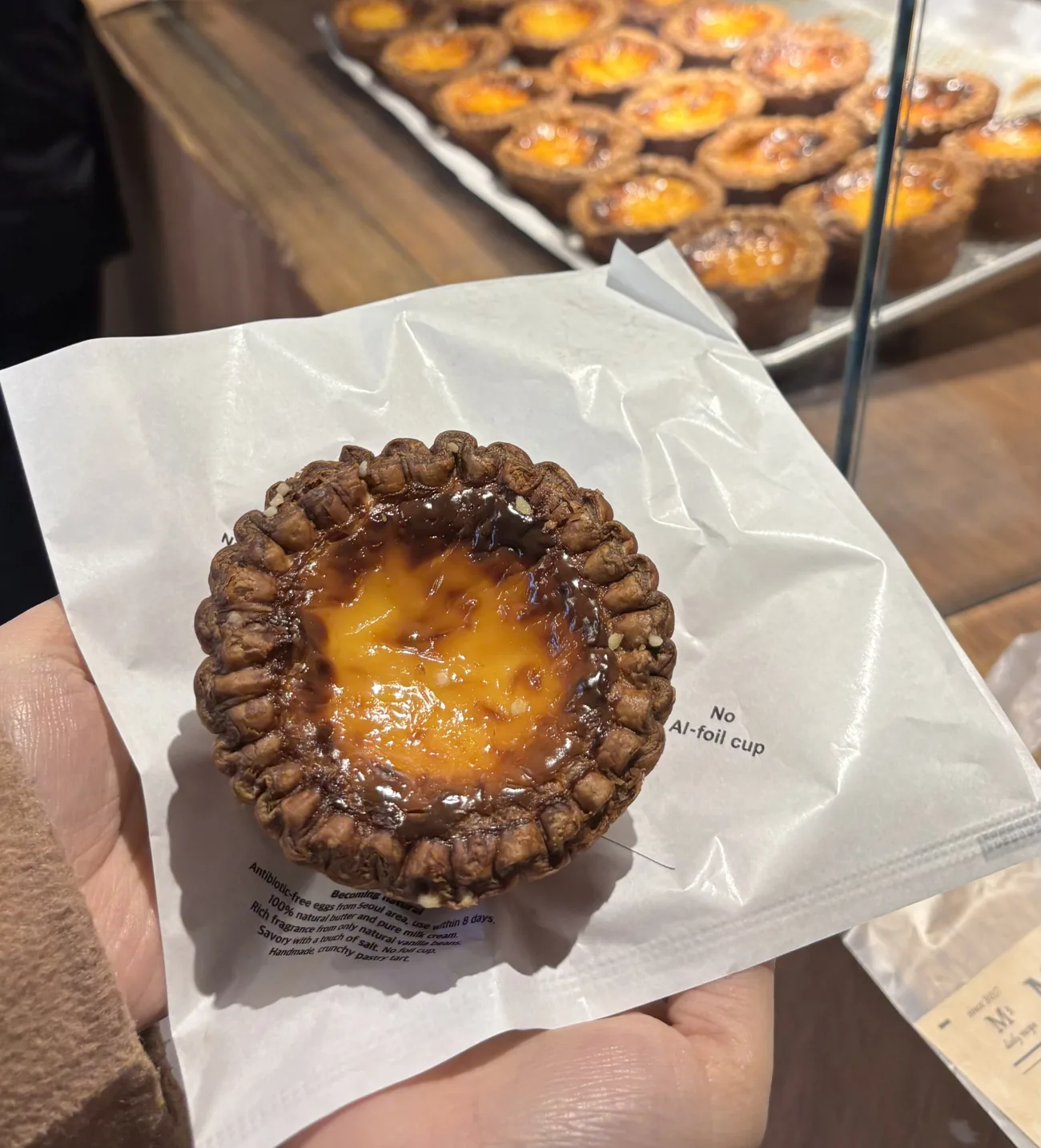
What to look for: places that use seasonal Korean produce, that have a short menu (a sign that they’re focused on doing a few things well), and that are busy with locals rather than tourists. The tourist-facing brunch spots near the main cafe strips tend to be overpriced and underwhelming. Walk two or three streets back from the main drag and the quality goes up significantly.
Lunch Spots Worth Queuing For
Lunch in Seongsu-dong on a weekend requires patience. The popular spots fill up fast, and most don’t take reservations. Here’s how to approach it.
Arrive early or late. The lunch rush in Seongsu-dong runs from about 12pm to 1:30pm. If you arrive at 11:45am or after 2pm, you’ll usually get a table without waiting. The 12–1:30pm window can mean 30–45 minutes of queuing at the busiest places.
Look for places with handwritten menus. In Seongsu-dong, a handwritten menu is often a sign that the food changes with the season and that the kitchen is small enough to care about every dish. These are usually the better places.
Don’t skip the side dishes. Korean banchan — the small side dishes that come with a meal — are often where the real cooking shows up. In Seongsu-dong’s better restaurants, the banchan are made in-house and change daily. Pay attention to them.
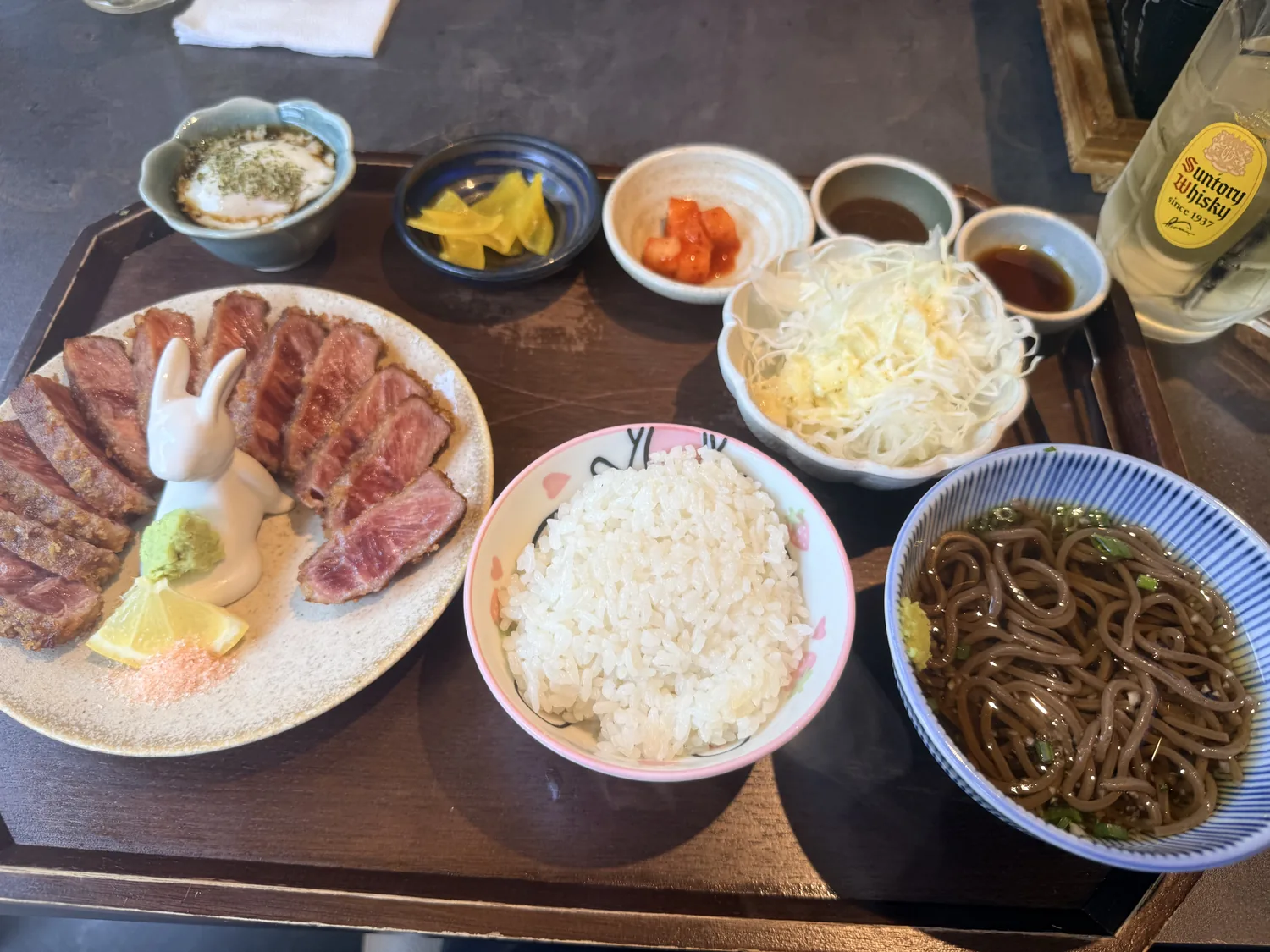
The queue I’d actually join: Sato Gyukatsu. Most of Seongsu-dong’s lunch lines are for cafes and dessert, but the one in my own photos is a gyukatsu counter on Yeonmujang-gil, a four-minute walk from Seongsu Station exit 4. Gyukatsu is a Japanese-style beef cutlet — crumbed and flash-fried so the crust is crisp while the middle stays deep pink — and here you finish each slice yourself on a little hot stone at the table.
The ritual is half the fun: the strips arrive barely cooked, and you press each one onto the sizzling stone for about ten seconds a side, then dip it in wasabi salt or the house sauce. It comes as a set with rice, a bowl of cold buckwheat soba and a row of little banchan, so it eats like a proper lunch rather than a novelty.
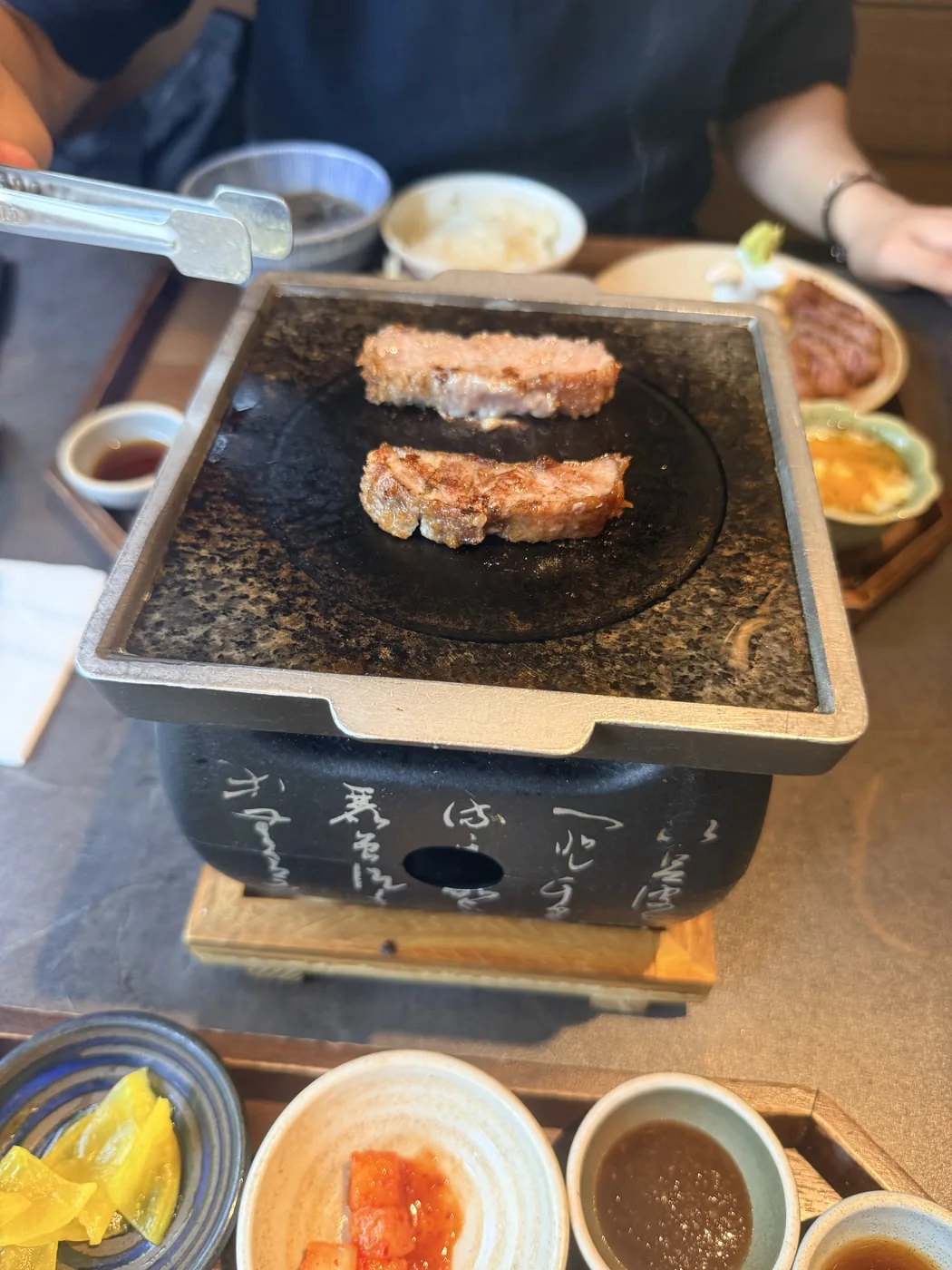
How to time it. It opens at 11am with last orders around 8:30pm and doesn’t take walk-in reservations at peak times, but you can put your name on the CatchTable remote waitlist and wander the neighbourhood until your table is ready — far better than standing in line. Aim for before noon or after 2pm and you will usually walk straight in.
Makgeolli: Seongsu-dong’s Drink
Makgeolli is Korea’s traditional rice wine. If you want to see how it is made, there is a hands-on brewing class in Seongsu, listed on Klook with Seoul Forest Park as its location and run in English.
Makgeolli is milky, slightly fizzy, and gently sweet — nothing like the mass-produced versions you might have tried at a Korean restaurant abroad. The good stuff is complex and interesting, and the pairing culture around it (similar to natural wine in Europe) has produced some genuinely excellent food and drink combinations.
According to its Klook listing, the Brewing Makgeolli Experience in Seongsu covers the basic history of makgeolli, how to make nuruk (a traditional Korean fermentation starter), brewing your own batch and a tasting of two kinds of makgeolli. I haven’t taken this class myself, so read the reviews before you book.
→ Book Brewing Makgeolli Experience in Seongsu on Klook (affiliate link)
I may earn a commission if you book through this link, at no extra cost to you.
Dinner in Seongsu-dong
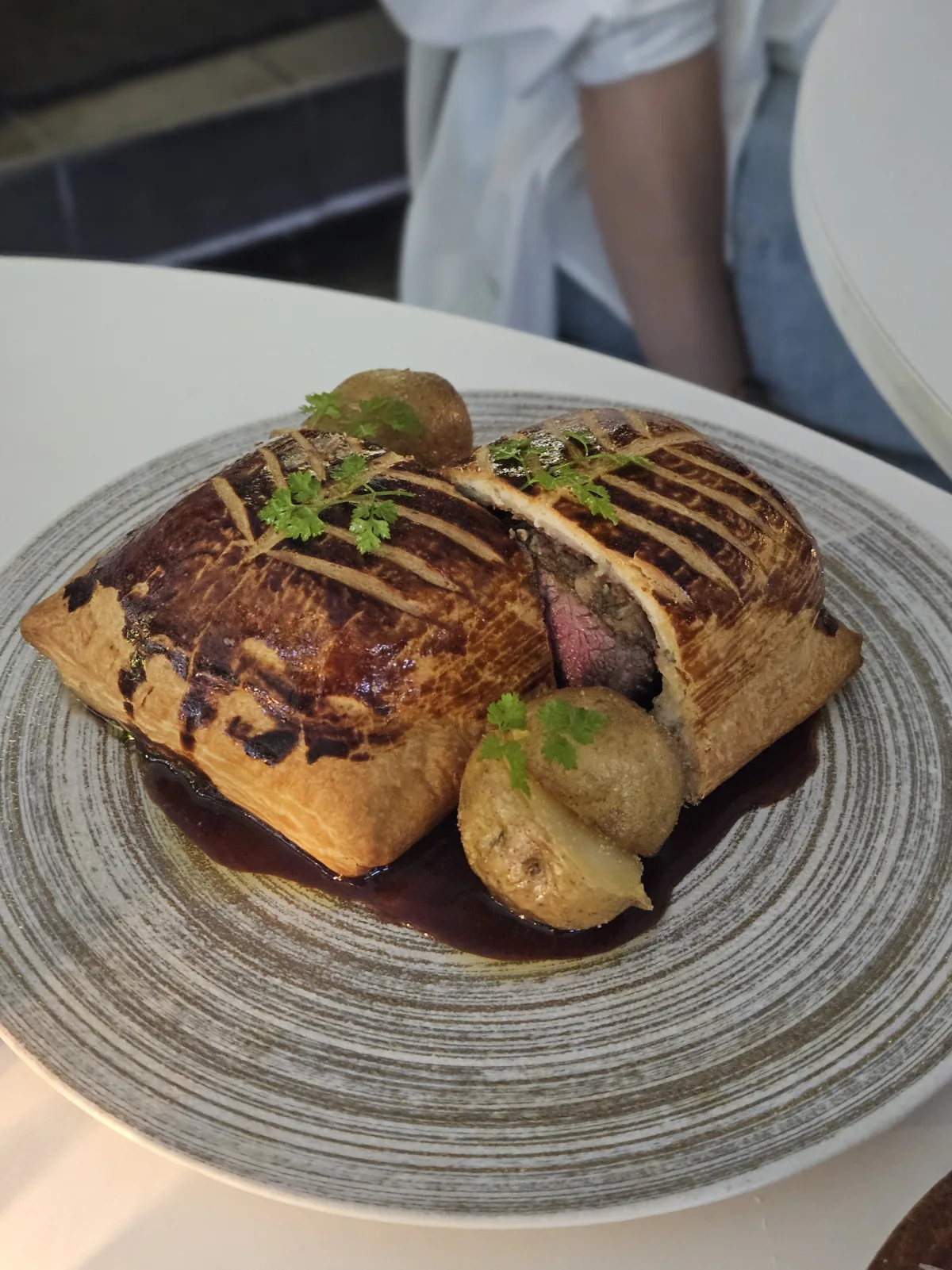
Seongsu-dong’s dinner scene is smaller and more intimate than its daytime food culture. The neighbourhood doesn’t have the late-night energy of Hongdae or Itaewon — most restaurants are winding down by 10pm, and the streets are quiet by 11pm. This is actually one of the things I like about it. Dinner here feels like a neighbourhood meal rather than a night out.
The best dinner options in Seongsu-dong are the natural wine bars and small Korean restaurants that open in the early evening. Look for places with short, handwritten wine lists and menus that change weekly. These are the spots where the neighbourhood’s creative community actually eats, and the food tends to reflect that.
If you’re visiting Seongsu-dong as part of a longer Seoul trip and want to compare the food scene with other neighbourhoods, my Seongsu-dong vs Hongdae guide breaks down the differences in detail.
Food Scene Comparison Table
| Meal Type | Best Time | Price Range (KRW) | Queue Expected? | Best For |
|---|---|---|---|---|
| Brunch / Cafe | 9:30–11am | 12,000–25,000 | Yes (weekends) | Creative Korean-Western fusion |
| Lunch (local spots) | 11:45am or after 2pm | 8,000–15,000 | Sometimes | Honest Korean home cooking |
| Makgeolli Experience | Check listing | Varies — see listing | Book in advance | Food and drink enthusiasts |
| Dinner (concept restaurants) | 6–9pm | 25,000–60,000 | Reservation recommended | Creative dining, natural wine |
| Late-night snacks | After 9pm | 5,000–15,000 | No | Street food, convenience stores |
Practical Tips for Eating in Seongsu-dong
Download Naver Maps. Google Maps is less reliable in Korea than Naver Maps. Many of the best small restaurants in Seongsu-dong are only listed on Naver, and the reviews and opening hours are more accurate. Download it before you arrive.
Carry cash for small restaurants. Most places accept cards, but the smallest neighbourhood lunch spots sometimes don’t. Having 30,000–50,000 KRW in cash means you won’t be caught out.
Ask locals for recommendations. The staff at the cafes and workshops in Seongsu-dong are usually happy to point you toward their favourite lunch spots. These recommendations are almost always better than anything on a tourist list.
Don’t eat at the places with English menus on the main strip. This is a generalisation, but it holds up. The restaurants that have invested in English menus for tourists on the main cafe streets are usually optimising for footfall rather than food quality. Walk further, eat better.
For a full plan of how to fit eating into a Seongsu-dong visit, the things to do in Seongsu-dong on a weekend guide has a day-by-day itinerary with meal timing built in.
Seongsu isn’t the cheapest corner of Seoul to eat in, so it helps to know where it sits in your wider trip. My Korea trip cost guide shows how a day of eating here fits into a sensible daily budget.
FAQ
What is the most famous food in Seongsu-dong?
Seongsu-dong doesn’t have a single signature dish the way some Seoul neighbourhoods do. The neighbourhood is better known for its cafe culture and its creative food scene than for any specific dish. That said, makgeolli (Korean rice wine) has a strong association with Seongsu-dong, and the brunch culture here is genuinely distinctive. If you’re looking for one food experience that’s specific to the neighbourhood, the makgeolli brewing class is it.
Are there vegetarian or vegan options in Seongsu-dong?
Yes, more than in most Seoul neighbourhoods. Seongsu-dong’s creative food scene has produced a number of plant-forward restaurants and cafes that cater well to vegetarians and vegans. Look for the concept cafes and brunch spots rather than the traditional Korean restaurants, which tend to use meat-based stocks even in vegetable dishes.
Is Seongsu-dong expensive for food?
It depends on where you eat. The concept restaurants and natural wine bars can be expensive by Korean standards — a dinner with drinks might run 50,000–80,000 KRW per person. But the neighbourhood also has plenty of affordable options: local lunch spots where a full meal costs 8,000–12,000 KRW, and convenience stores and street food stalls for quick snacks under 5,000 KRW.
Can I find late-night food in Seongsu-dong?
Seongsu-dong is quieter at night than most Seoul neighbourhoods. Most restaurants close by 10pm. For late-night eating, the GS25 and CU convenience stores in the area are open 24 hours and have a surprisingly good range of hot food options. If you want a proper late-night meal, Gangnam or Hongdae are better options and are both accessible on Line 2.
What Korean dishes should I try in Seongsu-dong?
Beyond makgeolli, look for doenjang jjigae (fermented soybean paste stew), kimchi jeon (kimchi pancakes), and bibimbap at the local lunch spots. At the more creative restaurants, the seasonal Korean-Western fusion dishes are worth exploring — the kitchens here are genuinely inventive with Korean ingredients.
My Thoughts
Seongsu-dong’s food scene is one of the things I find myself thinking about most between Seoul trips. Not because it’s the most spectacular food in the city — it isn’t — but because it’s the most honest. The meal I photographed here was a simple one: the gyukatsu set at Sato Gyukatsu, a beef cutlet seared slice by slice on a hot stone, with rice, cold buckwheat soba and banchan.
That’s the food identity of Seongsu-dong: thoughtful, creative, and genuinely invested in quality. It’s a neighbourhood that eats the way it makes things — with care and without shortcuts.
Related Links
More guides to help you plan your Seongsu-dong visit:
- Seongsu-dong Seoul Travel Guide — the complete neighbourhood guide covering everything from transport to itineraries
- Best Cafes in Seongsu-dong — the definitive guide to coffee in the neighbourhood
- Things to Do in Seongsu-dong on a Weekend — a full itinerary with meal timing built in
- Seongsu-dong vs Hongdae Seoul — comparing the food and nightlife scenes of both neighbourhoods
- Seongsu-dong Neighbourhood Guide — the original deep-dive into the area’s history and food culture