Disclosure: This post contains affiliate links. If you purchase through these links, I may earn a commission at no extra cost to you.
When I first moved from Seoul to Sydney many years ago, one of the biggest cultural shocks was the cost of living. A simple bus ride or cup of coffee in Australia often cost twice what I was used to in Korea. Over the years, I’ve traveled back and forth countless times, and I’ve realized that planning a Korea travel budget 2026 requires a slightly different mindset than budgeting for trips to Europe or Australia. Korea is affordable in many ways, but it’s also a place where you can spend heavily if you’re not careful.
For everything outside the budget, my Korea travel planning guide covers the rest.
In this guide, I won’t just throw numbers at you. Instead, I’ll share how I personally plan my expenses, what categories matter most, and how my experiences in both Korea and Australia shape the way I think about costs.
Table of Contents
- Why Budgeting for Korea Feels Unique
- Build Your Korea Travel Budget in Two Minutes
- Accommodation: From Guesthouses to Luxury Towers
- Food: Street Snacks vs. Fine Dining
- Transportation: Efficient and Affordable
- Attractions and Activities
- Hidden Costs Travellers Forget
- Example 7-Day Budget (Mid-Range Style)
- FAQ
- Final Thoughts
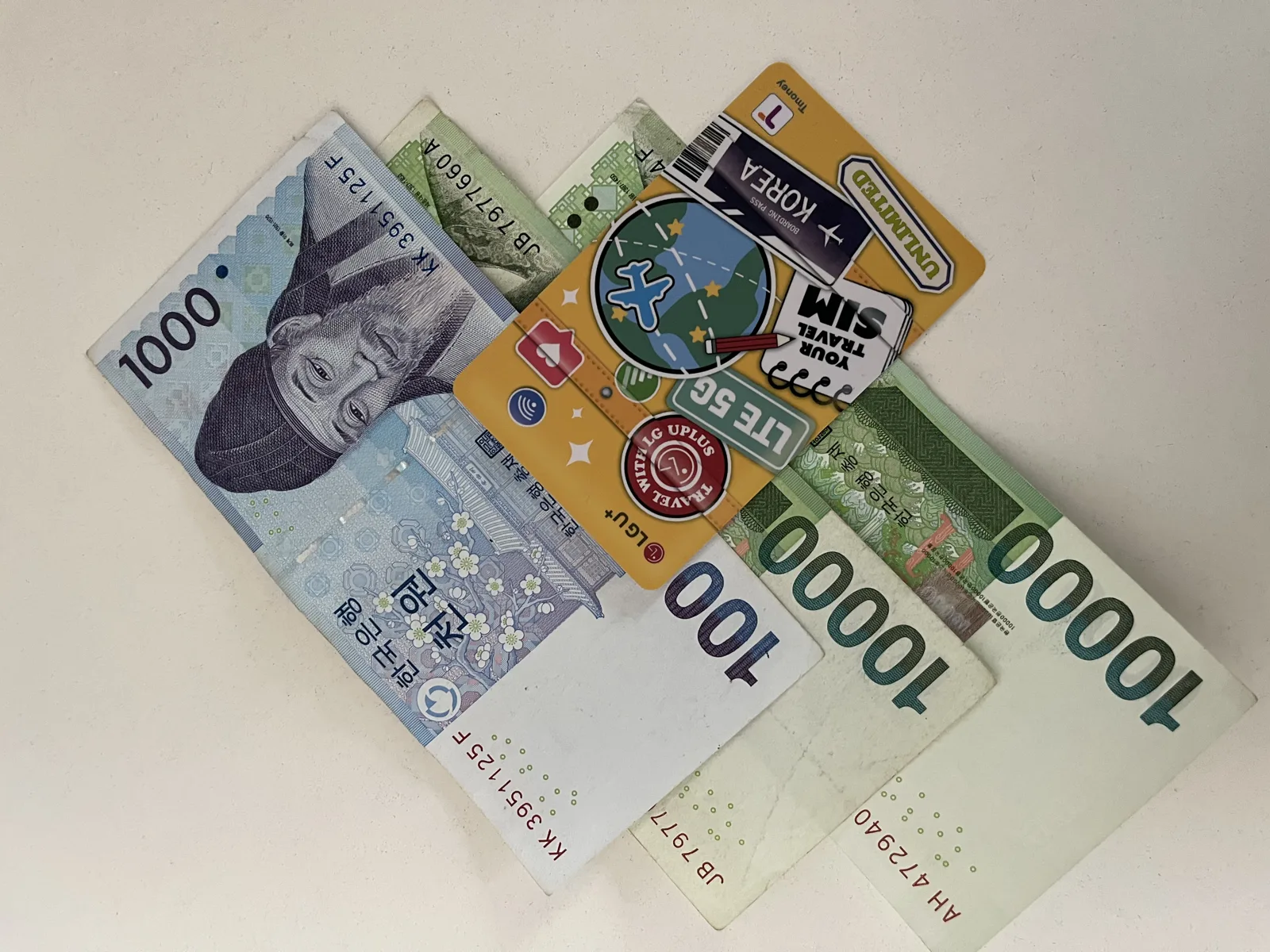
Why Budgeting for Korea Feels Unique
In Australia, I usually expect high costs across the board: accommodation, dining, and transport all come with a hefty price tag. Korea is more complex. A bowl of steaming hot soup in a local eatery might cost you only $6, while a night out in Gangnam can easily match or exceed Sydney’s bar prices. Public transport in Seoul is incredibly cheap and efficient, but five-star hotels rival those in New York or London.
That’s why creating a Korea travel budget 2026 isn’t about one single daily figure — it’s about understanding the range of possibilities. Your trip could be budget-friendly, mid-range, or indulgent, and each style comes with very different numbers.
Build Your Korea Travel Budget in Two Minutes
I got tired of doing this maths by hand every time someone asked me what their trip would cost, so I built a free tool that does it instead: the Seoul Travel Cost Calculator. No sign-up, no email — you answer a few questions and it hands you a number.
Pick a travel style — budget, standard, or luxury — then set your nights, the number of travellers, your departure city, and the season you are flying in. The calculator prices out the whole trip: flights, hotel (split automatically between travellers), food, transport, activities, and even a shopping allowance, then shows the total in your own currency.
It also accounts for the things a flat daily figure ignores. Peak season pushes hotel rates up sharply, a flight from Sydney costs nothing like a flight from Singapore, and two people sharing a room spend very differently from one person alone. Punch in seven nights for two travellers from Sydney in October, then run the same trip in low season — watching the gap between those two totals teaches you more about Korean travel pricing than any static list of numbers.
👉 Plan your trip with the free Seoul travel cost calculator →
If you just want ballpark figures to start with, here is what a day in Seoul looks like per person at each travel style:
| Category (per day, per person) | Budget | Standard | Luxury |
|---|---|---|---|
| Accommodation | $20–50 (guesthouses, hostels) | $60–120 (mid-range hotels) | $200+ (luxury towers) |
| Food | $15–20 (street food, local eateries) | $30–50 (mix of casual and BBQ) | $70+ (fine dining) |
| Transport | $2–5 (T-money, subway) | $5–10 (subway plus occasional taxi) | $25+ (taxis everywhere) |
| Attractions | $0–10 (palaces, free museums) | $10–25 (tours, activities) | $40+ (premium experiences) |
| Daily total | about $40–85 | about $105–205 | $335 and up |
Accommodation: From Guesthouses to Luxury Towers
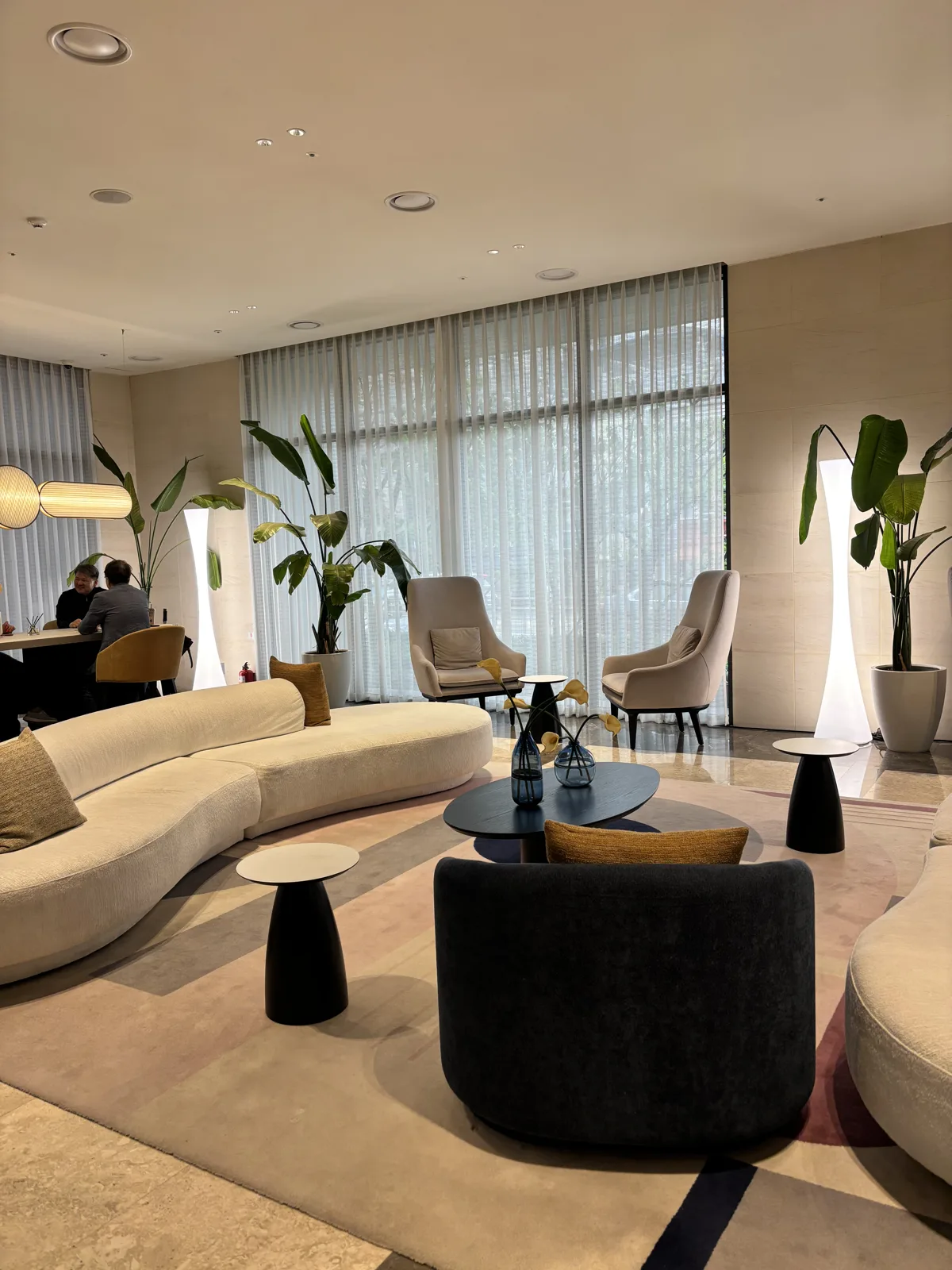
Where you sleep will likely be your biggest expense. I have stayed in a high-rise hotel in Jamsil myself and priced out everything from capsule hostels in Hongdae to Airbnbs in Insadong for friends and family.
- Guesthouse dorm beds in Seoul typically run around $25 a night — friendly and social, with very little privacy.
- At the other end, a premium tower hotel such as Signiel inside Lotte World Tower comes with Han River sunrise views — and room rates that climb well past $300 a night.
What you choose depends on your comfort level and budget flexibility. As a rule of thumb, budget $20–$50 for hostels and guesthouses, $60–$120 for mid-range hotels, and $200+ for luxury options. During cherry blossom season in April or fall foliage in October, prices spike. Booking early is key, and platforms like Klook Korea often offer bundled discounts with airport transfers or local tours.
Food: Street Snacks vs. Fine Dining
Korea is heaven for food lovers, and honestly, this is where I think you get the best value. Growing up in Seoul, I used to buy tteokbokki from street vendors for a couple of dollars. Even now, you can enjoy a filling, home-style Korean meal (rice, soup, and several side dishes) for under $8. Compare that to Australia, where a simple lunch set can cost $15–20, and you’ll see why visitors are amazed by Korean prices.
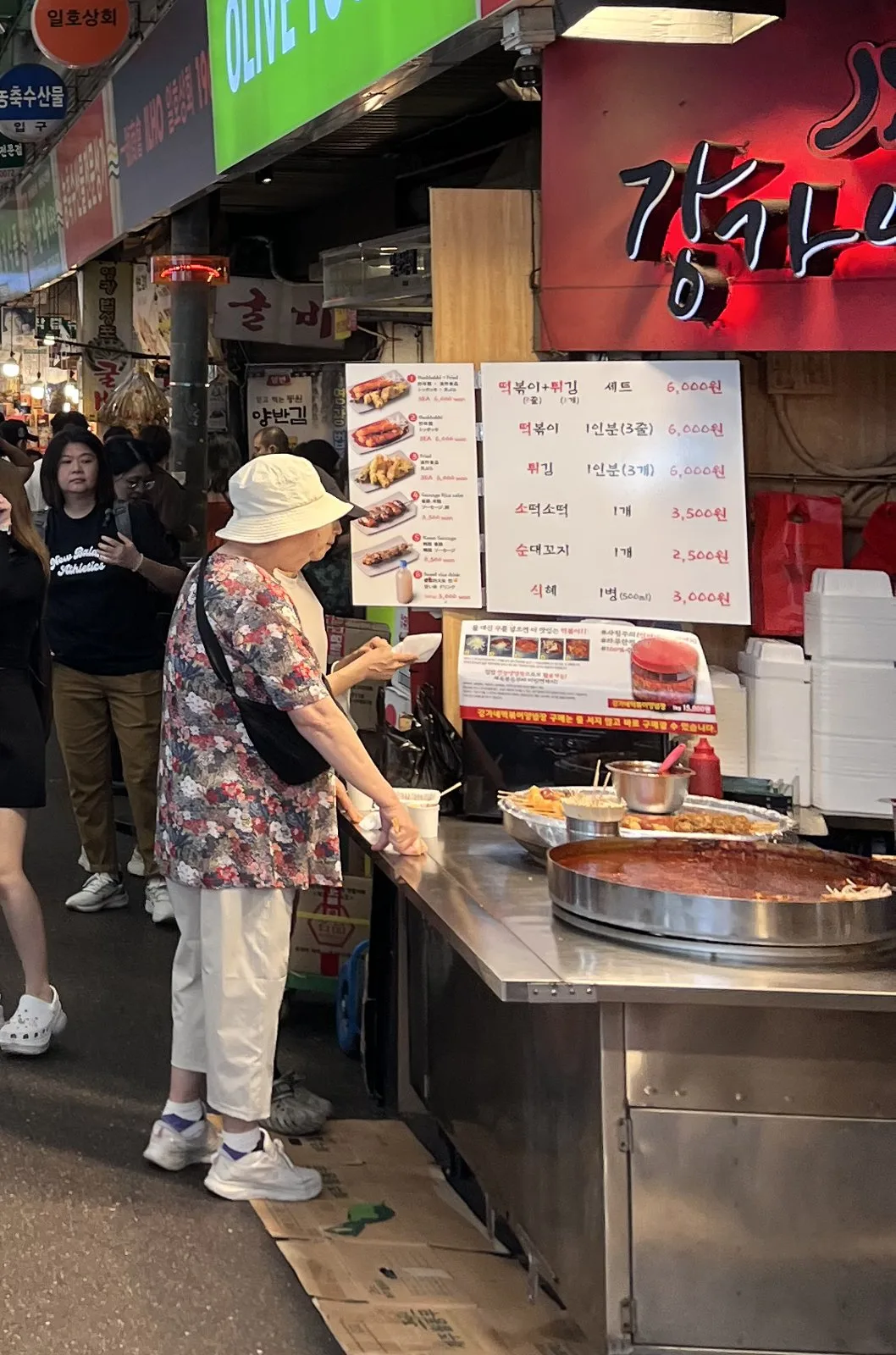
Street food prices do creep up, so on my last Gwangjang Market run I photographed the menu board at a tteokbokki stall instead of trusting my memory. A tteokbokki-and-twigim set was ₩6,000, a so-tteok so-tteok skewer ₩3,500, a sundae skewer ₩2,500, and a 500ml bottle of sikhye ₩3,000. Two of you can eat until you surrender for under ₩20,000 — maths no Sydney food court can match.
That said, dining can also get expensive. I once treated visiting Australian friends to a Korean BBQ feast with premium beef and craft soju — the bill exceeded $200 for four people. Worth it? Absolutely, but it’s something to plan for.
So for your Korea travel budget 2026, set aside at least $15–20 a day for budget eating, or $50–70 if you want to mix street food, casual restaurants, and occasional BBQ nights.
Transportation: Efficient and Affordable
One of the joys of Korea is its public transportation system. The subway is cheap, clean, and extensive. I still remember bringing an Australian friend on the Seoul subway for the first time — he couldn’t believe the trains arrived every three minutes and cost less than $1.50 per ride.
If you are travelling as a group or arriving late, splitting a private Incheon Airport transfer can cost barely more per head than the bus once you factor in time and luggage. (affiliate)
The last one I took had free Wi-Fi with the network name and password taped to the ceiling, cold bottled water in the cup holders, and a driver who loaded the suitcases without blinking. None of that shows up in a fare table. After a ten-hour flight from Sydney, it absolutely counts.
- T-money card: Rechargeable and usable on subways, buses, and some taxis.
- AREX Airport Express: Around $8 from Incheon to central Seoul.
- KTX high-speed train: $45 one-way to Busan, just 2.5 hours.
In comparison, when I take a domestic trip in Australia, the train from Sydney to Melbourne is not only longer but often costs more than a flight. This is why I always tell travellers that Korea is a paradise for efficient, budget-friendly movement.
Attractions and Activities
Korea has a mix of low-cost cultural sites and pricier modern attractions. Palaces like Gwanghwamun and Gyeongbokgung charge just a few dollars. Many museums are free or have discounted admission days. On the other hand, Everland or Lotte World theme parks can set you back $40–$50.
For cultural immersion, I highly recommend a temple stay or hanbok rental. My Australian cousin still talks about the day we rented a hanbok and strolled through Myeongdong after visiting a palace. It cost around $30, but the photos and memories were priceless.
Check the Visit Korea Official Site for updated schedules of free entry days — it’s one of my best budget hacks.
Hidden Costs Travellers Forget
Even the most experienced travellers overlook small details:
- International card fees (Wise or Revolut cards help).
- SIM cards or Wi-Fi routers (pre-book online to save).
- Laundry at coin washers ($5–10 per load).
- Late-night taxis with extra charges.
On one trip, I underestimated mobile data costs. Buying SIM cards on arrival was not only more expensive but also a hassle at the airport. Since then, I pre-book online — another area where Klook Korea comes in handy.
Example 7-Day Budget (Mid-Range Style)
Here’s a realistic snapshot based on my own experiences:
- Flights: $700 (from Sydney, varies by season)
- Accommodation: $420 (7 nights in mid-range hotels)
- Food: $210
- Transport: $80
- Attractions: $100
- Shopping: $100
Total: $1,600–$1,800 for one week
Of course, backpackers can cut that almost in half, while luxury seekers can double it easily.
FAQ
How much money do I need per day in Korea?
For most travellers, $40–85 per day covers a budget trip built on guesthouses, street food, and the subway. A comfortable mid-range day runs $105–205, and luxury travel starts around $335 once five-star hotels and taxis enter the picture. These figures exclude your international flights.
How much does a 7-day trip to Korea cost?
A realistic mid-range week costs about $1,600–1,800 including return flights from Australia — roughly $700 on flights, $420 on accommodation, $210 on food, $80 on transport, and the rest on attractions and shopping. Backpackers can nearly halve that total, while luxury travellers can easily double it.
Is South Korea cheap or expensive to visit?
Both, depending on the line item. Public transport and everyday food are far cheaper than in Australia — a filling local meal is still under $8 — while five-star hotels, imported goods, and nights out in Gangnam cost as much as in any global city. The gap between a frugal day and an indulgent one is wider in Seoul than almost anywhere I have travelled.
Should I budget cash or card for Korea?
Cards are accepted almost everywhere in Korea, including convenience stores and taxis, so plan for card-first spending and use a travel card like Wise or Revolut to avoid international fees. Keep a little cash for traditional market stalls and small street vendors. For buses and the subway, load a T-money card and top it up as you go.
What is the biggest hidden cost in a Korea travel budget?
Seasonality. The same mid-range hotel room can cost nearly double during cherry blossom season in April or autumn foliage in October compared with winter or the July rainy season. If your dates are flexible, shifting your trip by even a few weeks often saves more than any daily penny-pinching will.
Final Thoughts
Planning your Korea travel budget 2026 is less about pinching pennies and more about balance. Korea is one of those countries where you can eat like a king on $10 or splurge hundreds on a luxury dinner. You can explore royal palaces for pocket change or spend big at shopping meccas like Myeongdong.
For me, the biggest difference compared to Australia is flexibility. In Sydney, prices are consistently high no matter your lifestyle. In Seoul, you can shape your trip to match your budget — whether that means living on street food and guesthouses, or indulging in luxury hotels and fine dining.
So take the time to outline your must-dos, prepare for hidden costs, and use reliable resources like the Visit Korea Official Site and Klook Korea. That way, your money goes further, and your memories last longer.
Pingback: Korea Travel Checklist 2025: Visa, Packing, Budget & Apps