Disclosure: This post contains affiliate links. If you purchase through these links, I may earn a small commission at no extra cost to you. I only recommend products I personally use and trust.
Every overseas friend who visits me in Seoul ends up in Myeongdong on day one, usually overwhelmed and slightly overcharged. So I wrote this Myeongdong travel guide to give you the honest version — what the area actually is, what is worth your time, and what is just a tourist trap with a neon sign. I grew up in Korea and have lived in Sydney for twenty years, so I see this neighbourhood through two sets of eyes, and I will tell you the parts the glossy guides skip.
What Myeongdong Actually Is
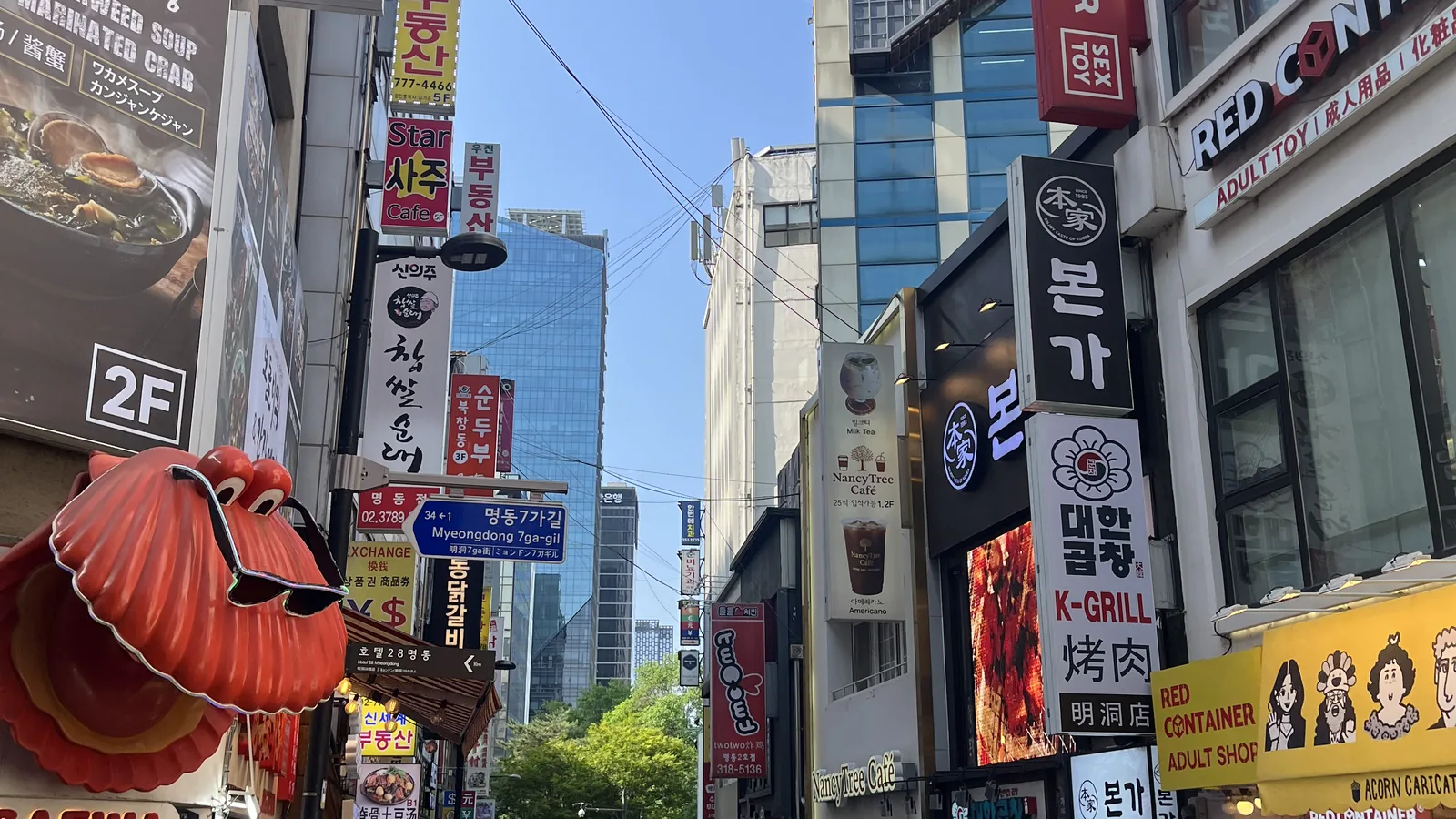
Before any Myeongdong travel guide tells you where to eat or shop, it helps to understand what the place actually is. Myeongdong is Seoul’s most famous shopping and street-food district, sitting right in the middle of the old downtown between City Hall and Namsan. It has been the city’s go-to street for foreign visitors for as long as I can remember. When I was a teenager, this was already where tour buses dropped people off, and that has barely changed.
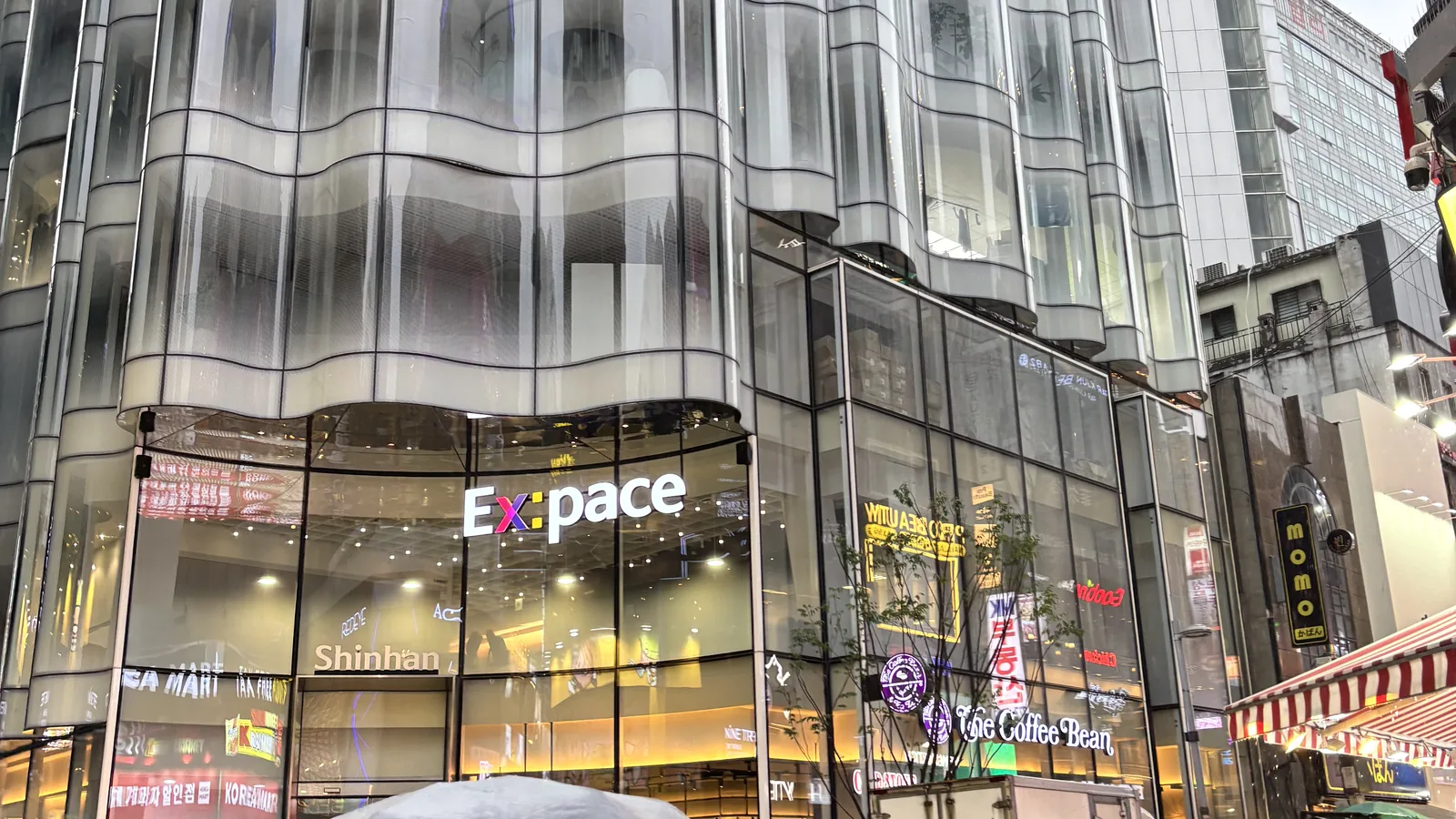
The heart of it is one pedestrian main drag, maybe four hundred metres long, lined with cosmetics flagships, fashion brands, and banks of street-food carts. Off that spine run dozens of narrow alleys packed with restaurants, socks shops, and the kind of small stalls that appear and vanish within a season. It is compact, loud, and very walkable.
What makes Myeongdong feel different from the rest of Seoul is how tourist-ready it is. The staff are used to English, the signage leans on pictures and brand names you already know, and tax-refund desks are stitched into half the shops. Locals do come here, mostly for the cosmetics and the late-night snacking, but everyone knows it is built around the visitor first. That is not a criticism — it just means you should shop with your eyes open.
How I Walk a First-Timer Through Myeongdong
When a friend lands in Seoul, I have a routine for their first Myeongdong run, and it has saved a lot of people from the rookie mistakes. I meet them at Myeongdong Station, usually around 4pm, because that is when the food carts start setting up but before the worst of the evening crush.
The cosmetics flagships deserve a slower loop of their own — my usual route, brand by brand, is in the Myeongdong cosmetics shopping guide.
We start by walking the full length of the main drag once without buying anything. I make them do this on purpose. The first lap is just to see the shape of the place — where the cosmetics shops cluster, which food carts have the longest local lines, where the side alleys peel off. Half of shopping well here is resisting the very first hard-sell you walk past.
Here is my honest Korea-versus-Australia moment. In Sydney, “going shopping” means driving to Pitt Street Mall, paying for parking, and trailing through maybe a dozen stores before you eat at a food court. In Myeongdong I can show a visitor street food, a cosmetics haul, a sit-down dinner, and a night view, all on foot, all for less than what Sydney parking and one main meal would cost. A bowl of street tteokbokki runs around ₩4,000, roughly AUD $4.50, and the subway in was ₩1,400 on a T-money card. The density is the whole luxury.
By the time we have done one lap, eaten one snack, and ducked into one cosmetics shop, my friend has the map in their head. Then they can wander on their own without getting funnelled into the first overpriced stall. That is the entire trick — orient first, spend second.
A Day in Myeongdong: Getting Around, Doing, Eating
A full Myeongdong day breaks into three simple pieces: getting yourself oriented, filling the daytime with shopping and sights, and saving the food and the lights for the evening. Below I have split those out, because they really are three different rhythms and most people muddle them together and burn out by mid-afternoon.
And once the lanterns come on, the district rewrites itself — Myeongdong at night covers that second shift, while the tables I actually book are in my restaurant picks.
Coming straight from the airport with a suitcase in tow? I compared all four ways door-to-door in my Incheon-to-Myeongdong arrival guide.
Suitcase space is the real currency in this neighbourhood, so I keep a ruthless keep-or-skip list in what to actually buy in Myeongdong.
Getting There and Orienting Yourself
Getting to Myeongdong is genuinely easy, which is half its appeal. Myeongdong Station sits on subway Line 4, and Euljiro 1-ga on Line 2 is a five-minute walk from the other end of the main drag. Use a T-money card — you buy it at any convenience store, tap in and out, and a ride is around ₩1,400. It works exactly like an Opal card in Sydney, just cheaper and faster to top up.
The exit you want is Myeongdong Station Exit 6, which spits you out at the bottom of the shopping street. Exits 5 to 8 all land you within the district, so do not panic if you surface somewhere unexpected — everything funnels back to the main drag within two minutes. If you are coming from the airport, the AREX train to Seoul Station and one quick Line 4 hop is the cleanest route. For a deeper map of how the wider downtown connects, my Seongsu-dong Seoul travel guide shows how the trendy east side links back to here.
What to Do in a Day
Daytime in Myeongdong is for the shopping and the slow browse. The main drag is wall-to-wall fashion flagships — UNIQLO, SPAO, big sportswear stores — and the cosmetics brand-roads that made the area famous. Lotte Department Store and the Shinsegae flagship are both a short walk toward Euljiro and City Hall if you want a proper department-store experience with a food hall in the basement.
This is also where you slot in a booked experience to break up the walking. On my last visit I sent a friend to a K-beauty makeup experience at ROA.MAKEUP in the middle of the afternoon, and she said it was the calmest, most fun hour of her whole trip. A reserved slot gives the day a guaranteed highlight that does not depend on a queue or your mood.
Where to Eat and Shop
Eating in Myeongdong is its own event, and it peaks in the evening. The carts on the main drag do tornado potatoes, gyeran-ppang egg bread, hotteok, grilled skewers, and the famous grilled lobster and scallop stalls. It is delicious and it is theatre, but it is also priced for tourists, so treat it as snacking rather than dinner. For a proper meal, duck into the side alleys where the kalguksu and Korean BBQ spots hide.
For the sit-down side of things, the knife-cut noodle alleys and the dumpling houses are where I actually eat, and they cost a fraction of the street carts per mouthful. If you want a structured food experience, a traditional Korean cooking class with a hidden-alley walking tour teaches you the dishes and shows you the backstreets in one go. The full street-food deep-dive is a post of its own, which I preview at the end of this guide.
Money and Tax Refund Basics
Money in Myeongdong is mostly painless, with a few honest catches. Card works almost everywhere indoors — cosmetics shops, restaurants, department stores all take foreign cards without blinking. The street carts are the exception. Many are cash-only or prefer cash, so carry ₩20,000 to ₩30,000 in small notes for a snacking session and you will never be caught short.
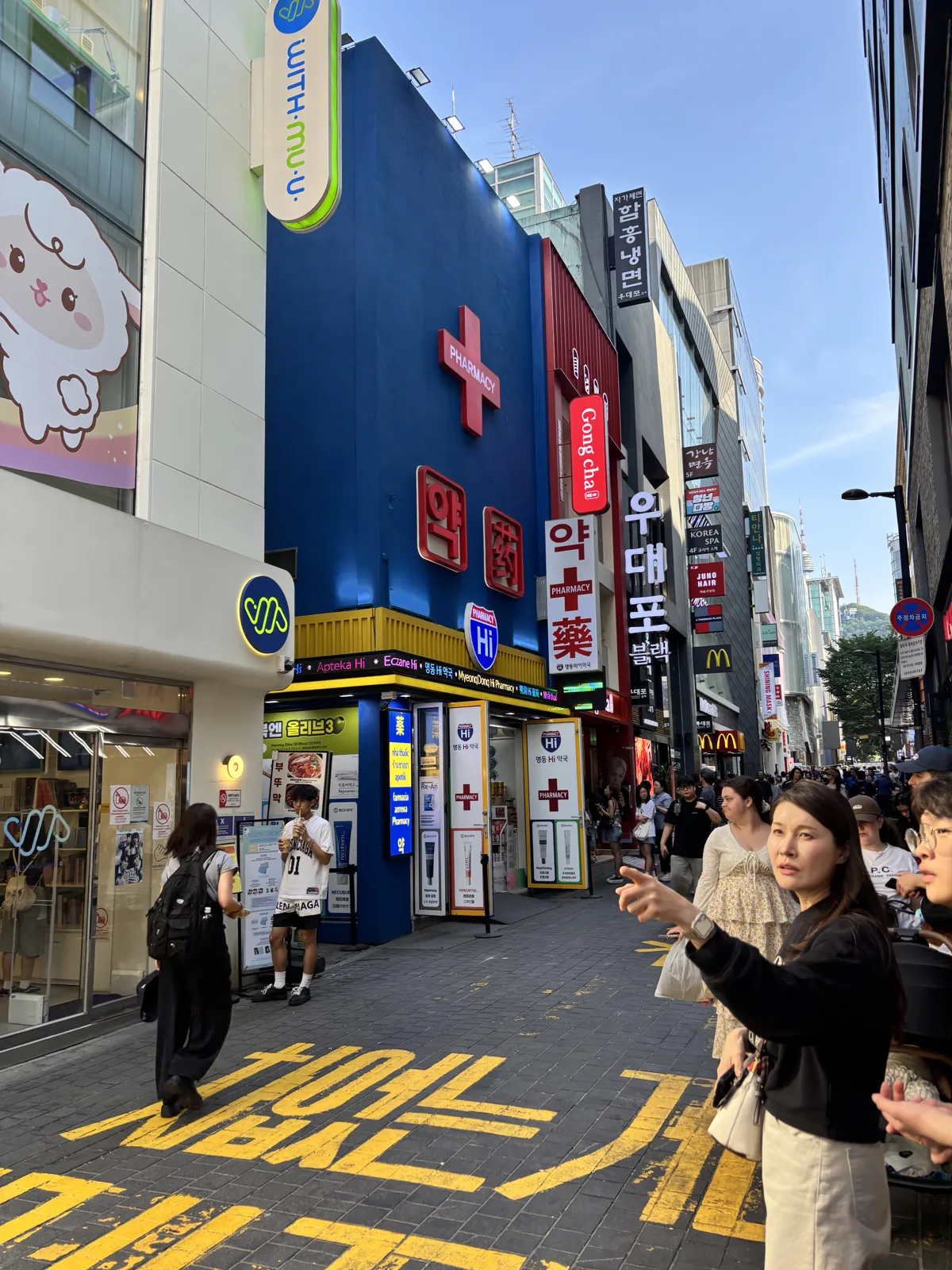
Tax refund is where tourists leave money on the table. Spend ₩15,000 or more in a single store that displays a “Tax Free” sign, show your passport, and you are eligible for a VAT refund of roughly 7 to 10 percent. Bigger cosmetics shops do instant refunds at the register; others give you a slip to scan at an airport or downtown kiosk. The Olive Young branches here are especially smooth about it, which I cover in detail in my Olive Young Myeongdong guide.
One small Sydney-brain warning from me. Do not change all your money at the flashy street currency-exchange booths just because they are convenient. The rates are fine but rarely the best, and you almost never need much physical cash beyond the food carts. Tap your card, keep a little cash for snacks, and save the refund slips. That is the whole system.
Myeongdong at a Glance
| What You Want | Where to Go in Myeongdong | Rough Cost | Best Time |
|---|---|---|---|
| Street food | Main-drag carts, side-alley stalls | ₩3,000–₩10,000 per snack | Evening (5pm onward) |
| Cosmetics | Brand-roads, Olive Young, multi-brand shops | ₩10,000–₩40,000 a haul | Afternoon, before evening crush |
| Fashion | UNIQLO, SPAO, department stores | Brand-standard pricing | Daytime |
| A proper meal | Kalguksu and BBQ alleys off the main street | ₩9,000–₩20,000 per person | Lunch or early dinner |
| Night views | Namsan cable car, N Seoul Tower | Cable car ~₩14,000 return | After dark |
The Best Times to Go
Timing is the single biggest thing that separates a great Myeongdong day from a sweaty, shoulder-to-shoulder one. The street has two distinct moods, and which one you get depends almost entirely on the hour you show up. I have walked it at every time of day, and the pattern is reliable.
For the small stuff that trips people up — queue timing, card versus cash, where the luggage lockers hide — I keep a running list of Myeongdong tourist tips.
Late afternoon, roughly 3pm to 5pm, is my sweet spot. The cosmetics shops are fully stocked and calm, the food carts are setting up, and you can actually move. By 7pm to 9pm the main drag is at peak energy and peak crush — fun if you want the buzz, miserable if you want to browse. Mornings before 11am are oddly quiet, with half the carts still shuttered, so they suit shopping but not eating.
Weekends roughly double the crowd versus a weekday, and the difference is not subtle. If your schedule is flexible, do Myeongdong on a Tuesday or Wednesday. The official Visit Seoul site is also worth a glance before you go, since it lists seasonal events and any street closures around the district. And here is a contrarian favourite of mine: go on a light rainy evening. The crowds thin, the umbrellas and neon make the whole street glow, and the carts still run. Some of my best photos of the area were taken soaking wet and perfectly happy.
Where Myeongdong Sits Versus Other Seoul Neighbourhoods
Myeongdong is the tourist-shopping heart, but it is one stop on a much bigger map, and knowing how it fits helps you plan a smarter trip. I always tell visitors to treat it as their warm-up day, not their whole Seoul.
If Myeongdong is the polished, brand-heavy front door, then Seongsu-dong on the east side is the cool, industrial-cafe opposite — pop-up stores, roasteries, and converted factories. The two make a great contrast across a trip, and there is plenty more to fill a day over there, which I lay out in my guide to things to do in Seongsu-dong on a weekend. Insadong, by contrast, is the traditional counterpoint, a short hop north with teahouses, hanji paper shops, and craft stalls. If you want the official lay of the land before you plan, the Korea Tourism Organization keeps solid area overviews and transit notes for all of these neighbourhoods.
Within Myeongdong itself, this Myeongdong travel guide is really a doorway to the detail. The street food deserves its own deep-dive, the shopping splits into fashion versus cosmetics, the restaurants are a separate honest list, and the after-dark scene is a different animal entirely. I preview each of those below as their own posts, so think of this guide as the map and those as the close-ups. Plan Myeongdong for a day or two, then branch out — the city rewards it.
FAQ
Is Myeongdong worth visiting?
Yes, especially on a first trip to Seoul. Myeongdong packs street food, cosmetics, fashion, and easy English service into one walkable area, which makes it the ideal warm-up day. Just go in knowing it is tourist-priced for snacks, so treat the carts as a tasting session and save serious eating for the side-alley restaurants.
How do I get to Myeongdong?
Take subway Line 4 to Myeongdong Station and use Exit 6, which drops you at the bottom of the main shopping street. Euljiro 1-ga Station on Line 2 also borders the district. Use a T-money card, which works like an Opal card and costs around ₩1,400 a ride, tapping in and out at the gates.
How much time should I spend in Myeongdong?
Half a day to a full day is plenty for most visitors. An afternoon-into-evening visit lets you shop the cosmetics shops while they are calm, then catch the street food as the carts hit their peak after 5pm. If you are adding the Namsan cable car and N Seoul Tower, give yourself the full evening.
Can I use a card or do I need cash in Myeongdong?
Cards work almost everywhere indoors — shops, restaurants, and department stores all take foreign cards. The street-food carts are the exception, as many are cash-only or cash-preferred. Carry ₩20,000 to ₩30,000 in small notes for snacking and tap your card for everything else.
When is the best time to visit Myeongdong?
Late afternoon, around 3pm to 5pm, is the calmest window for shopping before the evening crowds arrive. The street food peaks from 5pm onward. Weekdays are far less crowded than weekends, and a light rainy evening is a quietly perfect time, with thinner crowds and glowing neon.
My Thoughts
Myeongdong gets a slightly tired reputation among Seoul regulars, and I understand why — it is busy, it is touristy, and the carts charge a premium. But I still bring every first-time visitor here, because nowhere else in the city hands you so much of Korea in such a small, walkable space.
My honest advice from this whole Myeongdong travel guide is to use it as a base camp, not a destination in itself. Do one good Myeongdong day, learn the rhythm, eat the snacks, grab the cosmetics, catch a night view from Namsan, and then push outward to Seongsu, Insadong, and beyond. The area is at its best when it is your starting line rather than your whole race.
And if the main drag ever feels like too much, remember my favourite trick: come back on a quiet rainy evening. The crowd halves, the lights double, and you finally see why this little stretch of Seoul has been pulling visitors in for forty years.
Planning Your Myeongdong Day?
Give your day one booked highlight that does not depend on a queue or the weather. After all the walking and street food, a O HUI & WHOO spa and massage session near Myeongdong is the single thing I would book first — it resets your feet and your mood. → Check the WHOO spa session on Klook
🗺️ How much does a day in Myeongdong actually cost?
Myeongdong is one of Seoul’s most-visited areas — and also one where it’s easy to overspend without realising it. Get a realistic daily budget before you arrive.
Check Myeongdong costs in your currency →