Disclosure: This post contains affiliate links. If you purchase through these links, I may earn a commission at no extra cost to you.
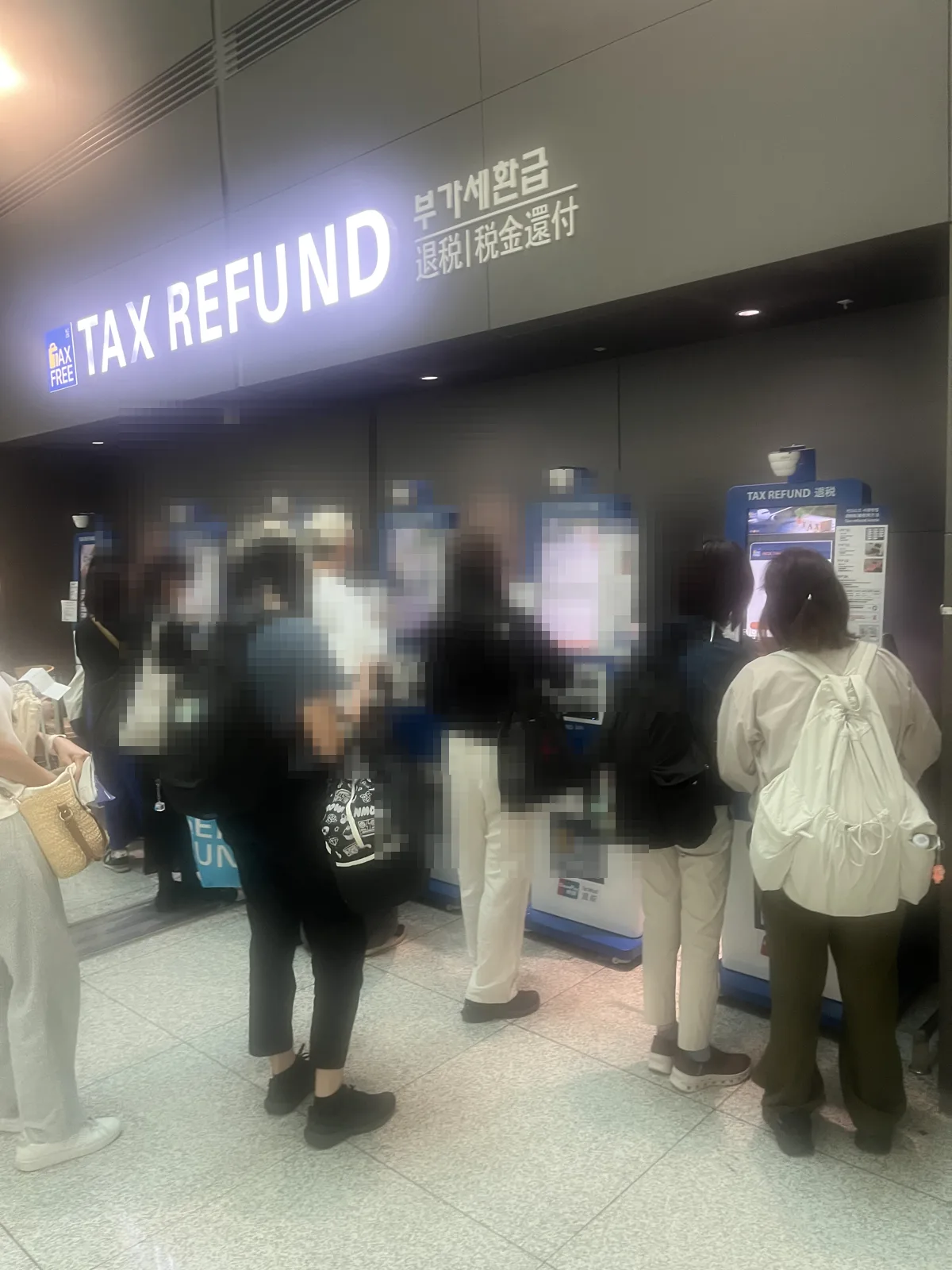
Planning your Korea tax refund 2026 starts with understanding why shopping in Korea has become such a must-do experience for travellers — from K-beauty stores to Seoul’s luxury districts.
When I first guided my Australian friends through Seoul’s neon-lit shopping districts, I expected their excitement over K-beauty shops and local fashion boutiques. What I didn’t expect was their surprise at Korea’s tax refund system, which allowed them to save extra money at the end of their trip. It reminded me of my own first tax refund experience years ago at Incheon Airport — a little confusing, but ultimately rewarding when I walked away with crisp won notes in my wallet.
That memory stuck with me because it highlighted something unique about shopping in Korea: not only is the variety overwhelming, but the system also ensures tourists can shop more and still save. As someone who grew up in Seoul and has lived in Australia for over twenty years, I see the contrast clearly. In Australia, you can also claim tax refunds as a tourist, but the process often feels lengthy, with more paperwork and fewer options. In Korea, things are streamlined, designed with convenience in mind — a reflection of the country’s efficiency-driven culture.
Table of Contents
- How the Korea Tax Refund Actually Works
- The Atmosphere of Shopping in Seoul
- My First Tax Refund Experience in Korea
- Why the Tax Refund Matters in 2026
- Comparing Korea with Other Countries
- Insider Tips from Experience
- FAQ
- Final Thoughts
How the Korea Tax Refund Actually Works
Here is the part most guides skip. Korea charges 10 per cent VAT, and as a visitor you can claim some of it back on goods you take home. You will not see the full 10 per cent: the refund operator takes a fee, so what actually reaches you is nearer 5 to 8 per cent of what you paid. Useful, but worth setting your expectations before you start counting.
The threshold is KRW 15,000 in one transaction at one store. Below that there is nothing to claim, which is why I consolidate a K-beauty haul into a single purchase rather than paying in dribs and drabs at the same counter.
There are three ways to get the money, and which one applies depends on how much you spent.
1. Immediate refund at the register
Stores with an immediate refund sign take the tax off at the till. Nothing to do at the airport. This route is capped at under KRW 1,000,000 per transaction, and KRW 5,000,000 across your entire stay, so it covers ordinary shopping rather than a luxury purchase.
2. Downtown refund counters
Department stores and the big shopping districts have refund desks where you hand over receipts and collect cash or a card credit before you leave the city. The per-transaction ceiling here is KRW 6,000,000.
3. At the airport
The fallback, and the only option above those limits. Get the customs stamp or kiosk scan first, then collect at the refund desk. Counters sit at Incheon Terminal 1 and Terminal 2, Gimpo, Gimhae and Jeju.
| Method | Minimum | Limit | When you get the money | Best for |
|---|---|---|---|---|
| Immediate (in store) | KRW 15,000 | Under KRW 1,000,000 per transaction, KRW 5,000,000 for the whole stay | At the register | Everyday shopping and K-beauty |
| Downtown counter | KRW 15,000 | KRW 6,000,000 per transaction | Before you leave the city | Department store purchases |
| Airport | KRW 15,000 | No stated ceiling | On departure day | Large purchases and anything you missed |
Who can claim
Foreign visitors staying six months or less. Overseas Koreans qualify if they have lived abroad for two years or more and are in Korea for three months or less. Long-term residents, diplomats, US military personnel and anyone working in Korea cannot claim. The goods have to leave the country within three months, which is rarely a problem on a holiday.
One rule almost nobody mentions: hotel room charges qualify too, for up to 30 nights, including breakfast when it is bundled into the rate. It applies to individual travellers rather than group tours. On a two-week trip that is not a small number. The current rules and the airport counter hours are on the Korea Tourism Organization tax refund page, which is where I check before each trip.
The Atmosphere of Shopping in Seoul
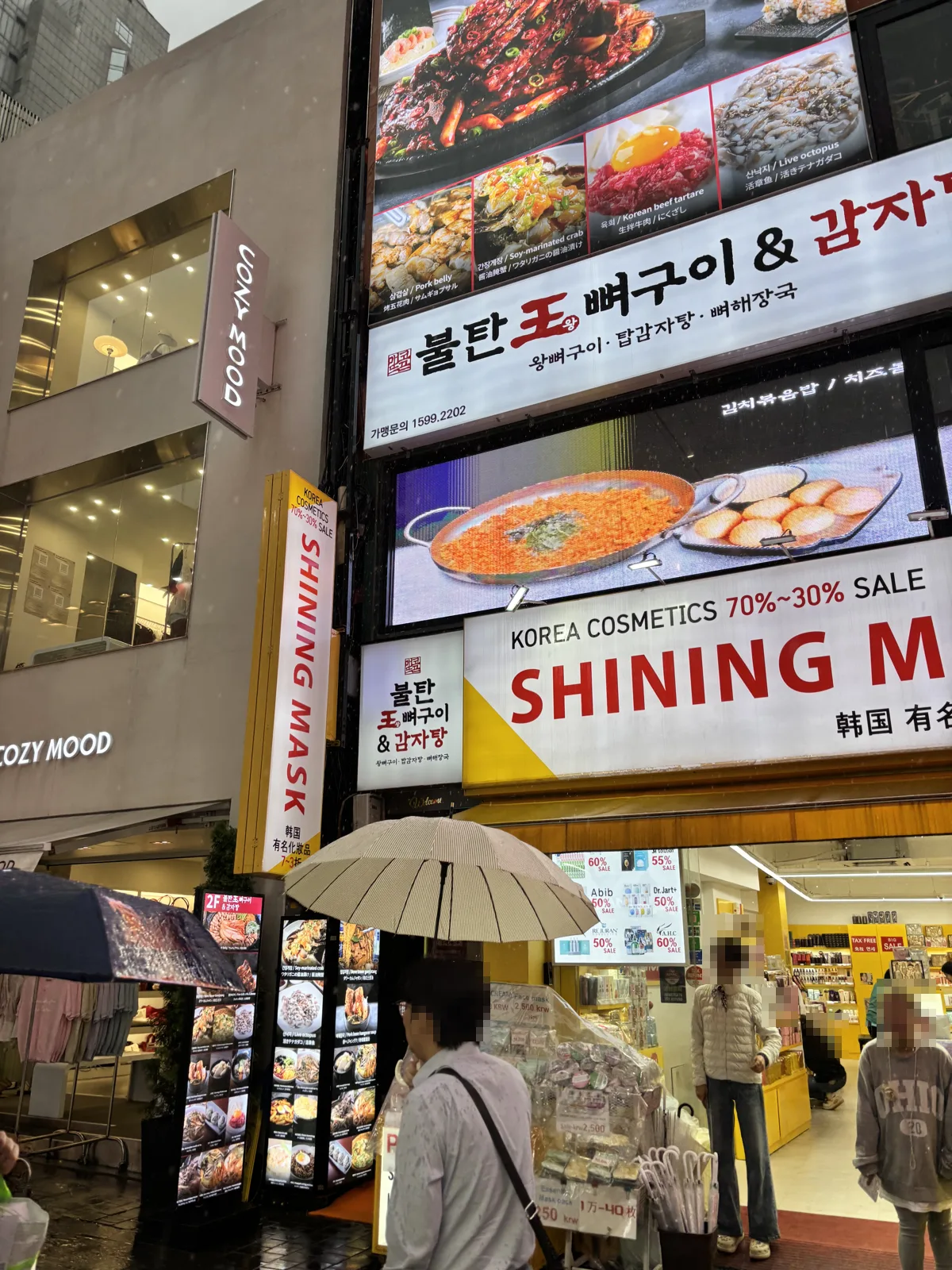
There’s something about wandering through Myeongdong on a Saturday night that perfectly explains why Korea is a shopping paradise. Bright signs advertise sales on sheet masks and serums, street vendors grill skewers in the open air, and clusters of tourists juggle shopping bags as they dart between cosmetic stores. When I lived in Sydney, the shopping experience felt more subdued, with malls closing relatively early. In Seoul, however, the city stays alive well past midnight, and that’s when I truly see how tourists end up with bursting suitcases.
It’s not just Myeongdong. In Gangnam, high-rise department stores and luxury boutiques cater to shoppers with bigger budgets. Meanwhile, areas like Hongdae and Seongsu thrive on indie fashion and quirky finds. What unites them all is the possibility of a Korea tax refund 2026 that makes the final bill a little lighter. And this, I believe, is one of the country’s underrated draws for international travellers.
My First Tax Refund Experience in Korea
I remember standing at Incheon Airport for the first time, clutching a stack of receipts and wondering if I had done everything right. My purchases included gifts for my parents in Australia: premium ginseng extract, a designer handbag from Gangnam, and, of course, a pile of K-beauty products from Myeongdong. The staff at the store had reminded me to keep the tax refund receipts, something I had almost forgotten to request earlier.
At the airport kiosk, the process was surprisingly smooth. I scanned my passport, inserted my receipts, and within minutes, a confirmation slip popped out. A few steps later at the tax refund counter, I was asked how I wanted the money returned — cash in Korean won or a credit card refund. Since my flight was about to board, I chose cash. It felt like an unexpected bonus, as if Korea was rewarding me for indulging in its shopping culture.
Compared to experiences abroad, Korea’s approach impressed me. In Australia, I once had to queue for nearly an hour at Sydney Airport to process a tax refund. In Seoul, even with a few people ahead of me, the system moved quickly. That efficiency is what makes the shopping tax refund in Korea appealing to visitors who value time as much as money.
Why the Tax Refund Matters in 2026
Fast forward to 2026, and the tax refund system has become even more tourist-friendly. Many shops now offer immediate refunds at the counter, meaning you don’t need to wait until the airport. The first time I experienced this in Gangnam, I was buying skincare at a department store. The cashier processed my passport, applied the refund instantly, and deducted the tax amount from the bill right there. No waiting, no paperwork at the airport.
For travelers, this is a game-changer. Imagine finishing a shopping spree in Seongsu, sipping coffee in a stylish café, and already knowing your refund is handled. It’s the kind of convenience that makes Korea’s retail landscape stand out globally.
Comparing Korea with Other Countries
Living in Australia, I often compare the systems. In Sydney or Melbourne, shops rarely provide instant refunds. The airport becomes the bottleneck, with long lines and slower processing. Korea, however, integrates the tax refund into the shopping experience itself, whether at boutique stores in Hongdae or luxury counters in Gangnam. This integration reflects Korea’s broader efficiency culture — the same mindset that gives us high-speed trains and one of the world’s fastest internet networks.
But efficiency doesn’t erase the need for preparation. Tourists often forget their passports when shopping, which is non-negotiable. I’ve seen travellers at Myeongdong cosmetic counters disappointed because they couldn’t get a tax refund receipt without presenting their actual passport. That small detail can mean the difference between saving and missing out.
Insider Tips from Experience
One tip I always share with visitors is to arrive at Incheon Airport earlier than usual if you’re processing refunds there. While kiosks speed up the process, travellers with multiple receipts can still face delays. I learned this the hard way when I underestimated the time needed and nearly missed a flight. Now, I treat the refund process as part of my departure routine — a final step before saying goodbye to Korea.
Another lesson came from combining discounts with tax refunds. During Korea’s sale season in July, I bought sneakers in Hongdae with a store discount, then added the tax refund. The combined savings were better than anything I’d find back home in Australia. That’s why I often tell friends to check both sale calendars and refund eligibility.
For up-to-date information, I recommend consulting the Visit Korea Official Site, which lists refund rules and seasonal updates. And when booking tours or activities, platforms like Klook Korea sometimes include bundled discounts with shopping deals, giving travelers even more value.
The refund is real money back in your pocket, but it’s only one piece of the picture. Before the refunds start, my day-by-day Korea spending guide helps you plan what you’ll actually spend across the trip.
🎟️ Worth booking: You can book a Korea 5G eSIM in advance through Klook — so you have data the moment you land. (affiliate link)
FAQ
What is the minimum purchase for a tax refund in Korea?
You need to spend KRW 15,000 or more in a single transaction at one participating store. Two receipts of KRW 10,000 from the same shop do not add up to a claim, so it is worth putting everything through in one go when you are close to the threshold.
How much money do I actually get back?
Korean VAT is 10 per cent, but you do not receive all of it. The refund agency takes a handling fee, so what lands in your hand is closer to 5 to 8 per cent of the purchase price depending on the amount and the operator. Anyone promising a flat 10 per cent back is quoting the tax rate, not the refund.
Can I get the refund in the shop instead of at the airport?
Often, yes. Stores that display an immediate refund sign deduct the tax at the register. That route is capped at under KRW 1,000,000 per transaction and KRW 5,000,000 in total for your whole stay. Above those limits you claim downtown or at the airport instead.
Who is eligible for the Korean tax refund?
Foreign visitors staying in Korea for six months or less. Overseas Koreans qualify if they have lived abroad for two years or more and are staying for three months or less. Long-term residents, diplomats, US military personnel and anyone employed in Korea are excluded, and the goods must leave the country within three months.
What do I need at the airport?
Your passport, the tax refund receipts from each store, and the goods themselves in case customs asks to see them. Do the customs and kiosk step before you check your bags if the purchases are going into checked luggage. Refund desks are at Incheon Terminal 1 and 2, Gimpo, Gimhae and Jeju.
Final Thoughts
Planning for a Korea tax refund 2026 isn’t just about receipts and airport kiosks. It’s about understanding how the system fits into Korea’s broader culture of efficiency and hospitality. As someone who has shopped in Seoul countless times, I can say that the refund process makes the whole experience more satisfying. You don’t just walk away with products; you walk away with savings that make your trip feel smarter and better planned.
So if you’re mapping out your shopping routes — from the bustling streets of Myeongdong to the sleek department stores of Gangnam — don’t forget to include tax refunds in your strategy. Bring your passport, keep your receipts, and give yourself extra time at the airport if needed. Korea isn’t just a shopping paradise; it’s a place where thoughtful systems like tax refunds turn good trips into unforgettable ones.
By combining cultural curiosity with financial savvy, you’ll not only enjoy Seoul’s irresistible shopping scene but also leave with the satisfaction of having maximised every won. And trust me — that little envelope of refund cash you tuck into your passport on departure feels like the perfect ending to your Korean shopping adventure.
Pingback: Top 2 Shopping Spots in Seoul 2025 – Hyundai & Lotte
Pingback: Myeongdong Travel Guide: Shopping, Food & Culture in Seoul