If the Seoul palaces have worn you out — and after a few of them, they will — Jongmyo Shrine is the antidote. It is a UNESCO World Heritage site right in the middle of the city, yet it is so quiet and so densely wooded that I forget I am in a metropolis of ten million people. There are no flashy painted halls or selfie crowds here. There is a stone path, a few solemn wooden buildings, and an astonishing amount of forest. After twenty years of visiting Seoul, this is the place I send anyone who wants to actually breathe.
Table of Contents
- What Is Jongmyo Shrine?
- Why It’s Seoul’s Quietest Escape
- Walking the Spirit Path
- The Forest Most Visitors Miss
- Practical Visiting Info
- Guided Tours and Free Days
- Getting to Jongmyo Shrine
- Jongmyo vs Gyeongbokgung at a Glance
- Jongmyo or the Palaces: Which to Visit
- What to See Near Jongmyo After Your Visit
- FAQ
- My Thoughts
- Related Links
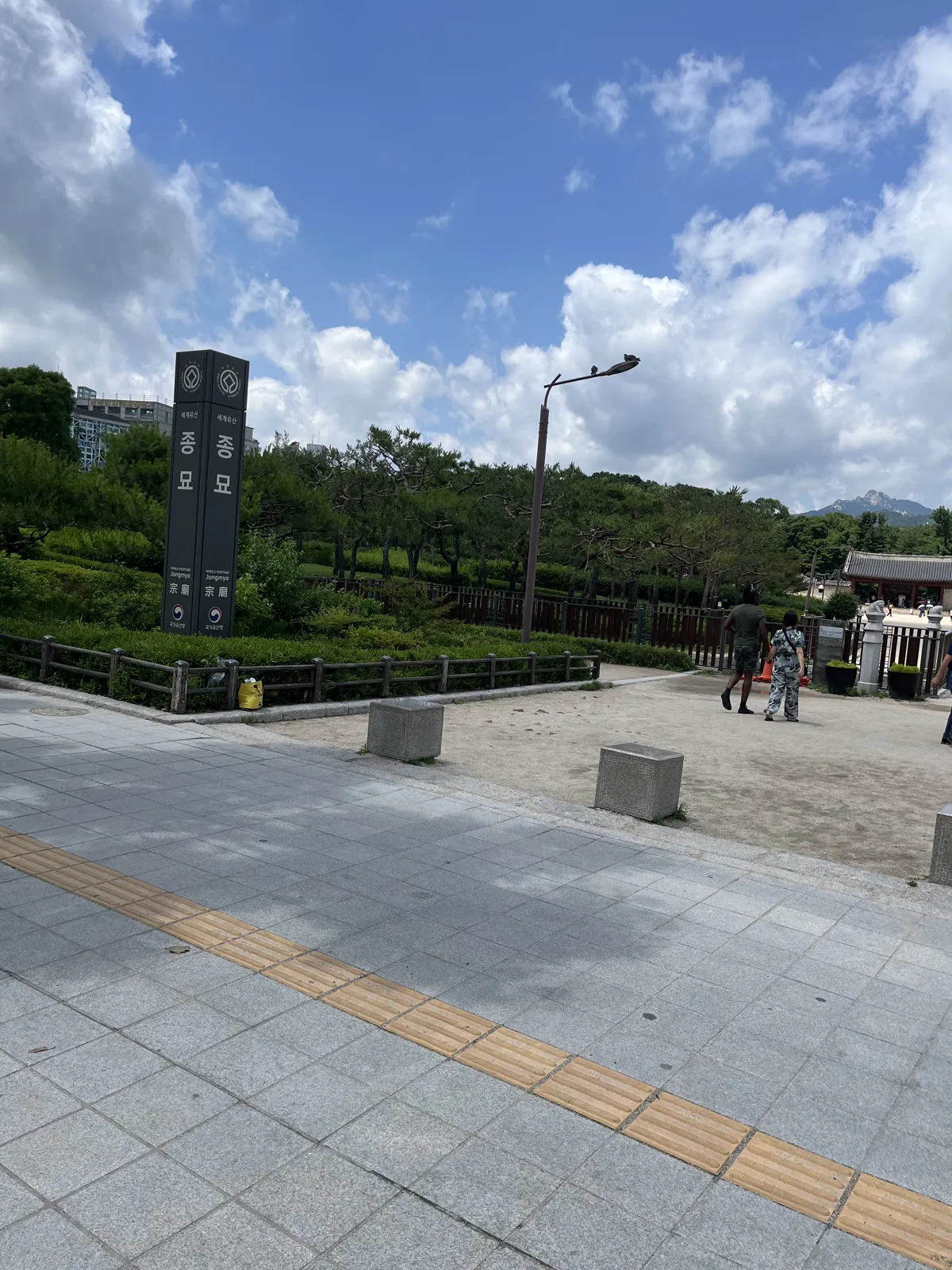
What Is Jongmyo Shrine?
Jongmyo Shrine is the royal ancestral shrine of the Joseon dynasty, the place where the spirit tablets of Korea’s kings and queens have been enshrined for more than six centuries. It was added to the UNESCO World Heritage list in 1995, and unlike a palace — which was a place to live and rule — Jongmyo was built for one solemn purpose: honouring royal ancestors through Confucian rites. That single-mindedness is exactly why it feels so different from everywhere else in Seoul.
The centrepiece is Jeongjeon, the main hall, which is one of the longest wooden buildings in Asia — a low, dark, almost severe colonnade that stretches on and on. There is no bright paintwork, no decorative excess. The whole site is an exercise in restraint, and once you understand that it was designed to feel reverent rather than impressive, the quiet starts to make sense. The royal rite still performed here, Jongmyo Jerye, along with its ritual music, is itself recognised by UNESCO as intangible heritage.
Why It’s Seoul’s Quietest Escape
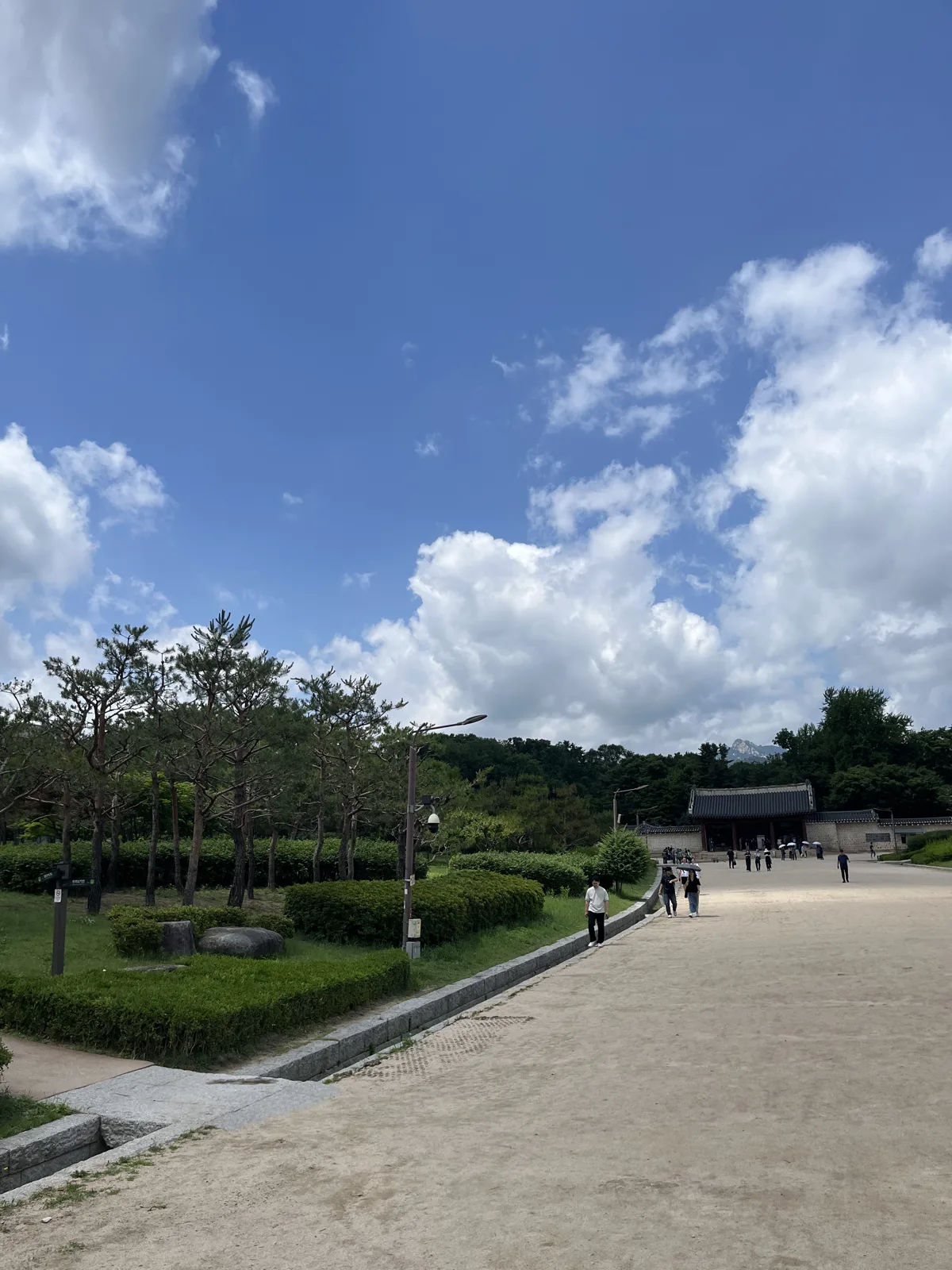
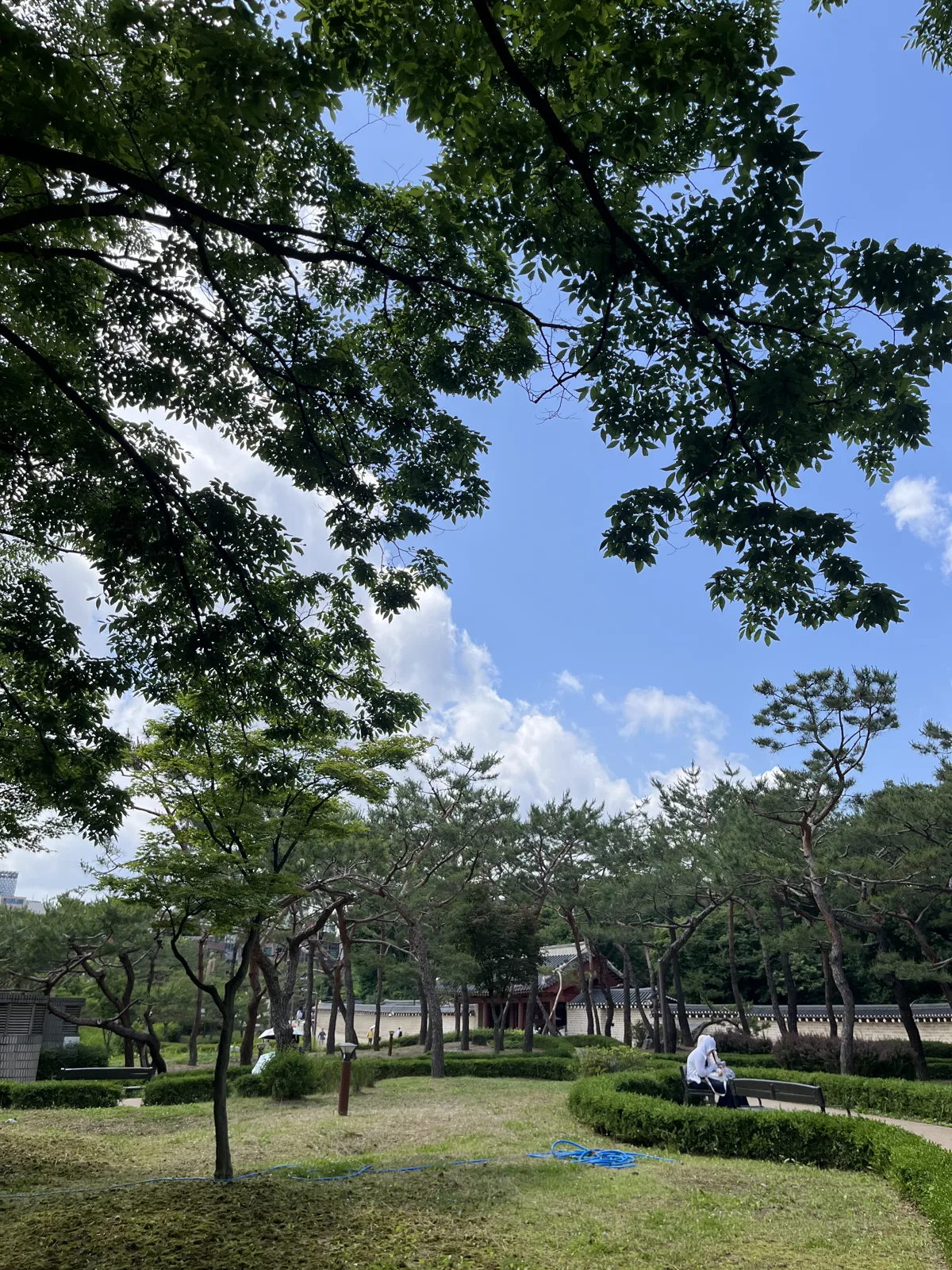
Here is the thing nobody tells you about Jongmyo Shrine: it is mostly forest. The buildings are remarkable, but you spend most of your visit walking shaded gravel paths under a dense canopy of old trees, past manicured lawns and low hedges, with birdsong instead of traffic. On a hot Seoul afternoon, stepping in here is like the temperature dropping five degrees. I have sat on a bench under those trees and genuinely lost track of an hour.
That calm is partly by design and partly by rule — historically you could only enter on a timed guided tour, which kept crowds thin and the mood hushed. Even now it draws a fraction of the visitors that pour into the big palaces. If you have already done the palace circuit and want something slower, this is the contrast your trip needs. For the busier, grander side of Joseon Seoul, my Gyeongbokgung Palace guide covers the headline act — Jongmyo is the quiet encore.
Walking the Spirit Path
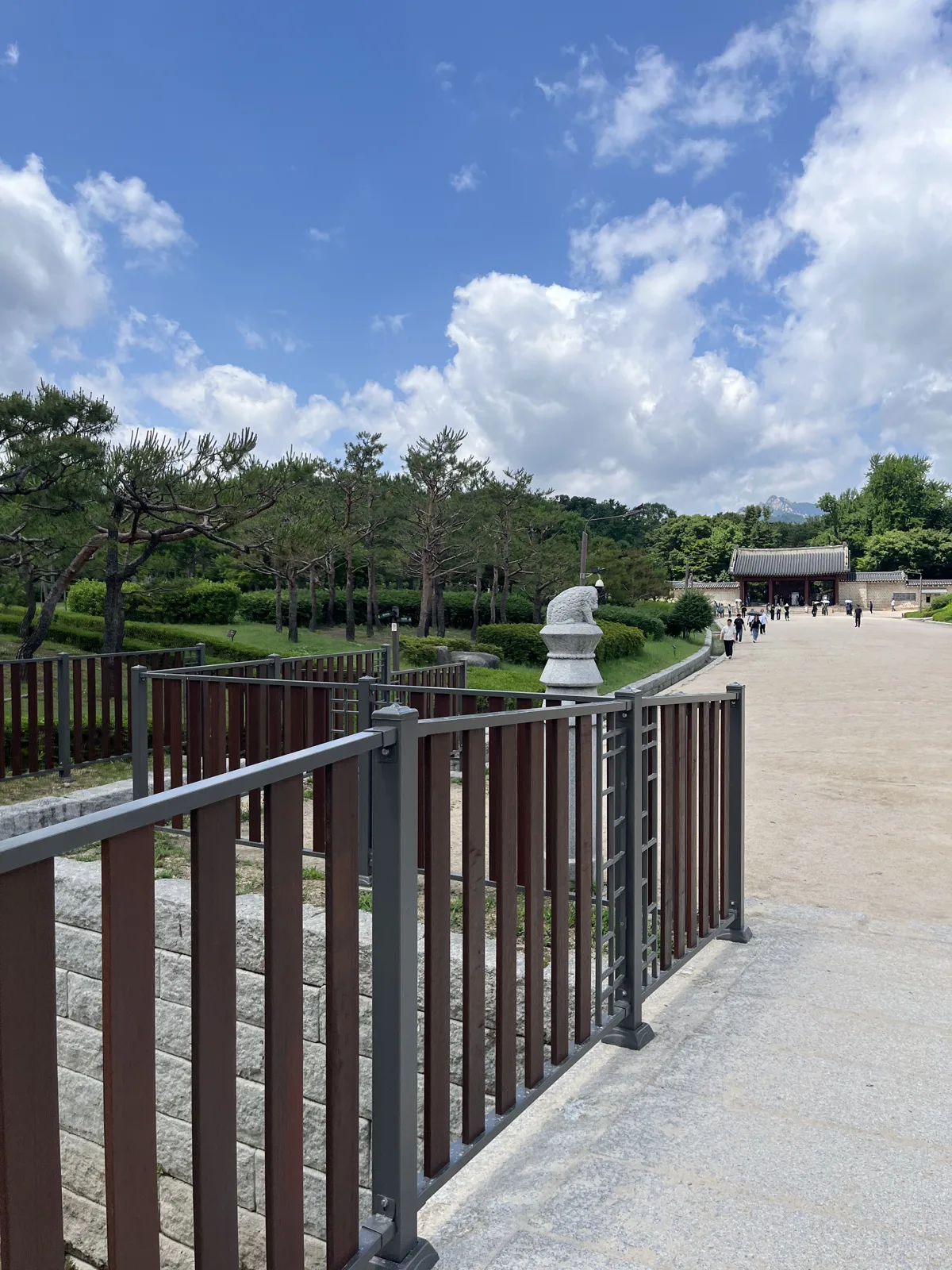
One detail makes Jongmyo feel special the moment you notice it: the spirit path, or sillo, a slightly raised stone walkway running through the grounds. It is reserved symbolically for the spirits of the ancestors, so visitors walk beside it, never down the centre. It is a small thing, but it sets the tone — this is a place where you move with a little more care and a little less hurry.
The path leads through a series of gates and courtyards toward the main halls, each step more hushed than the last. The gravel underfoot, the dark wood, the trimmed pines — it all builds a deliberate sense of approach. Take your time here. The point of Jongmyo is not to tick off buildings but to feel the procession toward them, the way the kings’ descendants did during the ancestral rites. If you have read up on Joseon history at the palaces first, the symbolism here lands far more deeply.
The Forest Most Visitors Miss
Most people come for the shrine and leave without realising the grounds are the real treasure. The wooded areas around the halls are a proper old-growth refuge — tall broadleaf trees, sculpted pines, open lawns and shaded benches, all kept immaculately. It is one of the largest patches of genuine calm green you will find in central Seoul, and it is criminally underused. I have seen office workers slip in on a lunch break and locals reading on the benches, and almost no tourists in the trees at all.
My honest advice is to build in time to simply wander the forest paths rather than rushing to the buildings and out again. Bring water, wear comfortable shoes, and let yourself drift. The contrast between the solemn architecture and the soft, living forest around it is the whole experience, and it is the reason Jongmyo stays with me long after the grander sights blur together. It is also, frankly, the best free air-conditioning in the city on a humid day.
Practical Visiting Info
Jongmyo Shrine sits in central Seoul near Jongno, and admission is inexpensive — a small fee of around 1,000 won, with discounts and free entry for certain visitors. It is typically closed on Tuesdays, so do not make the mistake of building your one free morning around a Tuesday visit. Opening hours shift a little by season, so I always check the official site before I go rather than trusting a screenshot from years ago.
Plan for roughly an hour to ninety minutes if you want to enjoy both the halls and the forest without rushing. There are restrooms near the entrance, and the paths are mostly flat gravel, which is manageable with a stroller though not as smooth as paved ground. For up-to-date hours, fees and rules, the official Visit Korea site is the source I trust. Wearing hanbok, by the way, can get you free entry at many of Seoul’s heritage sites — I cover that perk in my hanbok at Gyeongbokgung guide.
Guided Tours and Free Days
Jongmyo has long had a distinctive visiting system: on most days you enter on a timed guided tour rather than wandering freely, with tours offered in Korean, English, Japanese and Chinese at set times. This is part of why the site stays so serene — it controls the flow of people. On certain days, often weekends and the monthly Culture Day, free self-guided entry is allowed, which is the option I prefer because you can linger in the forest at your own pace.
Because these rules change from time to time, check the current schedule before you commit to a date — turning up expecting a self-guided visit and finding only timed tours (or vice versa) is an easy way to throw off your morning. If you can, aim for a self-guided day and arrive early, when the light is soft and the grounds are at their emptiest. An English guided tour is genuinely worth it too if your timing lines up, because the symbolism of the rites is hard to grasp without context.
Getting to Jongmyo Shrine
Getting to Jongmyo Shrine is easy, which makes it simple to slot into a day of central Seoul sightseeing. The closest subway stop is Jongno 3-ga Station, served by several lines, and the entrance is a short, signposted walk from there. Because it sits in the historic heart of the city, you can comfortably pair it with nearby palaces, the Insadong arts street, or the Gwangjang Market for lunch — they are all within a short ride or walk.
My favourite way to do it is to hit Jongmyo first thing in the morning while it is coolest and quietest, then walk out into the surrounding neighbourhood for food and shopping once the day warms up. Tap in and out with the same transit card you use everywhere — if you have not sorted that yet, my Seoul transport guides walk you through it. The point is, you never need a taxi to reach this one; the subway drops you almost at the gate.
Jongmyo vs Gyeongbokgung at a Glance
If you only have time for one and cannot decide, this is the quick comparison I give friends. Both are Joseon-era and both are worth it, but they deliver completely different experiences.
| Jongmyo Shrine | Gyeongbokgung Palace | |
|---|---|---|
| Purpose | Royal ancestral rites | Royal residence and government |
| Mood | Solemn, forested, very quiet | Grand, lively, crowded |
| Crowds | Low | High |
| Best for | Calm, nature, reflection | Architecture, ceremony, photos |
| Visiting style | Often timed tours | Free self-guided |
Jongmyo or the Palaces: Which to Visit
You do not have to choose, but if your schedule is tight, match the site to your mood. Go to Gyeongbokgung or Changdeokgung when you want grandeur, painted halls, the changing-of-the-guard spectacle and that classic Seoul-palace photo. Come to Jongmyo when you want quiet, shade, and a slower, more reflective kind of heritage. They are two halves of the same Joseon story — power and ritual — and seeing both gives you a far fuller picture than either alone.
If you are doing a deeper dive into Joseon-era Seoul, I would pair Jongmyo with the palace museums, which explain the rites and royal life that Jongmyo embodies. My Gyeongbokgung palace museums guide is the natural companion read — do the museums for context, then let Jongmyo’s forest make it all feel real.
What to See Near Jongmyo After Your Visit
One of the best things about Jongmyo Shrine is where it sits: in the historic heart of Seoul, surrounded by some of the city’s most rewarding stops. When you walk out of the calm, you are only minutes from the Insadong arts street, with its galleries, tea houses and traditional craft shops, and a short ride from the grand palaces if you want to keep the heritage theme going. It makes Jongmyo an easy anchor for a half or full day rather than a one-off detour.
Closest of all is Seosulla-gil, the one-lane street that runs along Jongmyo’s western wall, with hanok cafes whose terraces face the stone, and the 1920s alleys of Ikseon-dong a couple of minutes beyond it. I have written up the Seosulla-gil cafes and the full Ikseon-dong Hanok Village guide separately.
My usual loop is to do Jongmyo first thing while it is cool and quiet, then wander into the surrounding lanes for lunch and browsing as the day warms up. The legendary Gwangjang Market is close by for bindaetteok and mung-bean pancakes, and the antique and craft shops around Insadong are perfect for slow, no-pressure souvenir hunting. Pairing the shrine’s stillness with the buzz of the market right after is, honestly, peak central-Seoul — the two moods back to back are the whole reason I love this part of the city.
FAQ
Is Jongmyo Shrine worth visiting?
Yes, especially if you want a quiet, forested contrast to Seoul’s busy palaces. Jongmyo is a UNESCO World Heritage royal ancestral shrine with serene wooded grounds, and it draws far fewer crowds than Gyeongbokgung, making it one of the most peaceful heritage sites in the city.
Do you need a guided tour to enter Jongmyo Shrine?
On most days entry is by timed guided tour, offered in several languages, while certain days allow free self-guided visits. The rules change periodically, so check the official schedule before your visit and aim for a self-guided day if you want to linger.
How long does it take to visit Jongmyo Shrine?
Plan for about one to one and a half hours to enjoy both the halls and the forested grounds without rushing. It pairs easily with nearby central Seoul sights like the palaces, Insadong or Gwangjang Market.
How do you get to Jongmyo Shrine?
Take the subway to Jongno 3-ga Station, which is served by several lines, and walk a short, signposted distance to the entrance. It sits in the historic centre, so no taxi is needed — the subway drops you almost at the gate.
My Thoughts
Jongmyo Shrine is the Seoul site I love precisely because it asks nothing of you. No crowds to fight, no spectacle to chase — just a solemn old shrine wrapped in a forest, in the middle of one of the busiest cities on earth. Do the palaces for the wow; come here for the exhale. Pair it with my palace guides below, and keep an eye out for the other Seoul heritage and food posts I’m finishing this week.
Plan Your Seoul Heritage Day
New to Seoul’s Joseon sights? Start with my Gyeongbokgung Palace guide for the grand introduction, then add Jongmyo as the quiet half of the same story.