If you have seven days in Seoul and a slightly panicked feeling that you will not see “enough,” let me calm you down first. This Seoul 1 week itinerary is the honest, relaxed version I give to friends flying in for the first time, built from twenty years of leaving Sydney and coming home to Seoul once a year. It covers the palaces, the markets, the cafe neighbourhoods, and the river days, but it leaves room to breathe. You do not have to rush. A week is genuinely enough to fall for this city without sprinting through it.
I have done the frantic version, ticking off ten things a day until my feet gave out, and I have done the slow version where I sat in a Seongsu cafe for two hours and called it research. The slow version always wins. So treat what follows as a frame, not a contract — skip a stop, swap a day, sleep in when you need to.
How to Use This Seoul 1 Week Itinerary
The single most useful thing I can tell you is that this plan is grouped by neighbourhood, not by a checklist of famous sights. Seoul is huge, and the rookie mistake is bouncing across the city three times in one day because two attractions you wanted happen to sit on opposite ends of the map. Each day here stays roughly in one area, so you walk more and ride the subway less.
That geography is also why I built the week in this order. The first two days are the dense, historic core, the middle days drift through the cool cafe-and-shopping districts, and the back end opens up to the river and the markets. By the time you hit the flexible final day, you will know your own rhythm well enough to fill it however you like.
One honest framing before we start: you will not finish everything on every day, and that is the point. I have left each day slightly under-packed on purpose. If you breeze through, there is always a cafe, a market stall, or a river bench nearby. If you are slow and jet-lagged, you drop the last stop and lose nothing. Build in the slack — your trip will feel twice as good.
The 7-Day Plan at a Glance
Here is the whole week boiled down to a single table, so you can see the shape of it before we go day by day. I have kept each day to one main area with a clear evening, which is the secret to not burning out by Wednesday. Skim it, then read the days that excite you most.
| Day | Area | Highlights | Evening |
|---|---|---|---|
| Day 1 | Old Seoul | Gyeongbokgung, hanbok, Bukchon, Insadong, Jongmyo | Cheonggyecheon stream walk |
| Day 2 | Central Seoul | Myeongdong, Namsan, N Seoul Tower, Namdaemun | Tower night view |
| Day 3 | Hongdae | Cafes, street food, busking, indie shops | Buskers and nightlife |
| Day 4 | Seongsu | Concept stores, pop-ups, cafes, shopping | Slow cafe dinner |
| Day 5 | Gangnam | Shopping, modern Seoul, COEX | Spicy rice cake hot pot |
| Day 6 | Jamsil | Lotte World, Seokchon Lake, Lotte World Tower | High-floor Han River views |
| Day 7 | Flexible | Gwangjang Market, leftover shopping or day trip | Relax by the Han River |
Day 1: Palaces and Old Seoul
Start your week where Seoul started, in the old palace district, because nothing resets your sense of the city like standing in front of Gyeongbokgung on your first morning. Get there for the 10am changing of the guard if you can, then wander the vast palace grounds at your own pace. If you rent a hanbok from one of the shops nearby, your palace entry is free, and honestly the photos in the courtyards are worth the small rental fee on their own.
From the palace, walk uphill into Bukchon Hanok Village, a living neighbourhood of traditional tiled-roof houses on steep lanes. People still live here, so keep your voice down and follow the posted quiet hours. Then drift down into Insadong for lunch, tea, and the kind of souvenir shopping that does not feel tacky — handmade paper, ceramics, traditional sweets.
In the afternoon, slip into Jongmyo Shrine, the calm Confucian royal shrine that most first-timers skip and later regret skipping. It is quiet, shaded, and a lovely contrast to the palace crowds. Close the day with an easy stroll along Cheonggyecheon, the restored stream that runs through downtown, which is especially pretty once the evening lights come on. It is the gentlest possible end to a day on your feet, and a lovely first taste of how walkable the old core really is.
Day 2: Central Seoul, Myeongdong and Namsan
Day two stays in the central downtown bowl, which means very little subway and a lot of easy walking. Begin in Myeongdong, the famous shopping and skincare district, ideally before the crowds thicken around lunchtime. This is where I do my own K-beauty restock every year, partly because the testers are endless and partly because the street-food carts that set up by afternoon are some of the best in the city.
From Myeongdong it is a short, steep walk or a quick cable car ride up to Namsan and N Seoul Tower, the green mountain that sits smack in the middle of Seoul. The plaza, the love-lock terraces, and the forest paths are all free, so you only pay if you want to ride the lift up the tower itself. Time it for late afternoon so you catch the city shifting from daylight to a carpet of lights — the sunset slot is the prize, and it is genuinely worth the climb.
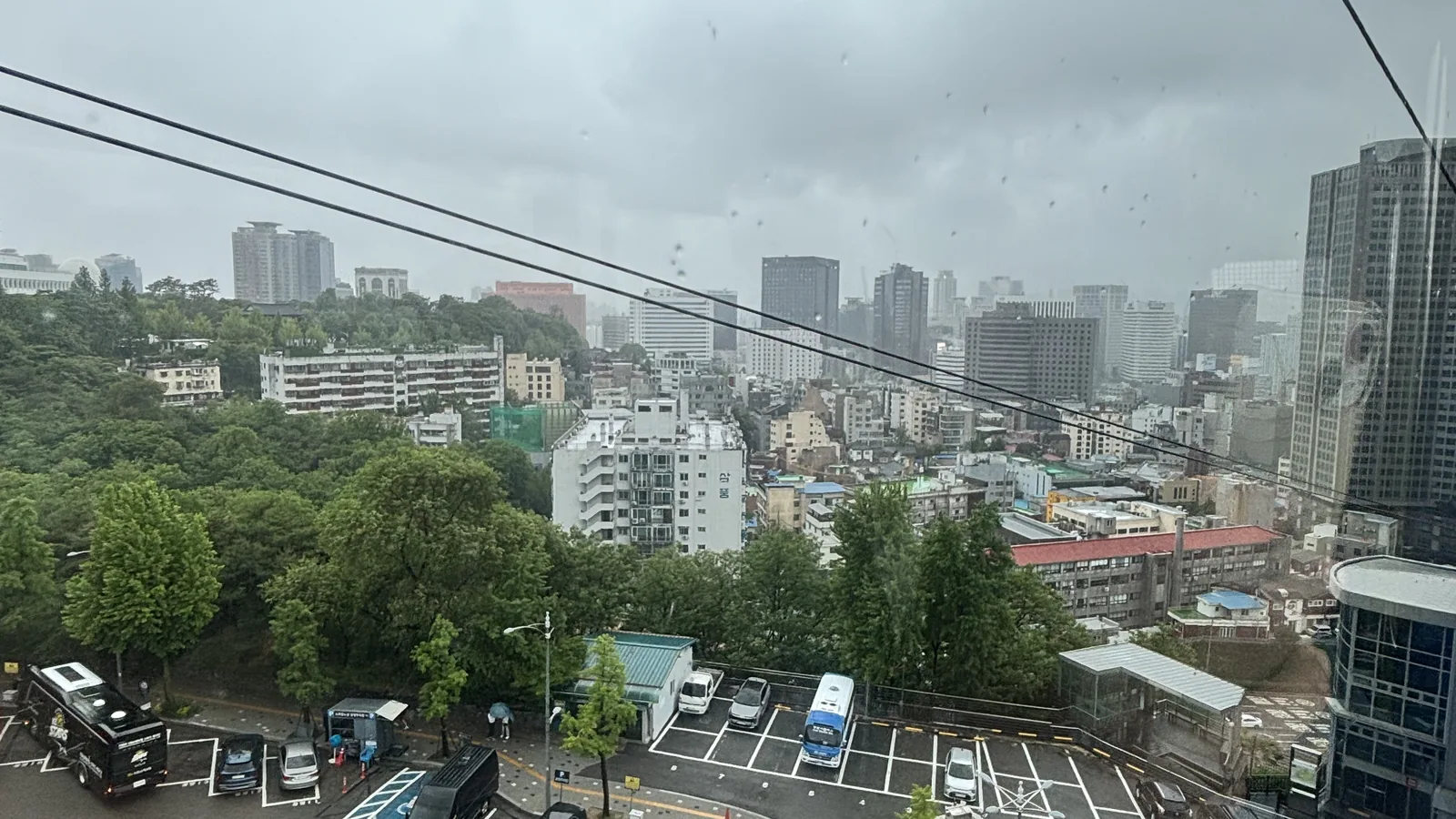
On the way back down, if you still have energy, swing through Namdaemun Market, Seoul’s huge old wholesale market, for cheap eats and a noisy, deeply local atmosphere. If your feet are done, save it — there is more market time built into Day 7. The honest truth is that two big things plus a tower sunset is a full day, and there is no shame in calling it after the view.
Day 3: Hongdae, Cafes to Nightlife
Hongdae is the young, creative university district, and it is best experienced as a single day that slides from caffeine in the morning to music at night. Start slow with the cafes, because Hongdae does themed, design-led coffee shops better than almost anywhere. Then spend the afternoon poking through indie fashion shops, record stores, and the kind of quirky boutiques you will not find back home.
As the light fades, the streets fill with food carts and the area’s famous buskers — singers, dancers, the occasional full band — turning the main pedestrian drag into a free open-air show. Grab a paper cup of tteokbokki or a hotteok, find a spot on the steps, and just watch for a while. This is the part of Seoul that feels youngest, and it costs you nothing but the snacks.
If you want to push into the night, Hongdae has the bars and live-music venues to do it, and it is one of the safer, friendlier places to be out late as a visitor. But you do not have to. Some of my favourite Hongdae evenings ended at 9pm with a full stomach and a song stuck in my head. Read it by your own energy — there is no wrong way to do this district.
Day 4: Seongsu, Concept Stores and Pop-Ups
Seongsu is the old shoe-factory district that turned into Seoul’s coolest cafe-and-design neighbourhood, and a half-to-full day here is the modern counterweight to your palace day. Brick warehouses now hold flagship concept stores, brand pop-ups that change every few weeks, and roasteries that take their coffee very seriously. It is browsy, walkable, and refreshingly low-pressure.
Here is where the Korea-versus-Australia gap really hits me. In Sydney, a proper cafe crawl plus shopping plus a gallery would be a whole weekend mission with a car and a lot of parking stress. In Seoul I can do all of it on foot in one Seongsu afternoon and be back across the river for dinner. The density of this city is its quiet superpower, and Seongsu is where you feel it most.
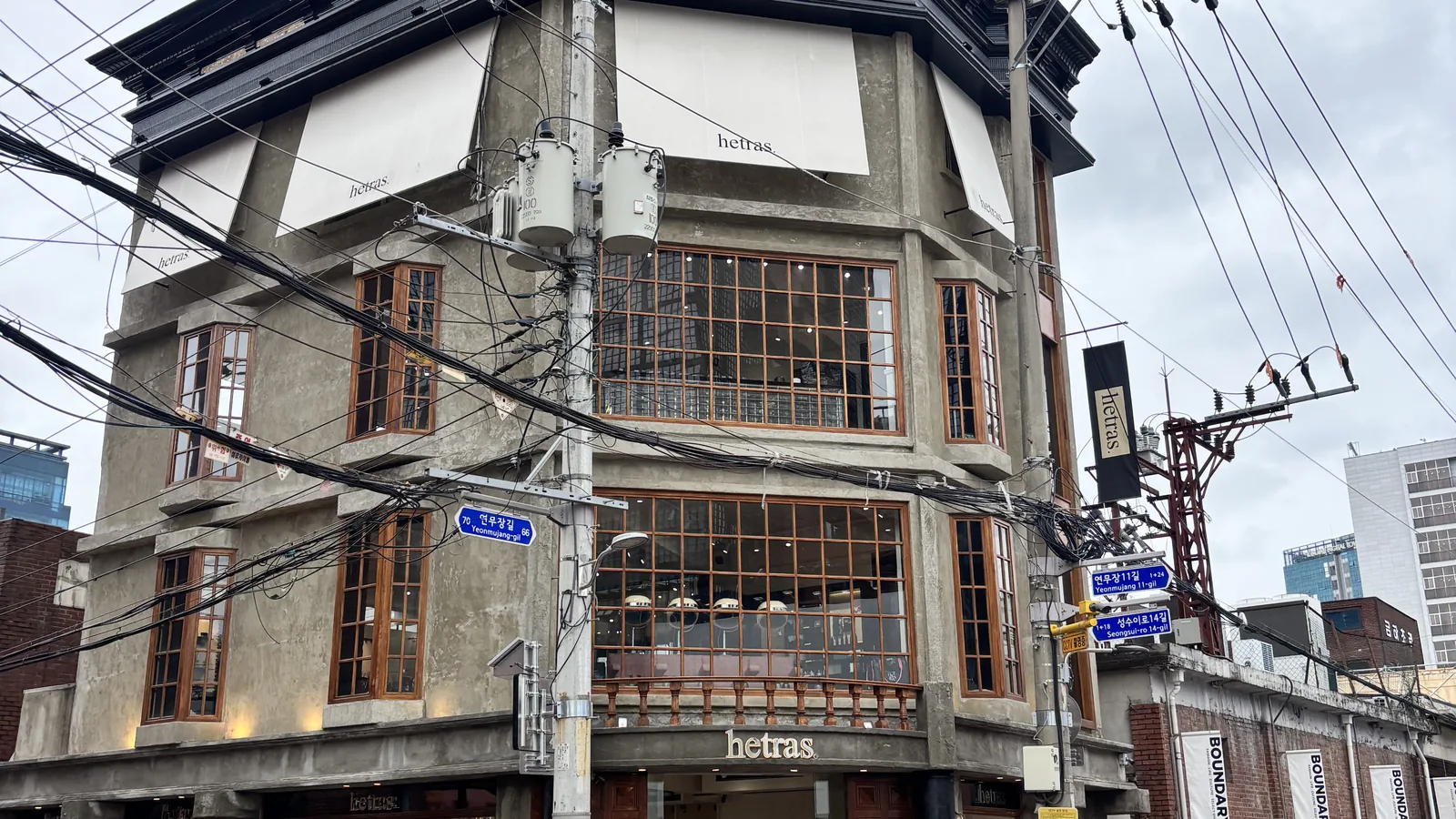
Because the pop-ups rotate constantly, do not over-plan this day — half the fun is stumbling into whatever brand has taken over a warehouse this month. Pick one or two cafes you actually want, and let the rest unfold. If you want a proper map of the standout spots, my Seongsu-dong travel guide walks through the cafes, stores, and pop-up streets in detail.
Day 5: Gangnam and Modern Seoul
Gangnam is the glossy, high-rise south side, and it is the day you trade old lanes for wide boulevards and serious shopping. This is modern Seoul at its most polished: department stores, flagship beauty and fashion outlets, and the enormous COEX Mall with its photogenic Starfield Library tucked inside. It is a great rainy-day fallback too, since so much of it is indoors and connected.
Spend the day shopping at whatever pace suits you, with breaks for the excellent department-store food halls, which are a destination in their own right. Gangnam is also where you see the Seoul that the world recognises from K-pop and K-drama — sleek, fast, and a little show-offy in the best way. You do not need to spend a fortune; window-shopping here is its own kind of sightseeing.
For dinner, go for a spicy rice cake hot pot, the bubbling communal pan of tteokbokki loaded with noodles, fish cake, and egg that is pure comfort food. It is the perfect end to a day on your feet. For more on the district’s shopping, dining, and layout, my Gangnam travel guide covers where to go and what is actually worth your time.
Day 6: Jamsil, Lotte World and the Han River
Jamsil, further south-east, is the day you give yourself permission to be a big kid by the river. The anchor is Lotte World, a sprawling theme park that is half indoors and half outdoors, so it works in most weather and is genuinely fun even for adults travelling without children. Plan to give it most of the day if rides are your thing.
Right next door sits Seokchon Lake, a calm walking loop that is glorious in cherry-blossom season, and the towering Lotte World Tower, one of the tallest buildings in the world. The Seoul Sky observation deck near the top gives you a dizzying, glass-floored look down at the city and the Han River curling through it. It is the modern bookend to your Namsan view from Day 2.
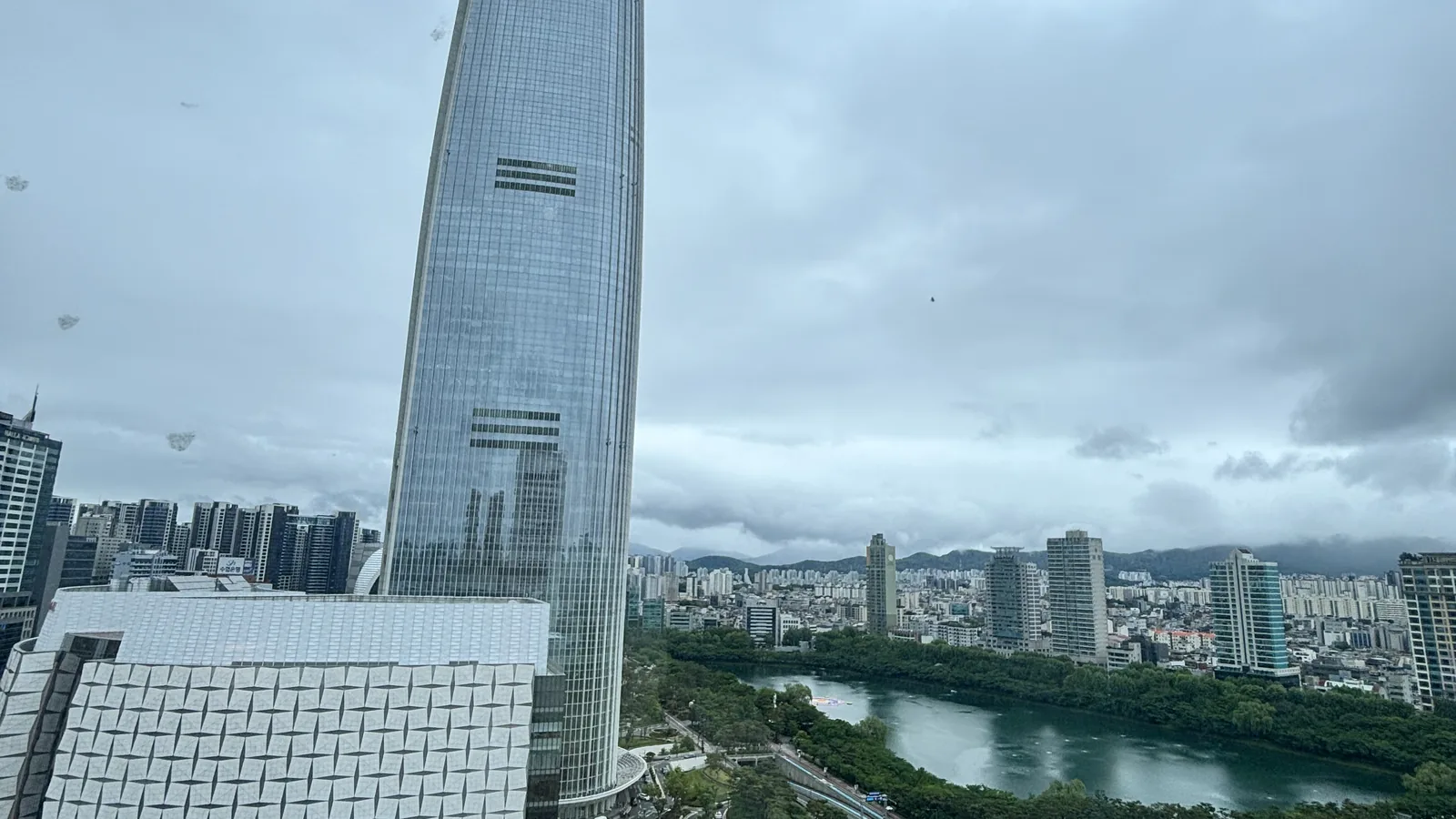
Wind the day down at the riverside. The Han River parks near Jamsil are made for exactly this — grab a convenience-store beer or a delivered fried chicken, sit on the grass, and watch the bridges light up. It is one of the most beloved local rituals in the city, and it costs almost nothing. My guide to the Han River experience has the full rundown on picnics, bike rentals, and the best spots to settle in.
Day 7: Markets and a Flexible Finish
Your last full day is deliberately loose, because by now you know what you love and what you can skip. My default plan is a morning food crawl at Gwangjang Market, the legendary old market famous for bindaetteok (mung bean pancakes), mayak gimbap, and live-octopus-if-you-dare. Go hungry, eat at the stalls standing up, and let the chaos wash over you — it is the most gloriously local breakfast in the city.
After that, the day is yours. Use it to mop up any leftover shopping you have been eyeing all week, return to a neighbourhood you loved, or take an easy day trip out of the city if you are craving a change of scene. There is no single right answer here, and that flexibility is the whole point of saving it for the end.
However you spend the daylight, I would close your Seoul week back by the Han River one more time. Find a bench, watch the city slow down, and let the trip land. A week here goes fast, but if you have followed this relaxed pace, you will leave full rather than frazzled — which is exactly how Seoul deserves to be seen.
Getting Around: T-money and the Subway
The first thing to do after you land is buy a T-money card, the rechargeable transit card that works on every subway, bus, and most taxis in the city. You can grab one at any convenience store or station machine, top it up with cash, and tap your way around for a week without thinking about tickets. It is the single best small purchase of your trip.
Seoul’s subway is clean, cheap, punctual, and signposted in English, which makes it the backbone of this whole itinerary. A typical ride costs only a little over ₩1,400, and here is my honest Sydney comparison: a short hop on the Opal network back home can run me close to $4.40, so Seoul’s fares feel almost free by contrast. For maps and directions, download Naver Map or KakaoMap rather than relying on Google Maps, which is hobbled for walking and transit directions in Korea.
A few practical notes that save grief. Taxis are cheap, metered, and easy to hail or call through an app, so do not be afraid to take one when your feet give out. Buses are great but harder for first-timers, so lean on the subway until you find your confidence. And tap your T-money card both getting on and off — the system charges by distance, and forgetting the tap-out costs you extra.
Where to Stay by Area
Where you base yourself matters more than almost any other planning decision, because the right neighbourhood shaves dead time off every single day. For a first trip following this itinerary, I steer people toward the central downtown spine, somewhere around Myeongdong, Jongno, or Euljiro. You will be within walking distance of the palaces and Namsan, and the subway lines that fan out from there reach everywhere else on this plan.
If you skew younger and want nightlife on your doorstep, Hongdae is a lively, walkable base with good airport-train access, though it can be noisy late. If you are here mainly to shop and want the polished side of the city, Gangnam or the area near COEX puts you in the thick of it, but expect higher prices and a longer ride to the old palaces.
Whatever you choose, prioritise being a short walk from a subway station over getting a slightly nicer room further out. In a city this spread out, a five-minute walk to the line beats a fifteen-minute one every morning of your trip. I learned that the hard way on an early visit, lugging a suitcase up a hill in August, and I have never made the mistake since.
Rainy-Day Swaps
Seoul rain, especially in the summer monsoon stretch, can be heavy, so it pays to have indoor swaps ready rather than forcing an outdoor day. The good news is that this city is built for bad weather, with vast malls, museums, and underground shopping arcades that connect straight to the subway. A wet day rarely means a wasted one.
The easiest swap is to pull your Gangnam day forward, since COEX Mall, the department stores, and the Starfield Library keep you dry and busy for hours. Lotte World on the Jamsil day is largely indoors too, so it survives rain better than most theme parks. For a culture-heavy rainy morning, the National Museum of Korea and the many free gallery spaces around the city are excellent and uncrowded in bad weather.
Save the palace day, the Namsan view, and the Han River evening for the clearest skies you get, because those are the ones the weather can genuinely ruin. Check the forecast each night and shuffle the order — the beauty of a relaxed week is that nothing here is locked to a specific day. Pack a cheap umbrella from any convenience store and you are set.
FAQ
Is one week enough to see Seoul?
Yes, a week is genuinely enough for a first visit if you pace it sensibly. This Seoul 1 week itinerary covers the palaces, the main neighbourhoods, the river, and the markets while still leaving room to slow down. You will not see every single thing, but you will see the city properly and leave wanting to come back, which is exactly the right way to finish a first trip.
How much should I budget for a week in Seoul?
It varies hugely with your style, but Seoul is friendlier on the wallet than most big cities. Transport is cheap at a little over ₩1,400 a ride, street food and market meals are inexpensive, and many of the best things, like the palaces’ grounds, the Namsan plaza, the buskers, and the Han River parks, are free or nearly so. Your biggest variable costs will be your hotel, shopping, and any theme-park tickets.
What is the best way to get around Seoul?
Buy a T-money card on arrival and use the subway as your backbone — it is clean, cheap, fast, and signed in English. Top the card up at convenience stores or station machines, and tap both on and off since fares are distance-based. Use taxis when your feet are tired, since they are cheap and metered, and download Naver Map or KakaoMap for directions rather than Google Maps.
When is the best time to visit Seoul?
Spring (April to May) and autumn (September to November) are the sweet spots, with mild weather, clear skies, and either cherry blossoms or autumn colour. Summer is hot and humid with a monsoon rain stretch, while winter is cold but quieter and beautifully lit. If you want the best odds for the Namsan and Han River days on this itinerary, aim for autumn.
Do I need to speak Korean to follow this itinerary?
No, you can follow this whole week comfortably with no Korean. Subway signs, major restaurants, and tourist areas have English, younger people often speak some too, and translation apps cover the rest. Learning a few polite words like “annyeonghaseyo” (hello) and “gamsahamnida” (thank you) goes a long way, but they are a kindness, not a requirement.
My Thoughts
If you take one thing from this Seoul 1 week itinerary, let it be the permission to slow down. The version of this trip that people remember years later is never the one where they ticked off the most boxes. It is the one where they sat in a Seongsu cafe too long, lingered for one more song in Hongdae, or watched the bridges light up over the Han River with a cold drink in hand.
I come home to Seoul once a year, and every time I am struck by how much you can do here with so little friction — palaces before lunch, cafes by afternoon, a river picnic by night, all stitched together by a subway that just works. After twenty years of comparing it to my life in Sydney, I still think this is one of the most effortless great cities in the world to be a visitor in.
So build the slack in, follow the days that excite you, drop the ones that do not, and trust that a week is plenty. Seoul is not going anywhere, and neither is your invitation to come back. Show up with curiosity and a charged T-money card, and the city will do the rest.
Ready to Plan Your Seoul Week?
Bookmark this itinerary and read it alongside the area guides below as you build your days. The best decision you can make is to keep each day in one neighbourhood and leave a little room to wander — that single habit is the difference between a frantic week and a trip you will be quietly homesick for. Match the outdoor days to the clearest skies, buy your T-money card the moment you land, and let the rest unfold.
🗓️ A week in Seoul — what does it actually cost?
Seven days in Seoul is the sweet spot for most travellers. It’s also when your budget decisions — where to stay, where to eat, what to book — really start to add up.
Plan your full week in Seoul with a real cost estimate →