Disclosure: This post contains affiliate links. If you purchase through these links, I may earn a small commission at no extra cost to you. I only recommend products I personally use and trust.
It is just past 11am, my coffee is still warm, and I am standing at Seongsu Station deciding which way to turn — and after years of doing this I no longer have to think about it. This Seongsu-dong shopping guide is that route written down — how I actually move through the neighbourhood, zone by zone, instead of wandering until my feet give out. The shopping here looks chaotic, but it has a clear pattern once someone shows it to you.
Why Seongsu Is Seoul’s Best Shopping Neighbourhood
Seongsu used to be a district of shoe factories, printing workshops, and small metalworks. The rents were cheap and the buildings were raw, with high ceilings and freight doors. Then the cafes came, then the brands, and within a few years the old factory blocks turned into one of the densest shopping zones in Seoul.
What makes it special is not any single store. It is the mix packed into a ten-minute walk. On one street you get a luxury pop-up, a Korean fashion flagship, a tiny vintage shop, and a K-beauty store with a billboard on the roof. Nowhere else in Seoul layers those things so tightly.
That density is exactly why a plan helps. Without one, you backtrack constantly and burn your afternoon on the walking. With one, you can hit flagships, pop-ups, and small concept shops in a single loop and still have energy for dinner. For the wider neighbourhood picture, my Seongsu-dong Seoul travel guide maps the streets, the stations, and how to build a full day around the shopping.
I think of Seongsu as four shopping personalities sharing one neighbourhood: pop-ups, flagships, K-beauty, and concept or vintage. Knowing which one you actually want saves you hours. Most visitors try to do all four with no order and end up doing none of them well. The whole point of this Seongsu-dong shopping guide is to give you that order before you arrive.
My Real Seongsu-dong Shopping Route
On my last shopping day I arrived at Seongsu Station just after 11am on a Wednesday, coffee already in hand. I walked a rough figure-eight that took about five hours, with two cafe stops built in, and I covered maybe seven kilometres without ever feeling like I doubled back.
I start on the main flagship street while my legs are fresh, because that is where the big, busy stores sit. Then I cut toward the pop-up plaza around the black mesh tower for whatever happens to be open that week. I finish on the quieter side streets where the K-beauty shops and small concept stores live, because by then I want to browse slowly, not fight a crowd.
In Sydney, a serious shopping day means a Westfield, a paid car park, and one type of store under one roof. In Seongsu I bounce between a Korean streetwear flagship, a Dior pop-up, and a ₩12,000 vintage tee in the space of an hour. That variety per square kilometre is the real luxury here — a mix of stores I have never found packed this tightly anywhere else.
By mid-afternoon my bag was heavier and my feet were complaining, but the loop worked. One flagship street, one pop-up cluster, one quiet side-street zone. Three zones is the sweet spot. Four feels greedy, and you stop enjoying the browsing.
The Three Zones I Shop in Seongsu
This is the heart of how I read Seongsu. I split the neighbourhood into three shopping zones, each with its own mood and its own best time of day. Treat them as separate chapters of your loop rather than one long blur, and the whole area suddenly makes sense.
Zone 1: The main-street flagships
The main shopping street is where the big Korean and global flagships line up shoulder to shoulder. This is your New Balance Seongsu, Musinsa Standard, and ADERERROR territory — full-scale stores with proper stock, fitting rooms, and architecture built to be photographed. I always do this zone first, while my energy is high and the stores have just opened. The crowds here build fast, so a flagship that is calm at 11am can be a scrum by 2pm. Buy the things you genuinely came for in this zone, because the range is widest and the staff actually know their stock. I once talked myself out of a New Balance pair here, regretted it on the flight home, and have never under-bought in this zone since. Flagships are also the most “Australia-friendly” part of Seongsu, in that prices are fixed, sizing is clear, and you can browse without any pressure to buy.
Zone 2: The pop-up plaza
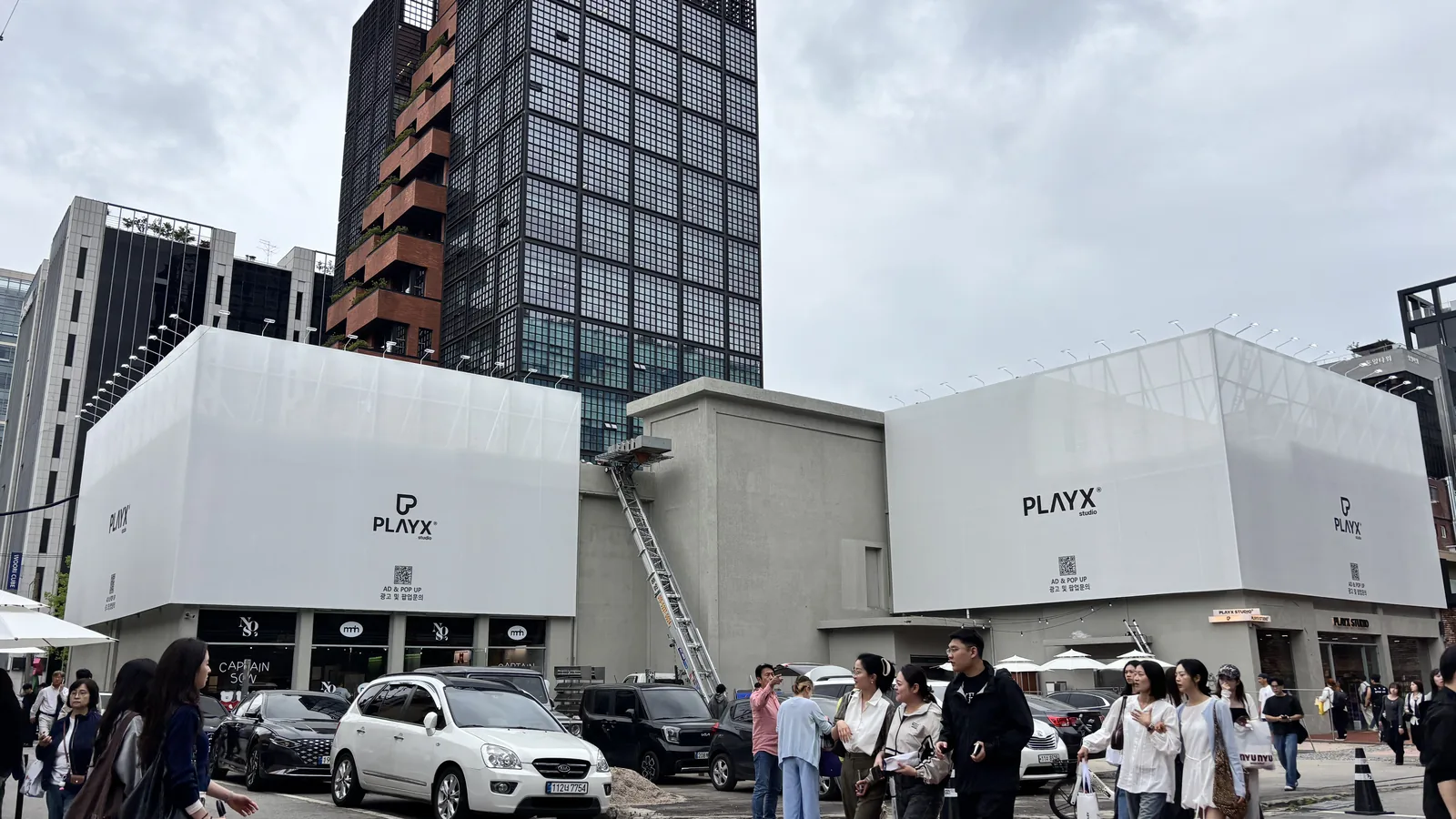
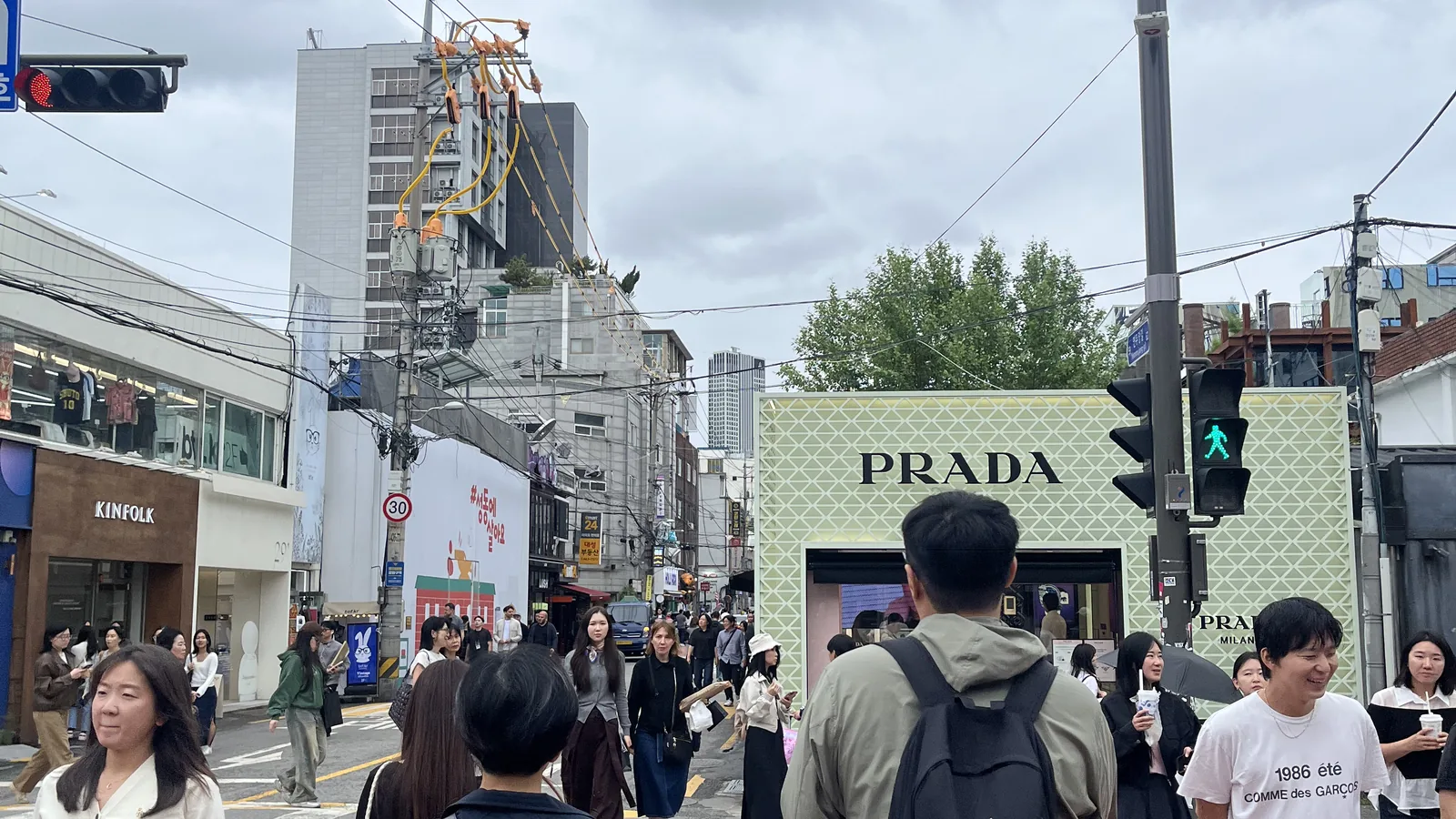
The second zone is the pop-up cluster around the PLAYX plaza and the black mesh tower. This is the unpredictable heart of Seongsu, where brand pop-ups open, run for two weeks, and vanish. What is here changes constantly, so I never plan it too tightly — I just check what is open that week and queue for the one anchor pop-up I actually want. Luxury houses like Dior and Prada have set up some of their most photographed spaces in this part of the neighbourhood. Most pop-ups are free to enter, but the big ones use timed reservations, so a thirty-second check the night before saves a wasted trip. For the full breakdown of which pop-ups earn their queues, I keep a separate guide, and the rotating nature means I treat this zone as the surprise of the day rather than the backbone of it.
Zone 3: The K-beauty and concept side streets
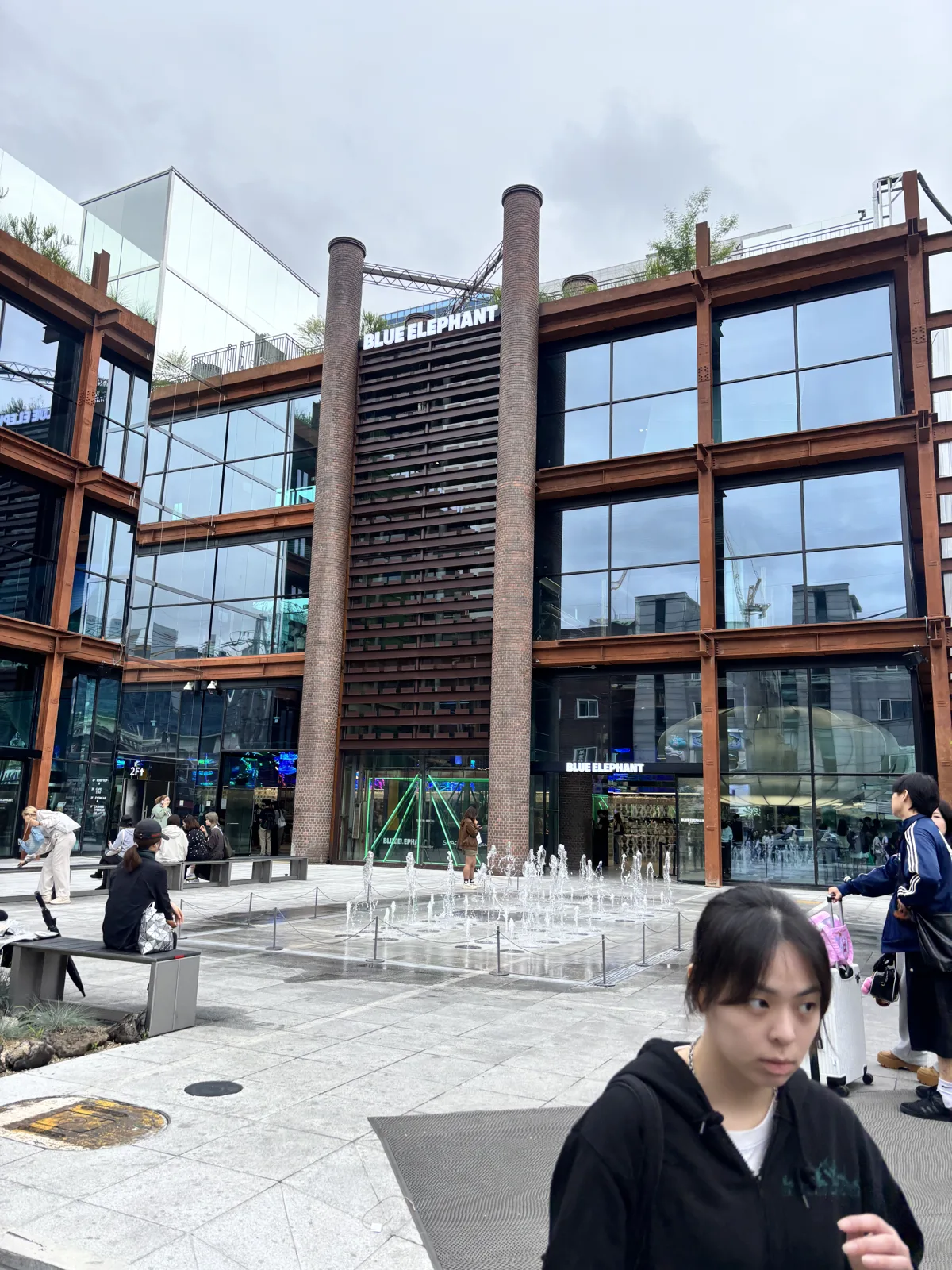
The third zone is the quieter web of side streets where K-beauty stores, concept shops, and vintage racks live. This is where I slow right down. The K-beauty flagships here — suncare, makeup, skincare brands with big rooftop billboards — are calmer than the main street and far calmer than the pop-up plaza. Mixed in are stationery shops, curated second-hand fashion, and tiny accessory stores that reward patient browsing. I save this zone for last because by mid-afternoon I want to wander, not push through a crowd. This is also the zone where I spend the least per item and somehow come home with the most. A ₩4,000 sample set here, a ₩15,000 vintage shirt there, and suddenly your bag is full of the souvenirs you will actually keep.
Budgeting Your Shopping in Won and Aussie Dollars
Money is where a lot of visitors get caught out, so let me be concrete with real numbers. A flat white in Seongsu runs about ₩6,000, which is roughly AUD 7 at today’s rate. The subway in and out is ₩1,400 a tap, a fraction of a Sydney Opal fare. Those small costs barely register, so the real budgeting is about the shopping itself.
For a comfortable shopping day I budget around ₩150,000 to ₩250,000, or roughly AUD 175 to 290. That covers two coffees, lunch, and a realistic mix of one bigger flagship purchase plus a handful of small K-beauty and vintage finds. Korean flagship fashion is not cheap, but it is often cheaper at source than the same label imported into Australia, which is part of why I shop it here.
The genuine savings are in K-beauty and concept shopping. Suncare, sheet masks, and small skincare buys that cost a premium in a Sydney pharmacy are everyday prices here. I routinely come home with a year of sunscreen for what two bottles would cost me back home. If you only have a tight budget, spend it in Zone 3 and just window-shop the flagships.
One practical tip: carry a little cash for the smallest vintage and stationery shops, but tap your card everywhere else. Korea is overwhelmingly card-friendly, and most stores take foreign cards without a blink. I keep ₩30,000 in cash for the tiny shops and never need more than that.
Seongsu Shopping Zones Comparison Table
| Zone | What You Find | Best Time | Typical Spend | Best For |
|---|---|---|---|---|
| Main-street flagships | New Balance, Musinsa, ADERERROR — full stores | Late morning | ₩50,000–150,000 per item | Serious purchases, sizing |
| Pop-up plaza | Rotating brand pop-ups, Dior and Prada spaces | Weekday morning | Free entry; varies | Photos, surprise, browsing |
| K-beauty and concept side streets | Skincare flagships, vintage, stationery, accessories | Afternoon | ₩4,000–20,000 per item | Souvenirs, gifts, K-beauty hauls |
Tips for a Smarter Seongsu Shopping Day
After more shopping loops than I can count, a few habits separate a great day from a frustrating one. None of these are complicated, but each one has saved me time, money, or sore feet.
- Shop the zones in order: Flagships first, pop-ups second, side streets last. It tracks your energy and the crowd patterns perfectly.
- Go on a weekday if you can: Weekend afternoons turn the pop-up zone into a wall of people. A Tuesday gives you the same shops at half the stress.
- Wear shoes for seven kilometres: You are covering real ground between zones, not strolling a mall. This is not the day for new sandals.
- Decide your big buy before you go: Know the one flagship item you actually want so the variety does not paralyse you.
- Save K-beauty for last and budget for it: It is where the genuine value sits, and you will buy more than you expect.
- Book one anchor activity: When you want a guaranteed highlight that does not depend on a queue, a reserved slot at the Seongsu photo studio experience gives the day a fixed centre point to build the shopping around.
Where to Rest and Refuel Between Shops
The walking between zones is where Seongsu quietly wins you over, and the rest stops are half the fun. The side streets are full of cafes, bakeries, and small galleries, so the gaps in your shopping day fill themselves if you let them.
My favourite habit is to break the loop with a proper coffee. Seongsu basically invented Seoul’s industrial-cafe look, and a twenty-minute sit-down resets both your feet and your spending discipline. I keep a running shortlist in my best cafes in Seongsu-dong guide for exactly these mid-shop pauses. When the queues and crowds peak, my guide to things to do in Seongsu-dong on a weekend shows where the streets thin out so you can keep moving.
If you would rather have something booked and structured between the unpredictable pop-ups, two options work well. A Seongdong-gu half-day highlights tour gives you a guided loop of the area, and the UNIU ring-making workshop is a calm ninety minutes that makes a nice contrast to the shopping crowds.
For planning details and store hours, it is always worth checking an official source — Visit Seoul keeps a running calendar of pop-ups and events across the city, and Visit Korea covers transport and seasonal opening times you can trust.
FAQ
What is the best area for shopping in Seongsu-dong?
Seongsu has three main shopping zones: the main-street flagships, the pop-up plaza around the black mesh tower, and the quieter K-beauty and concept side streets. The best area depends on what you want. For serious fashion buys, start on the flagship street. For free, photogenic brand experiences, head to the pop-up plaza. For K-beauty and small souvenirs, the side streets give you the best value.
How much should I budget for a Seongsu-dong shopping day?
For a comfortable day I budget around ₩150,000 to ₩250,000, or roughly AUD 175 to 290. That covers two coffees, lunch, one bigger flagship purchase, and a handful of small K-beauty and vintage finds. Coffee runs about ₩6,000 and the subway is ₩1,400 a tap, so the real budgeting is about the shopping itself, not the getting around.
Is Seongsu shopping cheaper than other parts of Seoul?
Korean fashion flagships are not budget shopping, but they are often cheaper at source than the same brand imported abroad. The genuine savings in Seongsu are in K-beauty, where suncare, masks, and skincare cost everyday prices that would be a premium in a Sydney pharmacy. If money is tight, spend in the K-beauty side streets and window-shop the flagships.
How many hours do I need to shop Seongsu properly?
Plan for four to five hours if you want to cover all three zones with cafe stops built in. My usual loop runs about five hours and roughly seven kilometres on foot. You can do a lighter version in two to three hours by picking just one zone, but the neighbourhood rewards a slower, full-day approach.
Do I need cash or is card enough for shopping in Seongsu?
Card is enough almost everywhere, and most stores accept foreign cards without trouble. I carry around ₩30,000 in cash only for the smallest vintage and stationery shops, which occasionally prefer it. For flagships, K-beauty stores, cafes, and the subway, tapping a card or phone is the easiest way to pay.
My Thoughts
If you take one thing from this Seongsu-dong shopping guide, let it be that Seongsu is the rare neighbourhood where shopping feels like exploring rather than chores. That is what keeps me coming back with every visiting friend in tow. The exact stores change from trip to trip, but the three-zone rhythm holds, and once you have it, you stop wandering and start enjoying.
My honest advice is to pick one zone you genuinely care about and let the day build out from there. If you love fashion, anchor on the flagship street. If you love beauty, anchor on the side streets. The worst Seongsu shopping days are the ones where someone tries to do everything and ends up exhausted with a half-empty bag.
And when your feet are done and your card is tired, remember the neighbourhood’s whole promise: a great coffee and a place to sit are never more than a five-minute walk away.
Planning Your Seongsu Shopping Day?
Give your day one guaranteed highlight that does not depend on a crowd. The Seongdong-gu half-day highlights tour and the UNIU ring-making workshop are the two I would book first — both sell out on weekends.