Disclosure: This post contains affiliate links. If you purchase through these links, I may earn a small commission at no extra cost to you. I only recommend products I personally use and trust.
The first time I brought my Australian husband to eat Myeongdong street food, he spent ₩15,000 in ten minutes on things he could barely finish and missed the two stalls I actually rate. That is the trap of this street. I grew up in Korea and have lived in Sydney for twenty years, so I walk these alleys the way a local does — knowing exactly which cart is worth queuing for, which one is a tourist tax with a photogenic flame, and how to eat the whole row without ruining your dinner.
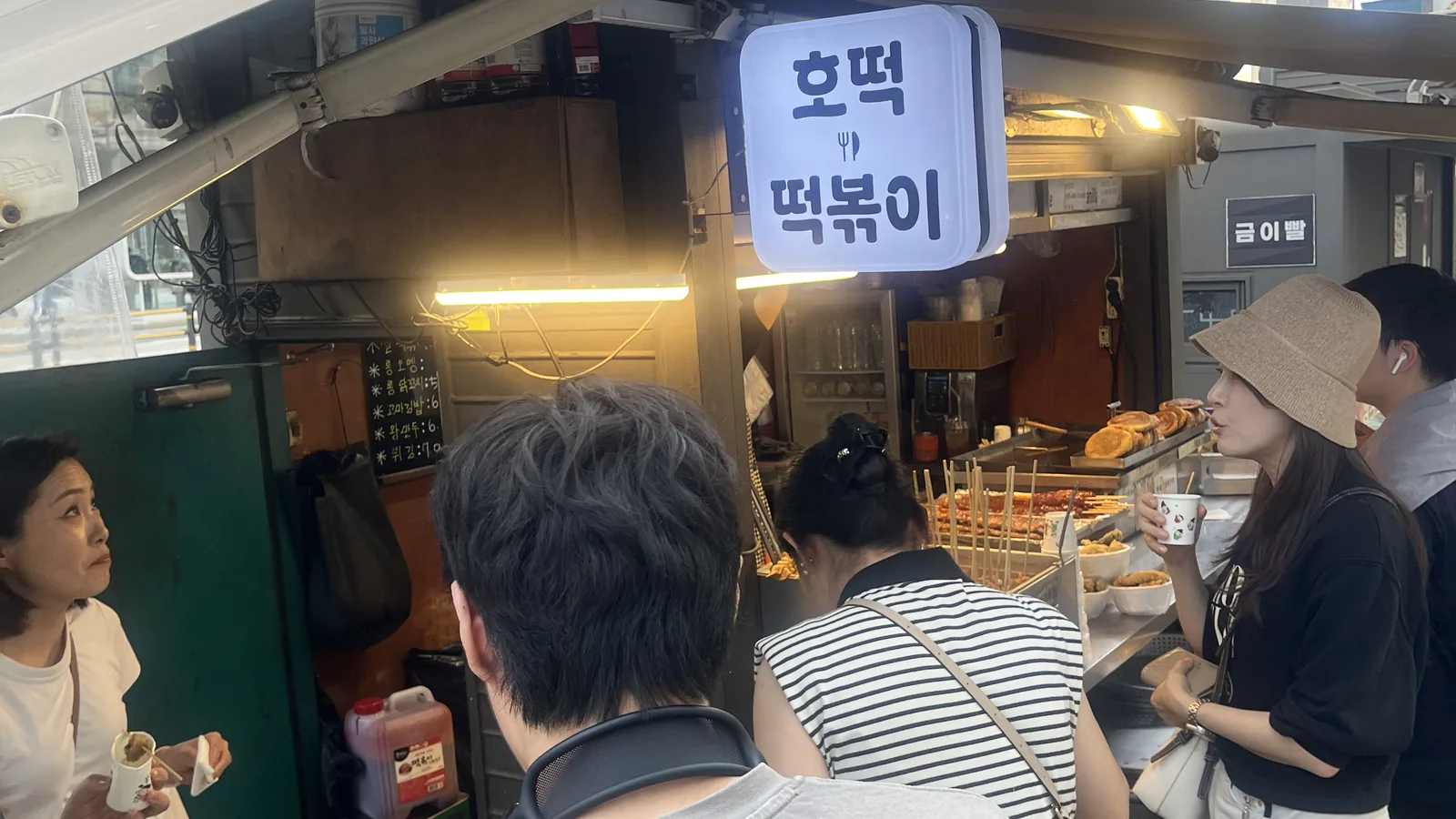
Why Myeongdong Became a Street-Food Stage
Myeongdong has been Seoul’s shopping street for visitors for as long as I can remember. When I was a teenager it was already where tour buses dropped off, and food carts naturally followed the crowds. The street food here is not the everyday food Koreans eat at home — it is the carnival version, built for people walking, browsing, and snacking with one hand.
That distinction matters. The carts cluster on the main pedestrian drag near Myeongdong Station, and they lean hard into spectacle. You will see flames, towers of cheese, lobster on the grill, and potato spiralled onto a stick. It is theatre as much as dinner. Locals like me grew up eating tteokbokki and hotteok, but the grilled-lobster-on-a-cart version is squarely a tourist-era invention.
None of that makes it bad. Some of it is genuinely delicious, and a few stalls are things I crave even now. The skill is separating the carts that are worth your won from the ones charging ₩10,000 for a photo. After enough trips, I can tell at a glance which is which, and that is most of what this guide is about.
If you want the bigger picture of how this street fits into a full day in the area, my Myeongdong travel guide maps out the station exits, the shopping, and how to pace the whole neighbourhood around your eating.
My Honest Myeongdong Street-Food Crawl
On my last visit I treated the street like a tasting menu. I tapped out of Myeongdong Station around 6pm on a Friday, when the carts were just lighting up, and gave myself ₩20,000 and an empty stomach. By 7:30pm I had eaten at five stalls, walked the row twice, and made notes on my phone like the food nerd I am.
The first lesson is pacing. Tourists buy the biggest, flashiest thing first, fill up, and then drag themselves past the good stuff too full to care. I do the opposite. I start small and savoury, leave the sweet things for last, and never buy two of anything until I have walked the whole street once. That single habit saves money and stomach space.
Here is my honest Korea-versus-Australia moment. In Sydney, a night market is a rare weekend event you drive to, queue thirty minutes for one stall, and pay $14 for a paper boat of dumplings. In Myeongdong I ate five different snacks in ninety minutes, spent about ₩18,000 total, and tapped the subway home for ₩1,400. The density and the price are the luxury, and it still makes me laugh standing there with a ₩4,000 paper cup that would cost three times as much back home.
By the end my hands were sticky and my notes were a mess, but the pattern was clear. Two savoury, one grilled splurge, one sweet to finish, and you have done the street properly without wasting a single bite.
Myeongdong Street Food Stall by Stall
These are the carts I actually stop at, the ones I walk straight past, and the way I work the row like someone who lives here. I have eaten every one of these more times than I can count, so this is ranked by honest value, not by which one films best.
The snacks I always get
Gyeran-ppang, the little oval egg bread, is my non-negotiable. It is warm, slightly sweet, with a whole egg baked into a soft cake, and it costs around ₩2,000. It is filling, not greasy, and it travels well in your hand while you keep walking. Hotteok is my second must — a chewy fried pancake stuffed with brown sugar, cinnamon, and crushed seeds, usually ₩2,000 to ₩3,000. The Myeongdong version is often the seed-packed “ssiat” style, and on a cold evening it is genuinely one of my favourite things in Seoul. Tteokbokki rounds out my core three: chewy rice cakes in a sweet-spicy gochujang sauce, ladled into a paper cup for about ₩4,000. Get it from a cart with high turnover so the sauce is fresh and the rice cakes are soft, not gluey.
The overrated ones
I will be honest with you about the carts I skip. The grilled lobster and giant scallop with cheese look incredible and cost ₩15,000 to ₩20,000, which is restaurant money for something you eat standing up off a stick. The flavour rarely matches the price, and the cheese masks more than it adds. The tornado potato — a whole spiralled potato on a skewer — is pure photo bait; it is fine, but it is just fried potato with seasoning powder for ₩4,000 to ₩5,000. The giant 32cm soft-serve cones and the cheese-pull everything follow the same rule: built for the camera, not the palate. None of these are scams exactly, but they are where tourists quietly overspend.
How to eat the stalls like a local
The local move is to graze, not to feast. We buy one small thing, eat it while walking, and decide the next stall based on what we just had. Koreans rarely sit; the whole point is mobility. I always carry a few small bills and some ₩100 coins, because fishing for change holds up the line and the vendors move fast. I also watch where the actual Koreans queue — if a cart has a local line and not just a tour group, that is the one. For a calmer, sit-down follow-up after the street, the Seongsu-dong Seoul travel guide has the cafe-and-brunch culture that pairs perfectly with a Myeongdong grazing night.
Prices, Cash, and How Much to Bring
Most Myeongdong street food sits between ₩2,000 and ₩5,000 per snack, with the grilled-seafood and novelty carts jumping to ₩15,000 or more. For a satisfying graze across four or five stalls, I budget ₩15,000 to ₩20,000 per person and almost always come in under that if I skip the lobster.
Cash is still king on this street, even though Korea is otherwise astonishingly cashless. Many carts now take card or a tap of T-money, but plenty still prefer cash, and the busiest ones move faster when you have exact change ready. I pull ₩30,000 in small notes from an ATM before I start, and that is plenty for a full evening with leftovers.
One quiet tip on value: prices are not fixed across the row. The same gyeran-ppang can be ₩1,500 at one cart and ₩2,500 fifty metres later, purely down to foot traffic. I walk the whole street once before buying anything, partly to plan and partly to clock the prices. It feels obsessive, but it is exactly how a local avoids the marked-up corner carts that bank on tired, hungry tourists.
Myeongdong Street Food Comparison Table
| Snack | What It Is | Typical Price | My Verdict |
|---|---|---|---|
| Gyeran-ppang | Sweet egg bread with a whole egg baked in | ₩2,000 | Always get it |
| Hotteok | Fried pancake with brown sugar and seeds | ₩2,000–3,000 | Best on a cold night |
| Tteokbokki | Rice cakes in sweet-spicy sauce, in a cup | ₩4,000 | Buy from a busy cart |
| Tornado potato | Spiralled whole potato on a skewer | ₩4,000–5,000 | Photo bait, optional |
| Grilled lobster/scallop | Seafood with melted cheese on a cart | ₩15,000–20,000 | Overpriced, skip it |
Hygiene, Timing, and How to Order
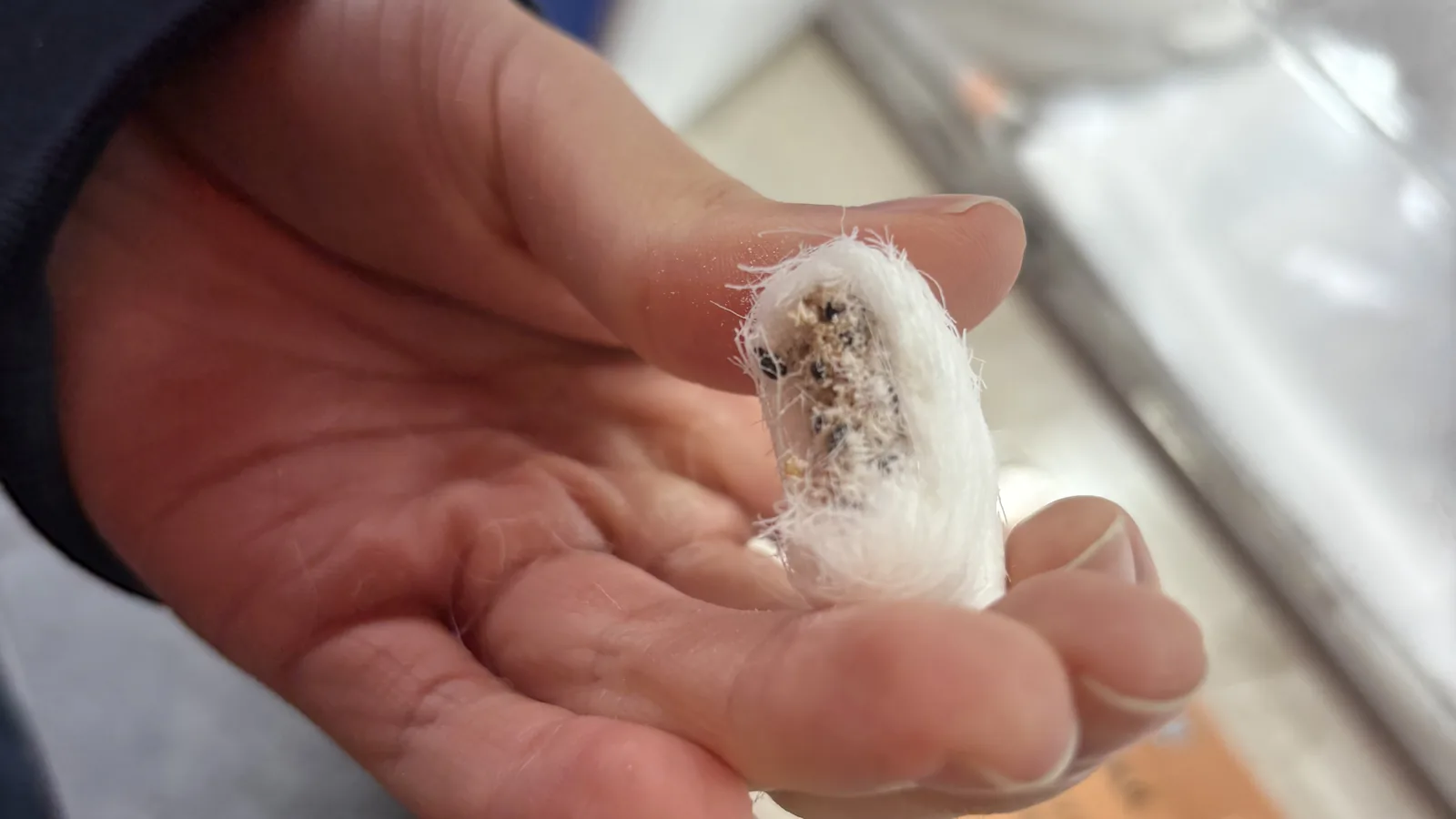
Most Myeongdong street food is cooked to order, so the carts here are generally clean, but turnover is your best signal. A stall with a constant queue cooks fresh and fast, so the food has not been sitting under a lamp. I avoid carts where the tteokbokki sauce has gone dark and crusty at the edges, or where the fried things look like they have waited an hour for a customer.
Timing changes the whole experience. The street properly comes alive from around 5pm, peaks between 7pm and 9pm, and most carts pack up by 10pm or 11pm. Weekends are shoulder-to-shoulder; a weekday evening is far more pleasant and the queues are shorter. If you hate crowds, come right as the stalls open and you will have the row almost to yourself.
Ordering is simpler than it looks, even with no Korean. Point, hold up fingers for the quantity, and have your cash ready. Most vendors deal with tourists all day and will quote the price on a calculator or their fingers. A quick “juseyo” (please) goes a long way, and nobody expects more than that. For a deeper rundown of payment, T-money, and tax-refund mechanics across the whole area, my Olive Young Myeongdong guide covers how cards, cash, and refunds actually work a few doors down.
Where to Eat Beyond the Stalls
As much as I love the carts, I never make street food my whole dinner. The snacks are perfect for grazing, but Myeongdong and the streets around it have proper sit-down food that deserves a slot in your day too. I usually graze the stalls early, then settle somewhere warm for the real meal.
If you want something hands-on rather than just eating, a couple of booked experiences pair beautifully with a street-food night. A traditional Korean cooking class with a hidden alley tour teaches you to make the dishes you have been eating off the carts, which is the kind of souvenir that lasts. If you are vegetarian and the meat-heavy stalls feel limiting, a Gwangjang Market vegan food tour is a guided way to eat well at Seoul’s most famous market without the guesswork.
And when your feet finally give out after a night of standing and eating, a foot massage is the most Korean way to recover. A booked Myeongdong Beauty Skyview Spa massage is right in the area and exactly what I want after a grazing crawl. For official guidance on Seoul’s markets and food scene before you go, both Visit Seoul and Visit Korea keep useful, current listings.
FAQ
What is the best Myeongdong street food to try first?
Start with gyeran-ppang, the sweet egg bread, and hotteok, the seed-stuffed fried pancake. Both are cheap at around ₩2,000, filling, and easy to eat while walking. They give you the authentic flavours locals grew up with before you spend more on the flashier novelty carts. Tteokbokki is the third classic worth getting from a busy stall.
How much money should I bring for Myeongdong street food?
Budget ₩15,000 to ₩20,000 per person for a satisfying graze across four or five stalls. Most snacks cost ₩2,000 to ₩5,000, while grilled-seafood and novelty carts jump to ₩15,000 or more. I pull about ₩30,000 in small notes from an ATM beforehand, since many carts still prefer cash.
Can I pay by card for Myeongdong street food?
Some carts now take card or a tap of T-money, but many still prefer cash, especially the busiest ones. Cash with small notes and a few coins keeps the line moving and avoids awkward moments at the carts that are cash-only. I always carry both so I am never stuck at a stall I want to try.
What time does Myeongdong street food open?
The carts start setting up around 5pm, peak between 7pm and 9pm, and most pack up by 10pm or 11pm. Weekday evenings are far less crowded than weekends. If you want shorter queues and a calmer street, arrive right as the stalls open in the early evening.
Is Myeongdong street food safe to eat?
Yes, it is generally clean and safe, especially at carts with high turnover that cook fresh and fast. Choose stalls with a steady queue and avoid any where the food looks like it has been sitting out under a lamp. A constant local line is the best sign that a cart is fresh and worth your money.
My Thoughts
Myeongdong street food is the carnival version of the food I grew up on, and I make peace with that every time I visit. It is not where I would take you for the most authentic meal of your trip, but it is one of the most fun hours you can have in Seoul, and a few of the carts are genuinely brilliant.
My honest advice is to graze with discipline. Walk the whole street once, start with the cheap savoury classics, save one sweet thing for last, and let the grilled-lobster carts pull in the tourists who do not know better. Spend your won on the egg bread and the hotteok, not the cheese-pull spectacle, and you will eat better and pay less.
And when you have grazed your way to the end of the row, remember that the best meal of your Myeongdong night is probably still ahead of you, sitting down, somewhere warm.
Planning Your Myeongdong Food Night?
Turn a snack crawl into a proper experience. A traditional Korean cooking class with a hidden alley tour teaches you to make the dishes you have been eating, and a Myeongdong Beauty Skyview Spa massage is the perfect recovery afterwards — both sell out on weekends.