Disclosure: This post contains affiliate links. If you purchase through these links, I may earn a small commission at no extra cost to you. I only recommend products I personally use and trust.
Food is often described as the soul of a culture, and in Korea, that statement feels especially true. Having lived in Australia for more than two decades, I’ve learned to appreciate how much a nation’s food reflects its identity. In Melbourne, brunch cafés with avocado toast and flat whites define weekend rituals. In Sydney, seafood by the harbor speaks to a lifestyle close to nature. Korea, however, tells its story differently—through bustling night markets, hanok tea houses, coastal seafood feasts, and creative cafés that seem to reinvent themselves every season.
This Korea Food Travel Guide 2026 is more than a list of dishes. It’s about my own experiences rediscovering Korea as both an insider and outsider—someone who grew up here but also views it through the lens of an Australian way of life. Whether you’re slurping hot noodles at a Busan market, sipping matcha in a hidden Seoul alley, or savoring bibimbap in Jeonju, each bite becomes a bridge between tradition and modernity, between past memories and present discoveries.
Seoul: Where Tradition Meets Trend
Whenever I land in Seoul, my first instinct is not to rest but to eat. Seoul has an energy that pulls you into its streets, and nowhere is this more evident than in its food.
👉 Seongsu-dong Seoul Travel Guide: The Neighbourhood I Keep Coming Back To picks up exactly on this — every time i land in seoul, seongsu-dong is on my list before i even check into the hotel, and it goes from there.
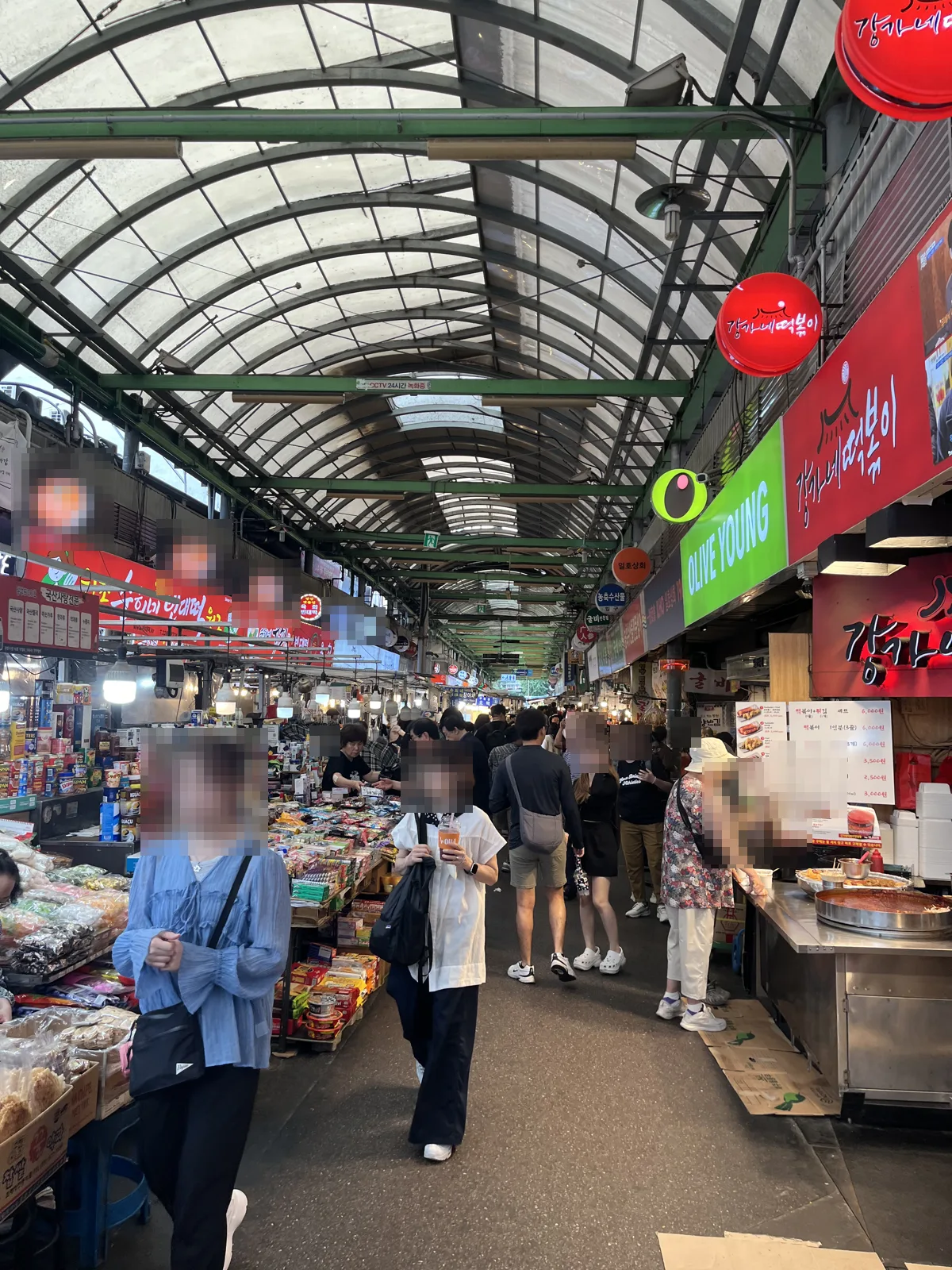
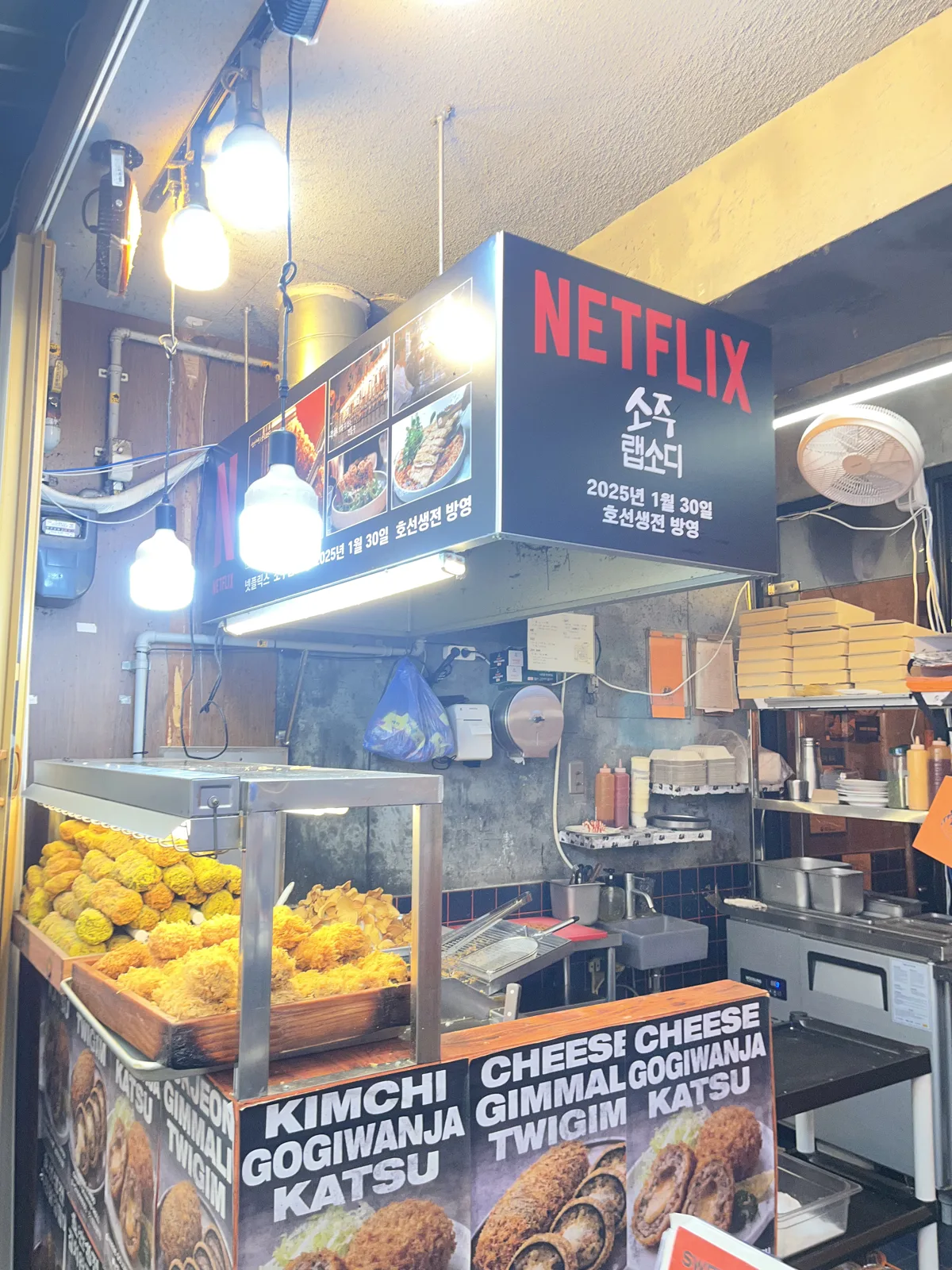
Gwangjang Market – A Feast of Smells and Sounds
On my last visit, I entered Gwangjang Market around noon. The air was thick with the smell of sesame oil and sizzling mung bean pancakes. Vendors called out with friendly insistence, and the sound of knives chopping kimchi echoed down the crowded aisles. I ordered bindaetteok (mung bean pancake) from a stall recommended by a friend, and the crispy edges with the nutty, savory filling reminded me of potato fritters I used to eat in Melbourne markets—but heavier, more satisfying, and deeply communal.
Another must-try is mayak gimbap, those addictive bite-sized seaweed rice rolls. I laughed at the name, which literally translates to “drug gimbap,” because of how irresistible they are. As I dipped them into mustard sauce, I realized that Korean street food thrives on playfulness—turning simple snacks into memorable experiences.
Café Hopping in Ikseon-dong and Samcheong-dong
What struck me most in Seoul wasn’t just the food itself but the café culture. In Australia, cafés are steady institutions. A Melbourne café might exist for decades, serving the same espresso blend. In Seoul, cafés pop up, reinvent, and sometimes vanish in the space of a year. In Ikseon-dong, I stumbled into a boutique café serving yuzu cheesecakes on minimalist ceramics, while next door a tea shop infused matcha lattes with charcoal for dramatic effect.
In Samcheong-dong, I found small art-filled cafés tucked into hanok houses, each one a hybrid between gallery, library, and dessert shop. Sitting there with a green tea latte, I realized how Korea’s café scene is less about routine and more about discovery. Every visit feels like opening a new chapter in an endless book.
Nights in Itaewon and Hongdae
Evenings in Seoul are for adventure. In Itaewon, I had dinner at a halal-friendly Korean BBQ spot, where the scent of grilled beef mingled with spices I recognized from Indian curries. This inclusivity struck me—Seoul adapts not only for locals but for global visitors. In Hongdae, I ended the night at a craft beer bar, sampling a pale ale brewed with local citrus. The atmosphere reminded me of Melbourne’s laneway bars but with a louder, youthful heartbeat.
For more on planning your city food adventures, check my Seoul Travel Hacks for First-Timers (internal link).
Busan: Where the Sea Defines the Table
If Seoul is dynamic and fast-paced, Busan is laid-back, with food that reflects its maritime soul.
Jagalchi Fish Market – Eating with the Waves
Walking into Jagalchi Market, the largest seafood market in Korea, was overwhelming even for me. Rows of tanks filled with live crabs, octopuses writhing on trays, and vendors yelling over one another created a sensory overload. I chose a stall where the owner filleted fresh flounder and served it raw within minutes. Eating sashimi while watching the ocean outside reminded me of Sydney’s fish markets—but here, the intimacy of choosing, bargaining, and eating on the spot was uniquely Korean.
Nearby in Nampo-dong, I tried ssiatt hotteok—sweet pancakes stuffed with seeds and brown sugar syrup. The crunch of sunflower seeds mixed with molten sweetness was unforgettable. I thought of the simpler pancakes from Australian fairs and realized how Korean street food layers textures and surprises in ways I rarely see back in Australia.
Haeundae Cafés – Coffee with a Horizon
Cafés in Haeundae Beach offered a different vibe: modern interiors with wide glass windows framing the endless sea. I sat in “Cafe Geum” one afternoon, sipping an iced latte while the horizon stretched endlessly. Unlike Seoul’s bustling cafés, here time slowed down. The waves became part of the drink, making me reflect on how location can transform even the simplest coffee.
Affordable Eats at Gukje Market
Busan also reminded me that delicious food doesn’t have to be expensive. At Gukje Market, I paid only ₩6,000 for a steaming bowl of milmyeon (wheat noodles). It was tangy, refreshing, and perfect for a hot day. Comparing this to the price of a bowl of noodles in Sydney, the affordability struck me—Korea’s food culture is democratic, ensuring that even budget travelers can eat like royalty.
For cultural context, see the Seoul Metro 2026 Guide , which helps link markets like these with easy subway travel.
Jeonju: Where Tradition Lives in Every Bowl
If Seoul is about diversity and Busan about the sea, Jeonju is about heritage. Often called Korea’s food capital, Jeonju is where recipes feel like they have been passed down for generations.
Bibimbap at Jeonju Hanok Village
The first spoonful of Jeonju bibimbap I ever tried was unforgettable. Served in a heavy stone bowl, the mix of rice, vegetables, egg, and chili paste wasn’t just balanced—it was alive. The crunch of bean sprouts, the warmth of gochujang, the earthiness of mushrooms—it all came together like a symphony. In Australia, I’ve had bibimbap at Korean restaurants, but Jeonju’s version felt different, infused with authenticity and pride.
Hanok Cafés and Slow Afternoons
Wandering through Jeonju Hanok Village, I ducked into a café housed in a wooden hanok. The creak of the floorboards, the aroma of roasted barley tea, and the view of tiled rooftops transported me centuries back. I realised how rare it is in Australia to find cafés so intertwined with history. There, modern cafés often erase the past; in Korea, they often embrace it.
Modern Desserts, Local Twists
Jeonju surprised me with its creativity too. At a local café, I tried makgeolli ice cream, a playful twist on Korea’s rice wine. Sweet, slightly tangy, and creamy, it was unlike anything I’d tasted before. Fusion desserts like this highlight Korea’s ability to honor tradition while experimenting boldly.
My Suggested 3-Day Food Trail
If you want to dive deeper into Korea’s culinary heritage beyond these cities, the Visit Korea Official Travel Guide provides updated information on seasonal food festivals and nationwide dining spots.
If you want to combine these experiences, here’s how I’d do it:
- Day 1 Seoul: Morning at Gwangjang Market, afternoon café in Ikseon-dong, dinner in Itaewon.
- Day 2 Busan: Start with Jagalchi sashimi, street snacks in Nampo-dong, afternoon at Haeundae café, finish with noodles at Gukje.
- Day 3 Jeonju: Hanok Village stroll, bibimbap lunch, tea house in the afternoon, modern dessert café to end the trip.
🥘 Eating your way through is step one — these two turn it into a skill:
Gwangjang Market street-food tour — a guide who knows which stall’s bindaetteok is worth the queue. You eat more, waste less, and get the stories between bites.
traditional Korean six-dish cooking class — learn the home-style spread in a hidden-alley kitchen, then fly home able to recreate the trip on a Tuesday night.
(affiliate links)
FAQs
Q1. Is Korean street food safe for tourists?
Yes, hygiene standards are high, and food is freshly prepared. Stick to busy stalls for the best turnover.
Q2. How expensive is café culture in Korea?
A coffee typically costs ₩4,000–₩6,000 ($3–5), similar to Australian prices but often with more elaborate presentation.
Q3. What is the best season for a Korea food trip?
Spring and autumn are ideal—cool weather for street markets, warm enough for outdoor dining.
Q4. Are vegan or halal options available?
Yes, especially in Seoul’s Itaewon and Busan’s international districts, where halal-friendly BBQ and vegan cafés are common.
Q5. How many days are enough for a Korea foodie tour?
At least 5–7 days to experience Seoul, Busan, and Jeonju comfortably.
Final Thoughts: Eating Your Way Across Korea
Here’s what I’d tell a friend before they go: don’t try to plan every meal. Korea rewards the hungry wanderer — the best bowl of the trip is usually the one you stumbled into.
Anchor each city around one signature — Seoul’s late-night pojangmacha, Busan’s raw fish at Jagalchi, Jeonju’s bibimbap done properly — and improvise around it. Eat where the locals queue, and don’t skip the street food to “save room”; often the street food is the meal.