Table of Contents
- Introduction
- Choosing Ingredients: Finding the Balance Between Authenticity and Local Substitutes
- The Brining Process
- Preparing the Kimchi Paste
- Fermentation: The Living Magic of Kimchi
- Sharing Kimchi: Between Cultures
- Cooking with Kimchi
- Tips for Beginners
- Final Thoughts: Seoul Meets Sydney
Introduction
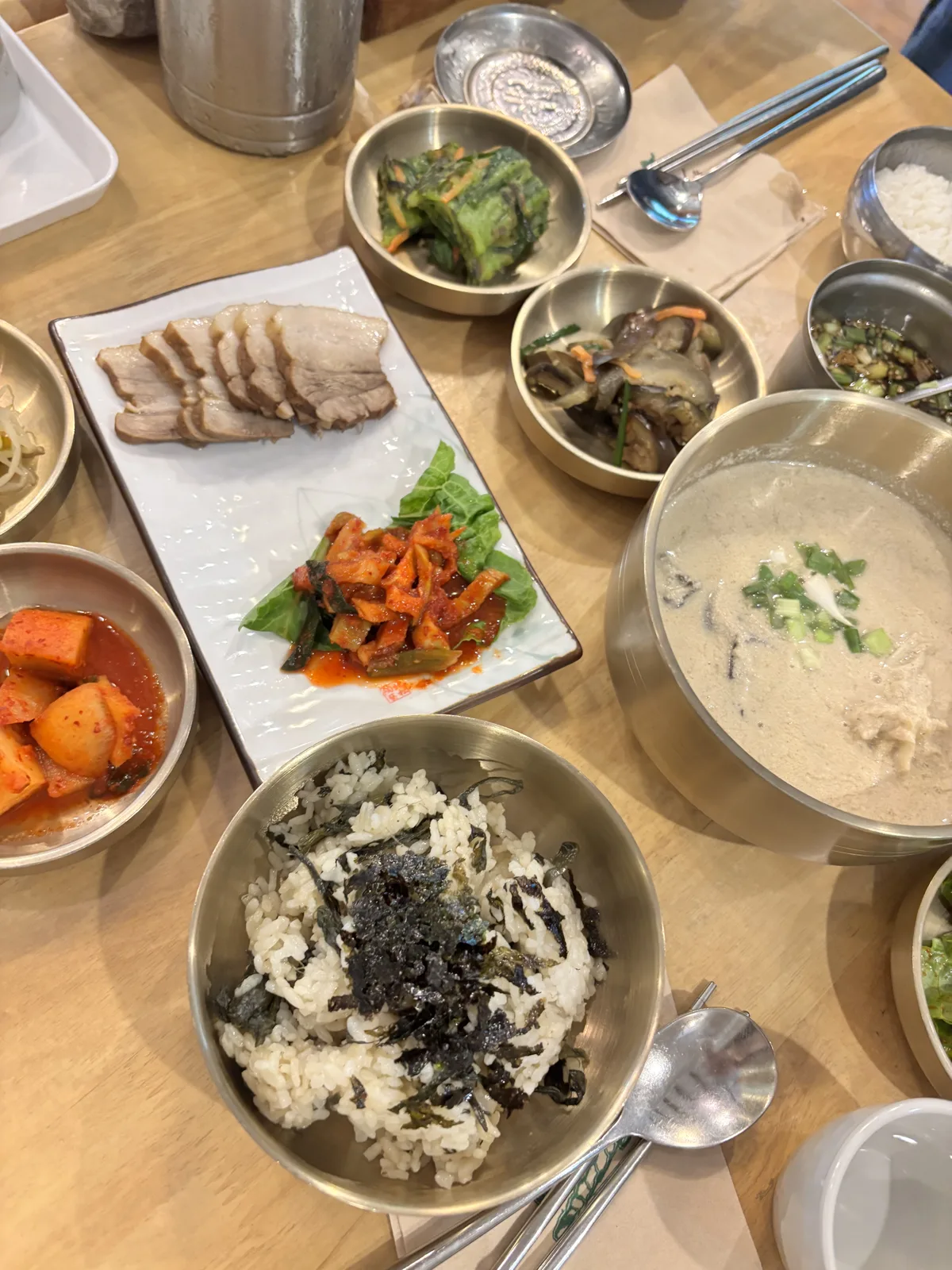
If you’ve ever wondered how to make kimchi at home, this guide shares everything from brining to fermentation. When people ask me what I miss most from Korea, my answer is almost always kimchi. Growing up in Seoul, I enjoyed a wide variety of kimchi—whether it was the crisp and spicy cabbage kimchi, the refreshing radish kimchi, or the mild white kimchi often served to children. After moving to Australia many years ago, I quickly realised that living without homemade kimchi was impossible.
Supermarkets here do sell jars labelled “kimchi,” but to someone raised in a Korean household, those versions taste flat and lack the depth of authentic fermentation. That’s why I started learning how to make kimchi at home, not only to satisfy my own cravings but also to introduce a little bit of Korean tradition to my Australian friends. Over the years, I’ve refined my recipe based on the ingredients I could source locally, while keeping the essence of what makes kimchi so special.
Choosing Ingredients: Finding the Balance Between Authenticity and Local Substitutes
The foundation of kimchi is napa cabbage. In Korea, it’s inexpensive and available in every market, but in Australia, its price fluctuates depending on the season. Fortunately, wombok—a very similar type of cabbage—is commonly available in local supermarkets and works beautifully for kimchi. The crunch and freshness of the cabbage determine the quality of your final batch.
Other essential ingredients include:
- Coarse sea salt for brining
- Korean chilli flakes (gochugaru)
- Fish sauce or salted shrimp (saeujeot)
- Garlic, ginger, scallions, and sometimes a pear for sweetness
In Sydney, I’ve noticed a growing interest in vegan diets, so I often prepare a vegan-friendly kimchi by replacing fish sauce with soy sauce or powdered kelp. Interestingly, many of my Australian friends, who were initially hesitant about traditional kimchi, have become regular fans of this version. It’s a reminder that kimchi is adaptable while still maintaining its cultural soul.
The Brining Process
This is the step that truly transforms raw cabbage into the canvas for kimchi flavours. When I first made kimchi abroad, I underestimated the importance of brining. I rushed it, and the result was limp, bland cabbage. My mother, when I told her, laughed and reminded me: “Good kimchi begins with patience.”
Here’s the key: soak the cabbage in saltwater for 6–8 hours, turning it occasionally to ensure every leaf softens evenly. In colder Korean winters, families sometimes brine overnight. In warmer Australian weather, 6 hours is usually enough. When the cabbage bends easily without snapping, you’re ready to move on.
Preparing the Kimchi Paste
The spicy paste is the heart of kimchi. I usually blend garlic, ginger, and onion into a smooth base, then add fish sauce, chilli flakes, and a little sugar. To this, I mix julienned radish and scallions for texture. The smell fills the kitchen instantly, and for me, it always brings back memories of family gatherings in Korea.
One important lesson: always wear gloves when mixing the paste into the cabbage. I once forgot and spent the evening with burning red hands. Now, whenever I prepare kimchi, I see those gloves as part of the ritual.
Fermentation: The Living Magic of Kimchi
After coating every cabbage leaf with the paste, pack the pieces tightly into a glass jar or airtight container. Leave it at room temperature for 1–2 days, depending on the season, then transfer it to the fridge. This is where kimchi becomes alive—fermentation transforms the flavours into that perfect balance of sour, spicy, and savoury.
In Korea, many households have special kimchi refrigerators that keep fermentation at just the right temperature. Living in Australia, I’ve learned to monitor the jars carefully, especially during summer when fermentation speeds up dramatically. Once, I left a jar out too long, and the lid popped off from gas buildup. It was messy, but it taught me to “listen” to kimchi as it ferments.
👉 Planning to taste authentic kimchi in Korea? Visit my Gwangjang Market Seoul Guide 2026 to experience the country’s most iconic kimchi stalls and traditional food alleys.
Sharing Kimchi: Between Cultures
One of the joys of making kimchi abroad is sharing it with friends and family. Australians are often sceptical at first because of the strong aroma, but once they taste it—especially with barbecue or rice—they usually fall in love. Many health-conscious people here are fascinated by kimchi’s probiotic benefits. (If you’re curious, see research on fermented foods from Harvard School of Public Health.)
👉 Want to explore more Korean comfort foods? Check out my Seoul Korean BBQ Guide 2026 and see how kimchi perfectly complements sizzling meat and local flavours.
Sometimes, when I miss the lively food culture of Korea, I visit areas like Hongdae’s food streets or Korean BBQ in Gangnam whenever I travel back. Those places remind me how deeply kimchi is embedded in daily Korean dining. In Australia, my kitchen has become my little Gangnam corner, where kimchi sits at the centre of every meal.
Cooking with Kimchi
Kimchi isn’t just a side dish—it’s a base for countless recipes. I often make kimchi fried rice on busy weekdays, kimchi pancakes for gatherings, and kimchi stew in winter. Interestingly, some of my Australian neighbours now request “kimchi nights,” where we cook together and enjoy the flavours of Seoul here in Sydney.
👉 Curious about exploring Seoul’s latest café and food trends? Don’t miss my Seongsu Neighbourhood Guide 2026 for hidden bakeries, kimchi fusion cafés, and creative dining spots.
If you want to explore more about kimchi and its variations, BBC Good Food offers a clear introduction to the history and cooking tips.
Tips for Beginners
- Don’t be afraid to experiment. Your first batch may not be perfect, but it will still be kimchi.
- Invest in a large jar with a tight lid—it helps keep the smell contained.
- Adjust the chilli level for your audience. Some Australians prefer milder heat, and that’s okay.
- Keep a notebook. Every batch is slightly different, and writing down your process helps you improve.
Final Thoughts: Seoul Meets Sydney
Learning how to make kimchi at home has been more than a cooking adventure—it has been a cultural journey. In Korea, kimchi is a tradition. In Australia, it has become a story, a connection, and a way for me to share part of my heritage.
I’ve watched my children, who grew up here, treat kimchi as naturally as Vegemite. That blending of cultures is exactly what makes life abroad so rich. So whether you’re exploring the trendy cafés ofSeongsuor hosting a backyard barbecue in Sydney, kimchi is the perfect bridge between two worlds.
👉 Love exploring Seoul’s local life? Read my Myeongdong Street Food & Shopping Guide 2026 to experience how modern Korea balances tradition, flavour, and fashion.
If you’ve ever been curious about making kimchi, don’t just see it as following a recipe. Treat it as an experience, a way to create memories, and a conversation starter. The magic of kimchi is that it grows with you—whether you’re in Seoul, Gangnam, or right here in the suburbs of Australia.
Related Reads: Explore More Korean Food & Global Culture
Gwangjang Market Seoul Guide 2026 – Where Tradition Meets Flavour
Step into Seoul’s most historic market filled with bubbling tteokbokki pans, handmade dumplings, and the rich aroma of authentic kimchi.
Seoul Korean BBQ Guide 2026 – Best Restaurants by Neighbourhood
Discover how Seoul’s BBQ culture pairs perfectly with homemade kimchi and local drinks, from Gangnam rooftops to Hongdae streets.
Tteokbokki: Korea’s Spicy Street Food Icon You Can’t Miss
Experience Korea’s most beloved street snack and see how this fiery dish connects with kimchi in Seoul’s bustling markets.
Sydney BBQ & Outdoor Dining 2026 – Beachside Favourites for Foodies
Explore how Sydney’s open-air barbecue culture meets Korean flavours through fusion dishes and seaside gatherings.
Melbourne BBQ & Brunch Scene 2026 – From Laneways to Yarra River
A local’s take on Melbourne’s hidden BBQ spots, riverside brunch cafés, and how Australians enjoy kimchi-inspired sides.
Myeongdong Street Food & Shopping Guide 2026
Walk through Seoul’s most energetic district, where kimchi pancakes, tteokbokki, and K-beauty share the same streets.
Seongsu Café & Food Trends 2026 – Seoul’s Creative Neighbourhood
See how Korea’s newest café hotspot reinvents traditional flavours like kimchi and doenjang into modern recipes.
How Korean BBQ Became a Global Comfort – Seoul to Sydney & Beyond
See how Korean BBQ became a global Comfort
Pingback: Best Korean BBQ in Melbourne 2025 | Top 5 KBBQ Picks
Pingback: Best Korean BBQ in Sydney 2025 – Top AYCE & Late-Night Restaurants
Pingback: Korea Travel Guide 2025 | Seoul · Busan · Jeju · Food & Seasons
Pingback: Seoraksan Autumn Travel Guide 2025 | 7 Best Trails & Itinerary from Seoul
Pingback: Gwanghwamun Square Seoul Travel Guide 2025 | History & Tips
Pingback: Seoul Food Markets Guide 2025 – Best Traditional & Night Markets
Pingback: Korea Packing List 2025: 12 Must-Pack Items for an Unforgettable Journey
Pingback: Korea Food Travel Guide 2025 – Best Eats in Seoul, Busan & Jeonju