Disclosure: This post contains affiliate links. If you book through these links, I may earn a commission at no extra cost to you.
The best hotels in Seoul for international travelers make your trip smooth from airport arrival to check-out.
When you travel overseas, where you stay can shape the entire trip. In Seoul, this feels even more true because the city moves at a dizzying pace. From the moment you land at Incheon International Airport to the moment you settle into your hotel room, convenience matters. Choosing the right accommodation can mean the difference between a stressful arrival and a seamless, enjoyable stay. This guide to the best hotels in Seoul for international travellers will help you navigate options that cater specifically to global visitors, with airport transfers, multilingual staff, and traveller-friendly services.
Having currently lived in Australia for many years but grown up in Korea, I often notice how different hotel culture feels between the two countries. In Sydney or Melbourne, most hotels assume guests will handle things on their own — you rarely find complimentary shuttles or personalised concierge services unless you’re in a high-end property. In Seoul, even mid-range hotels are surprisingly accommodating, often offering airport bus stops right outside, and staff trained to handle English, Chinese, or Japanese guests with ease. This mix of Korean hospitality and international awareness makes Seoul stand out.
How I Picked These
A word on what this list is, because it matters. I have not stayed in every hotel here, and I am not going to write as though I have. What I can offer is the thing I actually have: two decades of flying between Sydney and Seoul, and a fairly stubborn sense of which parts of the city are easy to stay in and which quietly eat your time.
So I judge on four things, in this order.
- Where it sits on the subway map. A three-star hotel two minutes from a Line 2 station beats a five-star one that needs a taxi every time you leave.
- How you get there from the airport. Whether there is a limousine bus stop outside, an AREX connection, or a long taxi ride at the end of a fourteen-hour flight.
- What guests keep saying. Not the overall score so much as the complaints that repeat — thin walls, a reception that goes quiet after midnight, a breakfast that is not worth the add-on.
- Whether the price makes sense for the neighbourhood. Seoul rates swing hard by season, so I look at what a room costs relative to what being in that district actually buys you.
Where I have genuinely stayed somewhere, I write it up separately as its own review and say so at the top. This guide is the other thing: a shortlist built from location logic and other people’s reports, which is the honest version of what most hotel round-ups are doing anyway.
Table of Contents
- The Luxury Icons: The Shilla Seoul & Signiel Seoul
- Staying by Neighbourhood: Find Your Perfect Seoul Vibe
- Smooth Arrivals: Airport-Friendly Hotels
- Hotels with the Best Views of Seoul
- Practical Booking Tips for 2026
- Final Thoughts: How to Choose
- Related Reads on Unniespicking
The Luxury Icons: The Shilla Seoul & Signiel Seoul
If it’s your first time in Korea and you want an unforgettable stay, two names often come up: The Shilla Seoul and Signiel Seoul. I have not slept in either of them, so this is not a review — it is how I would choose between them, based on where they sit, what guests consistently report, and what each location costs you in travel time.
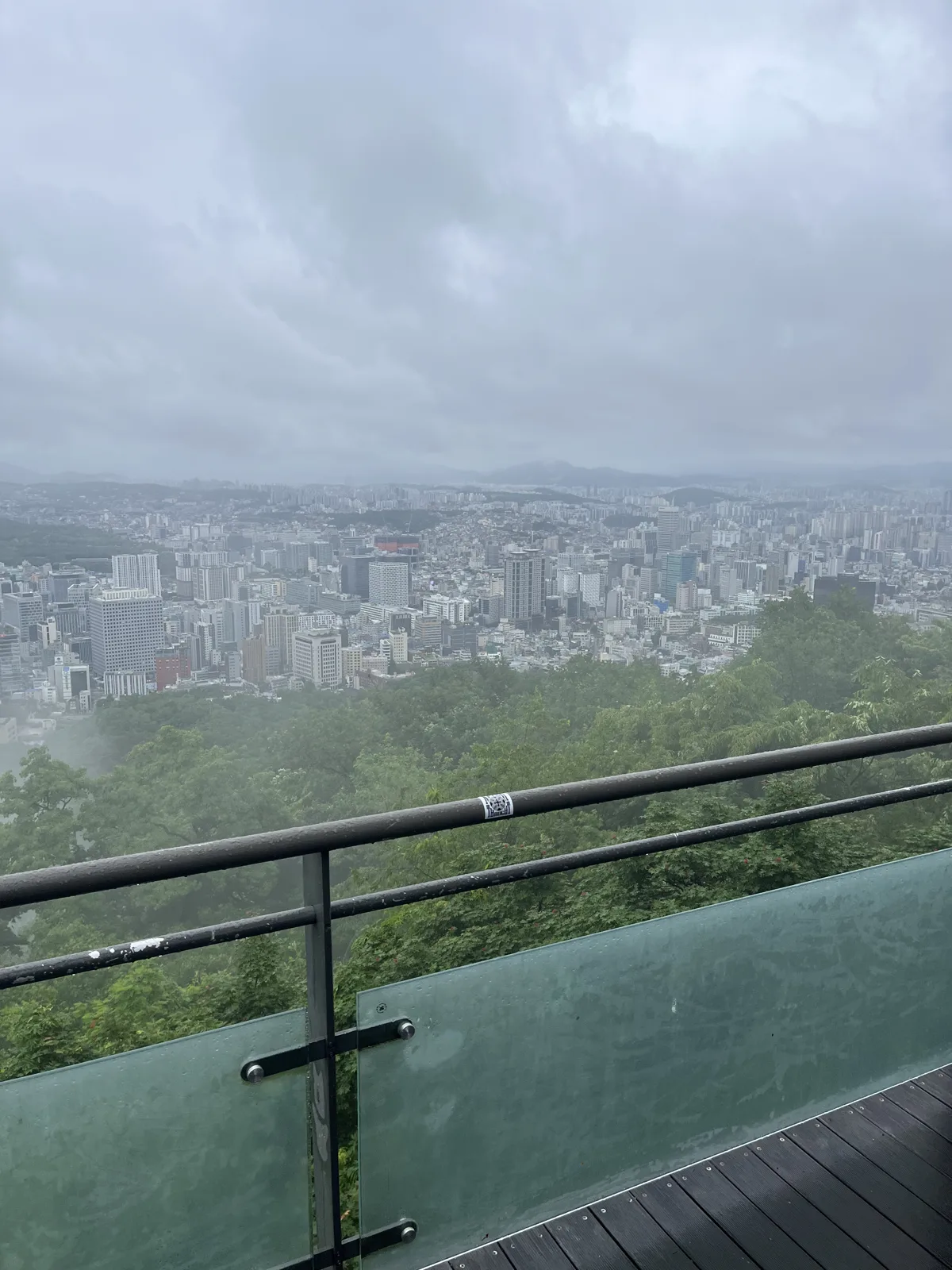
The Shilla Seoul sits on the slopes of Namsan, blending tradition and elegance. Its position means a green outlook rather than the wall of towers you get downtown, and it puts you within reach of the palaces and the old centre on foot or a short taxi ride. Its Michelin-starred restaurant La Yeon impressed even my Australian colleagues, who were used to fine dining but were stunned by the precision and depth of Korean royal cuisine. Shuttle buses to shopping areas like Myeongdong made it easy to balance luxury with local exploration.
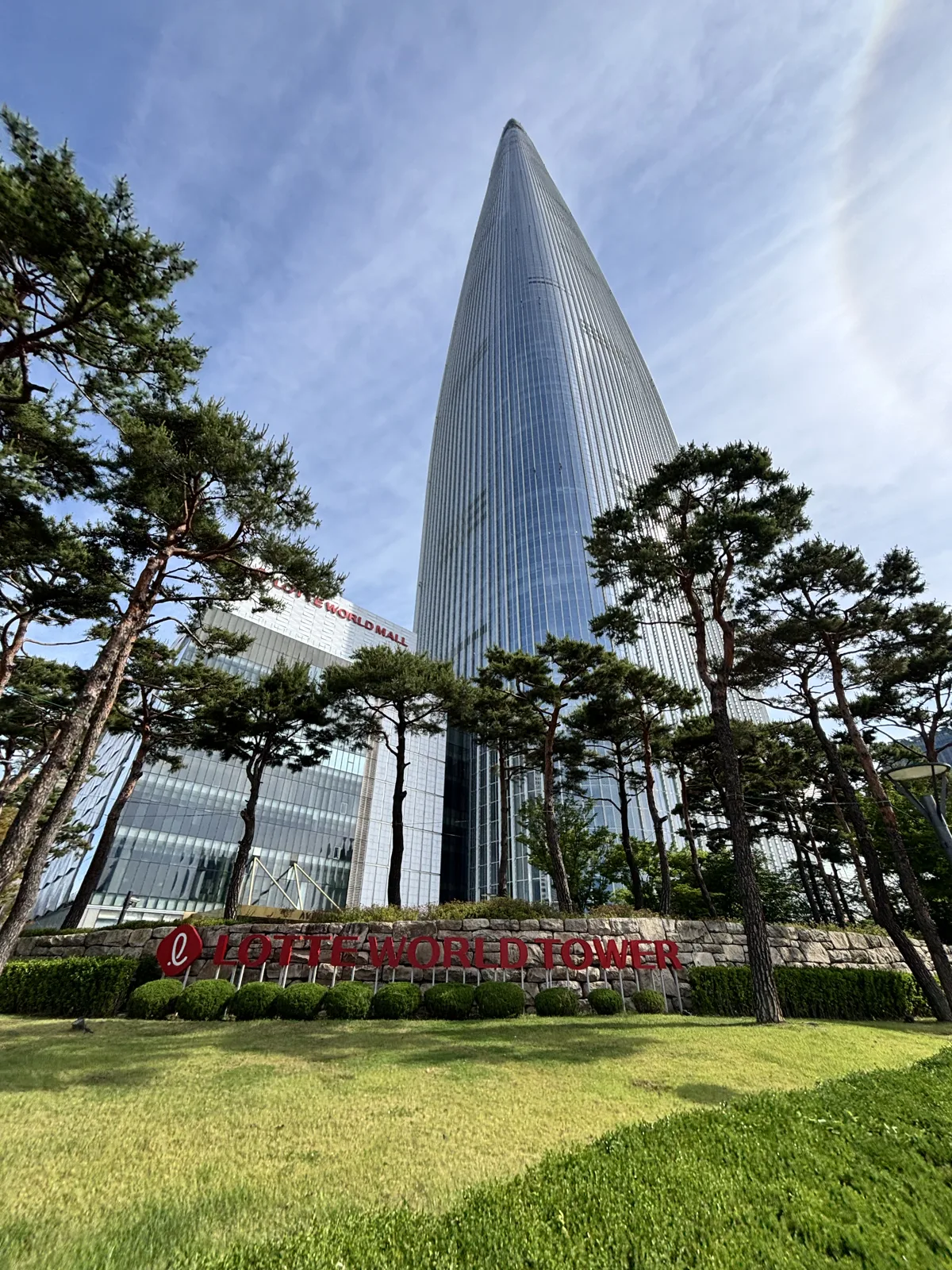
On the other hand, Signiel Seoul, perched inside the towering Lotte World Tower, offers a different kind of thrill. Guest rooms start around the 76th floor, so the Han River and the sprawl beyond it are the whole point of staying here. Booking.com guests rate it 9.4 out of 10 across more than five hundred reviews, and the view is what most of them mention first. The service is highly polished, almost formal, while The Shilla feels warmer and more personal. Australians who like open landscapes might lean toward The Shilla, while those who crave modern design and skyline views will prefer Signiel.
The Two Icons, Side by Side
Both come up in every first-timer conversation, and they are not really competing for the same traveller.
| The Shilla Seoul | Signiel Seoul | |
|---|---|---|
| Where | Namsan slope, central and near the old city | Lotte World Tower, Jamsil, south-east of the centre |
| The view | Mountain greenery and city beyond | Skyline and Han River from the 76th floor up |
| Feel | Traditional, quiet, established | Modern, formal, vertical |
| Guest score | Consistently high | 9.4 out of 10 on Booking.com |
| Time to the palaces | Short taxi or a walk | Around 40 minutes by subway |
| Pick it if | You want to be near the historic core and prefer calm | You want the view to be the event |
Rates for both move a great deal by season and by how far ahead you book, so I have deliberately not printed a nightly figure that will be wrong by the time you read this. Check live prices for your own dates.
Staying by Neighbourhood: Where You Sleep Shapes Your Seoul
One of the things I always tell visiting friends is that Seoul’s districts have personalities. Pick a hotel not just for its amenities, but for the neighbourhood vibe.
- Myeongdong is a shopper’s paradise. Staying here means you’re steps away from cosmetic stores, food stalls, and neon-lit alleys. For first-time visitors, it’s both exciting and overwhelming — a bit like stepping into a real-life K-drama.
- Hongdae is for those who want music, street art, and a youthful buzz. The hotels here are smaller but full of character. My Australian friends loved Hongdae because it reminded them of Melbourne’s laneways, only with more K-pop.
- Gangnam exudes business and luxury. Hotels here are polished, and you’ll be close to COEX Mall and Apgujeong boutiques. The service style feels closer to international norms.
- Jongno & Insadong offer tradition. Hanok-style guesthouses here give you a chance to wake up to wooden beams and paper doors, something unique compared to the steel-and-glass towers of Gangnam. Plus, you’re near Gwanghwamun, Gyeongbokgung Palace, and tea houses where time slows down.
Smooth Arrivals: Airport-Friendly Hotels
Smooth from the runway: after a long flight, a private airport transfer straight to your hotel door beats wrangling luggage on the subway — fixed fare, no late-night taxi haggling.
For international travellers, airport access is often the biggest concern. Seoul can feel huge when you first arrive, and knowing your hotel has transport covered makes everything easier.
- Lotte Hotel Seoul: Offers limousine buses directly from Incheon and Gimpo, and staff who switch languages effortlessly.
- Grand Hyatt Incheon: Perfect for layovers, just a few minutes from the terminals. It is the one to look at if you have a dawn departure or a long layover and would rather not cross the city twice.
- Four Points by Sheraton, Seoul Station: It is connected to the AREX express train, making it a budget-friendly but efficient choice.
Compared to Australia, where airport hotels are often plain and functional, Seoul’s versions feel more polished, often with full spas and pools.
Hotels with the Best Views
Sometimes it’s not just about comfort — it’s about what you see when you wake up. In Seoul, skyline and river views are a premium.
- Conrad Seoul: Towering over the Han River, with floor-to-ceiling windows. Ideal for business travellers who also want leisure.
- Namsan Seoul Tower Hotel: A smaller property but with unbeatable views of the city’s nightscape.
- GLAD Yeouido: Sleek and modern, popular among business travellers who still want a room with a river view.
It is a different selling point from the hotels I book at home in Australia, where the pitch is usually a beach or a park rather than a skyline.
Practical Booking Tips for 2026
- Compare prices across multiple sites like Booking.com, Agoda, and Expedia.
- Always check cancellation policies — Korean hotels can be generous with last-minute changes.
- Breakfast packages are often worth it. I’ve noticed in Seoul, hotel breakfasts are not just toast and coffee; they’re elaborate buffets with Korean, Japanese, and Western options.
- Be mindful of hidden fees during peak travel months.
For more official travel information, the Visit Korea official site is an excellent resource. For real guest reviews, I always check TripAdvisor before booking — it gives me a clearer picture than just hotel websites.
Already booked your room? Pair it with a private airport-to-hotel transfer so your very first hour in Seoul is door-to-door easy. (affiliate)
🏨 Where to book: check live prices for your dates on Booking.com — The Shilla Seoul for old-money calm above the city, or Signiel Seoul for the sky-high splurge inside Lotte World Tower. (affiliate link)
FAQ
Have you stayed in all of these hotels yourself?
No, and I would rather say so. I have not slept in every property on this list. What I bring is twenty years of going back and forth to Seoul and knowing which neighbourhoods actually work for visitors, plus a read of current guest scores and what the location costs you in travel time. Where I have first-hand experience of a stay, I write it up as its own review and say so clearly.
Which area of Seoul should a first-time visitor stay in?
Myeongdong if you want shopping and central sightseeing on foot, Hongdae if you want nightlife and the direct airport train, Gangnam if you want polished business hotels and are happy to be south of the river. For a first trip I would pick somewhere on Line 2 or next to a big interchange before I picked a specific hotel.
Is The Shilla or Signiel Seoul the better choice?
They solve different problems. The Shilla sits on the Namsan slope, closer to the palaces and the old centre, and reads as quiet and traditional. Signiel occupies the top floors of Lotte World Tower in Jamsil, which means skyline views and a modern feel but a longer trip into the historic core. Signiel scores 9.4 out of 10 from Booking.com guests. Pick by where you want to spend your days, not by the star rating.
How much do Seoul hotels cost per night?
Mid-range international-friendly hotels in central Seoul typically sit in the low hundreds of Australian dollars, and the two luxury icons run several times that. Rates move a lot by season and by how far ahead you book, so treat any figure you read online as a starting point and check live prices for your own dates.
Do Seoul hotels have English-speaking staff?
At international-facing hotels, generally yes, and often Chinese and Japanese too. Smaller guesthouses and hanok stays vary. If you are arriving late or have a specific request, it is worth checking the property’s own reviews for comments about reception rather than assuming.
Final Thoughts: How to Choose
In Seoul, location beats star rating — every time. A three-star hotel a few minutes’ walk from a major subway line will serve you better than a five-star stranded in a quiet district.
Prioritise a room near Line 2 or a big interchange, check that reception speaks enough English for late-night questions, and book refundable rates — Seoul’s shoulder-season prices move a lot.
Related Reads on Unniespicking
- Seoul Korean BBQ Guide 2026 – The Ultimate Neighborhood Tour
- Gwanghwamun Square Seoul Travel Guide 2026 — the palace-front square and what to see around it
- The Best Food Markets in Seoul – A 2026 Guide
- Riding Korea Like a Local: The T-Money Card Guide 2026 — the transit card every visitor should sort out first