Introduction: Why Seoul’s Food Scene Feels Different
Korean food guide Seoul begins with one truth: food in this city is never just about eating, it’s about culture, rhythm, and belonging. It’s about culture, rhythm, and belonging. In Sydney, I often plan my meals around convenience and health. In Seoul, meals are deeply social, layered with tradition yet constantly evolving. This guide isn’t just a directory of where to eat, but a journey through the flavours that define the city. Think of it as a traveller’s compass mixed with the reflections of someone who grew up Korean, then learned to taste food again after years abroad.
The First Bite: Traditional Korean Staples
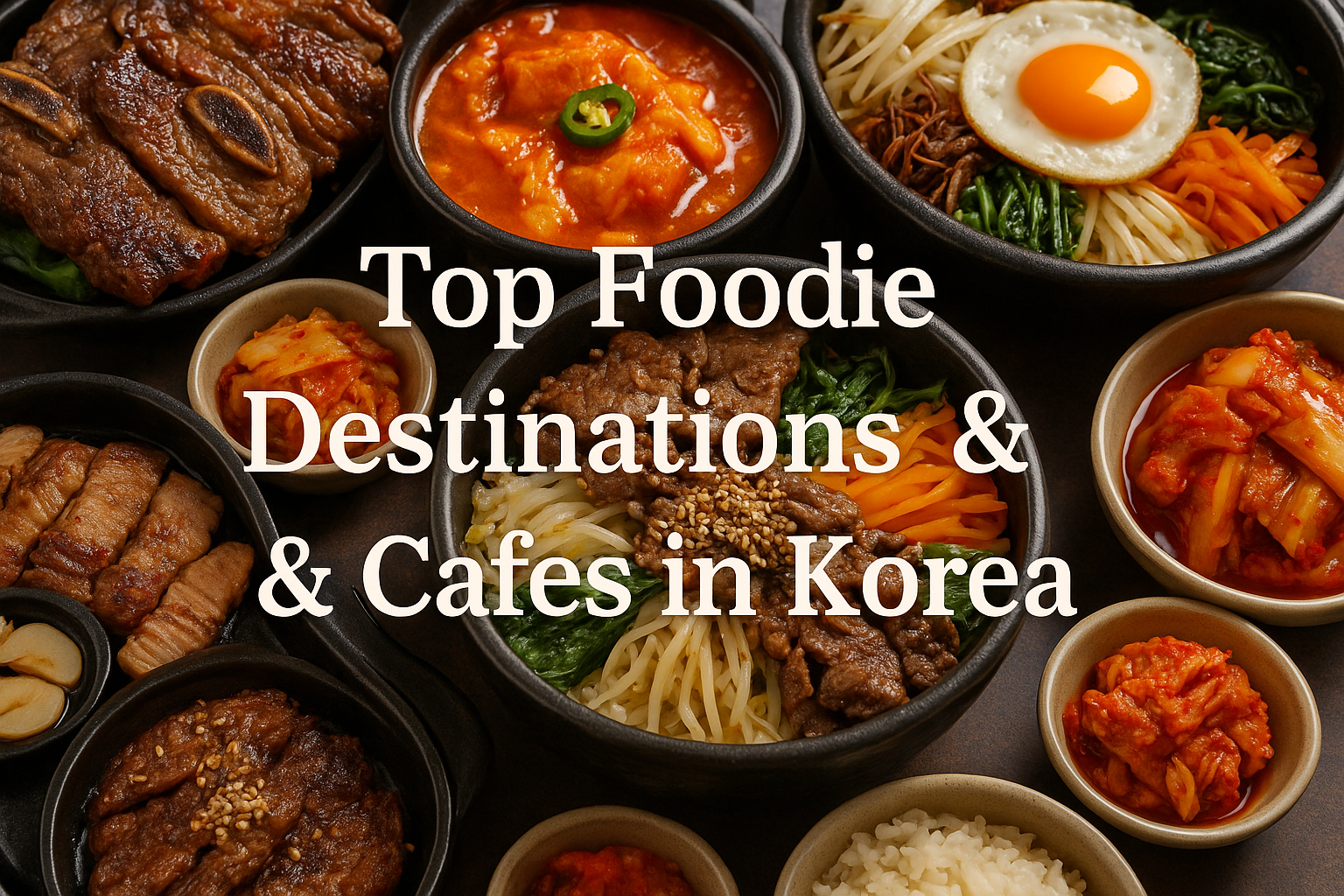
If you sit down in a Korean home, the first surprise is how many small dishes arrive before the main meal. Banchan—side dishes—are free, refillable, and central to the Korean table. In Australia, side dishes are either charged separately or are symbolic. In Korea, they are an extension of hospitality. Dishes like kimchi, seasoned spinach, or stir-fried anchovies bring balance to the meal. They also reveal history: fermentation was survival during harsh winters, now it’s a taste foreigners often grow to love.
One of my most vivid food memories came at a tiny restaurant near Insadong. The owner served a bubbling hot stone bowl of doenjang jjigae (soybean paste stew), the same dish my grandmother used to make. The difference? Here, the broth tasted smoky, layered, and almost rustic. When I told the owner it reminded me of home, she smiled knowingly. Food in Korea isn’t about perfection—it’s about memory.
Street Food Adventures: Myeongdong and Beyond
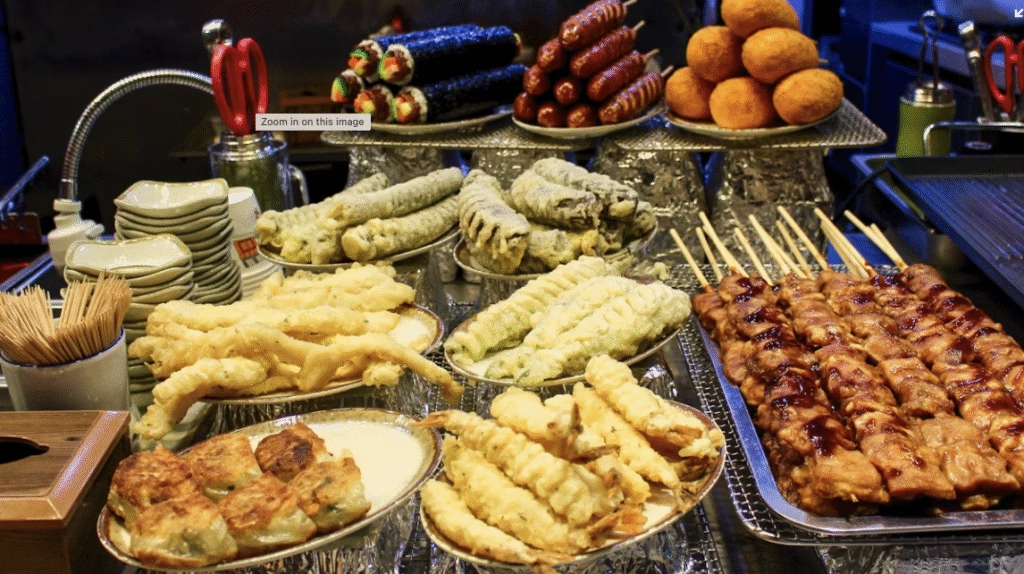
Walking through Myeongdong feels like stepping into a food carnival. Vendors line the streets with sizzling griddles and bubbling pans. Skewers of marinated chicken, spiral-cut potatoes fried to golden crisp, and tteokbokki (spicy rice cakes) steaming in red chilli sauce are everywhere. Compared to night markets in Sydney, Seoul’s street food scene is louder, denser, and more theatrical. Sellers shout, flames burst, aromas fight for your attention.
But what sets Seoul apart is innovation layered on tradition. I once tried lobster tail torched with cheese on a stick. It was not exactly traditional but uniquely Korean in spirit: bold, indulgent, and perfect for Instagram. Another day, I grabbed hotteok, a winter pancake stuffed with brown sugar and nuts. It burned my hands and tongue, but the warmth cut through the icy air in a way no Australian meat pie ever did.
Cafés: Where Seoul Slows Down
Seoul’s café culture deserves its own book. In Seongsu-dong, old shoe factories now host sleek cafés with concrete walls, minimalist furniture, and baristas who treat coffee like art. Coming from Melbourne’s café scene, I expected Seoul’s coffee to feel similar. But it didn’t. Here, cafés are less about coffee alone and more about atmosphere. People linger for hours, working, chatting, or simply existing in curated spaces.
One of my favourite spots was a café with floor-to-ceiling bookshelves and hidden study corners. The latte I ordered wasn’t extraordinary, but the environment felt almost cinematic. That’s when I realised: in Seoul, cafés are cultural hubs. They blend aesthetics, taste, and community in ways Australia rarely does.
Dining with Friends: The Ritual of Sharing
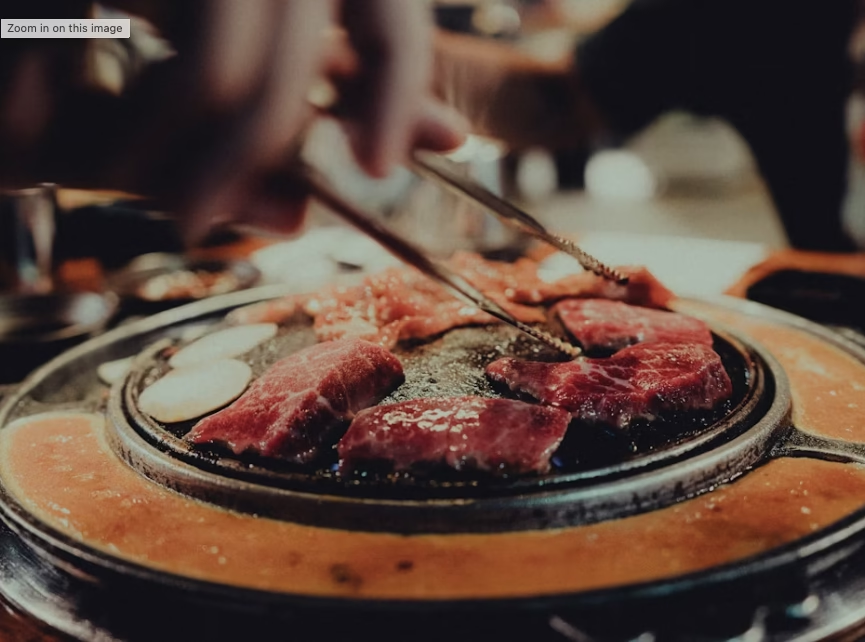
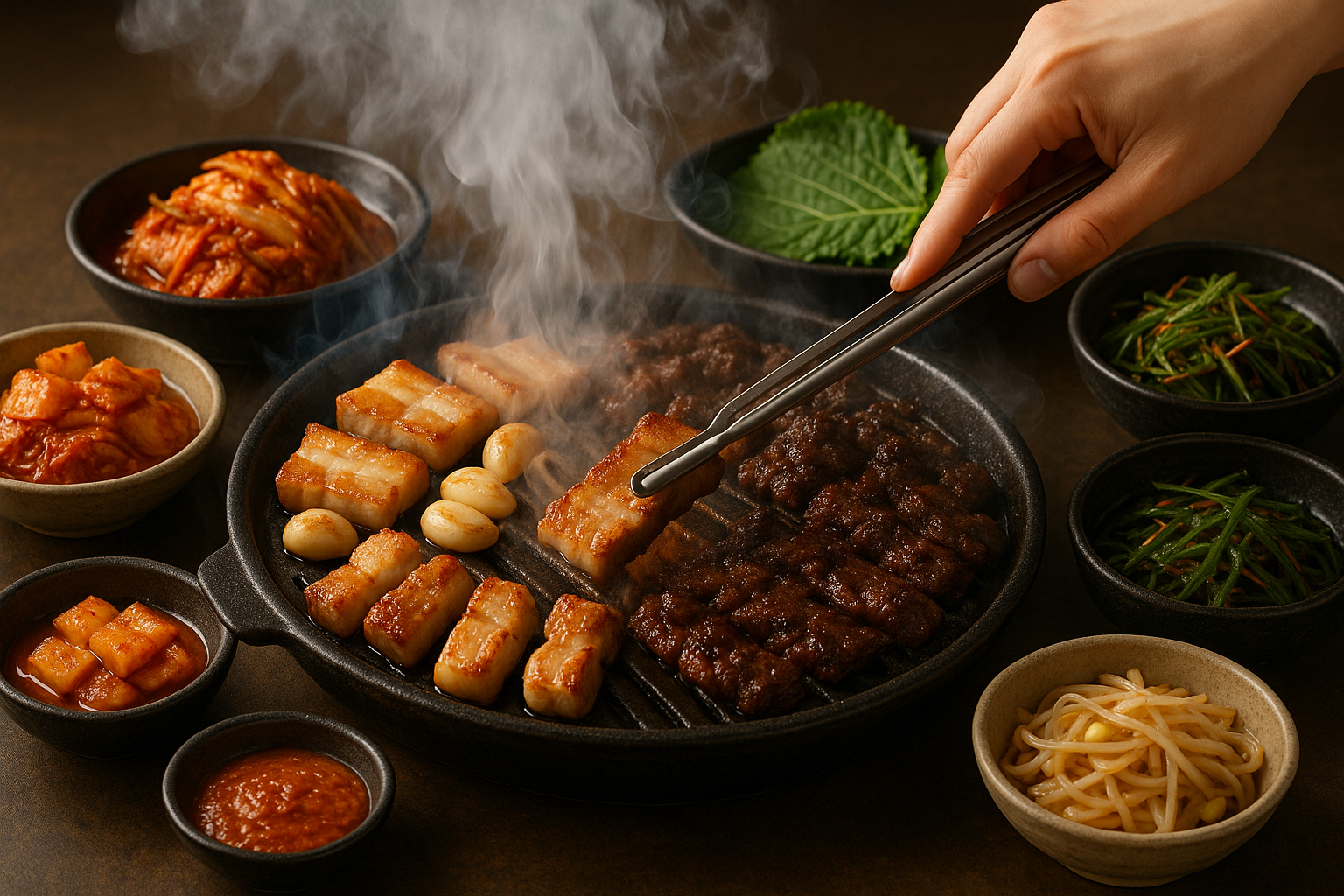
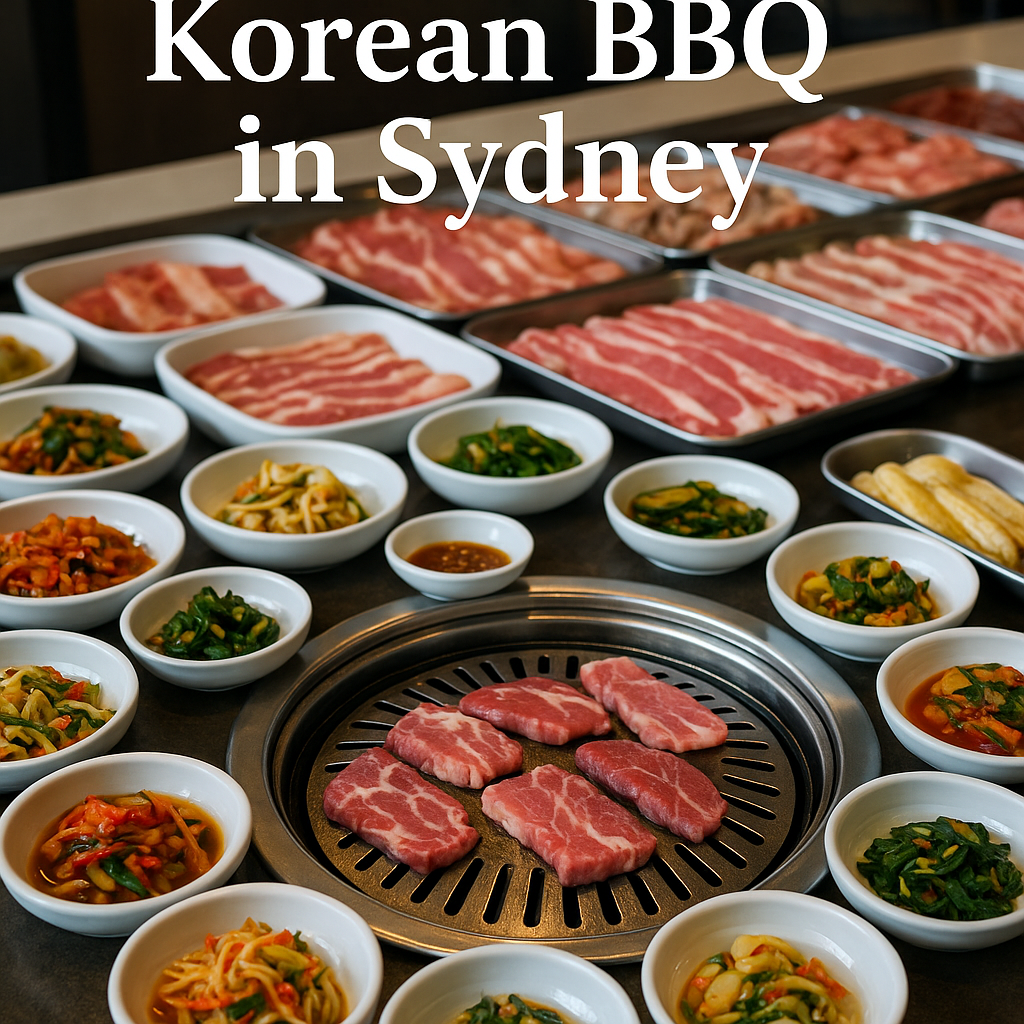
If you’ve never eaten samgyeopsal (grilled pork belly) in Korea, you’ve missed one of the most interactive meals in the world. At a Gangnam barbecue spot, I watched as the server set down thick slices of pork belly on a sizzling grill built into the table. Within minutes, the air filled with smoke and laughter. We wrapped the meat in lettuce with garlic, chili paste, and rice, passing plates across the table.
This is where Korea’s dining culture differs most from Australia. In Sydney, dinner with friends usually means ordering separate plates. In Seoul, sharing is expected. The act of cooking together at the table breaks down formality, pulling everyone into the same experience. It’s not just about taste—it’s about bonding.
Seasonal Eats and Festivals
Korea’s four seasons dictate its cuisine in ways Australians may find surprising. In spring, cherry blossom festivals bring food stalls with floral teas and pink rice cakes. Summer is about naengmyeon (cold buckwheat noodles) that refresh the body in humid heat. Autumn means roasted sweet potatoes and chestnuts sold from street corners. Winter is my favourite: steaming pots of mandu guk (dumpling soup) eaten on Lunar New Year morning.
I once visited a small festival in Jeonju during autumn, where locals offered free tastings of bibimbap, the city’s signature mixed rice dish. What struck me wasn’t just the flavour—it was how entire families sat together, strangers included, sharing bowls at long communal tables. That spirit of inclusion, rooted in food, is something I rarely encounter in Australia, where dining tends to feel more private.
Hidden Gems: Where Tourists Rarely Go
Most visitors stop at Gwangjang Market for mung bean pancakes or blood sausage, but beyond that, Seoul hides neighbourhoods where food tells quieter stories. In Euljiro, I stumbled upon a third-generation noodle shop. The owner, an elderly man with flour-dusted hands, served kalguksu (knife-cut noodles) in anchovy broth. It cost less than a cup of coffee in Sydney, but the taste was priceless.
In contrast, Hongdae thrives on experimentation. Brunch cafés serve fusion plates—bulgogi tacos, kimchi eggs Benedict—that speak to a generation comfortable mixing tradition and global influence. As someone who straddles two cultures, I felt strangely at home here.
Practical Food Travel Tips
- Cash is still useful: Many small food stalls in Seoul only accept cash. Always carry a few bills.
- Don’t expect solo dining everywhere: Some barbecue restaurants won’t serve a single diner. Bring a friend, or be ready to order extra.
- Embrace spice, but know your limit: What Koreans call “mild” might feel fiery if you’re used to Australian levels.
- Plan meals by district: Seoul is vast. Grouping activities and meals by neighbourhood saves time and stomach space.
FAQs: Korean Food in Seoul
Q1. What are the must-try dishes for first-time visitors?
Bulgogi, kimchi jjigae, tteokbokki, samgyeopsal, and naengmyeon offer a balanced introduction to Korean flavours.
Q2. Is Korean street food safe for foreigners?
Yes. Hygiene standards are generally high, and vendors cook food fresh on the spot. Just follow the crowds—busy stalls usually mean trusted quality.
Q3. How much does eating out in Seoul cost compared to Australia?
A simple meal in Seoul can be as low as 5,000 KRW (about 6 AUD). In Sydney, that barely buys a coffee and a pastry.
Q4. Can vegetarians find good options?
Yes, though it requires effort. Temple cuisine and some modern cafés offer plant-based meals, but traditional Korean food leans heavily on meat and seafood.
Q5. How do locals usually eat with friends?
They share everything. Meals are communal, and passing dishes around is part of the etiquette.
Conclusion: Tasting Seoul Through Two Lenses
After twenty years in Australia, eating in Seoul feels like rediscovering food with new eyes. In Korea, meals are louder, spicier, and more collective. In Australia, they’re calmer, more individualistic, and health-driven. Both have beauty, but in Seoul, I find myself surrendering to flavours and company in ways I rarely do back in Sydney.
Seoul’s food isn’t just about dishes—it’s about connection: to history, to people, and to a city that never stops cooking. If you’re planning your trip, don’t just chase what’s “famous.” Sit down in a small restaurant, linger in a hidden café, or share a barbecue grill with new friends. That’s when you’ll truly taste Korea.
See the posts below for more information

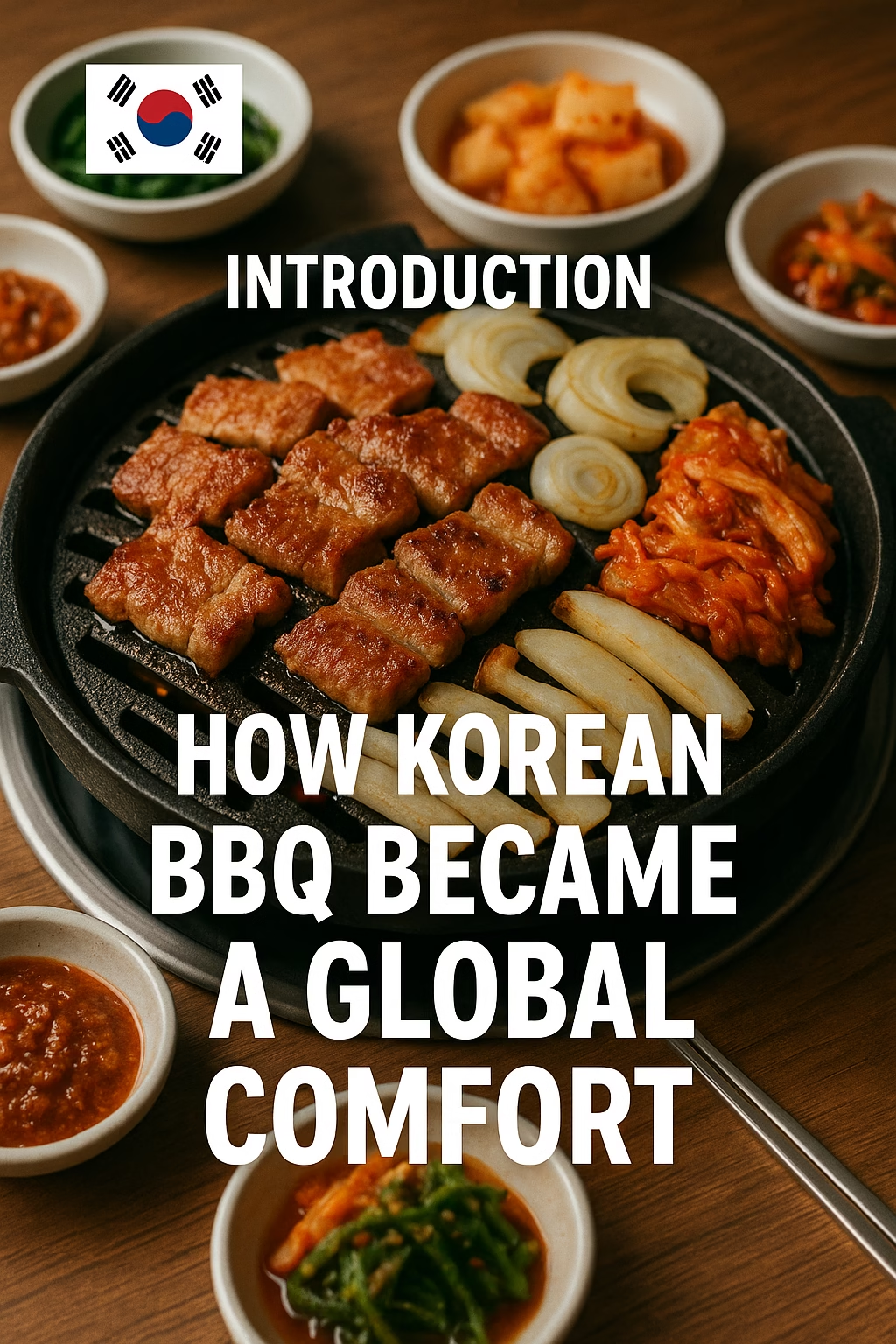
🇰🇷Introduction: How Korean BBQ Became a Global Comfort
Table of Contents Introduction – Finding the Best Korean BBQ Around the World 2025 If you’ve been searching for the […]

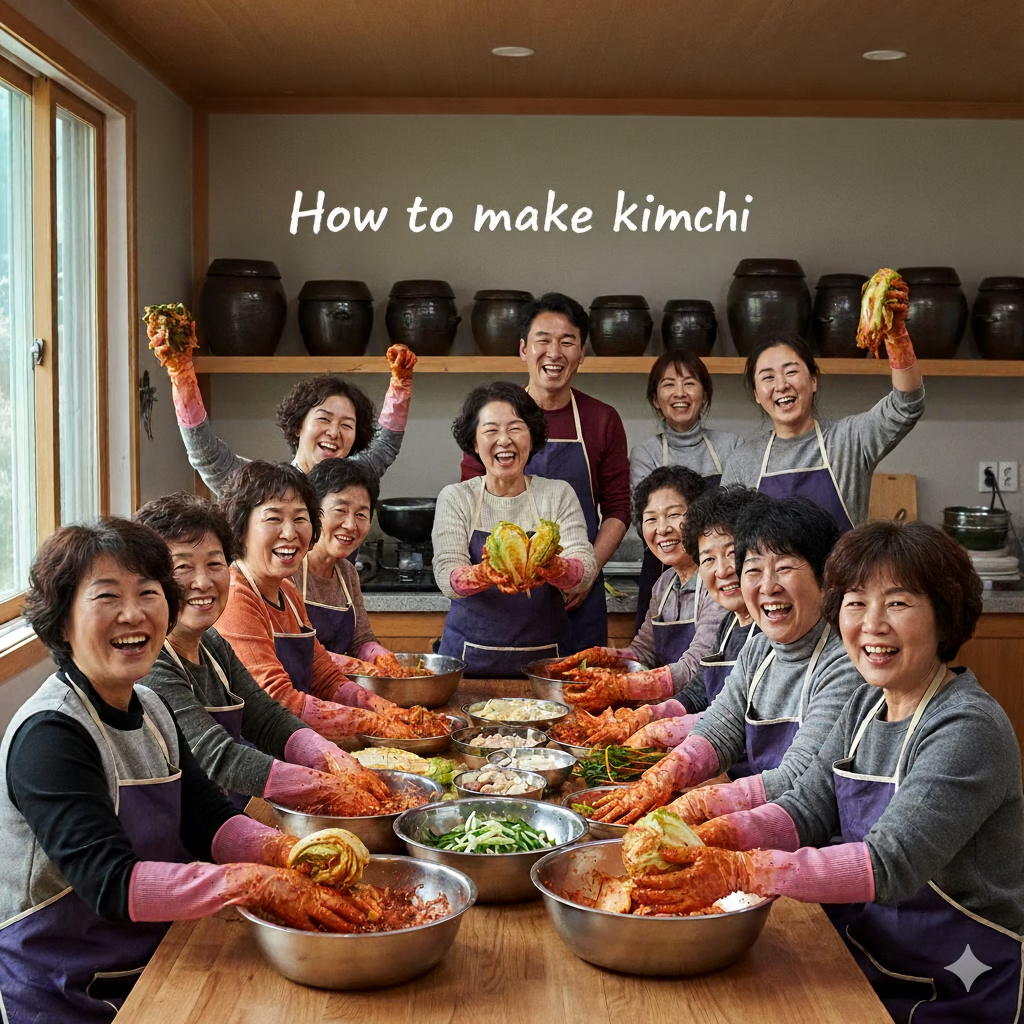
🇰🇷 How to Make Kimchi at Home: 7 Powerful Tips for Authentic Korean Flavor
🌎 Table of Contents Introduction If you’ve ever wondered how to make kimchi at home, this guide shares everything from […]

🇰🇷 Seoul Korean BBQ Guide 2025 – Best BBQ in Seoul by Neighborhood (Local Picks)
🌎 Summary of Contents Introduction Looking for real Seoul-style BBQ? One thing you quickly notice is how differently locals and […]
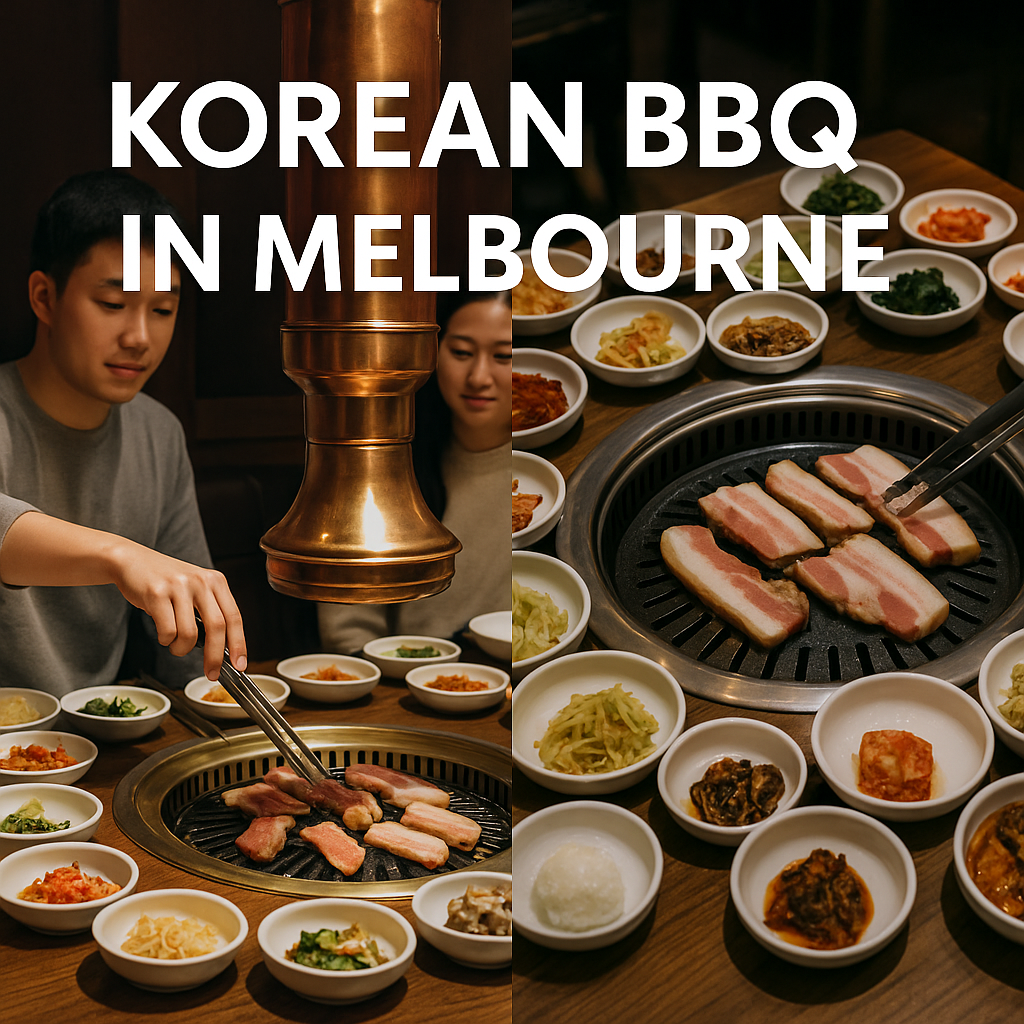
🇦🇺 Best Korean BBQ in Melbourne 2025: An Expat’s Guide to Meat, Culture, and Community
If you’re looking for the best Korean BBQ in Melbourne 2025, this guide offers authentic recommendations, comparisons to Seoul, and booking […]
🇦🇺 Best Korean BBQ in Sydney (2025 Guide): An Expert’s Perspective
Best Korean BBQ in Sydney 2025 isn’t just about listing restaurants — it’s a snapshot of how the city’s BBQ […]
🇰🇷Korea Food Travel Guide 2025: Seoul, Busan & Jeonju Through a Local Abroad’s Eyes
Food is often described as the soul of a culture, and in Korea, that statement feels especially true. Having lived […]

🇰🇷 Tteokbokki: Korea’s Spicy Street Food Icon You Can’t Miss
The first thing that welcomed me back to Korea after years in Australia wasn’t a skyscraper or a luxury restaurant—it […]