🌎 Table of Contents
- Introduction
- Spring in Korea (March–May): Blossoms, Festivals & Outdoor Adventures
- Summer in Korea (June–August): Beaches, Islands & Festivals
- Autumn in Korea (September–November): Foliage & Hiking
- Winter in Korea (December–February): Snow, Ski & Hot Springs
- Sample 4-Day Cross-Season Itinerary
- Comparing Korea and Australia’s Seasonal Travel
- FAQs – Korea Seasonal Travel Guide
- Final Thoughts – Choosing Your Best Time to Visit Korea
Introduction
Korea is one of the few countries in the world where you can truly experience all four seasons in their full beauty. From blooming cherry blossoms in spring to lively beach escapes in summer, golden autumn foliage, and snow-covered ski resorts in winter, each season offers a unique way to enjoy the country. For travellers, knowing the best time to visit Korea is essential to maximise your trip, and this Korea seasonal travel guide will help you plan your journey with insider tips, recommended destinations, and cultural highlights.
Whether you are chasing blossoms, autumn leaves, or winter snow, Korea has something to offer every season. Let’s explore the top destinations and activities by season so you can experience the very best of Korea.
If you’re deciding the best time to visit Korea, use this guide to match festivals, weather, and budgets to your travel style.
Spring in Korea (March–May): Blossoms, Festivals & Outdoor Adventures
Spring in Korea is often described as magical. The weather is mild, flowers are in full bloom, and locals flock outdoors after the cold winter. This is one of the most popular times to visit, and for good reason.
Jeju Island – Cherry Blossoms & Canola Fields
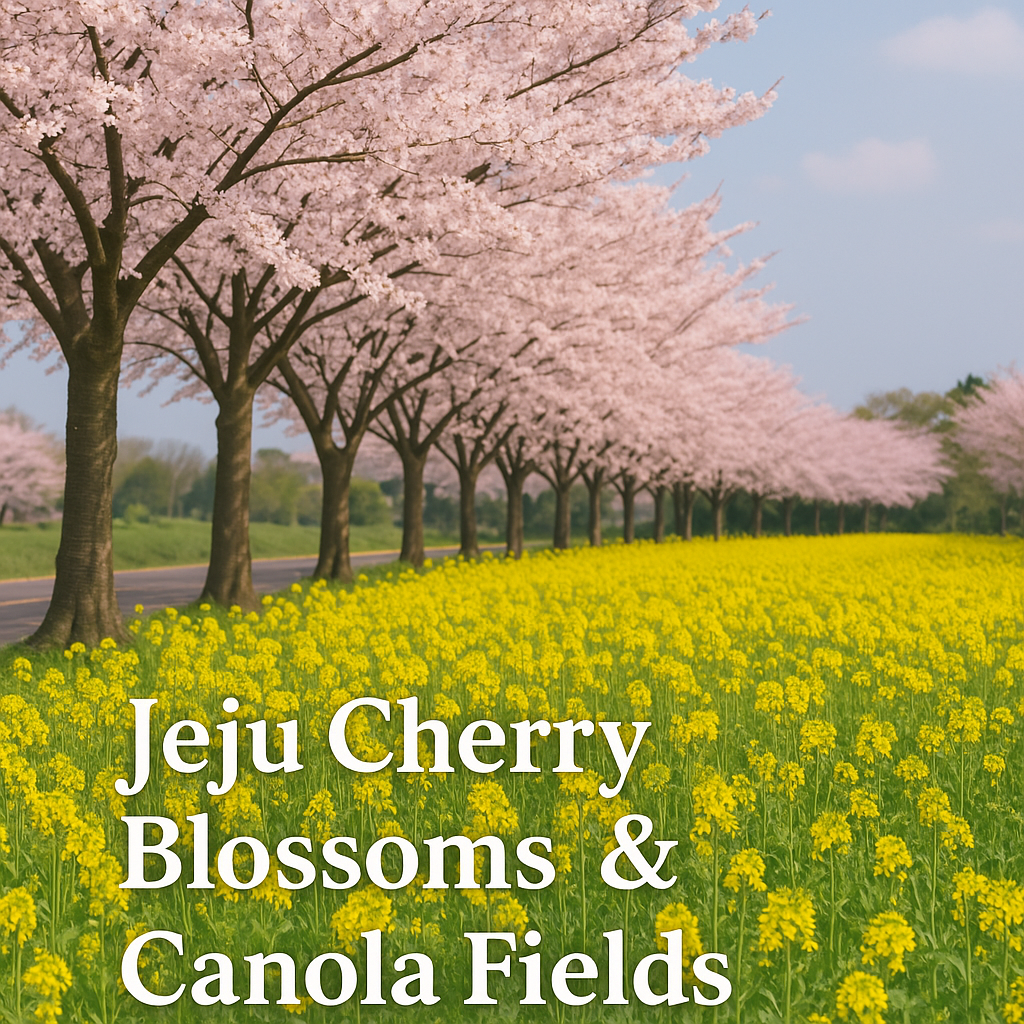
Spring arrives first in Jeju. Late March to early April brings pale-pink cherry trees that line Seogwipo streets and the scenic Noksan-ro. At the same time, yellow canola carpets fields around Hallim Park and the coast. If you’re a photographer, the combination of pink and gold is the reason spring is the best time to visit Korea’s southern island. Getting there is easy: 1-hour flights from Seoul Gimpo operate all day; buses and rental cars circle Jeju in 2–3 hours. Local bites to try: black pork barbecue, abalone porridge, and peanut ice cream on nearby Udo Island. Please check out regional Korea travel guide for more details on Jeju island.
Seoul – Han River & Yeouido Cherry Blossoms
In early April, Seoul’s Yeouido becomes a tunnel of blossoms. Rent a bike, cruise riverside trails, and picnic under swirling petals. Come at sunrise for empty paths, or at sunset for street performances and food trucks. For event dates, check Visit Korea Official Guide (english.visitkorea.or.kr) before you go—it’s what I use to confirm whether the first weekend is the best time to visit Korea’s cherry spots in the capital.
Other Spring Highlights
- Jinhae Gunhangje Festival (South Coast): Korea’s most famous cherry blossom festival, attracting millions of visitors. Farther south, Jinhae Gunhangje is Korea’s biggest blossom festival. The iconic photo is from Gyeonghwa Station, where petals dust a quiet railway line. Nearby Gyeongju adds ancient temple roofs framed by flowers. Trains sell out quickly; book KTX tickets a few weeks ahead if spring is your best time to visit Korea.
- Temple stays in spring: Visiting temples like Bulguksa or Bongeunsa during spring allows you to enjoy blooming lotus lanterns before Buddha’s Birthday in May.
💡 Traveller Tip: Spring is peak season, so book accommodations and KTX train tickets at least a month in advance. Average temps: 8–18°C. Pack a light down or trench, a compact umbrella, and allergy meds if needed. Crowds peak on weekends—visit famous parks before 10 a.m. Internal link idea: link here to your “Seoul Cherry Blossom Spots” post.
Summer in Korea (June–August): Beaches, Islands & Festivals
Summer in Korea is hot and humid, but it’s also the perfect season to enjoy the coast and attend vibrant festivals. This is when Korea by season really shows its energy.
Busan – Haeundae & Gwangalli Beach
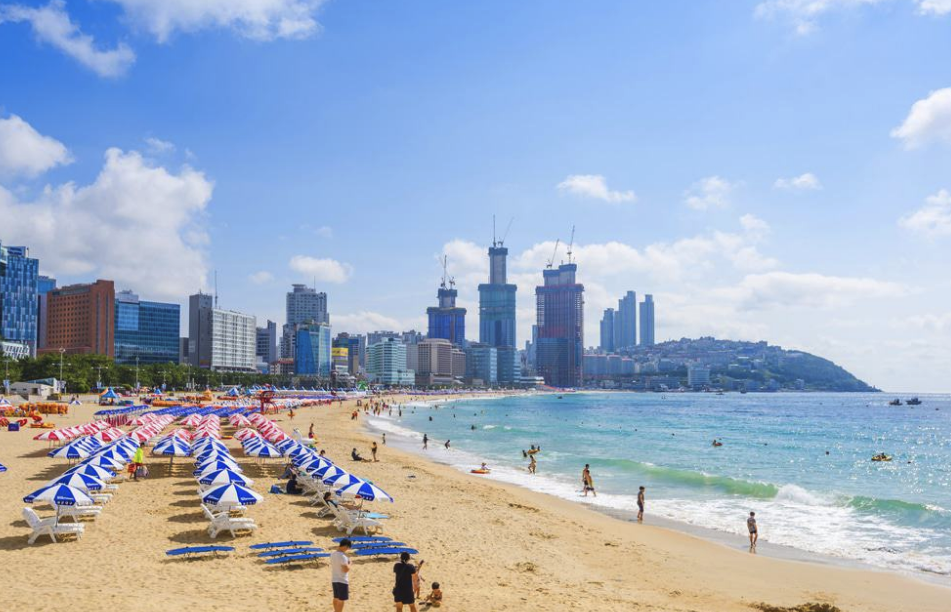
Busan’s beaches are summer icons. Haeundae Beach is popular with families and international tourists, while Gwangalli Beach is perfect for couples, especially at night when Gwangan Bridge lights up in rainbow colors. Street food stalls nearby sell fresh seafood, fried snacks, and summer drinks.
Haeundae is wide, serviced, and perfect for families; Gwangalli faces the illuminated Gwangan Bridge, ideal for couples at night. Day plan: swim in the morning, café hop at Millak Waterfront, then seafood at Jagalchi Market. Evening plan: craft beer on the sand while the bridge lights dance. If you live for beach energy, late summer might be the best time to visit Korea.
Ulleungdo & Udo Island – Coastal Escapes
For something more remote, Ulleungdo Island is a volcanic gem in the East Sea, known for dramatic cliffs, hiking trails, and crystal-clear waters. Closer to Jeju, Udo Island is loved for peanut ice cream, scooter rentals, and peaceful beaches away from crowds.
Summer Festivals
- Boryeong Mud Festival: Korea’s most playful summer festival, where travellers join locals for mud wrestling, slides, and concerts. Boryeong Mud Festival turns July into a playground of slides and concerts; Bucheon’s film festival delights cinephiles. Note that late June to mid-July can be wet due to the monsoon. I usually schedule islands for mid- to late-August—often the best time to visit Korea’s beaches once skies clear.
- Bucheon International Film Festival: A treat for movie lovers.
💡 Traveller Tip: Summer brings monsoon rains in late June–July. Always pack light rain gear, and consider island trips for August when the skies are clearer. Average temps: 23–30°C. Pack UV shirts, quick-dry shorts, and sandals. Secure accommodation early for Haeundae and Gwangalli. For city events, the Seoul Metropolitan Government site (seoul.go.kr) posts official calendars—great for timing your nights out.
Autumn in Korea (September–November): Foliage & Hiking
Autumn is arguably the best time to visit Korea. Crisp air, comfortable temperatures, and fiery red and golden leaves create unforgettable scenery.
Nami Island & Garden of Morning Calm
Just an hour from Seoul, Nami Island is a top fall destination with its birch forests and tree-lined paths. Combine this with a stop at the Garden of Morning Calm, which bursts into golden, red, and orange hues between mid-October and early November. Many travellers book autumn day trips from Seoul to cover both spots.
Seoraksan National Park – Korea’s Mountain Gem
Seoraksan in Gangwon-do delivers dramatic views with relatively accessible trails. The cable car to Gwongeumseong provides panoramas without steep hiking, while Ulsanbawi rewards those who climb its stone stairs. Bring layers; mountain weather changes fast. For me, a sunny late-October morning in Seoraksan is the best time to visit Korea if you love nature photography.
Other Autumn Highlights
- Andong Mask Dance Festival: Celebrate Korean heritage with traditional performances and local street food.
- Boseong Green Tea Fields: The tea terraces look stunning under autumn skies.
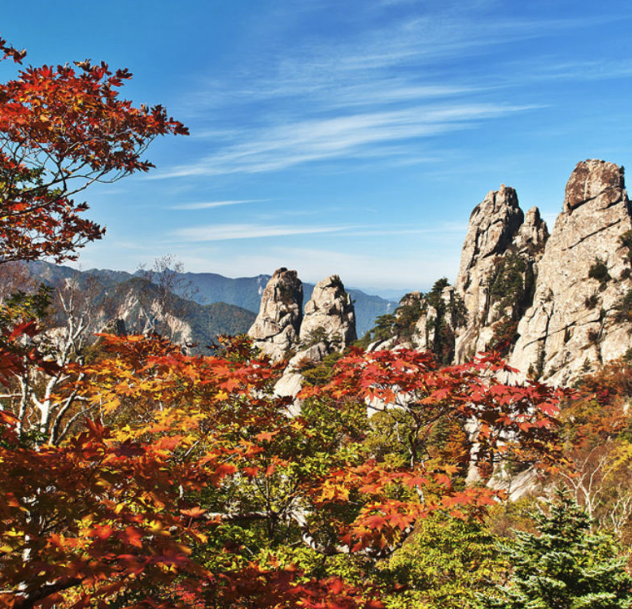
💡 Traveller Tip: Peak foliage is from mid-October to early November. Plan hikes early in the morning for fewer crowds.
Winter in Korea (December–February): Snow, Ski & Hot Springs
Winter transforms Korea into a snowy wonderland. This is the best season for skiing, snowboarding, and relaxing in hot springs.
Ski Resorts – Pyeongchang & Gangwon-do
Korea’s ski resorts are world-class. Yongpyong Resort and Alpensia in Pyeongchang hosted the 2018 Winter Olympics, while Vivaldi Park is famous among young travelers. Facilities include ski schools, snowboard rentals, and family-friendly slopes.
Sokcho & Donghae – Hot Springs & Seafood
After skiing or hiking, nothing beats soaking in natural hot springs. Sokcho and Donghae on the East Coast are known for seaside hot springs and fresh seafood markets.
Winter Festivals
- Hwacheon Sancheoneo Ice Festival: Ice fishing, snow sculptures, and skating.
- Taebaeksan Snow Festival: Snow sculptures and winter hiking.
💡 Traveler Tip: Pack thermal layers—Korean winters are cold, with temperatures dropping below –10°C in January.
Sample 4-Day Cross-Season Itinerary
| Season | Location | Highlight Attractions |
|---|---|---|
| Spring | Jeju & Seoul | Cherry blossoms, bike rides, canola fields |
| Summer | Busan or Udo Island | Coastal beaches, seafood, sea activities |
| Autumn | Nami Island, Seoraksan | Fall foliage, mountain hikes |
| Winter | Pyeongchang / Sokcho | Skiing, hot springs, winter festivals |
For more seasonal event updates, check the Visit Korea Official Guide or the Seoul Metropolitan Government website.
Comparing Korea and Australia’s Seasonal Travel
Australia’s seasons are real, but less dramatic; Sydney can swing from beach days to cool evenings in the same week, and autumn colour is subtle outside alpine regions. Korea, by contrast, transforms completely. Cherry tunnels in April, thunderous green forests after the monsoon, mountain fire in October, and powdery mornings in January—this rhythm is why the best time to visit Korea is such a strategic decision. Australian trips often revolve around long weekends and coastal drives; Korean trips orbit festivals, foliage forecasts, and ski openings. Prices differ too: a Seoul day trip to Nami and Morning Calm in peak autumn might cost less than a single lift ticket in Australia. For intense seasonality and cultural energy, Korea wins. For wide-open road trips and year-round outdoor time, Australia still shines.
FAQs – Korea Seasonal Travel Guide
1. What is the best time to visit Korea for cherry blossoms?
Late March to early April, with Jeju and Jinhae blooming first.
2. Which season is best for hiking in Korea?
Autumn (October–November) offers cool weather and spectacular foliage.
3. Are Korea’s ski resorts beginner-friendly?
Yes. Resorts like Vivaldi Park and Alpensia offer ski schools and easy slopes.
4. What should I pack for autumn in Korea?
Light jackets, comfortable shoes, and layers. Temperatures drop quickly at night.
5. Where can I find Korea’s seasonal festivals?
Check the official Korea Tourism Organisation and UNESCO Intangible Heritage for cultural festival listings.
Final Thoughts
Korea rewards seasonal travel more than almost anywhere I know. Pick the experience you crave, then anchor your dates around it. If you measure a destination by how much it transforms across the year, you’ll find multiple “bests”: April for blossoms, August for beaches, October for mountains, and January for snow. That’s why the best time to visit Korea is ultimately the moment that matches your travel personality—this guide simply makes sure you’re ready for it.
🔗 Recommended Korea Travel Guides
- Seoul Korean BBQ Guide 2025 – The Ultimate Neighborhood-by-Neighborhood BBQ Tour
🔥 Discover where locals go for authentic Korean BBQ — from Gangnam’s sizzling wagyu grills to Seoul’s traditional pork belly alleys. Perfect for your spring or autumn evenings in Korea. - Seoul Subway Travel Guide (2025) – How to Ride Like a Local
🚇 Everything you need to know to master Seoul’s subway system — routes, T-money cards, tips, and real-life traveler advice. Ideal for navigating the city in any season. - Korea Taxi & Transportation Guide – Getting Around Made Easy
🚖 Learn when to take taxis vs. subways, how Kakao T works, and how to avoid tourist overcharges. A must-read for first-time visitors to Korea. - KTX High-Speed Train Guide 2025 – Fastest Way to Explore Korea
🚄 Travel across Korea effortlessly — Seoul to Busan in under three hours. Includes route maps, ticket tips, and regional connections for every season.