Whenever friends from Australia ask me what they should bring to Korea, I always smile. Packing for Korea isn’t like preparing for a trip to Bali or Europe. This country has four distinct seasons, a mix of ultra-modern cities and traditional villages, and a unique blend of cultural norms that can catch first-time visitors by surprise. That’s why having a thoughtful Korea packing list 2025 matters more than you might think.
Over the years, I’ve flown back and forth between Sydney and Seoul countless times. Each trip has taught me something new about what’s truly essential — and what’s just unnecessary weight in your suitcase. I’ve learned the hard way when I forgot my adapter and couldn’t charge my laptop, and I’ve laughed at myself when I packed heavy jumpers in spring only to realise locals were already wearing light jackets. This guide isn’t just a list; it’s based on years of trial, error, and lessons from both local life and visiting as a traveller.
🌎 Table of Contents
- Why Packing Right for Korea Matters
- Essential Documents & Money Matters
- Tech & Electronics You Shouldn’t Forget
- Dressing for Korea’s Seasons
- Toiletries & Health Essentials
- Communication & Connection Tools
- Transport Tools That Save Time
- Bonus Comforts Worth the Space
- Where to Double-Check Your Packing List
- Final Thoughts: Travel Light, Travel Smart
- Related Reads
Why Packing Right for Korea Matters
Korea’s lifestyle is fast-paced. You’ll find convenience stores on every corner, and if you forget something small, you can usually buy it there. But some items are either expensive to replace, difficult to find in tourist areas, or crucial to have the moment you land. Think about your first night in Seoul: if your phone is dead and you don’t have the right adapter, you can’t even book a taxi through Kakao T.
When I compare this to my travels around Australia, the difference is clear. In Sydney or Melbourne, you can rely on Google Maps, Uber, and your credit card without much thought. In Seoul, you need local apps, 220V-compatible electronics, and sometimes even cash for traditional markets. Preparing these details ahead of time makes your trip smoother and saves you from unnecessary stress.
Essential Documents and Money Matters
Myeongdong Travel Guide: Shopping, Food, and Culture in Seoul. Your passport and visa documents are the most obvious things, but let me emphasise: always carry a printed copy of your K-ETA or visa. I once met a backpacker in Myeongdong who had forgotten to download his K-ETA approval. He had to scramble for Wi-Fi at the airport to retrieve it. Avoid that drama — keep digital and paper copies in separate places.
Cash and cards are another balancing act. If you’re planning your expenses, check my guide on How to Plan Your Travel Budget for Korea (2025 Guide). Korea is mostly cashless, but don’t assume you can get by with just your Visa card. Traditional markets and small eateries, especially around Gwanghwamun, often prefer cash. I usually carry ₩100,000 in small notes for taxis and snacks. For the rest, I rely on a no-foreign-fee card, which saves me from high exchange rates.
Tech & Electronics: Lessons from Mistakes
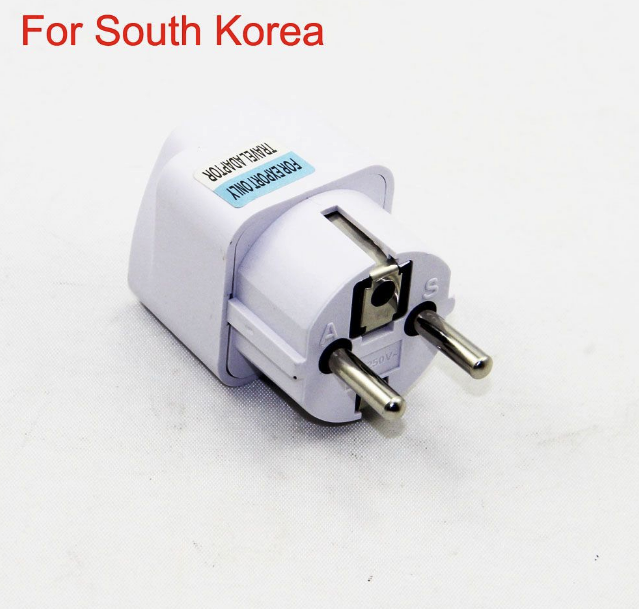
☝️You should use 220V type C plug.
If I could give only one piece of advice for your must-pack items for the Korea trip, it would be this: bring the right power adapter. Korea uses 220V and Type C plugs. Years ago, I tried plugging in my Australian hairdryer without checking the voltage. Within seconds, I smelled smoke — lesson learned.
These days, I always carry a universal adapter and a portable battery pack. They’re lifesavers when I spend hours wandering the alleys of Insadong or streaming directions to my hotel. Don’t forget a multi-port charger too. In Korea’s cozy hotel rooms or Airbnbs, outlets are sometimes limited.
Dressing for Korea’s Seasons
The first time I experienced a Korean winter after living in Australia, I underestimated it badly. Sydney winters feel chilly, but Korea’s minus ten degrees with icy wind is a different story. Thermal layers, gloves, and padded jackets are non-negotiable. On the flip side, summers in Seoul can feel hotter and more humid than Brisbane, so lightweight clothing and portable fans are musts.
Locals are very stylish — I often joke that walking through Gangnam feels like stepping into a fashion magazine. While you don’t need to pack designer clothes, blending in with neat, simple outfits can make you feel more comfortable. A foldable umbrella is another smart addition; Seoul rainstorms appear out of nowhere, and I’ve learned that lesson while completely drenched in Hongdae.
Toiletries and Health Essentials
Korean pharmacies are everywhere, but don’t expect your exact brands from home. I’ve had Australian friends who searched in vain for familiar cold medicine. Bring prescription medications in their original packaging and a copy of your doctor’s note.
Face masks, hand sanitisers, and feminine products are widely available, but again, brand variety is limited. For long trips, I always pack enough of my preferred items. And here’s a cultural note: Koreans are big on skincare. While you can buy world-class products in Korea, if you’re sensitive to certain ingredients, stick with what you know.
Communication and Connection
Even after years abroad, I still find Papago more accurate than Google Translate for Korean. I remember a funny moment when an Australian friend used Google Translate to ask for chopsticks, and it came out as “wooden sticks for beating rice.” The restaurant staff looked very confused until I corrected it. Lesson: download Papago.
Reliable internet is another essential. For app recommendations, read Must-Have Apps & Websites for Your Korea Trip. I recommend pre-booking a SIM card or portable Wi-Fi device before arrival. Booking through Klook Korea not only saves money but also guarantees you’ll pick it up at the airport without hassle. Once, I skipped pre-booking and had to queue for nearly an hour at Incheon just to get a router. Never again.
Transport Tools That Save Time
Korea’s subway system is efficient but overwhelming for newcomers. Stations have dozens of exits, and choosing the wrong one can add 15 minutes to your walk. Apps like Naver Map and KakaoMetro are indispensable. I remember once navigating Seoul Station without KakaoMetro — it felt like running through a maze.
Also, get a T-money card as soon as you land. It works on buses, subways, and even some taxis. Unlike in Australia, where contactless cards like Opal or Myki are the standard, Korea still relies on these rechargeable cards. It’s simple, but only if you prepare in advance.
Bonus Comforts Worth the Space
Over time, I’ve developed my own bonus list. A foldable tote bag is great for last-minute shopping hauls. If you love shopping, my Myeongdong Travel Guide will help you find local gems. A travel-sized detergent helps when I spill kimchi stew on my shirt (which happens more often than I’d like to admit). And my trusty neck pillow has saved me on long KTX train rides to Busan.
These may not sound essential, but they add a level of comfort that makes a huge difference when you’re on the go every day.
Where to Double-Check Your Packing List
Every traveller’s needs are different. That’s why I always suggest checking the Visit Korea Official Site before you finalise your suitcase. It provides seasonal updates, travel alerts, and even cultural etiquette tips.
For tours and activities, Klook is my go-to. From booking a Han River cruise to securing Wi-Fi rentals, the platform has saved me time and money. It also provides user reviews, which often highlight small details you won’t find in official guides.
👉“If you enjoy reading travel reflections, check out my story on Blue Mountains Echo Point — a piece of Australia’s serene beauty.”
Final Thoughts: Travel Light, Travel Smart
Packing for Korea isn’t just about what you bring; it’s about anticipating how daily life works in a different culture. Forgetting the right adapter, overpacking winter clothes, or not having offline navigation apps can all create unnecessary stress.
Compared to my life in Australia, where travel often feels straightforward, Korea requires a bit more preparation. But that’s what makes the trip rewarding. Once you’re ready, you’ll discover a country where old palaces like Gyeongbokgung coexist with neon-lit streets, where traditional hanok houses stand next to futuristic towers, and where every day feels like stepping into both history and the future.
So build your Korea packing list 2025 carefully, pack with purpose, and you’ll be ready to enjoy every corner of this fascinating country.
No matter where you stay — from the vibrant streets of Hongdae to the quiet alleys of Insadong — each neighbourhood tells its own Seoul story. And that’s the beauty of travel: you don’t just sleep in a city, you live a little part of it
Related Reads
If you enjoyed this Korea packing list, here are more guides to help you plan your perfect Korea and Australia trip:
- 🇰🇷 Seoul Accommodation by Neighbourhood – Best Areas & Hotel Picks for Every Traveller
→ Find the best area to stay in Seoul, from vibrant Myeongdong to quiet Jongno. - 🇰🇷 T-Money Card Guide 2025 – How to Ride Korea Like a Local
→ Learn how to use Korea’s transport card system for buses, subways, and taxis with ease. - 🇰🇷 Seoul Korean BBQ Guide 2025 – The Ultimate Neighbourhood Tour
→ Discover the best BBQ spots in Seoul, from Gangnam to Itaewon. - 🇦🇺 Blue Mountains Echo Point – Three Sisters Lookout & Cliff Walk Experience
→ Step into Australia’s serene beauty with this scenic viewpoint review. - 🇦🇺 Blue Mountains Scenic Railway Review – World’s Steepest Train & Dinosaur Valley Trails
→ Experience the thrill and calm of Australia’s most iconic mountain railway.
1 thought on “🇰🇷 Must-Pack Items for Traveling in Korea: 12 Essentials You Can’t Miss”