🌎 Table of Contents
- Introduction
- The History and Charm of Bukchon
- Things to Do in Bukchon Hanok Village
- Getting There & Best Times to Visit
- Beyond Bukchon: Comparing with Jeonju Hanok Village
- FAQ – Common Questions About Bukchon
- Living in Australia vs. Visiting Korea
- Final Travel Tips
- Related Seoul Travel Guides
Introduction
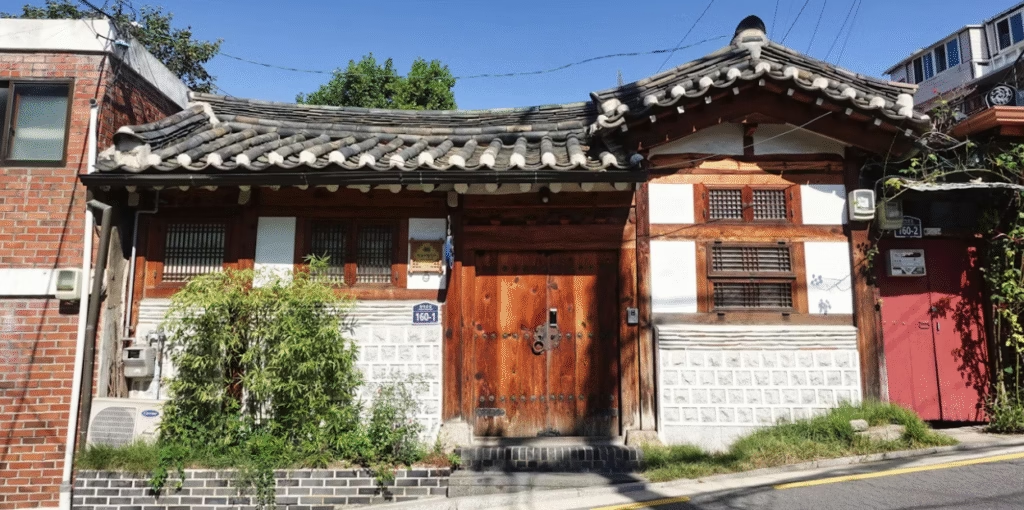
📷 Bukchon Hanok Village – Image source: Unsplash
Discover Bukchon Hanok Village in Seoul. Hanbok rentals, hanok cafés, boutique stays, and a comparison with Jeonju Hanok Village.
Right in the bustling centre of Seoul, where glass skyscrapers and neon lights dominate the skyline, lies a place that feels like stepping into another century: Bukchon Hanok Village. Nestled between Gyeongbokgung and Changdeokgung Palaces, this historic neighbourhood is home to hundreds of traditional Korean houses known as hanoks. For travellers, it offers not only beautiful architecture but also a cultural journey into Korea’s past.
Having lived in Australia for many years now, I am always struck by how seamlessly Seoul blends the ultra-modern with the deeply traditional. In Sydney or Melbourne, heritage districts are small and often preserved more as museums. In Seoul, however, you can wander out of a subway station, grab a coffee at a chic café, and within minutes find yourself in alleys that have looked almost the same for six centuries.
The History and Charm of Bukchon
Bukchon dates back to the Joseon Dynasty, when high-ranking officials and noble families lived in this area. The name “Bukchon” literally means “northern village,” referencing its location north of Cheonggyecheon Stream. Unlike other neighborhoods that gave way to modernization, Bukchon has been carefully preserved as a conservation zone.
The charm of Bukchon lies not only in the tiled roofs and wooden beams of its hanoks, but also in the atmosphere of its narrow stone alleys. Walking through these winding paths feels like an immersive lesson in Korean aesthetics—simplicity, harmony with nature, and elegance in daily life.
Things to Do in Bukchon Hanok Village
Rent a Hanbok and Capture Timeless Photos
Many visitors rent a hanbok (traditional Korean dress) before exploring Bukchon. Walking along Gahoe-dong’s alleys dressed in vibrant silk brings history to life. Rental shops near Anguk Station offer a wide range of hanboks—from regal Joseon-style robes to modernised daily wear. This makes for iconic photos, especially with tiled rooftops and palace walls in the background.
Experience Hanok Cafés and Galleries
Bukchon is not only about looking at houses—it’s about experiencing how tradition adapts to modern life. Some hanoks have been transformed into cafés, tea houses, and galleries, blending old architecture with contemporary creativity. Sitting on heated wooden floors while sipping green tea is a completely different vibe from the trendy cafés of Melbourne or Brisbane—it’s slower, quieter, and deeply reflective.
Stay Overnight in a Hanok
For a deeper experience, try a hanok stay. Boutique guesthouses like Rakkojae have been restored by master carpenters to offer visitors an authentic yet comfortable night in a hanok. I once stayed here with Australian friends, and they were amazed by how relaxing it felt to sleep with paper sliding doors and hear the soft creak of wooden beams. They said, “It’s like the house breathes with you.”
Respecting Local Life
One important reminder: Bukchon is not a theme park; it is a residential neighbourhood. People live here, and tourism rules have been enforced to protect their quality of life.
- Do not enter private houses.
- Keep your voice low when walking through alleys.
- Avoid using drones or heavy filming equipment.
- Respect curfew: tourist access is restricted in the evening and early morning hours.
Following these guidelines ensures that Bukchon remains enjoyable for both residents and visitors.
Getting There & Best Times to Visit
- Location: Jongno District, Seoul (5 minutes from Anguk Station, Line 3)
- Best Seasons: Spring (April–May) for cherry blossoms, Autumn (October–November) for crisp air and fall foliage
- Recommended Visit Duration: 1–2 hours for a quick stroll, half-day or more if including cafés, galleries, or hanok stays
If you can, avoid weekends and visit on weekday mornings or early afternoons when the alleys are quieter and more photogenic.
Beyond Bukchon: Comparing with Jeonju Hanok Village
While Bukchon gives you a glimpse of tradition inside Korea’s bustling capital, Jeonju Hanok Village offers a larger and slower cultural immersion. Located in North Jeolla Province, Jeonju has more than 700 hanoks and is famous for its food and festivals.
Here’s a comparison:
| Feature | Bukchon Hanok Village (Seoul) | Jeonju Hanok Village (Jeolla Province) |
|---|---|---|
| Location | Central Seoul, between palaces | 2.5 hrs from Seoul via KTX train |
| Scale | Hundreds of hanoks | 700+ hanoks |
| Atmosphere | Urban, traditional enclave inside a modern city | Relaxed, town-like vibe |
| Highlights | Hanbok rental, cafés, galleries, boutique stays | Jeonju bibimbap, craft workshops, festivals, hanok guesthouses |
| Best For | Quick cultural stop during a Seoul trip | Full-day or overnight trip |
When I travelled with friends from Australia, we started with Bukchon in Seoul—perfect for a short introduction to Korean heritage. But when we later visited Jeonju, they said it felt like “living in a traditional Korean town” rather than just visiting a historic site.
FAQ – Common Questions About Bukchon
Q1. Is there an entrance fee for Bukchon Hanok Village?
A1. No, it is free to explore. You only pay for activities like hanbok rental or cultural workshops.
Q2. Can I stay overnight in Bukchon?
A2. Yes, several hanok guesthouses and boutique hotels are available. Rakkojae is one of the most famous options.
Q3. Which is better—Bukchon or Jeonju Hanok Village?
A3. Bukchon is ideal if you only have time in Seoul. Jeonju is better for food, festivals, and deeper cultural immersion.
Q4. How much time should I spend in Bukchon?
A4. A short visit takes about 1 hour, but half a day is recommended to enjoy cafés and galleries.
Living in Australia vs. Visiting Korea
As someone who has lived in Australia for over two decades, I find the contrast fascinating. In cities like Sydney or Melbourne, traditional architecture is rare, and most heritage areas feel like curated museum pieces. By comparison, Korea’s living heritage is embedded into everyday urban life.
In Bukchon, you can walk out of a subway station, buy a latte at a modern café, and within minutes find yourself surrounded by centuries-old houses. This coexistence of old and new is uniquely Korean. In Australia, you usually need to attend special Aboriginal cultural events or visit historical sites to engage with tradition. In Seoul, tradition meets you right on the street.
This is exactly why Bukchon feels so magical to visitors—it’s not staged history; it’s history woven into a modern city.
Final Travel Tips
- For short stays in Seoul, Bukchon Hanok Village is the best way to connect with tradition without leaving the city.
- For a deeper cultural journey, Jeonju Hanok Village offers food, workshops, and festivals worth at least an overnight stay.
Both destinations complement each other. Start in Bukchon for a taste of Korean heritage, then expand your trip to Jeonju for the full immersive experience.
Bukchon Hanok Village is not only a cultural gem but also part of Seoul’s broader heritage landscape.
For more detailed visitor information, the Visit Korea Official Website offers official guides and maps for tourists.
And if you’re planning to explore beyond Bukchon, don’t miss nearby Changdeokgung Palace, which is recognised as a UNESCO World Heritage Site. You can learn more about its history and cultural importance on the UNESCO official page.
Bukchon is best reached by subway, and for late-night returns, you might consider using a taxi in Seoul. Just make sure you know how fares work and how to hail one safely — it’s different from what you might be used to in Australia or the US.
🔗 Related Seoul Travel Guides
- Seongsu-dong Seoul Guide 2025: From Industrial Suburb to Trendy Youth Hub
Explore how Seoul’s old shoe-factory district turned into the city’s most creative hotspot filled with warehouse cafés and local designer pop-ups. - Gyeongbokgung Palace Museums: Seoul’s Best Free Cultural Gems
Discover the National Palace and Folk Museums — where Korea’s royal heritage and free exhibitions bring history to life. - Myeongdong Travel Guide: Shopping, Food, and Culture in Seoul
Walk through neon streets packed with K-beauty, street food, and late-night shopping — Myeongdong never sleeps. - Insadong Cultural Street Guide 2025: Where Art and Tradition Collide
Experience Korea’s artistic heart — from calligraphy shops to tea houses and modern craft studios. - Gangnam Travel Guide 2025: Seoul’s Glamour, Nightlife, and Modern K-Culture Hotspots
Dive into Seoul’s luxury and entertainment hub — a district that defines K-culture’s energy and style.
I conceive this web site has got some really great information for everyone : D.
Thank you 🙂