Disclosure: This post contains affiliate links. If you purchase through these links, I may earn a commission at no extra cost to you.
The short verdict: The innisfree Super Volcanic Pore Clay Mask is an affordable, big-tub wash-off mask for the nights my T-zone gets greasy and my pores look congested. It genuinely lifts sebum and clears the look of blackheads, but it can leave drier skin tight if you overuse it, and it asks for a ten-minute commitment at the sink.
I bought a tub of the innisfree Pore Clay Mask on my last Seoul trip. Officially it is the Super Volcanic Pore Clay Mask, an 80g tub built around Jeju volcanic clay clusters, and it is aimed squarely at oily skin, visible sebum, and the look of blackheads. This review is for anyone deciding whether this cult tub is worth the shelf space, or whether the newer, prettier clay masks have quietly overtaken it.
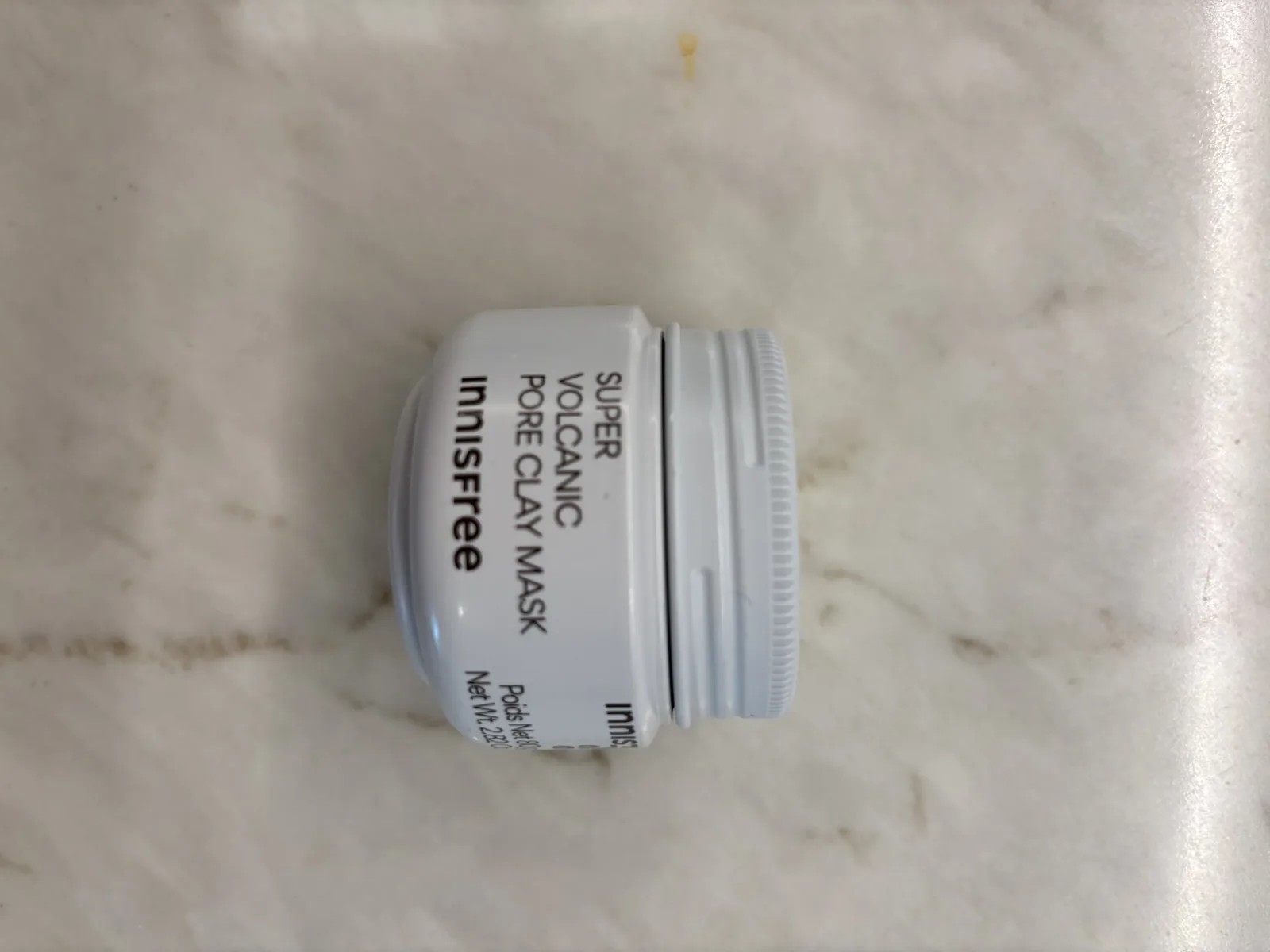
Product History and Price
The innisfree Pore Clay Mask has been in Korean bathrooms for over a decade, it costs a fraction of the fancier clay masks, and the 80g tub lasts so long that I forget I am using it up. When I am standing in front of the Olive Young mask shelf with a hundred newer options, I still pick the boring green box.
What it does well is simple. My skin sits firmly in the combination camp, with an oily T-zone that gets shiny by lunch and pores that look bigger the second I skip a proper deep clean. A clay mask is the most direct way I know to reset that, and this one does it cheaply and reliably. It is honest about what it is, too: a wash-off mask for sebum and the look of pores, not a miracle that “erases” anything. For the wider picture, my roundup of the best Olive Young products puts this tub next to the serums and toners I rate just as highly.
What the innisfree Pore Clay Mask Actually Is
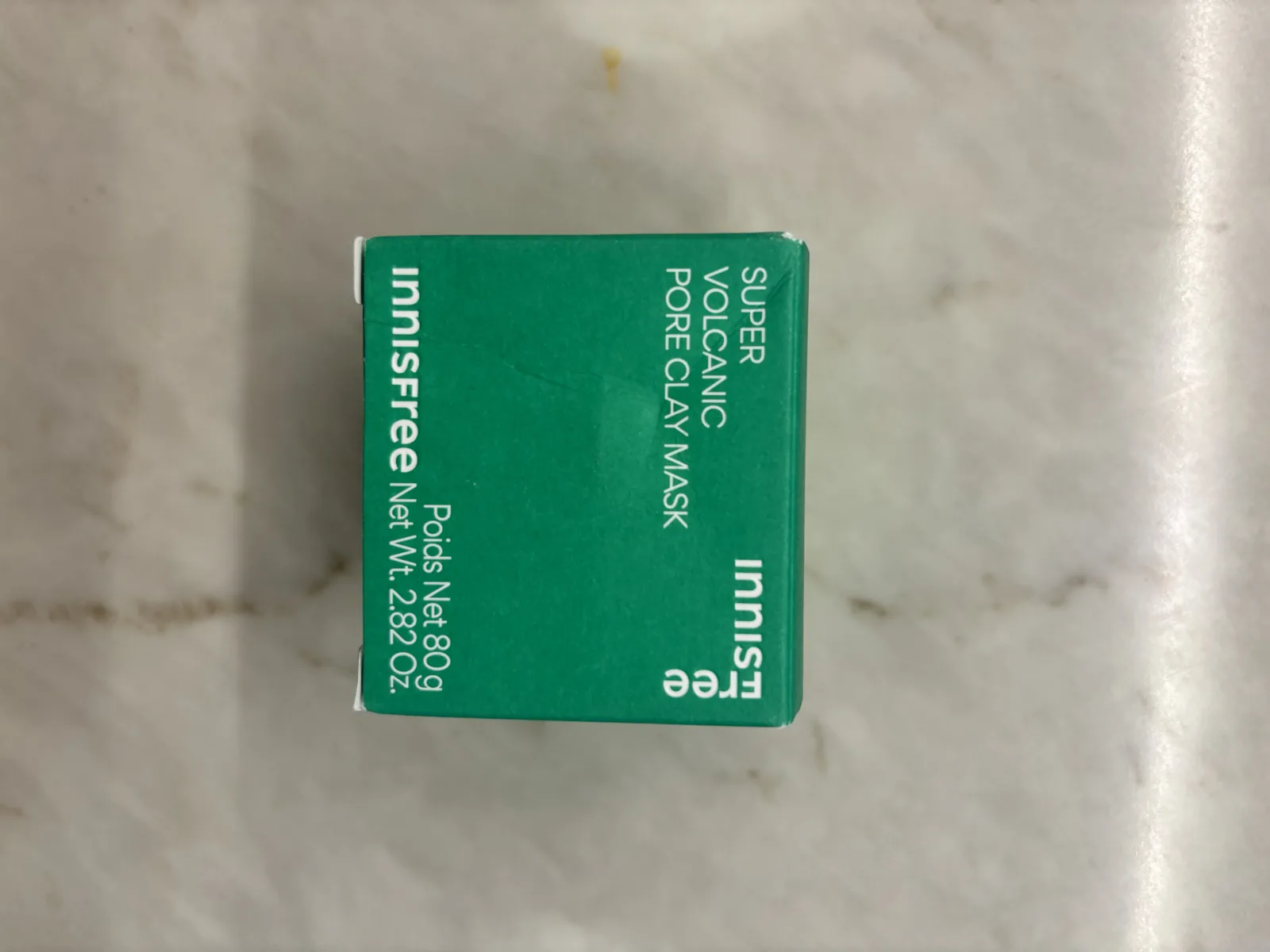
The full name on the box is the Super Volcanic Pore Clay Mask, and the tub I have is the 80g size, marked 2.82 oz, made in Korea. It is a wash-off clay mask, meaning you smooth a thin layer over clean skin, leave it on for about ten minutes, then rinse it away rather than peeling or sleeping in it. The hero ingredient is Jeju volcanic clay, which innisfree calls super volcanic clusters, prized for soaking up oil.
The texture is a smooth, soft grey clay, thicker than a sheet-mask essence but easy to spread. The box lists pore care, sebum absorption, and gentle exfoliation as the main benefits, with an AHA noted on the back for a light cell-turnover boost. It is the kind of formula that does one thing well rather than promising ten things at once, which is exactly why it has survived so many trend cycles.
One detail worth knowing before you buy: this is the original clay mask, not the newer “2X” or colour-clay versions innisfree has released over the years. They share the volcanic-clay idea but differ in clay concentration and finish. If congestion is your bigger concern, you may want to read it alongside my notes on Korean skincare for acne-prone skin, since a clay mask is only one piece of that puzzle.
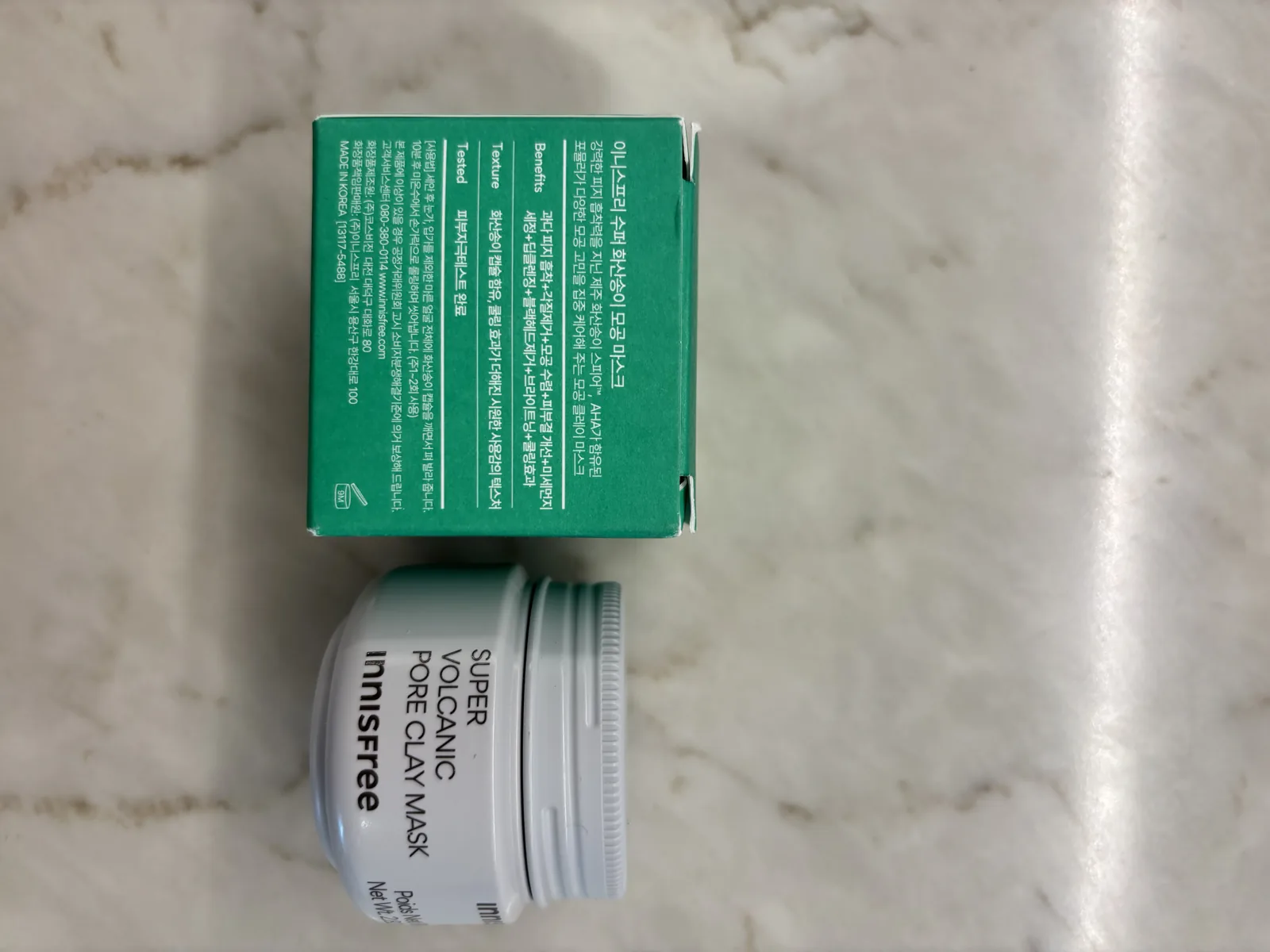
How It Performs on Oily, Congested Skin
This is where the innisfree Pore Clay Mask earns its place in my routine. I use it on the nights when my T-zone feels greasy and my nose and chin look congested, smoothing a thin layer over dry, cleansed skin and avoiding the drier patches around my mouth. Within about ten minutes it sets to a matte, slightly tight clay that tells you it is pulling at the oil sitting in your pores.
When I rinse it off, my skin looks visibly less shiny and my pores read smaller and cleaner, especially across the nose. It does not dissolve blackheads, and I want to be honest about that, but it does soften and clear their appearance enough that the area looks tidier the next morning. For oil control and that fresh, deep-cleaned feeling, the result is reliable rather than dramatic, which is exactly what I want from a regular mask.
I treat it as a once or twice weekly step, not a nightly one, and always follow with a hydrating toner and moisturiser. Used that way it keeps my oily zones in check without stripping me. The warning sign to watch for is tightness: if your skin feels squeaky after rinsing, you have used it too often, and you should dial back.
The Pros and Cons
No mask is perfect, and a review without honest downsides is not worth reading. Here is the balanced picture so you can decide whether the trade-offs suit your skin. The strengths are easy to list: it absorbs oil well, it is one of the most affordable clay masks in any Olive Young, the 80g tub lasts for months, and it is fragrance-light and spreads cleanly.
- Pros: deep oil and sebum absorption, visibly cleaner-looking pores, very affordable, generous 80g tub, easy to spread, dependable cult formula.
- Cons: can leave dry or sensitive skin tight if overused, it is a wash-off mask so it needs a ten-minute commitment at the sink, and it clears the look of blackheads rather than removing them.
The drawbacks are mostly about expectations and skin type. If your skin is dry or reactive, this clay can tip you into tightness fast, so frequency matters. And because it is wash-off, it will never be as convenient as a sheet mask or an overnight option. None of these are dealbreakers for oily skin, but they are real, and worth knowing before you commit.
How It Compares to Other Clay Masks
To put the innisfree Pore Clay Mask in context, here is how it lines up against the two formats people usually weigh it against: a richer “2X” style clay and a convenient clay stick. The figures below are approximate and based on standard tub prices, so treat them as a guide rather than a fixed quote, since pricing shifts with promotions.
| Mask | Format | Size | Strength | Best For |
|---|---|---|---|---|
| innisfree Super Volcanic Pore Clay Mask | Wash-off tub | 80g | Balanced oil control | Oily/combination skin, value |
| Stronger “2X” volcanic clay | Wash-off tub | ~50-100g | More intense, more drying | Very oily skin, deep weekly clean |
| Clay stick mask | Roll-on stick | ~25-30g | Gentler, targeted | Spot use, mess-free, travel |
My take is that the original tub is the sensible default. The “2X” style hits harder but tips drier skin into tightness faster, and the stick formats are handy for spot-treating the nose or travel but never feel like a full-face clean. For everyday value, the classic 80g tub wins on cost-per-use.
Here is my Korea-versus-Australia note, and it is a genuine one. innisfree has a real presence in Sydney, so you can find this mask at the local innisfree counters and online, but it sits at full Australian retail there. In Korea it is one of the cheapest masks on the Olive Young shelf, often in a points-and-discount deal, so it is a no-brainer to throw in the basket on the ground. If you are buying from home instead, my guide on how to shop Olive Young Global from Australia covers getting it shipped without the Sydney markup.
Who Should and Should Not Buy It
This mask is an easy yes for oily and combination skin, the kind that gets shiny through the day and shows congestion around the nose and chin. If you want a dependable, affordable deep clean that you can repeat once or twice a week, this is one of the best-value tubs you will find anywhere, and the large size means you are not rationing it.
It is a more cautious choice for dry or sensitive skin. Clay by nature draws out oil, and on a thirsty barrier that can mean tightness or a stripped feeling if you go in too often. If that is you, keep it to a once-weekly T-zone treatment, follow with plenty of hydration, and watch how your skin responds. If your skin reacts easily, my guide to Olive Young for sensitive skin points to gentler ways to manage congestion.
If you are unsure whether a clay mask even suits your skin type, pin down your profile first. You can tell the quiz your skin type and discover your best-match Olive Young products before you spend anything. For the science on why volcanic and other clays absorb sebum, the brand’s own innisfree pages and the clay-mask explainer from the American Academy of Dermatology are both worth a quick read.
FAQ
Does the innisfree Pore Clay Mask actually clear pores?
It clears the look of congested pores rather than physically removing what is inside them. The Jeju volcanic clay absorbs oil and sebum, so after rinsing my skin looks less shiny and my pores read smaller and cleaner, especially across the nose. It softens the appearance of blackheads but does not dissolve them, so treat it as reliable oil control and a fresh deep clean rather than a blackhead cure.
How often should I use the innisfree Pore Clay Mask?
Once or twice a week is plenty for most skin. Clay draws out oil, so using it daily can leave even oily skin tight and dry skin stripped. I apply a thin layer to clean skin, leave it about ten minutes until it sets matte, then rinse and follow with a hydrating toner and moisturiser. If your skin feels squeaky after rinsing, you are using it too often.
Is the innisfree Pore Clay Mask good for dry or sensitive skin?
It is more of a yes for oily and combination skin than for dry or sensitive types. Because clay absorbs oil, a thirsty or reactive barrier can feel tight or flaky if you overuse it. If your skin is on the dry side, keep it to a once-weekly treatment on the T-zone only, always follow with hydration, and patch-test first to see how your skin reacts.
Is the innisfree Pore Clay Mask cheaper in Korea than in Australia?
Generally yes. innisfree is sold in Australia, so you can buy this mask locally, but it sits at full Australian retail there. In Korea it is one of the most affordable masks on the Olive Young shelf and often comes with points or discount deals, so it is much cheaper on the ground. If you are buying from home, shipping through Olive Young Global can still beat the Sydney price.
My Thoughts
My honest verdict on the innisfree Pore Clay Mask is that it is a quiet classic that deserves its reputation. It is not exciting, it does not promise the world, and it has been outshone on the shelf by prettier launches more than once, yet it does its one job for less money than almost anything around it. That consistency is rare.
I would not call it a cure for blackheads, and I would steer dry or sensitive skin toward it carefully. But for oily and combination skin that wants a dependable, affordable deep clean, it is one of the easiest tubs in any Olive Young to recommend. The only things holding it back are the drying risk and the wash-off commitment, not the results.
As always, let your own skin be the final reviewer. Mine has talked me out of plenty of trendier masks over the years, but it has never once told me to stop buying this green box.
Building a Pore Care Routine?
🛍️ Where to buy: View product details — the innisfree Super Volcanic Pore Clay Mask on Olive Young Global. (affiliate link)
Clay masks can leave my cheeks feeling tighter than I would like, so I always follow with a big drink of hydration. The COSRX Advanced Snail 96 Mucin Essence is what I press in afterward to put the comfort back — deep-clean, then re-hydrate, so a mask night never ends up stripping. I keep the two on the same shelf.