Disclosure: This post contains affiliate links. If you purchase through these links, I may earn a small commission at no extra cost to you. I only recommend products I personally use and trust.
Three doors down a side street, past a hand-painted sign and a stairwell that smells faintly of coffee and old paper, is where I always end up. The flagships and luxury pop-ups get the attention, but the Seongsu concept stores tucked off the main drag are the shops I actually leave with a bag from. These are the small, weird, lovely places I drag every visiting friend to — where Seongsu stops being a backdrop and starts being a neighbourhood.
Why Seongsu Does Concept Stores So Well
A concept store is not just a shop with nice shelves. It is a curated space where someone has chosen every object with a point of view, so browsing feels like wandering through a person’s taste. Seongsu is full of them because the neighbourhood rewards exactly that kind of personality.
The old factory buildings help. High ceilings, exposed brick, and big freight windows give a small owner room to build a proper world inside, not just a counter and a wall of stock. A stationery brand can install a whole reading nook. A vintage seller can hang fifty jackets like an exhibition rather than a rack.
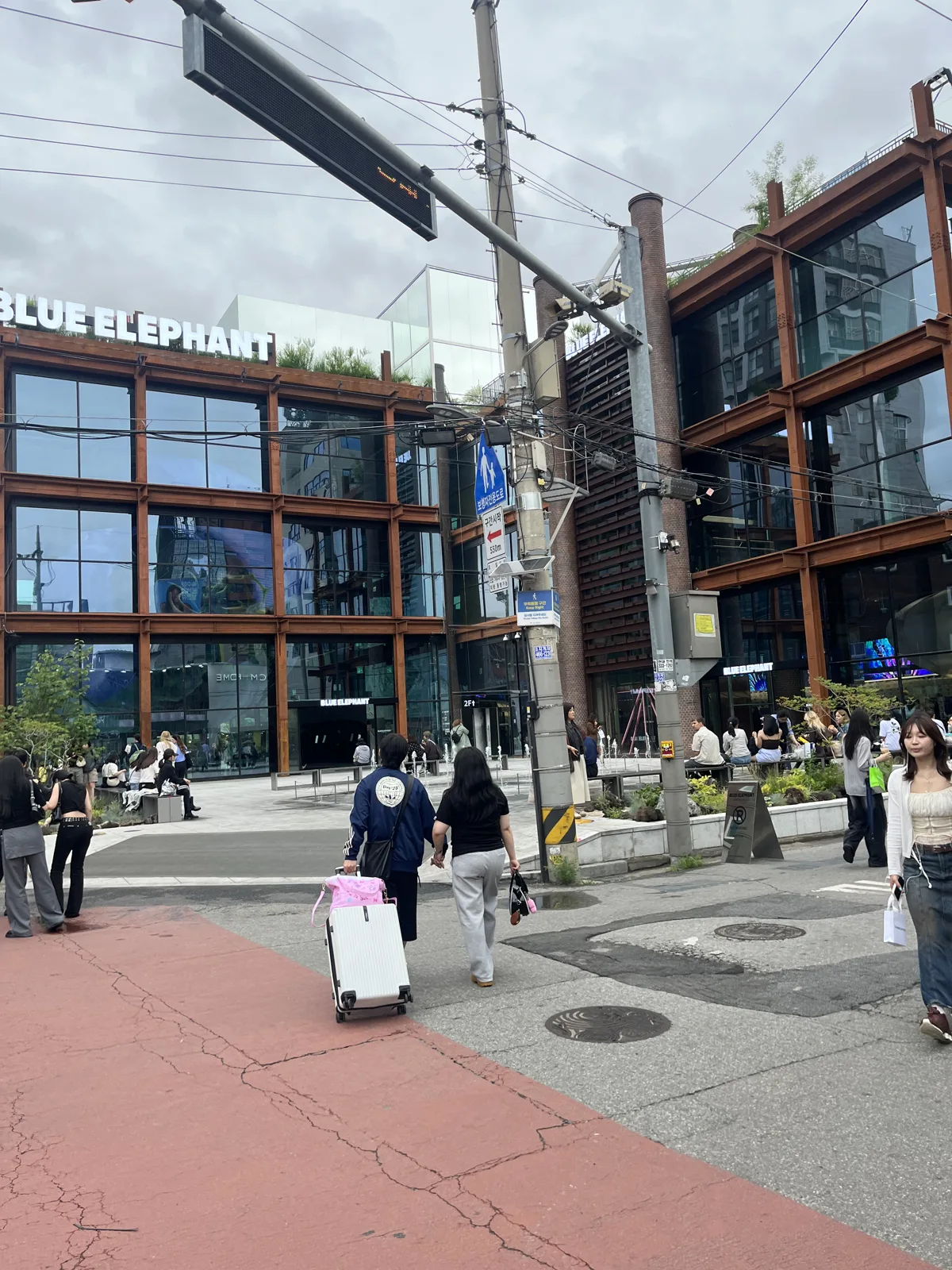
Rents on the side streets are still lower than the main drag, so independent owners can afford to be picky and slow. That is the real luxury here. Nobody is rushing you, nobody is upselling you, and the person at the counter usually made or chose half the things in the room. If you want the wider context of how these streets fit together, my Seongsu-dong Seoul travel guide maps the stations, the main strip, and the quieter pockets where the concept stores hide.
Compared to the flagships, the energy is completely different. A brand flagship wants you in and out and photographed. A concept store wants you to stay, touch things, and leave with something small that means something. That slower pace is exactly why I prefer them.
My Slow Concept-Store Afternoon in Seongsu
On my last trip I gave myself a whole afternoon with no schedule, just three concept stores loosely pinned on my map. I arrived at Seongsu Station around 1pm on a Tuesday, grabbed a ₩6,000 iced coffee, and started walking. By 5pm I had visited all three, sat down twice, and spent about ₩42,000 total without ever feeling like I was being sold to.
The pace is the whole point. At Kinfolk Notes I spent forty minutes just turning notebooks over and testing pens on the little paper pads they leave out. Nobody hovered. I bought two cards and a brass clip, walked out, and felt like I had been somewhere rather than through a checkout.
In Sydney, an independent design-stationery shop is a treat I might find one of, maybe in Surry Hills. In Seongsu I walked between three of them in one afternoon, that brass clip costing me around ₩4,000. It is the sheer density of small, opinionated shops within a few blocks — not the prices alone — that I have never managed to find back home.
By the end my tote was heavier and my wallet barely lighter, which is the mark of a good concept-store day. I had a vintage shirt, some stationery, two stickers I did not need, and zero regrets. That balance is hard to get at the big flagships, where one thing usually costs what my whole afternoon cost here.
The Three Seongsu Concept Stores I Keep Going Back To
These are the shops I have visited more than once and would send a friend to without hesitation. I have ranked them loosely by how often I actually leave with something, not by how photogenic they are.
Kinfolk Notes (design stationery and lifestyle)
Kinfolk Notes is the one I warn friends about, because it eats time and money in the gentlest way. The glass storefront opens into a calm, well-lit room of notebooks, pens, ceramics, and small homewares, all chosen with a quiet, muted-palette taste. I like that nothing screams for attention. You pick things up because they feel good in the hand, not because a sign told you to. Prices are fair for the quality, with cards around ₩3,000 to ₩5,000 and nicer notebooks closer to ₩18,000. If you only do one stationery stop in Seongsu, make it this one, and give yourself longer than you think you need.
Seongsu Vintage (curated second-hand fashion)
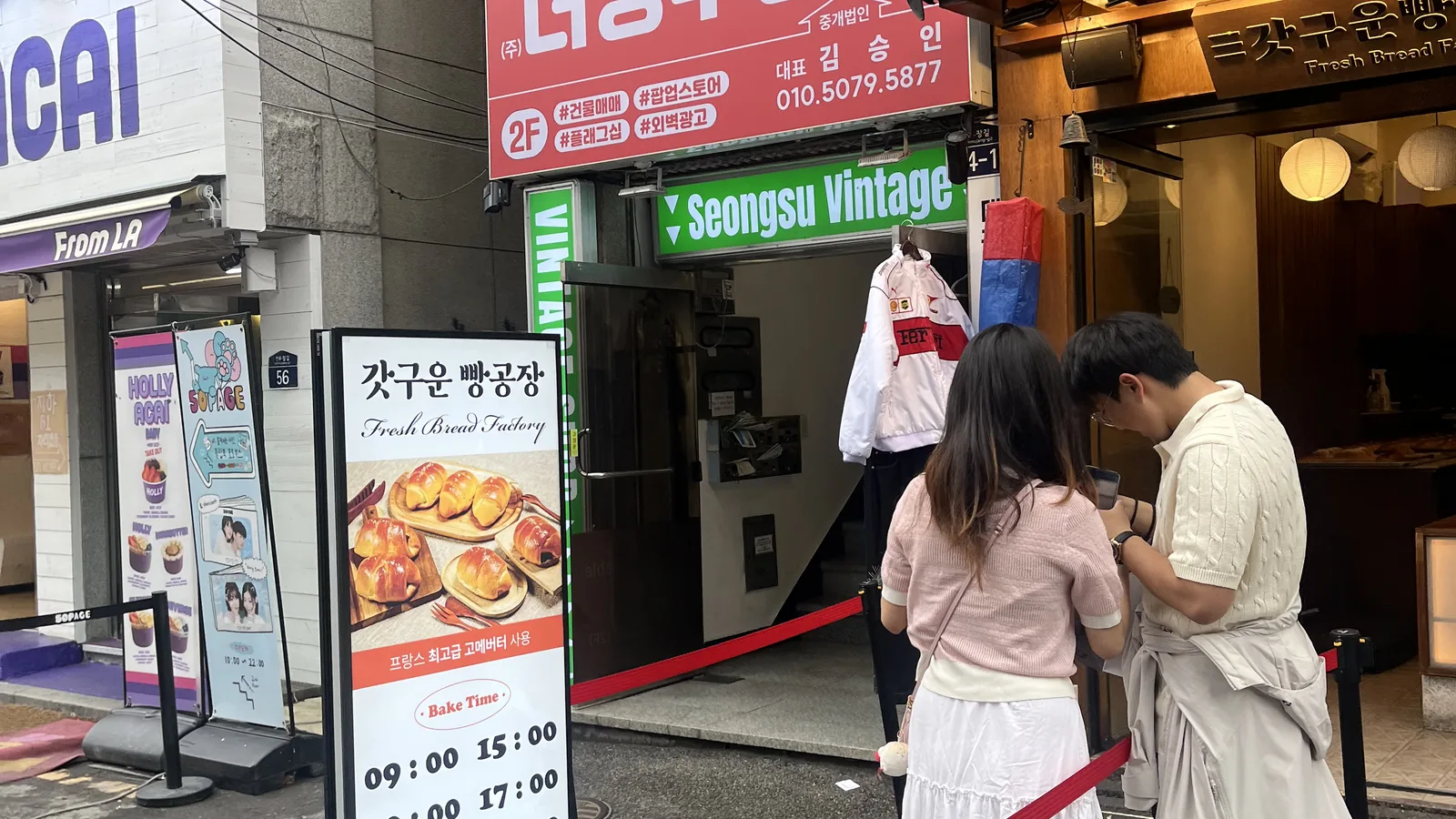
Seongsu Vintage is the shop that taught me to slow down and actually dig. It sits down a narrow alley, with a hand-painted sign you can easily miss, and inside the racks are tight but the eye behind them is sharp. This is not a charity-shop jumble. Someone has clearly pulled denim, jackets, and a few designer pieces with real intention, so the hit rate is high even though the space is small. I have found a wool coat and a band tee here on separate trips. Bring patience and try things on, because vintage sizing is its own adventure and there is usually only one of each.
Lucky Pop (colourful pop-culture variety store)
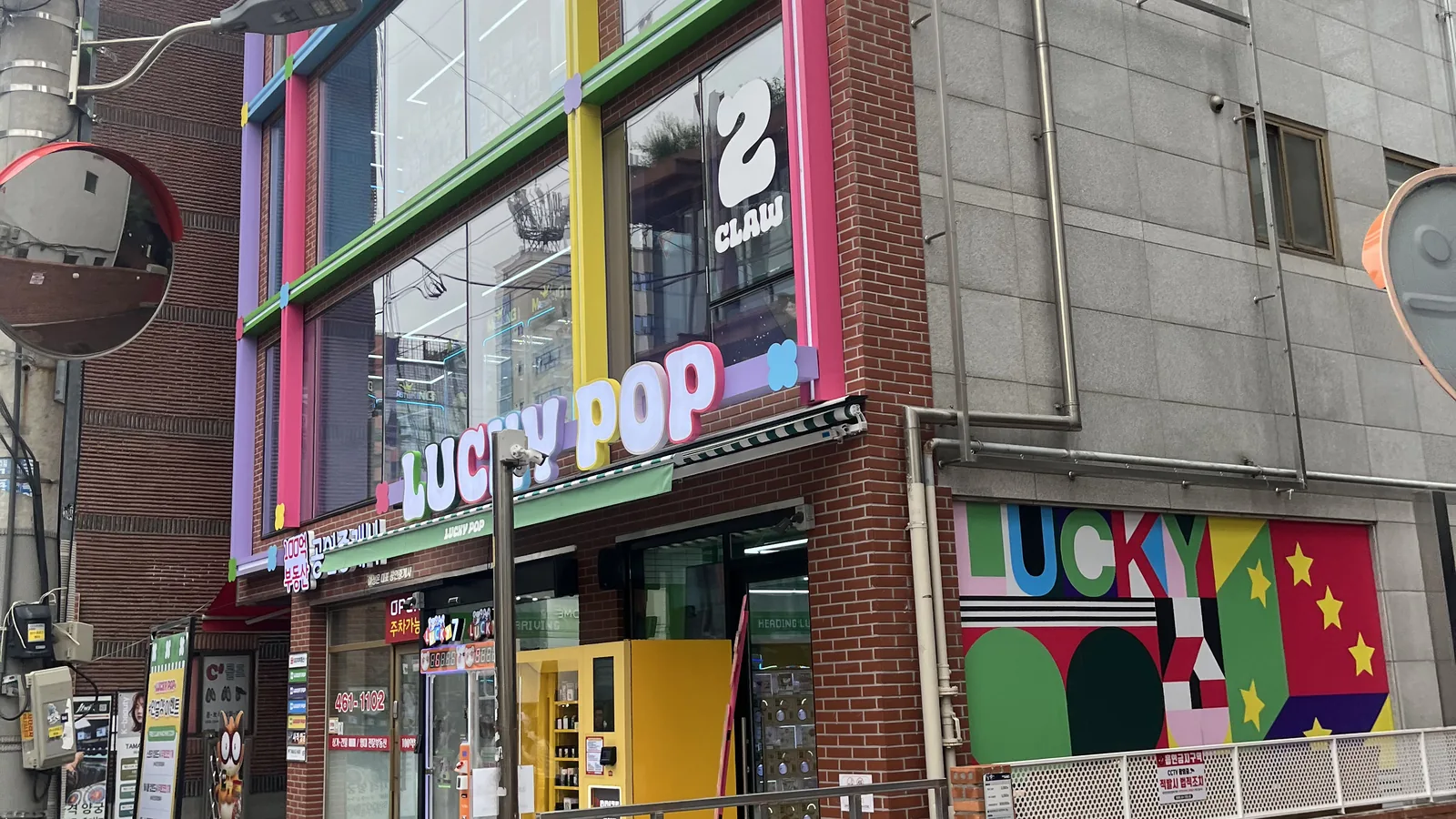
Lucky Pop is pure serotonin. The rainbow facade alone makes people stop, and inside it is a happy chaos of accessories, character goods, stickers, hair clips, and pop-culture knick-knacks. This is the cheap, fun end of the concept-store spectrum, where nothing costs much and everything is a little bit silly. I think of it as the gift-and-souvenir stop. You will not find a future heirloom here, but you will find five small things under ₩10,000 that make people back home smile. It is also the most kid-and-group-friendly of the three.
What I Actually Bought and What I Skipped
Honesty time, because a concept store is only worth your money if you leave with something you actually use. Here is what came home in my tote and what I deliberately left on the shelf.
From Kinfolk Notes I bought a brass paper clip set for about ₩4,000, two greeting cards, and a slim grey notebook. I use the notebook daily, so that is a clear win. I skipped a beautiful ₩42,000 ceramic vase, not because it was bad but because it would never survive my suitcase back to Sydney. Know your luggage before you fall in love.
From Seongsu Vintage I bought a soft wool coat for ₩55,000 after trying on three. I left a denim jacket that almost fit, because “almost” and vintage do not mix. The lesson I keep relearning here is that second-hand sizing lies, so the fitting room is non-negotiable.
From Lucky Pop I grabbed a handful of stickers and two enamel pins for under ₩12,000 total, the kind of light, cheap souvenirs that are perfect for distributing to friends. I skipped the bigger plush toys, which were cute but bulky and not really worth the case space. If you are weighing the heavier craft-style buys, my guide to Seongsu-dong craft workshops covers the make-your-own options that travel better than a fragile keepsake.
Seongsu Concept Stores Comparison Table
| Concept Store | Type | What to Expect | Price Range | Best For |
|---|---|---|---|---|
| Kinfolk Notes | Design stationery and lifestyle | Notebooks, pens, ceramics, calm muted palette | ₩3,000–₩40,000+ | A souvenir you will actually use |
| Seongsu Vintage | Curated second-hand fashion | Tightly edited racks of denim, jackets, the odd designer piece | ₩20,000–₩90,000 | Patient hunters and one-off finds |
| Lucky Pop | Pop-culture variety store | Accessories, character goods, stickers, cheap and cheerful | ₩2,000–₩15,000 | Quick gifts and group fun |
Tips for Shopping Seongsu Concept Stores
After enough slow afternoons, a few habits make these shops far more rewarding and far less stressful.
- Carry your own tote: Many small shops charge for bags or do not give them at all, so a folded tote saves money and your purchases from getting crushed.
- Bring some cash: Cards work nearly everywhere, but the smallest vintage and variety stores occasionally prefer cash, and ₩50,000 in your pocket avoids any awkward moment.
- Try vintage on, always: Sizing is inconsistent and there is usually only one of each piece. The fitting room is the difference between a treasure and a regret.
- Think about your suitcase first: Ceramics and glassware are gorgeous and fragile. If it cannot survive a checked bag, photograph it and walk away.
- Go on a weekday afternoon: The side streets are calm, the owners have time to chat, and you can actually browse instead of shuffling past other shoppers.
- Slow down: Concept stores reward lingering. The best finds are never on the front table; they are at the back, on the bottom shelf, behind something else.
What to Do Between the Shops
The gaps between these concept stores are where Seongsu quietly wins you over. The side streets are stitched together with cafes, galleries, and tiny workshops, so the walking never feels like dead time.
My favourite habit is to break a shopping circuit with something I make rather than buy. A calm, hands-on session resets the pace after an afternoon of browsing, and a UNIU ring-making workshop is a lovely ninety minutes that sends you home with something you actually made. It pairs naturally with the make-your-own theme that runs through the neighbourhood.
If a scent souvenir is more your thing, the area is full of fragrance studios, and a Note perfume-making class lets you build a bottle to your own taste. I write more about the booking details and what to expect in my Seongsu-dong perfume-making class guide, which is worth a read before you reserve a slot.
For the stationery side specifically, it is worth knowing the lineage. Kinfolk Notes draws on the same slow, considered aesthetic that the Kinfolk magazine made famous, which is partly why it feels so coherent. And if you want an official calendar of design events and shop openings across the city, Visit Seoul keeps a useful running list.
FAQ
What are Seongsu concept stores?
Seongsu concept stores are curated independent shops in the Seongsu-dong district of Seoul, each built around a strong point of view rather than just stocking products. They range from design stationery and lifestyle goods to curated vintage fashion and colourful pop-culture variety stores. The shared thread is careful curation, so browsing feels like exploring someone’s taste rather than a generic retail floor.
How much do Seongsu concept stores cost to visit?
Entry is always free; you only pay for what you buy. Prices vary widely by shop, from ₩2,000 stickers and cards to ₩90,000 vintage coats. On a relaxed afternoon I spent about ₩42,000 across three stores without buying anything large. Your only fixed costs are coffee and the ₩1,400 subway ride to get there.
Do I need to book Seongsu concept stores in advance?
No, these are walk-in shops with no reservation or timed entry, unlike the big luxury pop-ups. You can wander in and out whenever the stores are open, usually from late morning until evening. The only thing worth booking ahead is a paid activity like a workshop if you want to slot one between the shops.
When is the best time to shop Seongsu concept stores?
Weekday afternoons are ideal, when the side streets are calm and owners have time to chat. Weekends get busy with the same crowds that fill the pop-ups, so the smaller shops can feel cramped. Mid-afternoon also gives you good light for the walk and enough time to sit down for coffee between stops.
Are Seongsu concept stores good for souvenirs?
They are some of the best souvenir shopping in Seoul, especially for light, personal gifts. Design stationery, stickers, small ceramics, and enamel pins travel well and feel more thoughtful than mass-produced trinkets. Just be careful with fragile ceramics and bulky items, and think about your suitcase space before falling for something large.
My Thoughts
These small curated shops are the part of Seongsu I would miss most if it changed. The flagships and luxury pop-ups are spectacular, but they are also interchangeable in a way the concept stores never are. A brand flagship in Seongsu could be in Tokyo or Shanghai. Seongsu Vintage and Kinfolk Notes could only be here.
My honest advice is to budget more time than you think and less money than you fear. An afternoon of concept-store browsing is one of the cheapest, most satisfying things you can do in the neighbourhood, and the things you bring home tend to outlast the photos. The brass clip from Kinfolk Notes is still on my desk in Sydney.
So skip a queue or two, walk a side street with no plan, and let the small shops slow you down. That, more than any pop-up, is the version of Seongsu I want visitors to leave with.
Planning Your Seongsu Concept-Store Afternoon?
Give your slow shopping day one made-by-you keepsake that beats anything off a shelf. The Lumiere create-your-own-perfume class is the one I would book first to round out a browsing afternoon — small group, calm pace, and a custom bottle to take home.