Disclosure: This post contains affiliate links. If you purchase through these links, I may earn a commission at no extra cost to you.
Seoul Shopping 2026 is not just about buying things—it’s about experiencing culture, lifestyle, and innovation in two iconic places: The Hyundai Seoul and Lotte World Tower
Whenever I return to Korea after spending over two decades in Australia, one of the things that strikes me most is how dramatically Seoul’s shopping culture has evolved. When I left Korea in the early 2000s, malls and department stores were prestigious spaces, but their focus was straightforward: branded goods, polished service, and a sense of hierarchy in retail. Over the years, however, Seoul has transformed its malls into cultural landmarks where shopping, art, technology, and lifestyle intersect.
In 2026, two destinations capture this evolution better than any others: The Hyundai Seoul in Yeouido and Lotte World Tower in Jamsil. These places aren’t simply where you buy clothes or cosmetics. They are immersive experiences that embody modern Korean culture—youthful, tech-savvy, and globally connected. As someone who has spent much of my adult life in Melbourne and Sydney, visiting these spaces felt like stepping into the future of retail.
The Hyundai Seoul – Heart of Seoul Shopping 2026
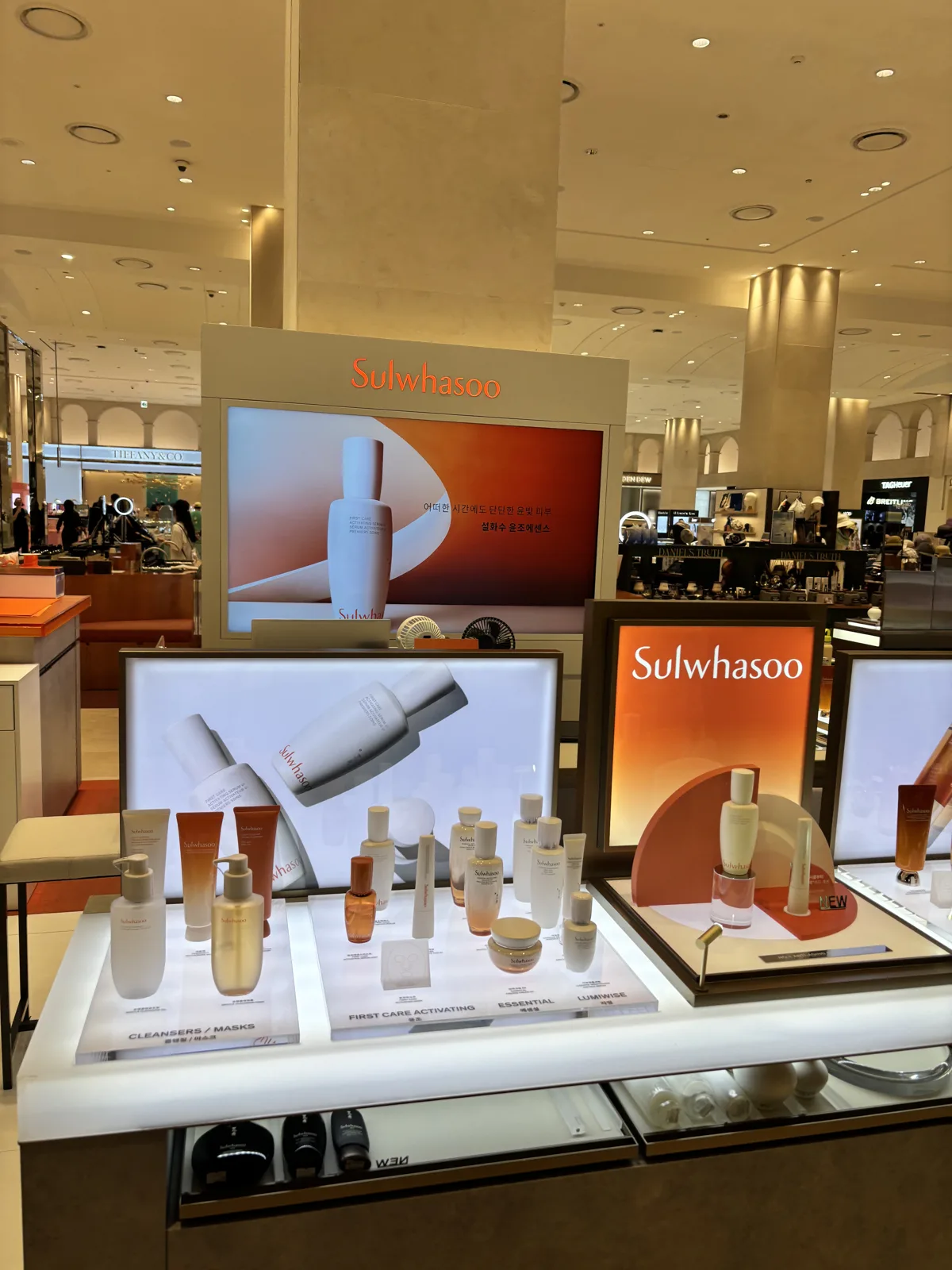
When The Hyundai Seoul opened its doors in 2021, many locals wondered why Seoul needed yet another department store. Yet from my very first visit, it was clear that Hyundai was rewriting the rules. Instead of just stacking brands floor by floor, the space feels like a carefully curated art gallery that happens to sell fashion, lifestyle, and technology.
The Atmosphere
The atrium garden is one of the most striking features. I still remember walking into the vast open space, filled with natural light streaming through skylights, surrounded by greenery that seemed almost surreal for a shopping mall. It reminded me of Melbourne’s Federation Square in how it blurred the boundary between urban architecture and cultural experience. But here, instead of being outdoors, you find yourself in a climate-controlled environment where nature and retail coexist.
The Pop-Up Culture
What sets Hyundai apart is its pop-up philosophy. Unlike Australia, where pop-up shops are typically seasonal or appear during big events, Hyundai integrates them into everyday life. On one visit, I encountered a BTS-themed K-fashion showcase, with exclusive jackets and accessories available only for a limited time. The atmosphere was buzzing with excitement. Fans queued not just to purchase but to photograph themselves against elaborate backdrops, instantly uploading their experiences to Instagram and TikTok.
On another visit, I stumbled upon a sneaker capsule exhibition where rare collaborations were displayed like museum pieces. I couldn’t help but think how different this is from Australian malls, where sneaker releases often feel transactional. In Seoul, even buying shoes becomes a cultural statement.
Tourist-Friendly Services
Beyond trends, Hyundai’s tourist-focused services impressed me. Free 24/7 luggage storage allowed me to shop hands-free immediately after arriving from Incheon Airport. The AI concierge, available in multiple languages, recommended nearby dining spots I wouldn’t have found otherwise. For global travelers, these thoughtful touches can make all the difference.
If you are planning to navigate Seoul efficiently, I recommend reading my guide on Seoul Subway Travel Tips for First-Time Visitors. It pairs perfectly with a shopping itinerary that includes Hyundai.
Lotte World Tower – A Vertical City of Luxury and Lifestyle
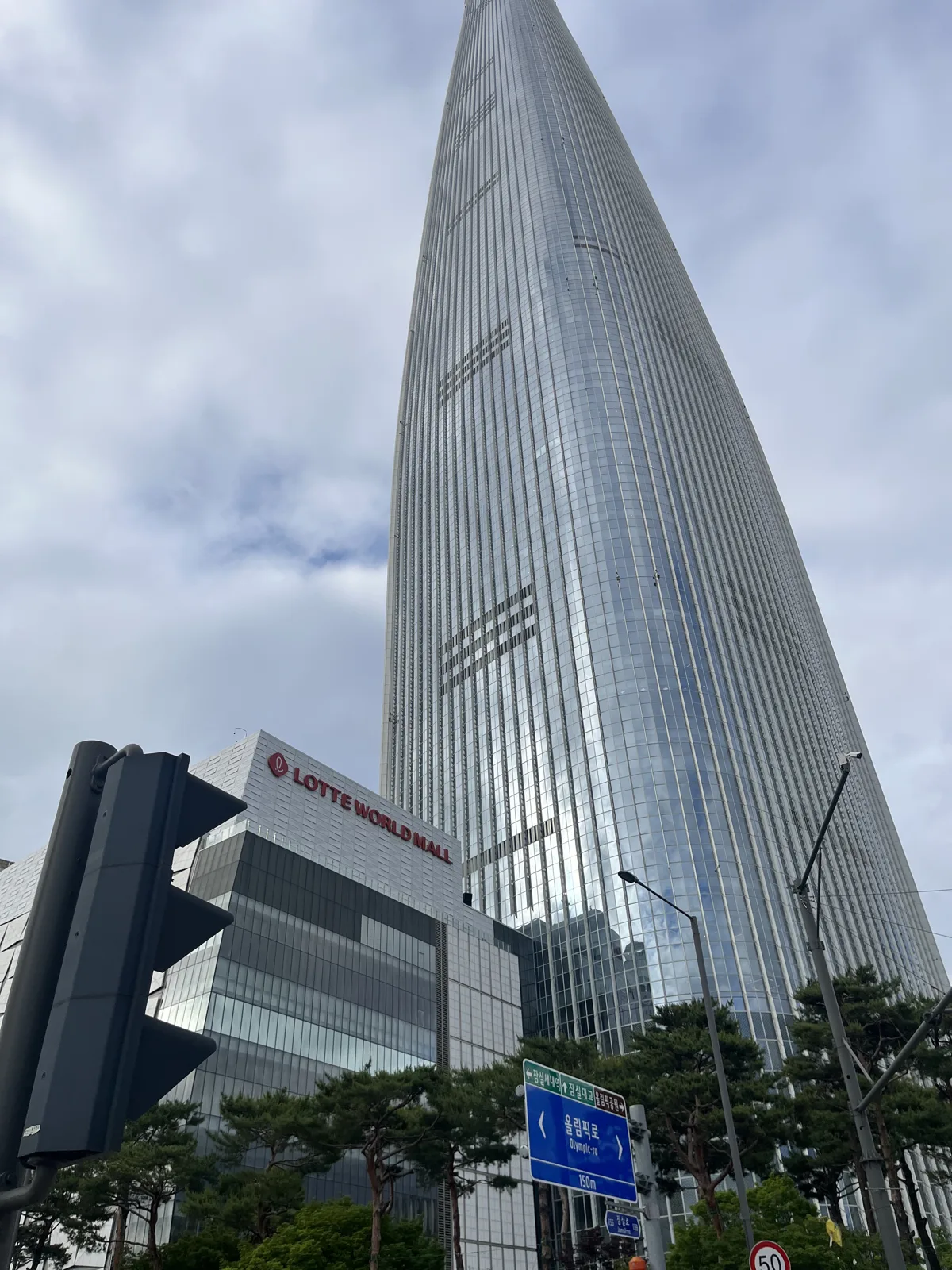
If Hyundai represents the restless creativity of youth, Lotte World Tower embodies scale, prestige, and ambition. Standing at 123 floors, it is not just Korea’s tallest building but also a symbol of modern Seoul’s confidence.
Beyond the Observatory
Most tourists know the Tower for its 123F observatory, offering panoramic views of the Han River and the sprawling cityscape. But what impressed me more was how the broader complex integrates multiple experiences. AvenueL houses luxury brands like Louis Vuitton and Chanel, while Lotte World Mall caters to families with kid zones, theaters, and dining spaces. Step outside, and you’re greeted by Seokchon Lake, where cultural festivals and fashion showcases often take place.
One spring, I attended an eco-fashion event at the Lake Plaza. Local designers presented sustainable collections against the backdrop of cherry blossoms. It was a beautiful reminder of how Seoul’s shopping culture doesn’t isolate itself from nature or community, but rather embraces them. In Australia, shopping centers rarely integrate with outdoor spaces in such a fluid way. Sydney’s Darling Harbour comes close, but Lotte does it on a grander, more immersive scale.
Tourist Services at Their Best
Another highlight is the Discovery Seoul Pass (2026 edition), which bundles entry to the observatory, mall events, and surrounding attractions. For travellers, this is a convenient way to maximise experiences while saving money. The Tower also supports real-time AI translation in 13 languages, processing hundreds of queries daily.
When I compared this to my experiences in Melbourne, where translation services at malls are minimal, I realised how forward-thinking Korea is about welcoming international guests. Seoul recognizes that language shouldn’t be a barrier to enjoying culture, and it invests heavily in overcoming that.
Hyundai vs. Lotte – Different Sides of Seoul
Both destinations serve different needs. Hyundai is energetic, experimental, and perfect for younger travelers who want to immerse themselves in K-pop, K-fashion, and trend-led experiences. Lotte is monumental, polished, and ideal for families, luxury seekers, or anyone looking for an iconic photo opportunity from the sky.
As someone who has lived abroad for years, I find Hyundai closer to Seoul’s pulse of innovation, while Lotte reflects Korea’s global ambitions. Visiting both in a single trip offers a comprehensive view of how Seoul expresses itself in 2026.
Practical Tips from My Experience
- Visit Hyundai Seoul on weekdays for shorter pop-up lines.
- Use the AI concierge apps for real-time updates about events.
- Time your Lotte World Tower visit for golden hour; the view of the Han River is unforgettable.
- Ask about luggage delivery services if you plan heavy shopping—some hotels partner directly with Hyundai.
- Tax refunds are widely available at both destinations—carry your passport and request a refund receipt.
🛍️ Where to buy: A couple of these are easy to order from Olive Young Global:
BEAUTY OF JOSEON Glow Deep Serum : Rice + Alpha-Arbutin — a glow-boosting serum.
(affiliate links)
FAQs
Q1. Which mall is better for trend-seekers?
The Hyundai Seoul, thanks to weekly pop-ups and experimental showcases.
Q2. Which is more family-friendly?
Lotte World Tower, with its kid zones, mall attractions, and nearby lake events.
Q3. Do both offer English support?
Yes. Hyundai has an AI concierge, while Lotte provides live translation in 13 languages.
Q4. Can I get tax refunds at both?
Yes. Most tenants offer tourist tax refunds with a passport.
Q5. Best time to visit Hyundai Seoul?
Weekdays are best for avoiding crowds at popular pop-ups.
External Resources
Final Thoughts: Which One Should You Pick?
If I had to choose between the two: go to The Hyundai Seoul for the experience — the indoor gardens, the pop-ups, and the sheer scale make it worth a half-day even if you buy nothing. Lotte World Tower is the better call if you want the observation deck and department-store staples in one trip.
Both are easiest on a weekday; weekends turn the food halls into a scrum. Wear comfortable shoes — you’ll walk far more than you expect in either.