Seoul Metro 2026 is more than just public transport—it’s the most efficient way to explore the city like a local.
When people ask me what I miss most about Korea after living in Australia for over two decades, the first thing that comes to mind is the Seoul Metro. That might surprise some people. After all, a subway is just a subway, right? But anyone who has lived in or visited Seoul knows that this underground network is more than just transportation—it’s the lifeline of the city.
In Australia, I’ve spent years navigating the train systems in Sydney and Melbourne. Sydney’s trains are scenic, connecting suburbs to the city with views of the harbor. Melbourne’s trams are charming, weaving through the central grid. But neither compares to the scale, efficiency, and cultural role of the Seoul Metro. In 2026, with upgraded technology, longer operating hours, and tourist-friendly services, Seoul’s subway has become not only a way to get from A to B but also an experience that tells you a lot about Korean society.
First Encounters with Seoul Metro
I still remember my first ride after moving back and forth between Korea and Australia. It was a weekday morning, and I underestimated Seoul’s rush hour. The train doors opened, and a flood of commuters moved like a wave. I was squeezed into the car with barely enough room to hold my backpack. Coming from Melbourne, where trains often feel half-empty even at peak times, this was shocking. Yet there was also something fascinating: the quiet discipline of it all. Despite the crowd, no one shouted, no one pushed aggressively. People adjusted, creating space, and within minutes, everyone was on their phones or dozing off.
That was my initiation into what I now call the unwritten rules of Seoul Metro life—efficiency, silence, and shared etiquette.
The Power of the Network
At first glance, the Seoul subway map looks overwhelming. Over 20 lines crisscross the city in a rainbow of colors, stretching from the northern mountains to the satellite cities beyond the Han River. But once you learn to read it, the complexity becomes its greatest strength. Unlike in Sydney, where missing one train could delay you by 30 minutes, in Seoul another arrives within three to five minutes. Trains run early in the morning and until close to 1 a.m., making nightlife and late dinners much easier to enjoy without worrying about transport.
Apps like KakaoMap and Naver Map have made navigating effortless. Just type in your destination, and the app tells you which line to take, where to transfer, and which exit will place you closest to your café, gallery, or market. Compare that with Melbourne, where I often found myself confused about tram zones and Myki card top-ups. In Seoul, the system is not only extensive but also designed with digital natives and tourists in mind.
T-Money and the Joy of Convenience
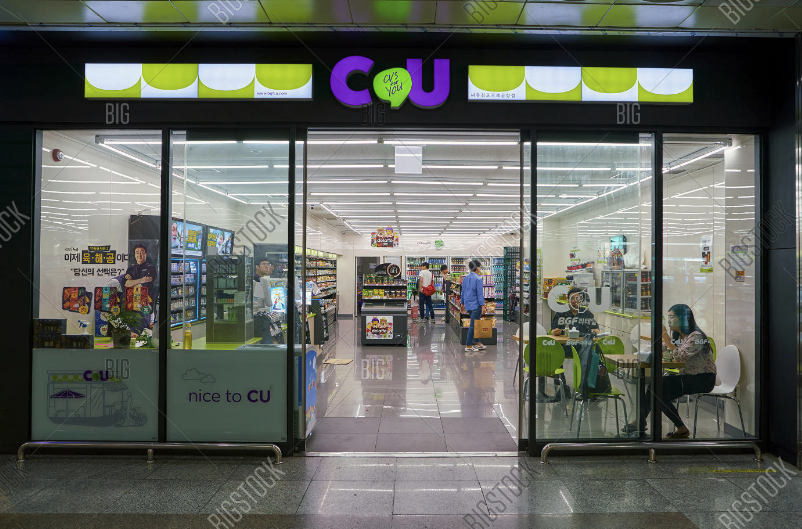
Every subway story in Seoul begins with a T-Money card. It’s a rechargeable card that you can buy at convenience stores like GS25, CU, or 7-Eleven. What I find remarkable is the design variety—some cards feature K-pop groups, others cute mascots, making even the act of buying a transport card fun.
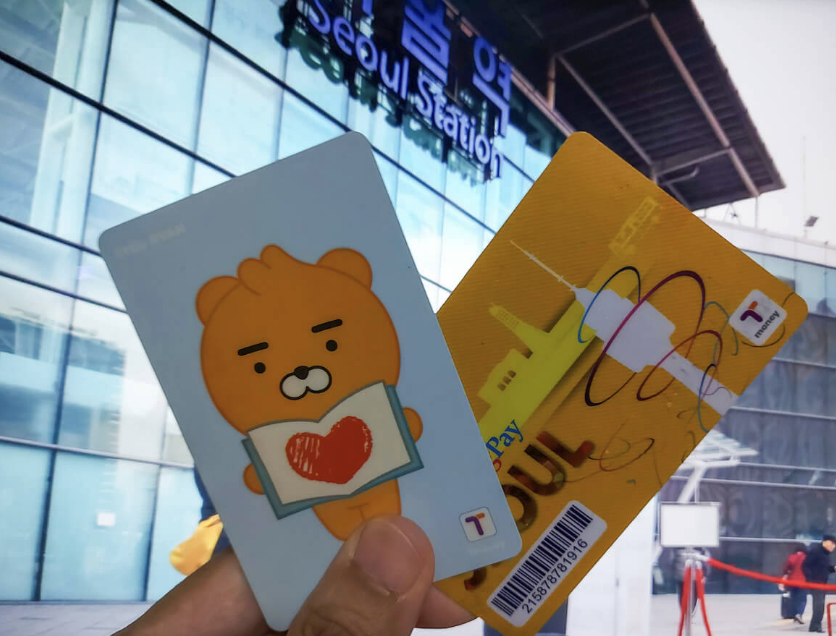
Recharging is simple: kiosks are everywhere, and store clerks top them up without fuss. This might sound basic, but coming from Australia, where topping up transport cards sometimes feels unnecessarily complicated, I found Korea’s efficiency refreshing. Tap in at the gate, tap out when you leave, and the system calculates everything. Even buses and some taxis accept T-Money, making it a true all-in-one travel companion.
For more details on how T-Money fits into your Seoul trip, check out my guide on the Korea transport guide, Must have apps and website
Cultural Observations Underground
What fascinates me about the Seoul Metro isn’t just the mechanics—it’s the culture it reflects. In Sydney, I often hear loud conversations or even buskers performing in carriages. In Seoul, silence dominates. People text, scroll social media, or nap quietly. Reserved seats, marked in pink or orange, are strictly respected. Even if empty, most people won’t sit unless they qualify.
There’s also the escalator rule: stand on the right, walk on the left. I once forgot this after years in Melbourne, where the rule is less consistent, and quickly found myself blocking frustrated commuters. These small details illustrate the collective rhythm of Korean society—orderly, fast-moving, and respectful of unwritten norms.
Mistakes and Lessons Learned
Of course, no metro experience is complete without mistakes. Once, after a late night in Hongdae, I boarded the wrong train and ended up in a quiet station in northern Seoul, far from my guesthouse. It was close to midnight, and for a moment, panic set in. But within minutes, I checked the app, rerouted myself, and got back on track. That’s the beauty of Seoul Metro—you can’t really get lost. The system is too interconnected. Mistakes become part of the adventure.
Practical Comparisons: Seoul vs. Australia
Here’s what stands out most when I compare Seoul’s subway to Australia’s systems:
👉 I wrote about this in more detail in The Best Food Markets in Seoul – A 2026 Guide — seoul is a city that never sleeps, and at its heart are the best food markets in seoul — places where tradition, culture, and it’s worth the read.
- Frequency: In Seoul, trains every 3–5 minutes; in Sydney, often 15–20.
- Operating Hours: Seoul until 1 a.m.; Melbourne trains often stop around midnight.
- Convenience: T-Money usable across subways, buses, taxis; in Australia, cards like Opal or Myki are restricted.
- Digital Integration: Seoul apps give real-time directions, exit info, and crowd updates; Australia’s apps are improving but less detailed.
These differences show how Seoul Metro isn’t just about transport—it’s about city lifestyle and accessibility, values deeply embedded in modern Korean urban life.
Why Tourists Should Love It
For travellers, Seoul Metro offers unmatched benefits:
- Safe at all hours, even late at night.
- Multilingual announcements and signs (Korean, English, Chinese, Japanese).
- Free Wi-Fi in most trains and stations.
- Affordable fares—cheaper than Sydney or Melbourne equivalents.
External Resources
For official maps, updates, and tourist info, I recommend:
FAQs
Q1. Is the Seoul Metro safe at night?
Yes, it’s considered one of the safest metro systems in the world, with CCTV, staff, and well-lit stations.
Q2. Can I use a credit card instead of T-Money?
Some foreign credit cards work directly at gates, but T-Money remains the most reliable option.
Q3. How late does the subway run?
Most lines run until about 12:30–1:00 a.m., but check last-train schedules to avoid being stranded.
Q4. Is Wi-Fi really free?
Yes, free public Wi-Fi is available in most subway cars and stations, though speeds vary by crowd.
Q5. Which app is best for navigation?
KakaoMap and Naver Map are the most accurate, with real-time updates and English support.
Final Reflection
When I ride Seoul Metro today, I see more than trains and tunnels. I see the heartbeat of the city—millions of lives intersecting daily in an underground rhythm that defines urban Korea. Coming from Australia, where public transport is slower and less integrated, Seoul feels like a glimpse of the future.
What I love most is how the Metro democratises the city. Whether you’re a student rushing to class, a tourist chasing K-pop landmarks, or a grandmother visiting a market, the system carries everyone equally. That sense of inclusiveness reflects the broader story of Seoul itself—modern, dynamic, and constantly moving forward.
For visitors in 2026, learning to ride the Metro isn’t just about convenience. It’s about experiencing Seoul like a local, understanding its pace, and becoming part of its everyday magic.
Hi, this is a comment.
To get started with moderating, editing, and deleting comments, please visit the Comments screen in the dashboard.
Commenter avatars come from Gravatar.
Pingback: Gyeongbokgung Palace Guide 2025: First-Time Visitor Tips
Pingback: Korea Food Travel Guide 2025 – Best Eats in Seoul, Busan & Jeonju