The first thing that welcomed me back to Korea after years in Australia wasn’t a skyscraper or a luxury restaurant—it was the bubbling red pan of tteokbokki at Gwangjang Market. The air smelled like sweet gochujang mixed with the cold of winter, and the metal ladles clanged like music. That moment reminded me that Korea’s heart beats not in palaces but in street markets. In Sydney, I used to chase comfort by the sea; in Seoul, I found it in steam and spice. Tteokbokki isn’t just food—it’s warmth, noise, and home served in a bowl.
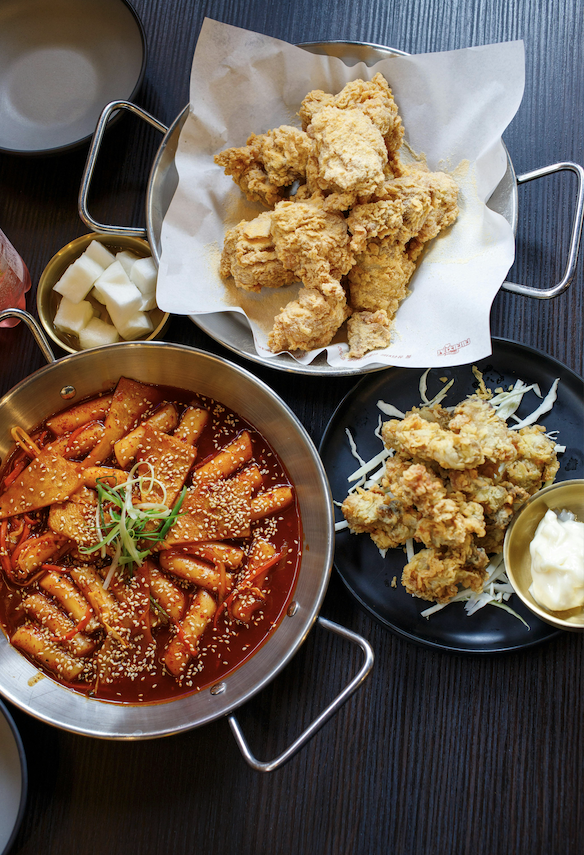
After spending years in Australia, I realised that street food reveals a country’s rhythm. Australians quietly eat fish and chips by the ocean, the waves their only companion. In Korea, street food is loud, fast, and shared. People huddle together, laughing through the heat, wiping sweat from their faces while reaching for another bite. Tteokbokki connects people—it invites conversation, it turns strangers into friends. That sense of togetherness is what I missed most while living abroad.
Table of Contents
- What Makes Tteokbokki Special
- A Dish With Royal Origins
- Where to Try the Best Tteokbokki in Seoul
- Tteokbokki Variations for Every Taste
- Why Foreign Travellers Love It
- Eating Tteokbokki Like a Local
- Final Thoughts: Korea vs Australia
What Makes Tteokbokki Special
Every bowl of tteokbokki begins the same way—chewy rice cakes simmering in gochujang—but no two taste alike. Some vendors add fish cakes and eggs; others drown them in molten cheese. I’ve even seen one in Hongdae sprinkle truffle oil on top, turning this humble snack into something worthy of fine dining. But what never changes is the feeling: standing at a stall, spoon in hand, sharing a laugh as the sauce stains your gloves. That’s the real recipe.
When I brought my Australian friends to try tteokbokki for the first time in Seoul, they were sceptical. “It looks dangerous,” one of them said, laughing at the bright red sauce. But after the first bite, they couldn’t stop. The sweetness hit first, then the spice crept in, and soon they were hooked. They said it reminded them of late-night kebabs back home—but warmer, somehow more human. That’s when I realised why foreigners love this dish: it’s fiery, but it feels like a hug.
A Dish With Royal Origins
Most people don’t know that tteokbokki began in royal kitchens. Centuries ago, during the Joseon Dynasty, it was a soy sauce–based stir-fry called gungjung tteokbokki—simple, savory, and elegant. I once saw the old cooking utensils displayed at the National Museum of Korea, and it made me smile. Who could’ve guessed that a dish once served to nobles would later feed students at bus stops? When Seoul’s post-war street vendors mixed gochujang with rice cakes in the 1950s, history took a spicy turn—and the people never looked back.
Today, both versions exist. I’ve enjoyed the mild, savoury royal tteokbokki at a traditional restaurant near Gyeongbokgung Palace, and while it’s elegant, it doesn’t ignite the same excitement as the bubbling red pans you see in Seoul’s markets.
Where to Try the Best Tteokbokki in Seoul
If you’re visiting Seoul, there are certain neighbourhoods that make the tteokbokki experience unforgettable
Seoul tells its story through tteokbokki. In Hongdae, the dish is playful and modern—topped with mozzarella, ramen, and a hint of laughter. In Gangnam, it’s sophisticated, dressed with seafood and truffle oil. But nothing beats Gwangjang Market, where ajummas stir pans big enough to bathe in, teasing customers who ask for “mild.” Across town, Sindang-dong Tteokbokki Town glows red at night—a whole street dedicated to one dish. Each neighbourhood offers its own flavour of Seoul’s energy.
👉 If you love exploring Korean street flavours, you’ll definitely enjoy my Seoul Korean BBQ Guide 2025, where I share the best restaurants by neighbourhood and local cooking traditions.
I still remember taking my Australian colleagues to Gwangjang Market on a cold winter night. Steam fogged my glasses as the vendor handed us a plate. “Less spicy, please,” I asked, and she smiled before adding another spoonful of chilli paste. We laughed until tears rolled down our faces—half from laughter, half from spice. That night, I realised that tteokbokki burns twice: once on your tongue, and again in your memory.
Tteokbokki Variations for Every Taste
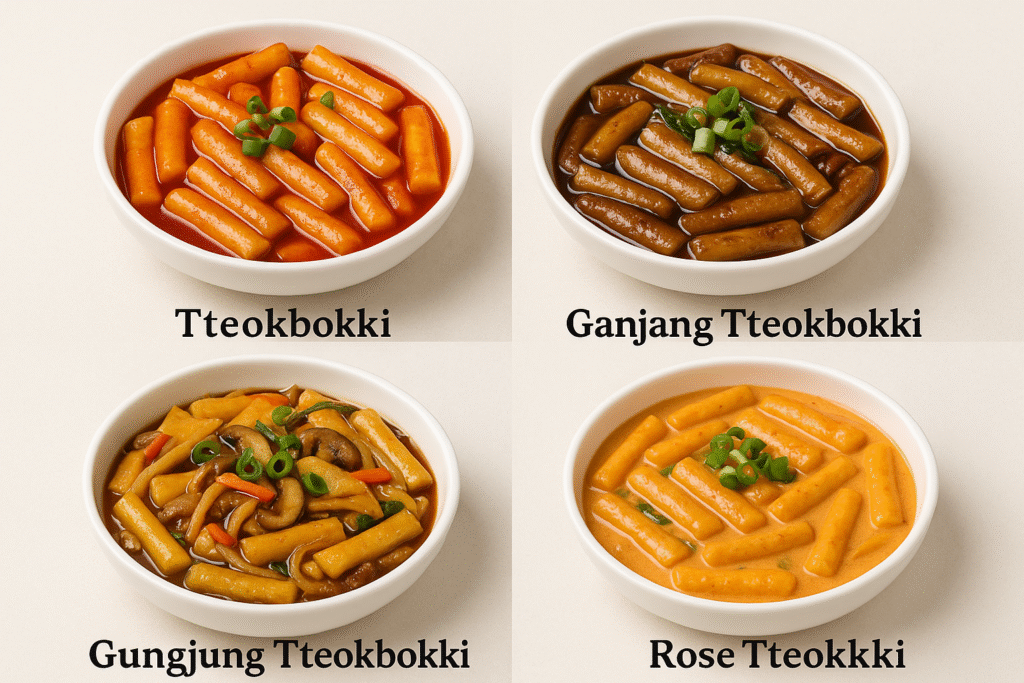
Not everyone is built for spice, and that’s the beauty of tteokbokki
Tteokbokki now wears many faces. The royal soy-sauce version whispers tradition; the cheese one melts hearts and heat alike. Rose tteokbokki is creamy and romantic—Korea meets Italy in a bowl. Seafood tteokbokki, my favourite, brings the ocean to the street with clams and squid. Like pizza in the West, it changes shape but never soul. Each version keeps Korea’s story alive through spice and creativity.
In a way, tteokbokki is Korea’s answer to pizza — endlessly customizable, always comforting.
👉 Want to understand the heart of Korean food culture? Read my Kimchi – The Soul of Korean Cuisine to discover how this humble side dish represents Korea’s flavor, history, and resilience.
Why Foreign Travellers Love It
Foreign visitors often describe tteokbokki as “painful but addictive.” I’ve heard every comparison—“spicy fries,” “Korean mac and cheese,” “lava in a bowl.” What they all agree on is the feeling: standing shoulder-to-shoulder at a stall, wiping sweat, laughing, and realising they’ve joined something bigger than a meal. Street food in Seoul doesn’t just fill you—it involves you. That’s why travellers remember it long after their trip ends. Southeast Asian travellers, used to spicy flavours, often embrace it immediately.
👉Planning to visit these food markets? Read my Taxis in Korea 2025 Guide to easily reach places like Hongdae, Gangnam, and Sindang-dong without stress.
It’s also incredibly affordable. A plate of tteokbokki on the street costs just a few dollars, making it the perfect snack for backpackers. But beyond price, it’s the atmosphere that makes it special — standing shoulder-to-shoulder at a stall, laughing at your own spice tolerance, and realising you’re part of Korea’s street food story.
Eating Tteokbokki Like a Local
To enjoy tteokbokki the authentic way
If you want to eat like a Seoulite, order tteokbokki with twigim (crispy tempura) and sundae (blood sausage). Dip them into the same sauce and argue over who can handle the most spice. It’s messy, chaotic, and utterly delightful. In Korea, no one eats it alone—you share, you laugh, and by the end, you’ve made friends. For more local food pairings, check my Street Food Checklist.
For official travel information and food guides, visit the Visit Korea official website. If you’d like to try cooking at home, international blogger Maangchi shares an excellent recipe that works even if you’re far from Korea.
Final Thoughts: Korea vs Australia
In Sydney, I used to eat quietly by the sea; in Seoul, I eat loudly among strangers who feel like friends.
👉 Prefer exploring like a local? My Seoul Subway Guide 2025 highlights the fastest routes to Seoul’s top street food destinations, including Gwangjang Market and Myeongdong.
Both have their charm, but Korea’s version always feels more alive. When you finish a bowl of tteokbokki at a market, you don’t just leave with a full stomach—you leave with a story. That’s why every Seoul trip should include this dish. Whether mild or fiery, it captures the soul of Korea: spicy, communal, unforgettable.
That’s why I believe no trip to Seoul is complete without tteokbokki. Whether you try it in Hongdae, at Gwangjang Market, or in Sindang-dong’s dedicated alley, it’s an initiation into the heart of Korean street culture. Spicy or mild, traditional or fusion, one thing is certain — once you taste it, you’ll never forget it.
Related Reads: More Korean Food & City Guides
Seoul Korean BBQ Guide 2025 – Best Restaurants by Neighbourhood
Discover where locals and travellers gather for sizzling meat, smoky grills, and endless banchan in Seoul.
Gwangjang Market Seoul Guide 2025 – Where Tradition Meets Flavor
Step into Seoul’s most historic market filled with sizzling tteokbokki pans, handmade dumplings, and vibrant local energy.
Sydney BBQ & Outdoor Dining 2025 – Beachside Favourites for Foodies
Explore how Sydney’s love for open-air BBQ blends perfectly with ocean views and Australian laid-back culture.
Melbourne BBQ & Brunch Scene 2025 – From Laneways to Yarra River
A local’s take on Melbourne’s hidden BBQ spots, riverside brunch cafés, and multicultural fusion flavours.
Taxis in Korea 2025 – Your Complete Transportation Guide
Learn how to get around Seoul’s bustling neighbourhoods safely, cheaply, and like a local.
Seoul Subway Guide 2025 – Navigate the City Like a Pro
Get the fastest routes to Gwangjang Market, Myeongdong, and Hongdae for your ultimate food crawl.
Kimchi – The Heart of Korean Cuisine and Culture
Understand why kimchi is more than a side dish—it’s a symbol of identity, patience, and tradition in every Korean home.
Myeongdong Shopping & Street Food Guide 2025
Your ultimate guide to Seoul’s most vibrant shopping district—fashion, beauty, and iconic street snacks all in one place.
5 thoughts on “🇰🇷 Tteokbokki: Korea’s Spicy Street Food Icon You Can’t Miss”