National Museum of Korea 2025 is not just a museum — it has become one of Seoul’s must-visit cultural landmarks. Visiting Seoul in 2025 feels different than just a few years ago. The city has always been vibrant, with its neon-lit streets, bustling markets, and cutting-edge K-pop culture. Yet lately, one cultural institution has become an unexpected global hotspot: the National Museum of Korea. Once known mainly to history lovers and students on school trips, it now attracts not only art enthusiasts but also K-drama fans, K-pop followers, and international travellers looking for a deeper cultural connection.
The change is striking. Visitor numbers at the museum have doubled in recent years, and much of this surge is driven by the crossover between traditional heritage and modern pop culture. Netflix’s hit series K-POP Demon Hunters and BTS’s RM shining a spotlight on Joseon-era paintings have turned folk art into global conversation starters. Suddenly, a tiger-and-magpie painting is not just a relic from the past — it’s a trending aesthetic on TikTok and Instagram.
I’ve lived in Australia for many years, but as a Korean who grew up with school trips to this museum, watching its transformation feels almost personal. When I visited again recently, I realised the National Museum of Korea is no longer a quiet hall of history. It has become a stage where heritage, fandom, and global curiosity converge. Let me walk you through why this place deserves a prime spot on your 2025 itinerary, and how to make the most of it.
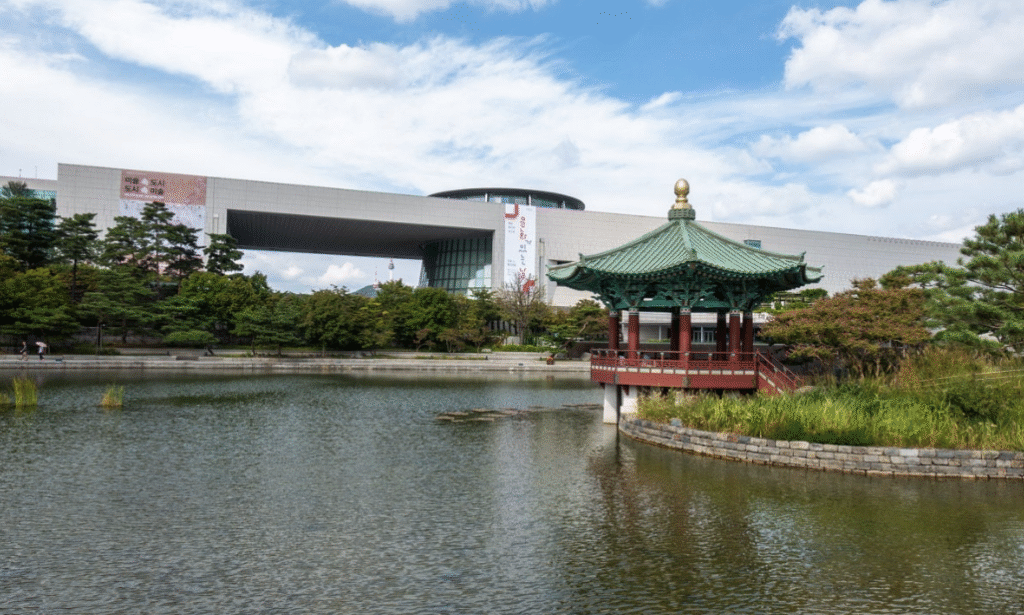
Why the National Museum of Korea Is Suddenly Trending
The museum has always housed treasures from Korea’s long history, from Paleolithic tools to exquisite Goryeo celadon. Yet the sudden spike in global attention owes much to pop culture.
- Netflix Exposure: The fantasy-drama K-POP Demon Hunters used motifs from Joseon-period art to create its supernatural visuals. Tigers, magpies, and folk masks all appear throughout the series.
- K-Pop Connection: BTS’s RM posted a Joseon-era tiger painting on Instagram overnight, and fans around the world started Googling its meaning. The museum quickly became a pilgrimage site for ARMY fans.
- Merchandising Boom: The museum shop adapted fast. Today, you’ll find enamel pins shaped like magpies, pens modelled after the gat hat, and stationery that blends tradition with fandom flair.
This blending of heritage and entertainment is not unique to Korea. In Australia, I’ve seen museums in Sydney and Melbourne experiment with interactive exhibits to draw younger audiences. But Korea’s case feels more organic — it’s fandom-driven, not just curator-driven. And that authenticity makes it even more powerful.
What to See and Do Inside the Museum
1. Seek Out the Joseon Treasures
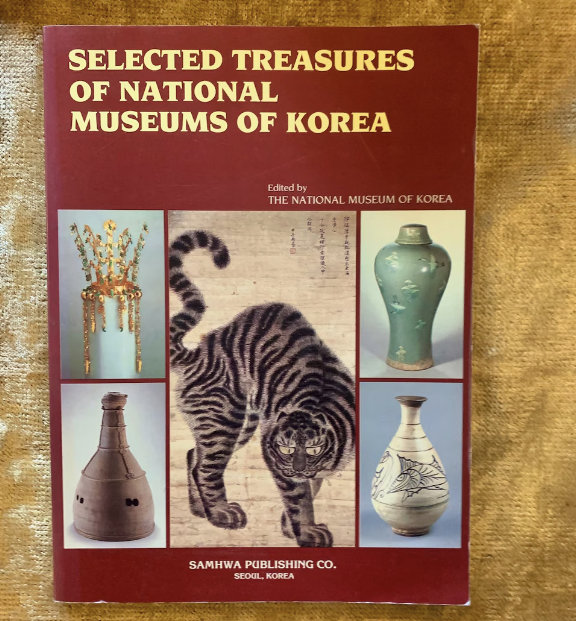
The most popular pieces right now are the Joseon-era tiger and magpie paintings. These artworks symbolise good fortune and were often displayed in Korean homes. Fans of K-POP Demon Hunters will immediately recognise their aesthetic. The museum curators now highlight these works with interpretive panels, helping visitors connect traditional symbolism with its pop culture echoes.
2. Explore Folk Art and Ritual Displays
Beyond the famous tiger and magpie, the museum offers deep dives into shamanistic rituals, folk masks, and traditional dance. These displays feel almost cinematic, showing how mythology shaped daily life. The connection to modern K-dramas makes them even more accessible to younger audiences.
3. Shop for Exclusive Souvenirs
The museum shop has become a destination in itself. Popular items include:
- Enamel pins featuring folk motifs
- Souvenir pens shaped like the gat hat
- Scarves and stationery inspired by ritual patterns
Arrive early if you want these — they often sell out. If you miss out, you might also find similar items in nearby partner outlets like Lotte Mart near Seoul Station.
4. Join a Guided or Themed Tour
Themed tours often highlight the crossover between history and modern media. Even if you join an unofficial fan-led tour, the experience of walking through the galleries while connecting storylines from K-POP Demon Hunters is unforgettable.
5. Capture the Perfect Photo
The museum has become an Instagram hotspot. Many fans come dressed in tiger scarves or magpie accessories to take photos by classical statues and murals. Staff are even used to giving tips about the best photo angles.
Insider Tips for Visitors
- Arrive Early: Weekday mornings are the quietest time to enjoy the galleries without large crowds.
- Free Entry: General admission is free, but special exhibitions may require tickets.
- Use Audio Guides: They provide richer context and are available in multiple languages.
- Check Local Performances: Many visitors don’t realise that nearby cultural centres host gugak (traditional music) and mask dance performances, which directly tie into the ritual scenes from the film.
Extending Your Visit: Nearby Cultural Landmarks
The museum sits in the heart of Seoul’s cultural district. From here, you can easily extend your trip:
- Namsan Tower (N Seoul Tower): A classic viewpoint, also featured in many dramas.
- Bukchon Hanok Village: Traditional Korean houses that offer a step back in time.
- Naksan Park: Known for scenic walking trails and mural walls.
If you’re planning your Seoul itinerary, combining the museum with these sites makes for a full day of culture, history, and scenery.
Comparing the Korean and Australian Museum Culture
Living in Australia for two decades, I often reflect on how different the cultural approach is.
- Accessibility: While Australian museums in Sydney or Melbourne often charge entry fees, Korea’s National Museum remains free, making culture more accessible to students, families, and tourists.
- Integration with Pop Culture: Australian institutions tend to separate pop culture from heritage, focusing more on academic interpretation. Korea, by contrast, embraces fandom as a bridge to heritage. That’s why you see fans taking photos in cosplay outfits inside a national museum — something unimaginable at the Australian Museum in Sydney.
- Audience Energy: Visiting museums in Australia often feels calm and scholarly. In Seoul, the museum buzzes with energy — teenagers snapping selfies, tourists rushing to buy themed pins, and families debating which drama character a folk mask resembles.
This contrast reflects a broader cultural difference. Korea thrives on blending old and new, tradition and innovation. Australia values preservation and analysis, but Korea excels at living heritage — making history part of daily life.
Practical Information
- Location: 137 Seobinggo-ro, Yongsan-gu, Seoul
- Nearest Station: Ichon Station (Line 4 & Gyeongui-Jungang Line), Exit 2
- Hours: 10:00 am – 6:00 pm (Closed Mondays)
- Admission: Free (fees apply for special exhibitions)
For official details, visit the National Museum of Korea website (external link).
Travelers can also check Visit Seoul (external link) for updated cultural events and exhibitions.
FAQ
Q1: Is the National Museum of Korea free to enter?
Yes, general admission is free. Special exhibitions may charge a fee, but the permanent galleries are open at no cost.
Q2: Can I take photos inside the museum?
Yes, photography is allowed in most areas. However, flash is prohibited, and certain special exhibits may restrict photos.
Q3: Are there English explanations for the exhibits?
Absolutely. Panels and audio guides are available in English, making it easy for international visitors to follow along.
Q4: Is the museum suitable for children?
Yes, children can enjoy interactive displays, wide-open spaces, and family-friendly tours. It’s an educational yet engaging environment.
Q5: How long should I plan for a visit?
Plan at least 2–3 hours. If you include a special exhibition or guided tour, you might easily spend half a day.
Final Thoughts
The National Museum of Korea in 2025 is more than a collection of artifacts. It is a cultural bridge — linking centuries-old Joseon paintings with Netflix fantasy dramas, connecting BTS fandom with folk symbolism, and merging heritage with modern identity.
As a Korean living in Australia, I see the difference clearly. In Sydney, I often visit museums for quiet reflection, but in Seoul, the National Museum pulses with life. It is not just a museum — it’s a stage where history meets fandom, and where travellers from every corner of the globe can find something that resonates.
If you’re planning a trip to Seoul, do not skip this stop. Whether you’re chasing K-POP Demon Hunters lore, exploring Korean traditions, or simply curious about cultural crossovers, the National Museum of Korea offers an unforgettable journey into the past, present, and future of Korean identity.
And that, perhaps, is the true magic: a place where even a tiger and a magpie can spark a global story.
1 thought on “🇰🇷 National Museum of Korea 2025: A Cultural Landmark Bridging Tradition, K-Drama, and Global Fandom”