Korean Culture 2025 is not just about K-pop or K-dramas. When people around the world picture Korea today, entertainment often dominates the conversation. But as someone who has lived in Australia for over twenty years and frequently returned to Korea, I’ve learned that Korean culture is a living, breathing lifestyle. It blends centuries-old traditions with hyper-modern trends in a way that no other country manages.
This page is the Culture hub of Korea Hunters. Here, you’ll find stories, guides, and insights about Korean customs, arts, daily habits, festivals, and the way they shape modern life. Think of it as both a guidebook and a diary: practical details mixed with personal experiences that show what it really feels like to live and breathe Korean Culture 2025.
Why Korean Culture Feels So Unique
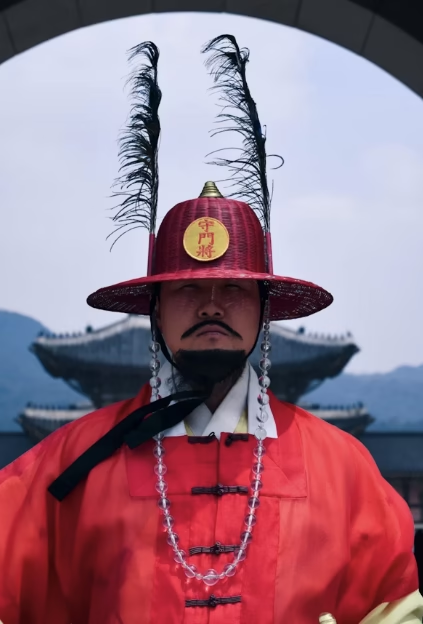
Korea is a land of contrasts. Walking through Seoul, you may see a hanbok-clad couple at Gyeongbokgung Palace, then turn a corner into a neon-lit café playing the latest K-pop. Tradition and modernity do not compete; they coexist.
In Australia, cultural life often feels more spread out — Indigenous heritage, colonial influences, and multicultural layers. In contrast, Korean Culture 2025 feels tightly woven together. A single festival might include Buddhist monks chanting, a K-pop dance cover, and families eating cotton candy shaped like traditional masks. This seamless blending makes Korea’s culture feel so vivid.
Everyday Etiquette and Social Norms
One of the first things I noticed after years in AuOne striking element of Korean Culture 2025 is everyday etiquette.
- Respect with Two Hands: Handing money, cards, or even coffee with both hands shows politeness. In Australia, a casual “cheers” works, but Korea values formal gestures.
- Silence on Public Transport: Sydney trains buzz with chatter; Seoul subways are quiet. I once laughed too loudly with a friend, and the sharp looks reminded me where I was.
- Shoes Off Indoors: In homes, schools, and even some restaurants, removing shoes is non-negotiable. It signals respect and cleanliness.
These rules are not inconveniences; they are reflections of community, hierarchy, and harmony that define Korean Culture 2025.
Festivals and Seasonal Traditions
Korean culture is tied strongly to its four distinct seasons. Each season brings its own traditions and festivals:
- Spring (March–May): Cherry blossom festivals brighten cities. Unlike in Australia, where spring means rugby season and warmer weather, in Korea, it’s a cultural phenomenon, with crowds gathering under trees for picnics.
- Summer (June–August): Mud Festival in Boryeong, music festivals, and night markets make summer energetic. I once joined the Mud Festival — messy, hilarious, and unforgettable.
- Autumn (September–November): Chuseok, Korea’s harvest holiday, is like Christmas in Australia: families gather, share food, and honour ancestors. Streets empty, and traditional games like yutnori come alive.
- Winter (December–February): From ice fishing in Hwacheon to temple stays in the snow, winter feels spiritual. Growing up in Australia’s mild winters, I never imagined celebrating outdoors at -10°C — but Korea makes it magical.
Korean Arts and Performance

Culture in Korea extends beyond K-pop. Traditional performances are still thriving — often reinterpreted for modern audiences.
- Pansori: A dramatic storytelling performance, usually one singer with a drummer. I attended one in Jeonju and was surprised by how the raw emotion resonated, even without subtitles.
- Talchum (Mask Dance): A mix of satire, dance, and ritual. The exaggerated masks remind me of Australian Aboriginal ceremonies, where storytelling is also visual and physical.
- Gugak (Traditional Music): Played with instruments like the gayageum (zither) and janggu (drum). Today, young artists mix gugak with electronic beats, creating something both ancient and futuristic.
For schedules of official cultural events, you can check the Visit Korea – Korea Tourism Organization (external link).
Food as a Cultural Bridge
Food is where Korean culture often speaks loudest. I still remember introducing my Australian friends to kimchi — the reactions ranged from fascination to polite hesitation. Yet after a few days in Korea, even the pickiest eaters were craving it.
- Banchan: The small side dishes that come with every meal. It reminds me of Australian barbecue culture where sharing is essential, but Korea takes it to another level.
- Temple Food: Vegan-friendly, rooted in Buddhist tradition. I once stayed at a temple in the mountains and ate meals prepared without garlic or onions — simple, yet deeply flavorful.
- Street Food: Tteokbokki, hotteok, fish cakes. In Australia, street food means food trucks; in Korea, it means night markets buzzing with locals and tourists.
Modern Lifestyle and Pop Culture
No culture page would be complete without acknowledging K-dramas, K-pop, and digital trends. But what fascinates me is not just their global popularity — it’s how they reflect Korean values.
- K-dramas often highlight family duty, hierarchy, and community bonds. Even in sci-fi thrillers, themes of loyalty and respect appear.
- K-pop is dazzling, but behind the music are echoes of Korean discipline and teamwork.
- Digital Lifestyle: Korea is one of the most connected societies in the world. From e-payments to delivery apps, life is optimized for speed.
Culture Shock: Korea vs Australia
After two decades in Australia, I always feel a little culture shock when landing in Korea.
- Pace of Life: Sydney feels relaxed by comparison. Seoul runs at lightning speed.
- Community vs Individualism: In Australia, independence is prized. In Korea, community harmony comes first.
- Formality: Australians call everyone by first names. In Korea, even ordering coffee can involve honorifics.
Yet, these differences also enrich the experience. For me, Korea is about rhythm — fast, structured, and vibrant. Australia feels like an open field, while Korea feels like a symphony where everyone knows their part.
Quick Culture Checklist
- Learn basic phrases: Annyeonghaseyo (hello), Gamsahamnida (thank you).
- Practice using two hands when giving or receiving.
- Download KakaoTalk — essential for socialising.
- Try at least one cultural activity: a tea ceremony, mask dance, or temple stay.
- Respect traditions, but don’t be afraid to enjoy modern trends too.
FAQ
Q1: Is it necessary to know the Korean language to enjoy the culture?
Not necessary. Apps and English translations are everywhere, but learning a few words shows respect and earns smiles.
Q2: What’s the best season to experience Korean culture?
Autumn, during Chuseok and harvest festivals. But honestly, each season has unique traditions worth experiencing.
Q3: How does Korean etiquette differ from Australian etiquette?
Australia is casual and first-name friendly. Korea is more formal, with gestures like bowing or using two hands.
Q4: Where can I find authentic cultural performances?
Jeonju Hanok Village, the National Gugak Centre in Seoul, and local festivals across the country.
Final Thoughts
Korean culture in 2025 is more than K-pop or K-drama hype. It is a daily lifestyle shaped by history, community, and constant reinvention. Whether you bow politely to elders, savour temple food, or dance at a music festival, you are part of a cultural flow that connects past and present.
As someone who lives in Australia but often travels back to Korea, I find joy in these contrasts. Australia gives me wide spaces and independence; Korea offers energy, structure, and a sense of shared rhythm. Experiencing both has made me appreciate how culture shapes not only travel but also how we live our daily lives.
This page will continue to grow as I add posts about Korean traditions, modern lifestyles, and everything in between. Consider it your gateway into Korea’s cultural heartbeat — a place to prepare, learn, and be inspired before your own journey.
See my posts for more information

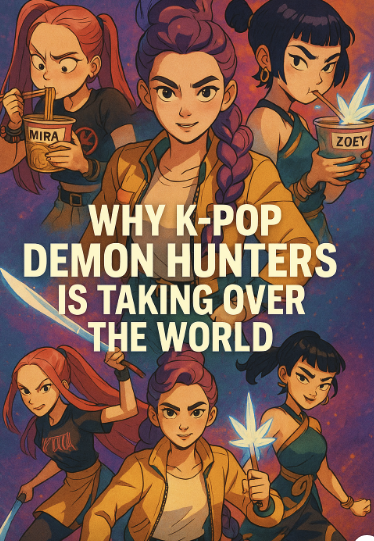
🇰🇷 KPop Demon Hunters 2025 – Cast, Soundtrack & Sequel Explained
KPop Demon Hunters is Netflix’s global hit in 2025. Discover the cast, soundtrack, sequel news, and why this animated K-pop […]

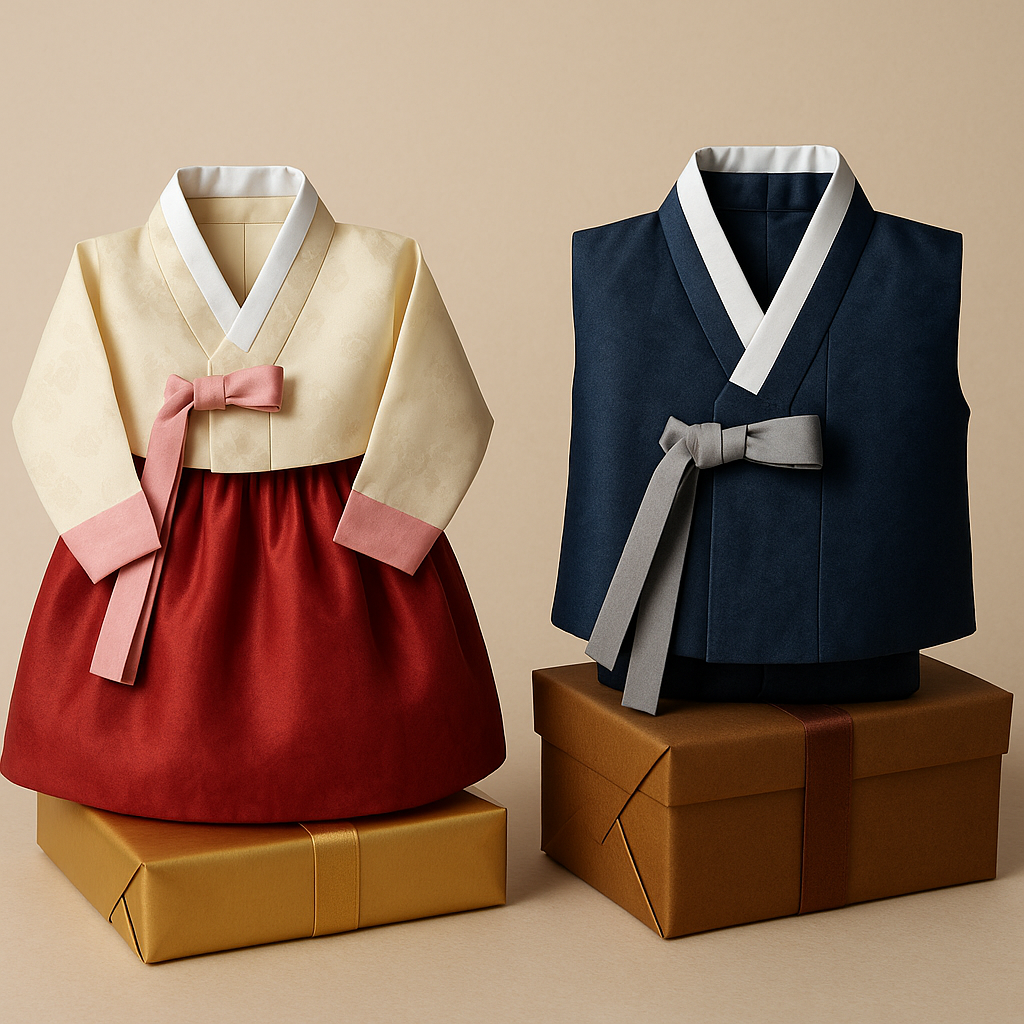
Hanbok in K-Dramas: Stunning Tradition and the Ultimate Modern Fashion Guide
🌎 Table of Contents Introduction The first time I saw hanbok on screen, I was struck by how softly it […]