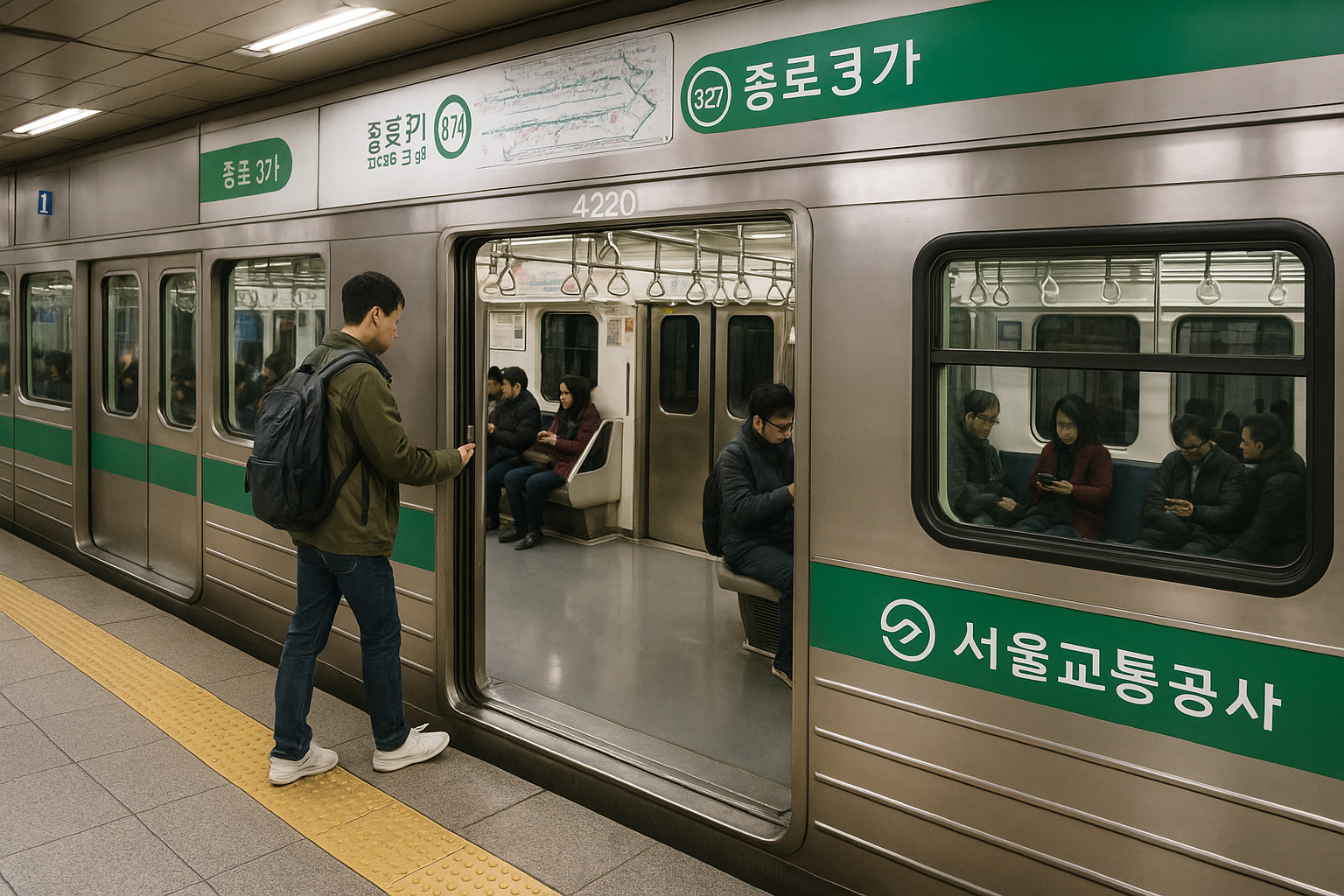
After living in Australia for more than twenty years, I’ve grown accustomed to long-distance drives, filling up the fuel tank before a road trip, and relying heavily on private cars. Public transport in Sydney or Melbourne exists, of course, but the rhythm is slower, less interconnected, and often designed around commuting rather than travel exploration.
Every time I return to Korea, the contrast amazes me. Korea’s transport system is not just efficient—it feels like the country’s lifeline. From the high-speed KTX slicing through the nation in just a few hours to subways that run like clockwork, transport here isn’t just about moving from point A to point B. It’s about accessibility, speed, and cultural immersion.
This Korea transport guide 2025 is built not only from facts but from lived experiences: the mistakes I made, the hacks I discovered, and the comparisons I constantly draw between Korea and Australia. My goal is to help you travel like a local, while avoiding the traps that can waste both your time and energy.
Seoul Subway: Navigating the Underground Like a Local
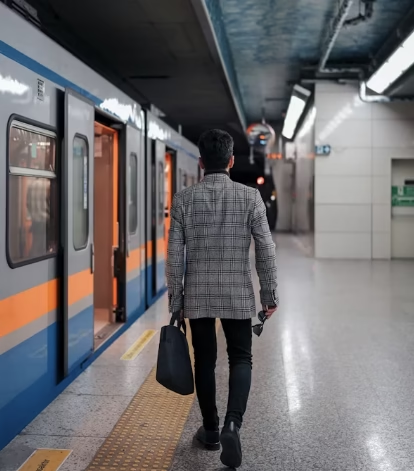
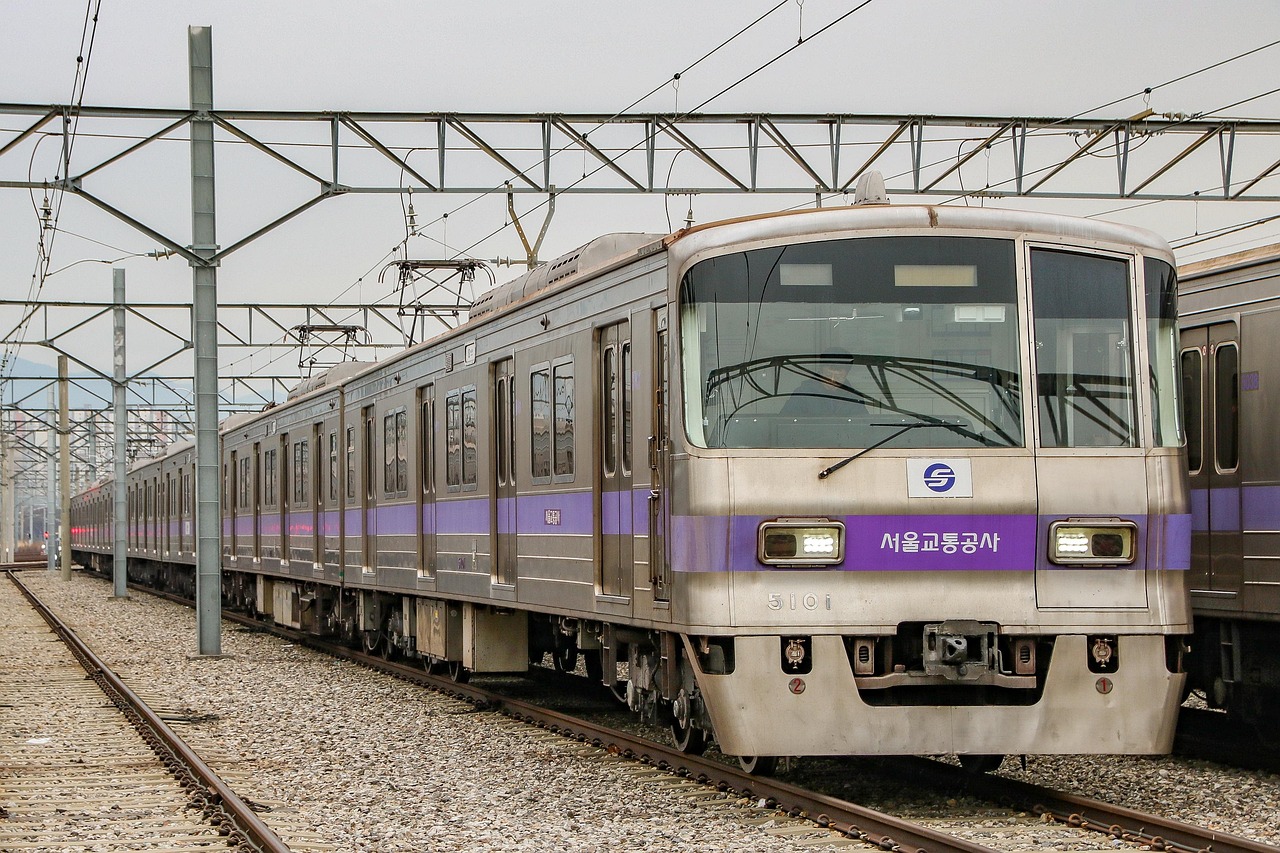
My first time back in Seoul after years in Australia, I underestimated the subway. In Sydney, a train journey often means 20–30 minutes between suburban stations, and missing a train can add serious delays. Seoul is the opposite: miss a train and another one will arrive within 3–5 minutes. The density of stations shocked me—sometimes exits are just 100 meters apart.
But here’s the catch: navigating subway exits can feel overwhelming. Once in Gangnam, I emerged from Exit 1 when my destination was right by Exit 10. What should have been a two-minute walk turned into a twenty-minute detour across busy intersections. Lesson learned: always check the exit number on Naver Map or Kakao Map before you surface.
Compared to Australia, where Google Maps usually does the job, Korea demands local apps. Google often fails underground, while Naver Map gives precise exit details, estimated fares, and even train car recommendations (so you’re closest to the right staircase when you arrive).
Buses: Affordable but Underrated
If you ask most travellers, subways and KTX dominate the conversation. But buses are Korea’s hidden gem. I remember boarding a city bus in Daegu with hesitation—I wasn’t sure if my T-Money card would work, or how I’d know where to get off. To my surprise, the system was straightforward: tap in, tap out, and announcements were clear in Korean and English.
Long-distance intercity buses deserve special mention. They remind me of Australia’s Greyhound services, but more punctual and cheaper. From Seoul, I once took a bus to Gyeongju, a historic city. The ride was comfortable, reclining seats reminded me of premium coaches, and the fare was less than half of what a similar trip would cost in Australia.
For budget travellers, buses provide value that trains can’t always beat. The only drawback? Traffic. Unlike the KTX, buses are at the mercy of Korea’s expressways, and during holiday seasons like Chuseok, expect delays.
Taxis: Convenience With a Twist
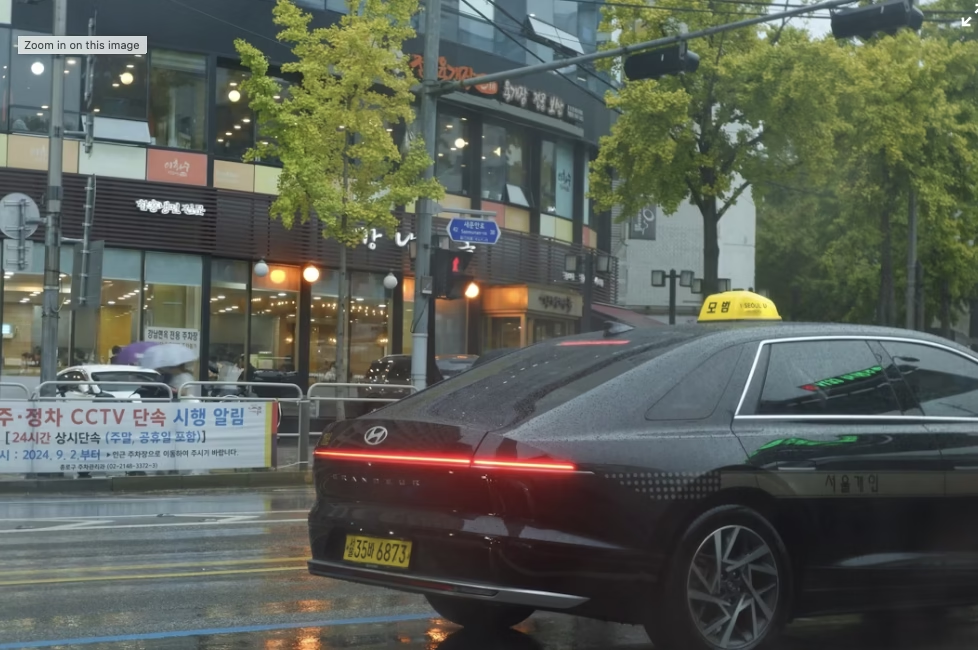
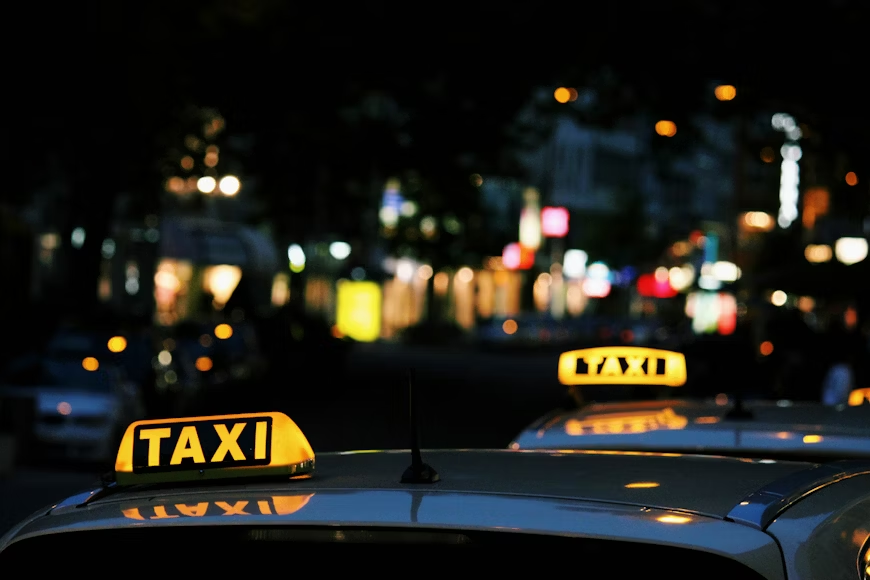
Taxi culture in Korea is another eye-opener. In Australia, I rarely use taxis because of the high cost. Rideshare services like Uber have taken over, and long trips are expensive luxuries. In Seoul, taxis are surprisingly affordable—especially compared to Australian standards.
One evening in Seoul, I hailed a taxi outside Hongdae using the Kakao T app. The ride to my Airbnb, nearly twenty minutes, cost less than AUD $12. In Sydney, a similar ride could easily reach $40. But affordability doesn’t mean perfection. Some drivers still prefer cash, and during late-night peak hours, hailing a cab without Kakao T can be frustrating.
The cultural difference is also worth noting: Korean taxi drivers are generally professional, but communication can be challenging. In one instance, I tried giving directions in English, only to be met with a blank look. Since then, I have always saved the Korean address (in Hangul) on my phone. Compared to Australia, where drivers usually rely on GPS in English, Korea requires that extra step of cultural preparation.
KTX and High-Speed Rail: The Beating Heart of Korea
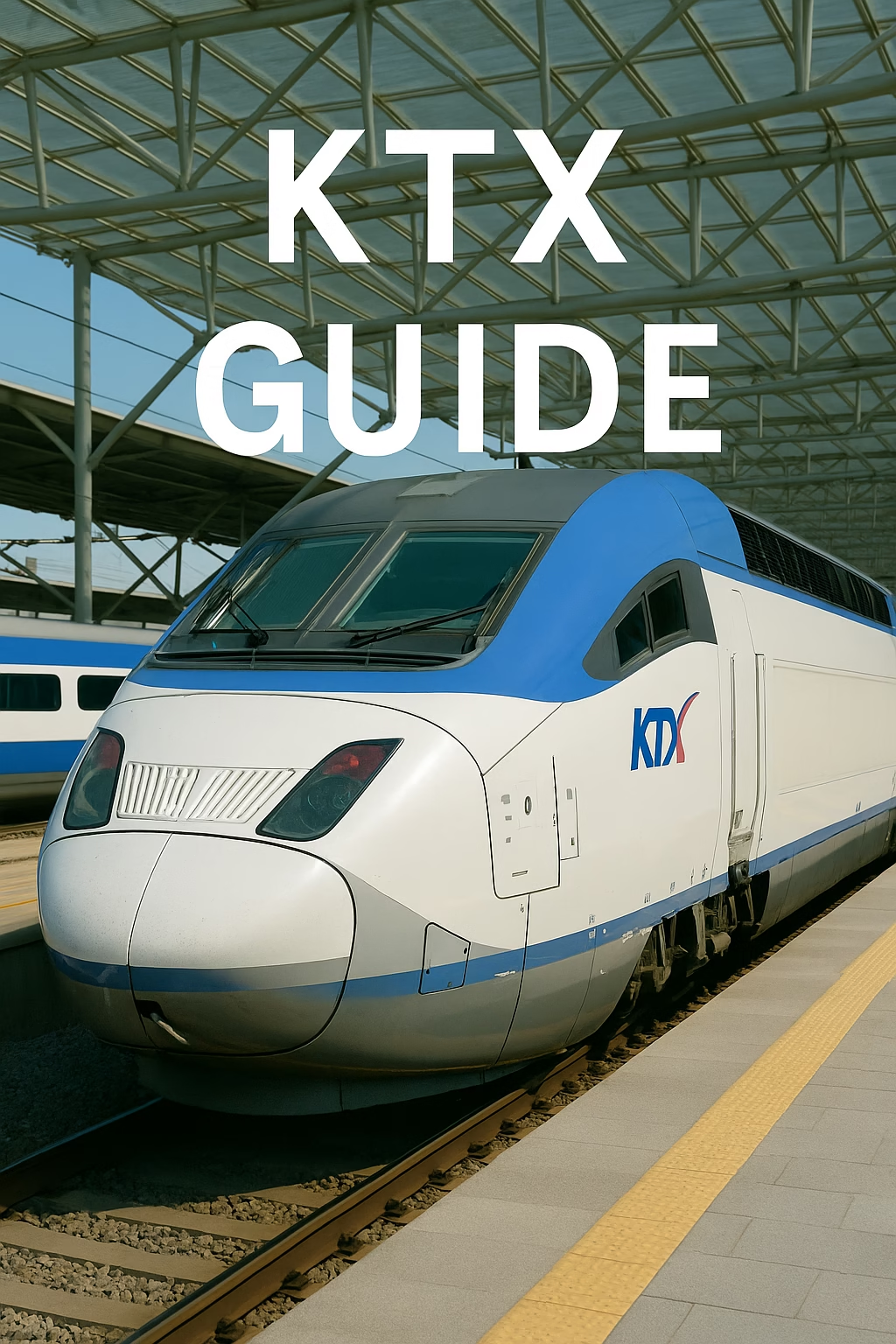
Perhaps nothing embodies Korea’s efficiency more than the KTX bullet train. I still remember my first KTX journey from Seoul to Busan. In Australia, a trip of 400 kilometres is an all-day affair. Driving from Sydney to Melbourne, for example, takes nearly 9 hours. In Korea, the same distance shrinks to 2 hours and 15 minutes, thanks to KTX.
Inside, the experience feels closer to flying than to a regular train. Comfortable seating, Wi-Fi, and the smooth ride make it easy to forget you’re travelling at 300 km/h. Yet it’s not just about speed. The KTX connects major cultural and tourist hubs—Seoul, Busan, Gwangju, Daegu, Daejeon—making it a backbone for both locals and travellers.
A personal tip: book tickets in advance via the Korail official site. During peak seasons, same-day tickets can sell out. Once, during cherry blossom season, I underestimated demand and ended up stuck in standing-room-only for half the trip. Lesson: don’t make my mistake—reserve early.
T-Money and Cash: Payment Essentials
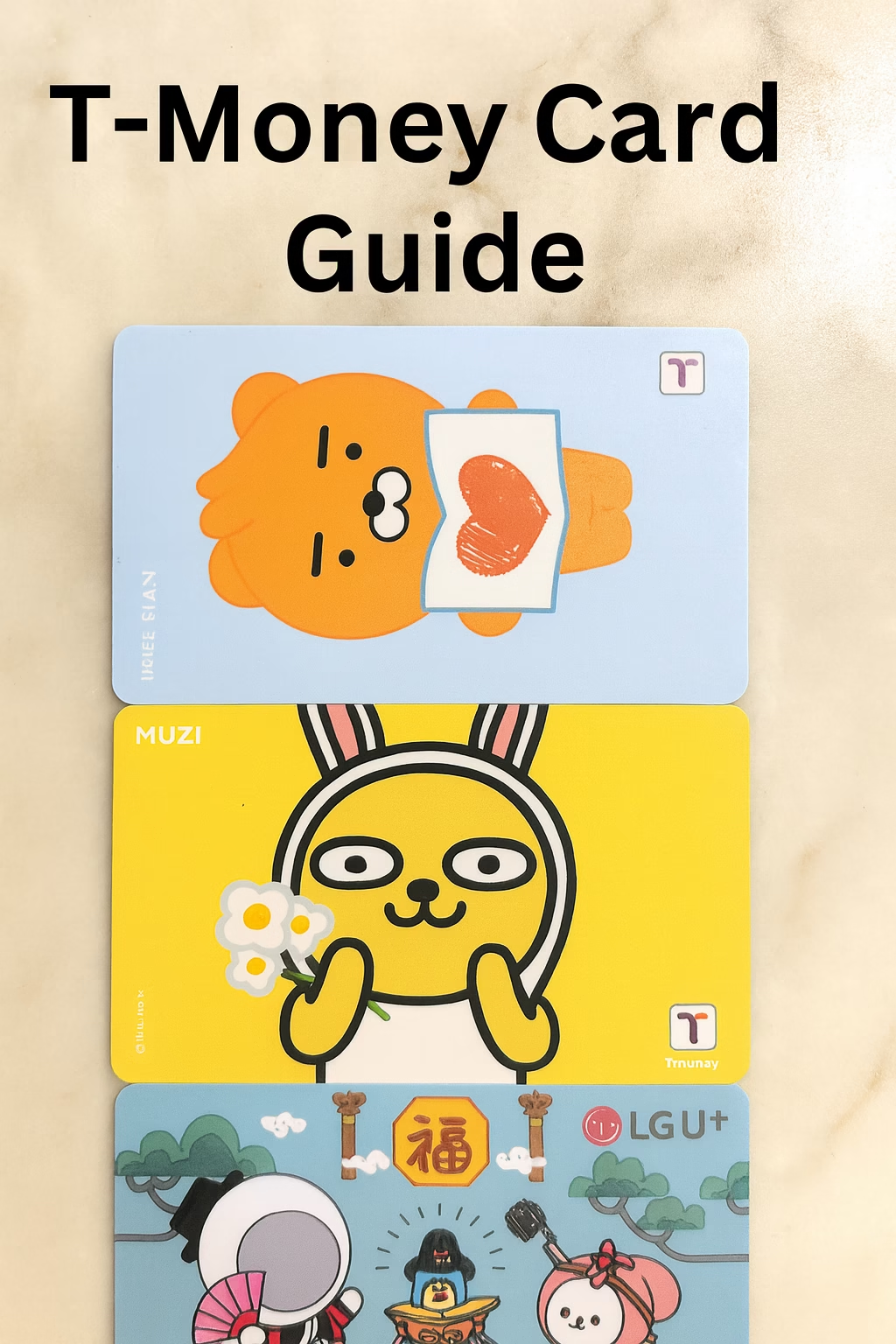
Australia’s contactless payment system (Opal in Sydney, Myki in Melbourne) works well, but Korea takes integration to another level. With a single T-Money card, you can pay for subways, buses, taxis, and even convenience store purchases. It’s rechargeable at kiosks or convenience stores, and tourists can easily pick one up at Incheon Airport.
On my last trip, I relied almost entirely on T-Money. Still, I always kept about 50,000 KRW in cash. Why? Because rural buses and small towns can still be cash-preferred. Once in Jeonju, a taxi driver politely declined my card. Thankfully, I had cash tucked away. That little foresight saved me a long walk.
Etiquette and Cultural Nuances
Transport in Korea isn’t just about logistics—it’s also about cultural awareness. For example:
- Quiet on subways: Unlike Australia, where casual chatter is normal, Koreans value quiet commutes. Once, speaking English with a friend, I received sharp glances until I toned it down.
- Priority seating: Respect designated seats for the elderly, disabled, or pregnant women. Even if the train is crowded, leaving these seats empty shows cultural respect.
- Queueing discipline: Koreans line up neatly for buses and trains. It’s orderly, unlike the sometimes chaotic boarding I’ve seen in Sydney bus stops.
These small behaviours, while easy to overlook, make your journey smoother and help you blend in.
Cost Comparison: Korea vs Australia
| Transport Mode | Korea (2025) | Australia (Sydney/Melbourne) |
|---|---|---|
| Subway single ride | ~1,450 KRW (AUD $1.60) | AUD $4–5 |
| Taxi (20 min ride) | ~12,000 KRW (AUD $12) | AUD $40+ |
| Intercity Bus (2 hours) | ~15,000 KRW (AUD $16) | AUD $35–40 |
| KTX Seoul–Busan | ~60,000 KRW (AUD $65) | Equivalent train trip: not common; car/flight takes 9 hrs+ |
This table alone shows why so many Australians I know are shocked when they travel in Korea. Transport here is not only efficient—it’s accessible for nearly every budget.
FAQs – Korea Transport Guide 2025
Q1. Do I need to buy a T-Money card before arriving in Korea?
No, you can easily buy one at Incheon Airport or any convenience store. But having one ready means you skip lines.
Q2. Is KTX worth the price compared to buses?
Yes. While buses are cheaper, the KTX saves hours. If your time is limited, the train is worth every won.
Q3. Can I rely on Google Maps in Korea?
Not really. Use Naver Map or Kakao Map for accuracy, especially underground.
Q4. Are Korean taxis safe at night?
Yes, taxis are safe and reliable. Use Kakao T to avoid miscommunication.
Q5. What’s the best transport option for tourists?
A mix: Subway for cities, KTX for intercity travel, and occasional taxis for convenience.=
Conclusion: Why Korea’s Transport Defines the Journey
For me, Korea’s transport system represents the country itself: fast-paced, efficient, and layered with cultural nuance. Compared to Australia, where travel often feels like a marathon across vast spaces, Korea feels like a sprint—dense, interconnected, and digitally enabled.
Once you embrace this rhythm, the anxiety of navigating a foreign transport system fades. Instead, you discover freedom: the ability to hop from a Seoul café to a Busan beach in the same day, or from a Gyeongju temple to a Daegu night market without stress.
This Korea transport guide 2025 is not just about getting around—it’s about unlocking a smoother, richer travel experience. And from my perspective, that’s when transport becomes more than logistics. It becomes part of the adventure itself.
Reference the below posts for further information

🇰🇷Riding Korea Like a Local: How the T-Money Card Became My Travel Companion
🌎 Table of Contents Introduction When I first arrived in Seoul, the T-Money Card Korea 2025 instantly became my most […]
🇰🇷 KTX in Korea: High-Speed Rail That Changed My Travel Life
🌎 Table of Contents Introduction If you’re planning intercity travel in Korea, the simplest upgrade is choosing the KTX Korea […]

🇰🇷 Seoul Subway Travel Guide (2025)
Table of Contents 👇 “Before You Hop In — My First Korean Subway Ride (Shorts, 2025)” A real underground moment […]

🇰🇷Taxis in Korea: A Complete 2025 Guide for Foreign Travelers
Quick Summary (2025 Updated) 👇 Watch Before You Ride – My First Korean Taxi Ride (Shorts, 2025) A real moment […]

🇰🇷 Seoul Metro 2025: A Foreigner’s Guide to Riding Like a Local
Seoul Metro 2025 is more than just public transport—it’s the most efficient way to explore the city like a local. […]