Accommodation in Korea is more than just finding a bed—it’s your gateway to culture, comfort, and discovery. From Seoul’s luxury hotels to Jeonju’s hanok stays, the choice defines your travel experience. Over two decades of living in Australia and frequently travelling back to Korea, I’ve learned that accommodation can make or break your trip. A night in a sleek hotel in Gangnam feels like stepping into modern luxury, while a stay in a traditional hanok in Jeonju takes you back in time. Unlike Australia, where hotels and Airbnbs are often predictable and designed around space and privacy, Korea’s lodging options are deeply connected to history, convenience, and local life.
In this guide, I’ll share not just the types of accommodations available, but also my personal experiences, cultural insights, and practical tips for different kinds of travellers—families, solo backpackers, business visitors, and couples.
Why Accommodation Matters in Korea
South Korea is a land where contrasts thrive—tradition and modernity, bustling cityscapes and tranquil countryside, technology and heritage. Choosing where you stay isn’t just about finding a bed; it’s about shaping your cultural encounter.
For example, in Australia, I often book spacious seaside hotels or modern Airbnbs that emphasise independence. But in Korea, I once stayed at a hanok where the host explained the architecture, served homemade breakfast, and even taught me how to use the ondol (traditional floor heating). That personal immersion, deeply tied to Korean culture, simply doesn’t happen in most Australian accommodations.
Your choice of stay will dictate whether your trip feels like a whirlwind of shopping and nightlife, a dive into centuries-old traditions, or a cozy family retreat by the beach.
Types of Accommodation in Korea
Hotels
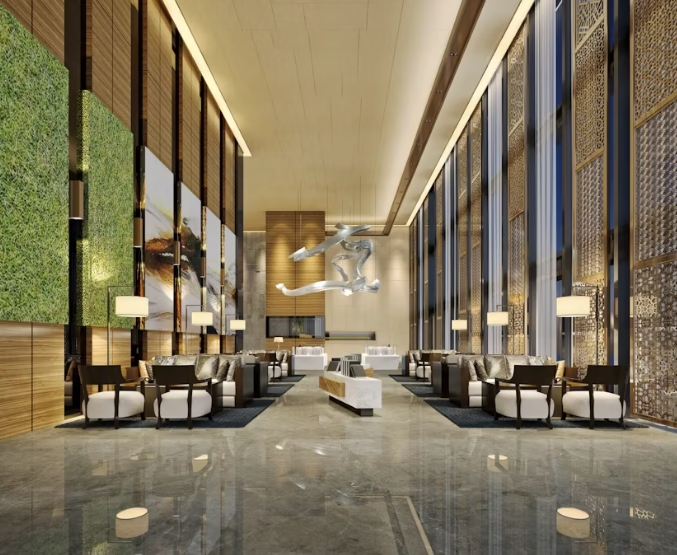
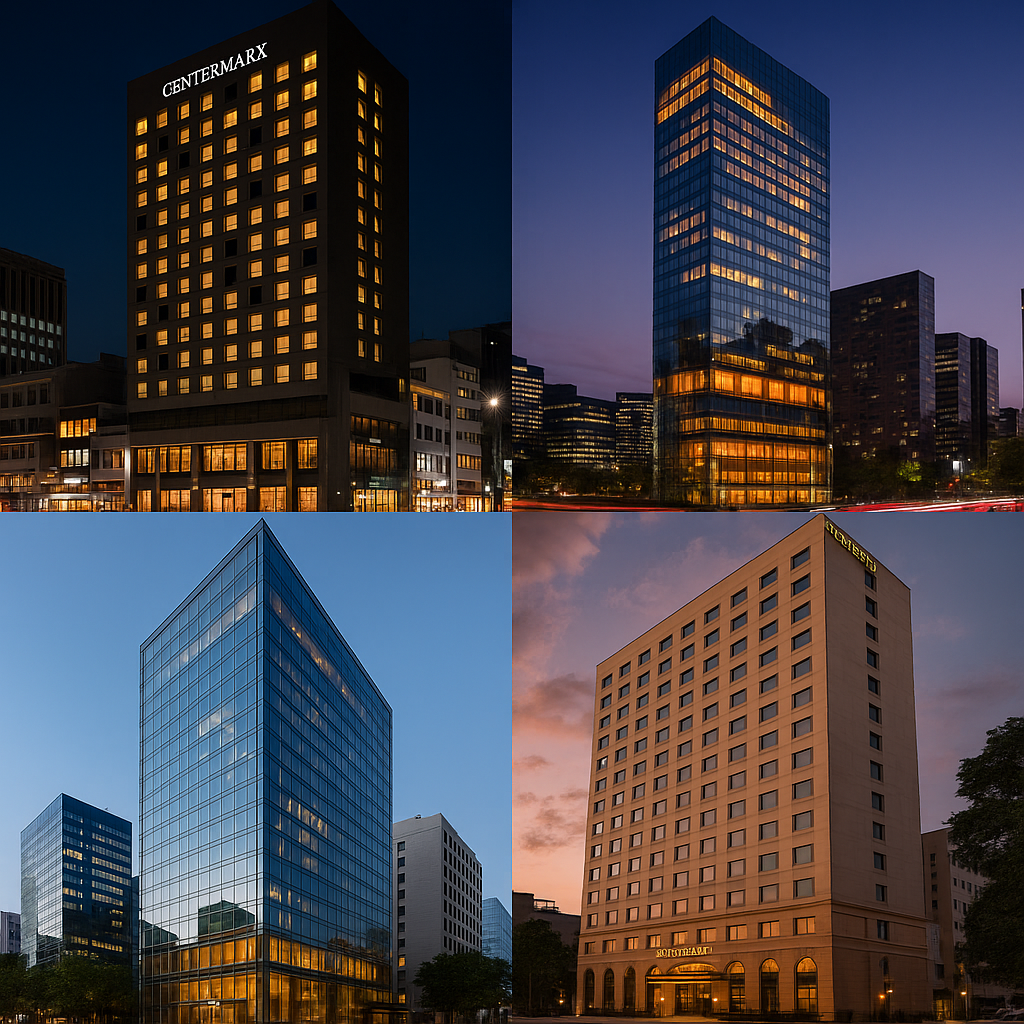
Korea’s hotel scene ranges from budget business hotels to global five-star chains. In Seoul’s Gangnam or Jamsil districts, hotels are modern, with extensive amenities such as spas, rooftop bars, and gyms. Business travellers will appreciate proximity to transport hubs like Seoul Station.
Tip: Korean hotels often have later check-in times (3–4 PM) compared to Australian standards, so plan accordingly.
Guesthouses
These are perfect for solo travellers and backpackers. Guesthouses in Seoul’s Hongdae area or Busan’s Seomyeon district are affordable and social, offering a chance to meet fellow travellers. While Australian hostels emphasise independence, Korean guesthouses often feel warmer and more community-driven.
Hanok Stays
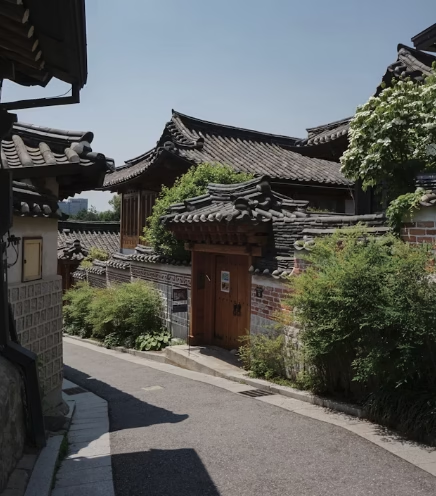
Sleeping in a hanok is unlike any other accommodation experience. With sliding paper doors, wooden beams, and heated floors, hanok immerses you in traditional Korean living. I stayed in Jeonju Hanok Village, and waking up to morning tea in a courtyard surrounded by tiled roofs was unforgettable. Australians may find the minimalism surprising—mattresses on the floor instead of beds—but the cultural depth makes it worth trying at least once.
Motels
Once notorious for short-stay use, modern Korean motels have rebranded themselves. Many now offer stylish rooms at budget prices, making them popular among domestic travellers. They are far more design-oriented than typical Australian motels, which tend to be functional and simple.
Airbnb & Serviced Apartments
For families or digital nomads, serviced apartments are an excellent option. Having a kitchen and laundry facilities can make long stays more comfortable. In Korea, these are particularly popular in Seoul and Busan, where expat communities are larger.
Best Areas to Stay in Korea
- Seoul:
- Myeongdong – Best for shopping and first-time visitors.
- Hongdae – Youthful, energetic, nightlife-rich.
- Gangnam – Luxury, style, business hubs.
- Insadong – Traditional, cultural, quieter charm.
- Busan:
- Haeundae Beach – Resorts, seaside relaxation.
- Seomyeon – Food, bars, nightlife.
- Jeju Island:
- Seogwipo – Ideal for adventure and hiking.
- Resort areas – Great for families.
- Jeonju & Gyeongju:
- Perfect for hanok stays and cultural immersion.
👉For regional accommodation listings and travel tips, you can also explore the Visit Korea Official Tourism Guide, which provides detailed information on each destination.
Accommodation by Traveller Type
- Couples: Boutique hotels in Seoul or romantic hanok stays in Jeonju.
- Families: Resorts in Jeju or serviced apartments in Seoul.
- Solo Travellers: Guesthouses in Hongdae or Busan for social connections.
- Business Travellers: Business hotels in Gangnam or near major stations.
Booking Tips for Korea
- Book early during cherry blossom or autumn foliage seasons.
- Use KakaoMap or Naver Map instead of Google Maps for navigation.
- Check if breakfast is included—Korean hotels vary.
- Expect compact rooms compared to Australian standards.
For updated hotel reviews and price comparisons, check platforms like Booking.com Korea before finalising your stay.
My Experience: Korea vs Australia
One of the most striking differences between Korean and Australian stays is how space and culture are valued differently.
- In Australia, hotels and Airbnbs emphasise space, privacy, and quietness. A weekend on the Gold Coast often means a large apartment with an ocean view and little host interaction.
- In Korea, the focus is on location, convenience, and cultural immersion. Whether it’s a central Seoul hotel or a hanok in Gyeongju, every stay carries a sense of Korean rhythm.
Personally, I enjoy both. When I travel in Australia, I appreciate the silence and spacious design. In Korea, though, I love how even budget motels surprise me with themed interiors or high-tech amenities. Staying in Korea is not just a necessity—it’s part of the adventure.
FAQs
Q1. Is it expensive to stay in Korea?
Not necessarily. Guesthouses start at around $20 per night, while luxury hotels in Seoul can exceed $300.
Q2. Should I try a hanok stay?
Absolutely. It offers an authentic cultural experience you won’t find in typical hotels.
Q3. What’s the best area for first-time visitors?
Myeongdong and Insadong are convenient, safe, and full of attractions.
Q4. Do Koreans use Airbnb?
Yes, but locals often prefer guesthouses or motels for affordability.
Q5. How does Korean accommodation differ from Australia?
Australia prioritises space and independence, while Korea emphasises location and cultural flavour.
Final Thoughts
Accommodation in Korea is more than a place to sleep—it’s part of the cultural journey. From sleek business hotels in Gangnam to hanok stays in Jeonju, Korea’s lodging options reflect the country’s balance of tradition and modernity.
As someone who has lived in Australia for over 20 years, I find that Korea offers a richness of experience in its accommodations that Australia, with all its space and design, rarely provides. If Australia is about comfort and independence, Korea is about immersion and discovery. And that is exactly why choosing the right place to stay in Korea can truly transform your trip.
Finding the rightective. Coming from a Korean who has lived in Australia for over 20 years, I can confidently say that Korea’s variety of accommodations reflects its balance of tradition and modernity in a way few other countries can match.
Scroll down to explore the latest and most popular posts from our Accommodation category.

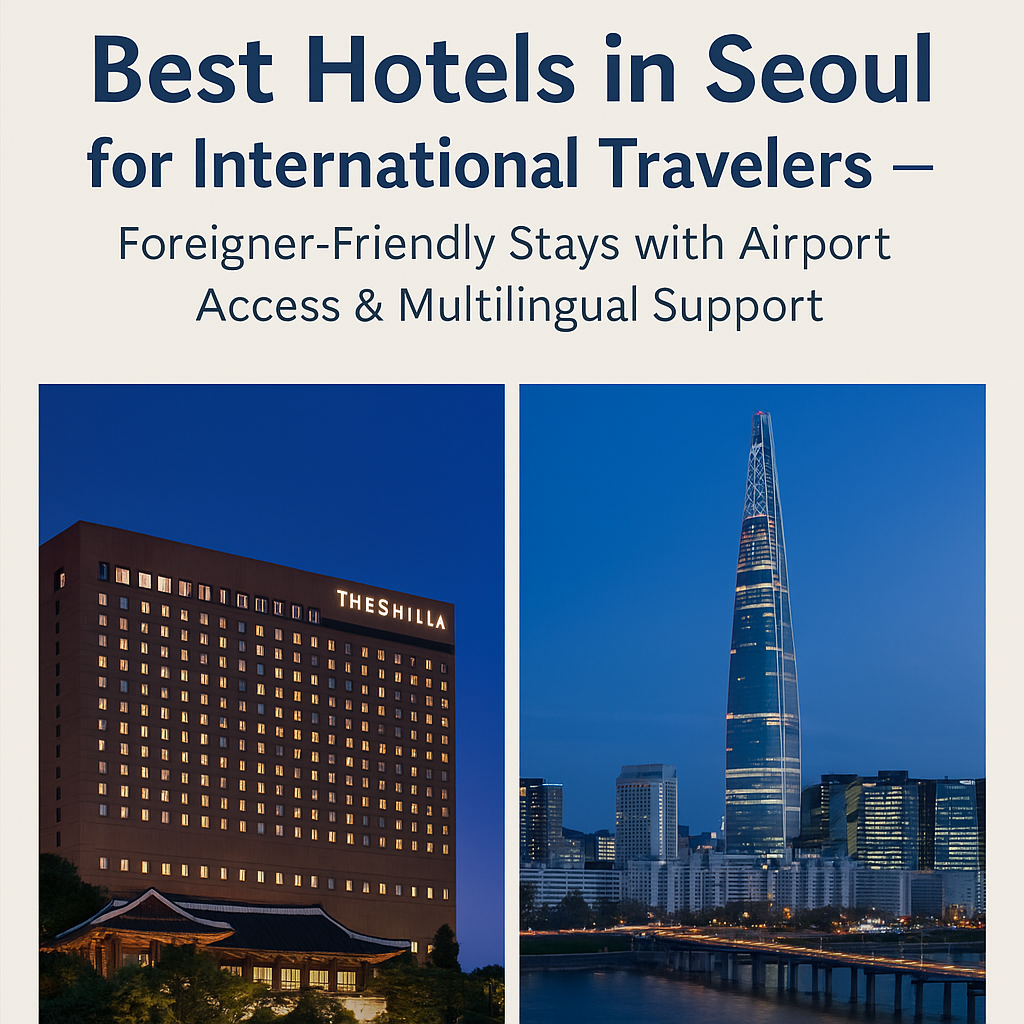
🇰🇷 Best Hotels in Seoul for International Travelers – Airport Access & Multilingual Support
The best hotels in Seoul for international travelers make your trip smooth from airport arrival to check-out. When you travel […]
🇰🇷 Seoul Accommodation by Neighbourhood – Best Areas & Hotel Picks for Every Traveller
🌎 Table of Contents Introduction Finding the right Seoul accommodation by neighbourhood can completely change how you experience the city. […]

🇰🇷 Hotel Booking Tips for Seoul – Save Money & Avoid MistakesBy
Why Smart Hotel Booking Matters in Seoul Finding the perfect accommodation in Seoul isn’t just about choosing a hotel with […]