Disclosure: This post contains affiliate links. If you purchase through these links, I may earn a small commission at no extra cost to you. I only recommend products I personally use and trust.
Every time I land in Seoul, Seongsu-dong is on my list before I even check into the hotel. I’ve been visiting this neighbourhood for years — long before the cafes started lining every alley and the pop-up stores made it onto every travel blog. This Seongsu-dong Seoul travel guide is everything I wish I’d had on my first visit: where to go, what to do, and how to make the most of a neighbourhood that genuinely rewards slow exploration.
Table of Contents
- What Is Seongsu-dong?
- Why I Keep Coming Back
- Cafes: The Heart of Seongsu
- Hands-On Experiences Worth Booking
- Food and Drinks Beyond Coffee
- Shopping in Seongsu-dong
- Wellness and Spa
- My Recommended 2-Day Itinerary
- Seongsu vs Other Seoul Neighbourhoods
- Practical Tips Before You Go
- FAQ
- My Thoughts
What Is Seongsu-dong?
Seongsu-dong sits in the eastern part of Seoul, tucked between the Han River and Seoul Forest. For decades it was known as the city’s shoemaking district — a working-class industrial area where small factories produced leather goods and the streets smelled of tannin and machine oil. Then, slowly, something shifted.
It is also one of the most photogenic corners of the city, which is half the reason people come — I keep a running map of my favourite backdrops in my guide to the best Seongsu photo spots.
Artists moved in first, drawn by cheap rents and raw spaces. Then came the independent coffee shops, the ceramics studios, the concept stores. By the time the big brands started opening pop-ups here, Seongsu had already built an identity that couldn’t be faked. It’s often called Seoul’s Brooklyn, and while that comparison gets overused, it does capture something real: the mix of grit and creativity, the sense that something new is always being made here.
What makes Seongsu different from Hongdae or Itaewon is the pace. This isn’t a neighbourhood you rush through. The best things here — the hidden cafes, the craft workshops, the back-alley restaurants — reward people who slow down and wander. I’ve spent full days here and still found corners I hadn’t noticed before.
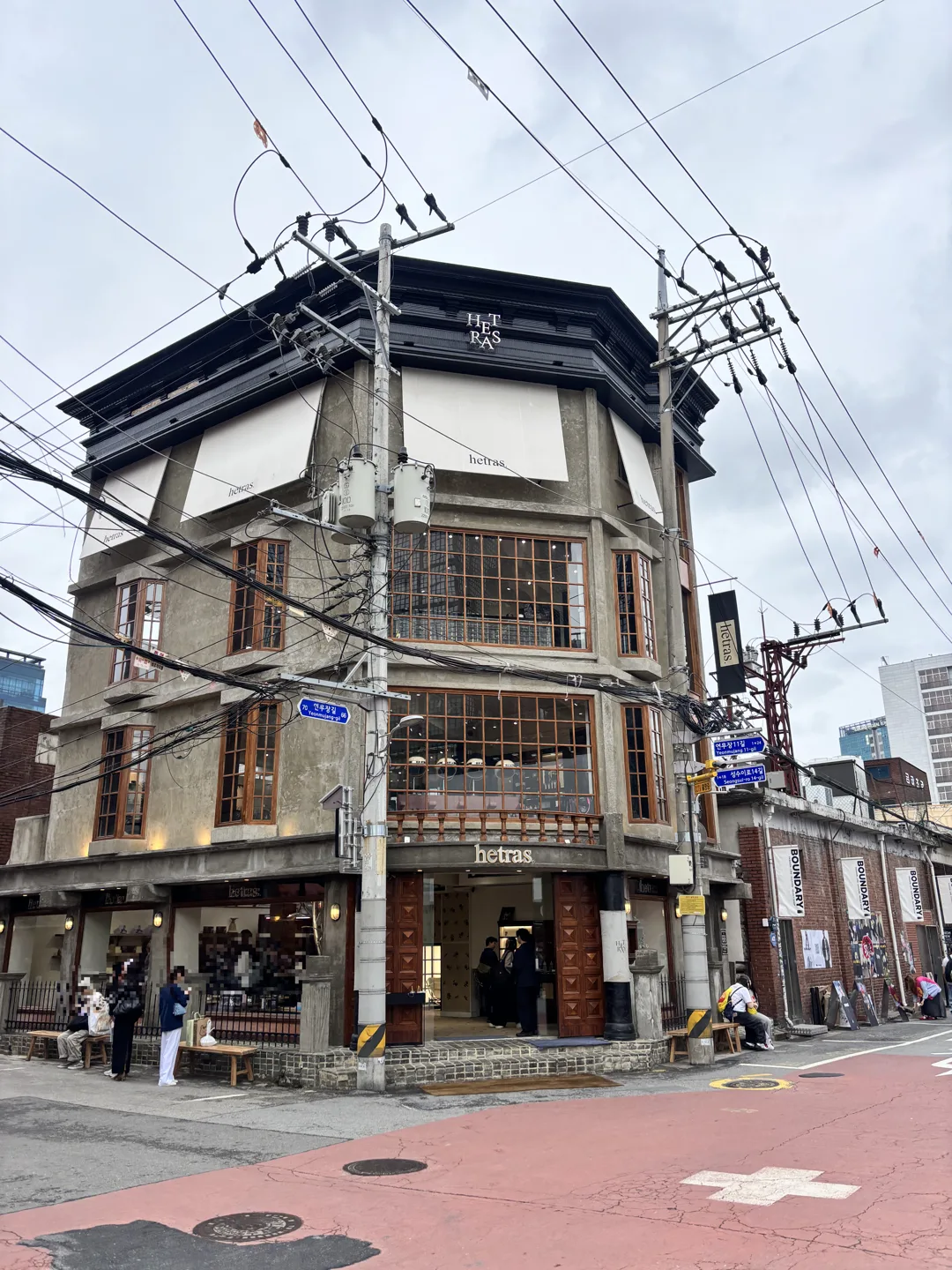
📸 The hetras concept store anchoring a classic Seongsu-dong corner — weathered concrete, timber windows, and the neighbourhood’s signature tangle of overhead wires. Taken by me in Seongsu-dong, Seoul.
Why I Keep Coming Back
I first came to Seongsu-dong about six years ago, dragged along by a cousin who insisted I was missing out. At the time I was sceptical. I’d been to Insadong, Bukchon, all the usual spots. I didn’t think a former industrial district could compete.
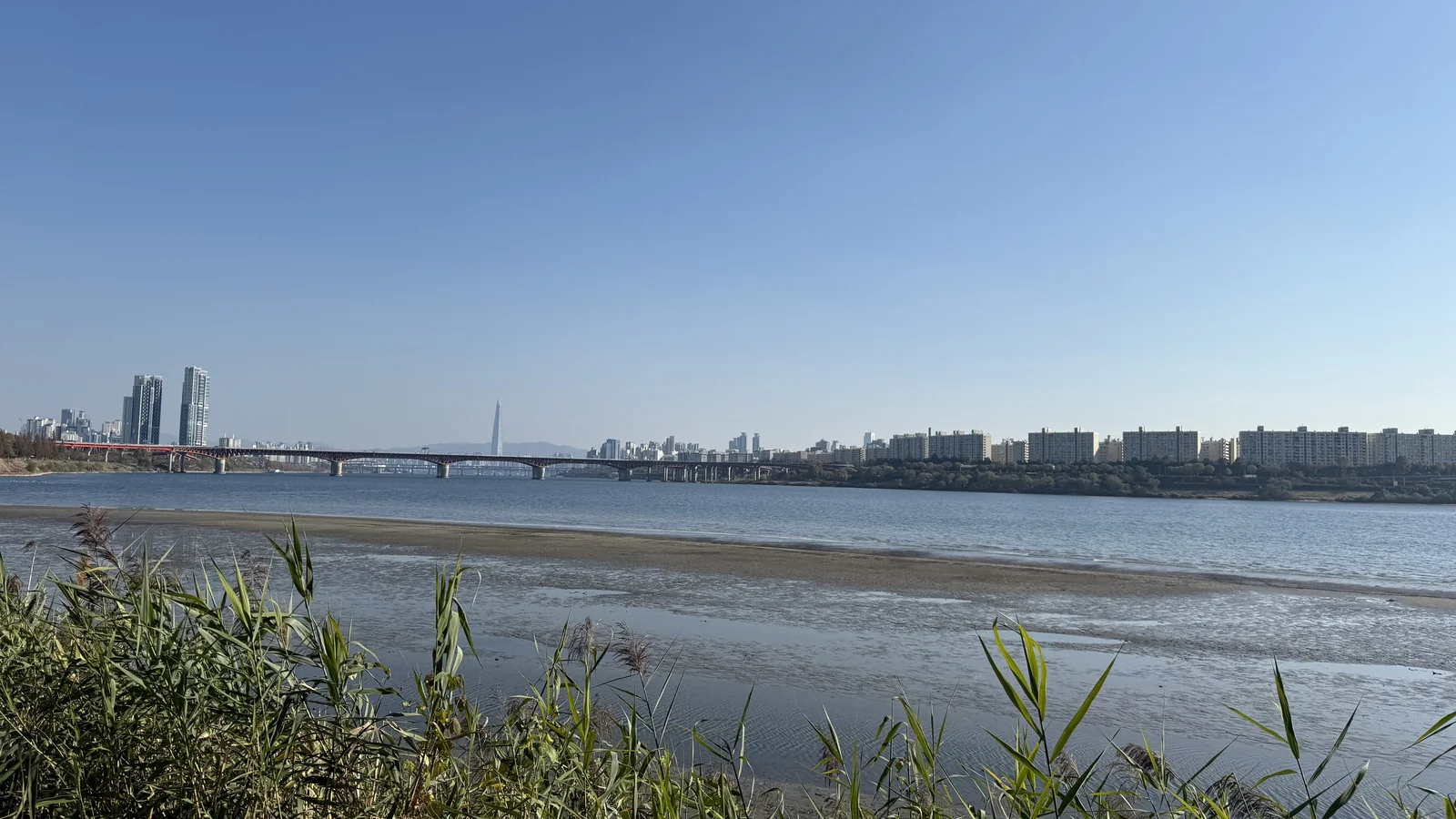
📸 One of the reasons I keep coming back: the view toward Seongsu and Seoul Forest from across the Han River, with Seongsu Bridge in red and Lotte World Tower far off on the horizon. Taken by me from the far bank of the Han, looking back at Seongsu.
I was wrong. What got me wasn’t any single cafe or shop — it was the feeling of the place. The way an old factory wall sits next to a beautifully designed coffee counter. The way locals actually use the neighbourhood, not just for Instagram, but for their daily lives. I saw grandmothers buying vegetables at the same market where twenty-somethings were queuing for specialty lattes.
Since then I’ve been back every time I visit Seoul. Each trip I find something new. A perfume studio that opened in a converted warehouse. A ring-making workshop tucked behind a shoe repair shop. A makgeolli bar that only seats twelve people. Seongsu keeps reinventing itself without losing what made it interesting in the first place.
I’ve written about parts of Seongsu before — you can read my Olive Young Seongsu shopping guide if K-beauty is your main reason for visiting. This guide pulls everything together into one place.
Cafes are easier to picture in motion — here’s a short reel of Seongsu’s coffee-and-pop-up energy before I get into the specifics.
Cafes: The Heart of Seongsu
Seongsu-dong has more good cafes per square kilometre than almost anywhere else in Seoul. That’s not an exaggeration — the neighbourhood’s identity is built around specialty coffee, and the standard is genuinely high. You won’t find many chain cafes here. What you will find are spaces that have been designed with real care, often inside buildings that still show their industrial past.
The most famous cafes are worth visiting, but don’t stop there. Some of the best cups I’ve had in Seongsu came from places with no English signage and maybe four seats. The trick is to walk the side streets between Seongsu Station and Seoul Forest, and stop whenever something looks interesting.
A few things to know before you go:
- Weekends get crowded. Arrive before 10am if you want the popular spots without a queue.
- Many cafes have a “no laptop” policy during peak hours — these are social spaces, not co-working spots.
- The cafe culture here leans toward natural light and minimal music. It’s genuinely relaxing.
- Some cafes are seasonal or pop-up only — check Instagram before making a special trip.
For a full breakdown of the best cafes in Seongsu-dong — including specific recommendations, what to order, and which ones are worth the queue — read my dedicated best cafes in Seongsu-dong guide.
Hands-On Experiences Worth Booking
This is where Seongsu-dong really separates itself from other Seoul neighbourhoods. The concentration of craft workshops, studios, and hands-on experiences here is unlike anywhere else in the city. You can make your own perfume, forge a silver ring, brew traditional rice wine, or have a concept photo taken in a studio that specialises in Korean-style ID and portrait photography — all within walking distance of each other.
I’ve done most of these myself over multiple visits, and they’re consistently the highlights of any Seongsu trip. They’re also genuinely good value compared to similar experiences in Tokyo or Sydney.
Perfume Making
Seongsu has become one of Seoul’s best spots for perfume-making classes, and there are two studios I recommend above all others.
.NOTE Perfume Studio is the one I keep going back to. It’s a private class — just you and the instructor — and the process is surprisingly meditative. You work through a series of base, middle, and top notes, building a scent that’s genuinely yours. The studio is beautiful, the staff speak English, and the finished bottle is something you’ll actually use.
→ Book the private .NOTE perfume class on Klook (affiliate link)
One-on-one, English-speaking instructor, and the bottle goes home with you the same afternoon.
Seongsu Lumiere is a slightly different experience — more atmospheric, with a focus on the story behind each scent. If you want something a bit more theatrical, this is the one.
Leather Craft
Given Seongsu’s history as a leather-working district, it makes sense that some of the best leather craft workshops in Seoul are here. The Mini Leather Bag Making Class is a great introduction — you work with natural materials and leave with a small bag you’ve made from scratch. It takes about two hours and no prior experience is needed.
Makgeolli Brewing
This one surprised me the most. The Makgeolli Brewing Experience in Seongsu is part cooking class, part history lesson, part drinking session — and it’s brilliant. You learn how traditional Korean rice wine is made, brew your own small batch, and then drink it with traditional snacks. The instructor I had spoke excellent English and was genuinely passionate about the craft.
Concept Photo Studio
The Seongsu Photo Studio Experience is something I didn’t expect to enjoy as much as I did. You choose a concept — K-style ID photo, editorial portrait, or something more creative — and the studio team handles hair, styling, and photography. The results are genuinely striking. It’s popular with solo travellers and couples alike.
Ring Making
The UNIU RINGS workshop in Seongsu is one of those experiences that sounds simple but ends up being genuinely memorable. You choose your metal, learn basic silversmithing techniques, and leave with a ring you made yourself. The instructors are patient and the studio is small enough that you get real attention. I’ve done this with my sister and it was one of our favourite afternoons in Seoul.
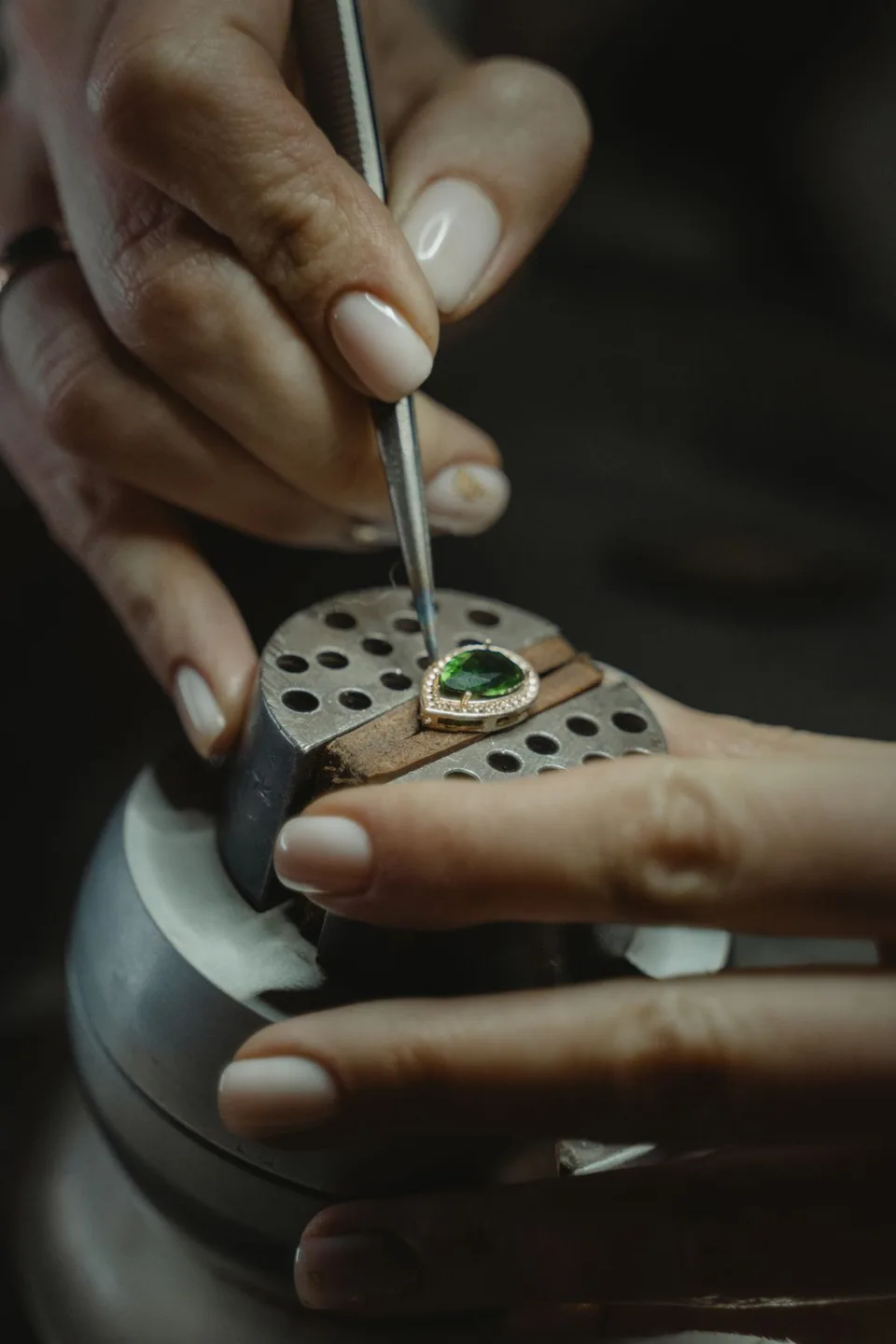
📸 Ring-making studios are one of Seongsu-dong’s most-loved hands-on experiences. (Photo: Tima Miroshnichenko / Pexels)
Food and Drinks Beyond Coffee
Seongsu-dong has a food scene that goes well beyond its famous cafes. The neighbourhood has a strong tradition of galbi (beef short ribs) — there’s an entire alley known informally as Galbi Alley where you can eat some of the best grilled beef in Seoul. It’s not fancy, it’s not Instagram-optimised, and it’s absolutely delicious.
Beyond galbi, Seongsu has developed a genuinely diverse restaurant scene. You’ll find everything from traditional Korean pojangmacha (street food stalls) to modern fusion restaurants that wouldn’t look out of place in Sydney or Melbourne. The craft beer scene here is also worth exploring — several small breweries have set up in the neighbourhood, and the quality is consistently good.
A few food spots I keep returning to:
- Galbi Alley — near Seongsu Station Exit 3. Go for dinner, expect to share a table with strangers, and order more than you think you need.
- Seoul Forest neighbourhood — the streets around Seoul Forest have a cluster of excellent restaurants that are less crowded than the main Seongsu strip.
- Ttukseom area — slightly further east, but worth the walk for the riverside food stalls and the more local atmosphere.
Shopping in Seongsu-dong
Shopping in Seongsu is less about department stores and more about finding things you won’t see anywhere else. The neighbourhood has a strong independent retail culture — small brands, local designers, and concept stores that change their stock regularly.
The leather goods scene is obviously strong here, given the neighbourhood’s history. You can find handmade shoes, bags, and accessories at prices that are significantly lower than equivalent quality items in Australia. The craft workshops also double as shops — many of the studios where you can take classes also sell finished pieces.
For K-beauty shopping, the Olive Young in Seongsu is worth a visit. It’s one of the better-stocked branches in Seoul, and the staff are used to international customers. I’ve written a full guide to shopping at Olive Young Seongsu if you want the detail on what to buy and what to skip.
Wellness and Spa
After a full day of walking and workshops, Seongsu has good options for winding down. THE FORET SPA at Seoul Forest Station is the one that comes up most: a full-service spa with massages, facials and body treatments, a short walk from the forest itself. I have been myself, and it is the place I would send a friend who wants one properly restful afternoon in Seongsu: calm, unhurried, and a short walk from the forest. It is popular, so book ahead rather than turning up on the day.
→ Check treatment times for THE FORET SPA Seoul Forest on Klook (affiliate link)
My Recommended 2-Day Itinerary
Two days is the sweet spot for Seongsu-dong. One day feels rushed; three days and you start to run out of things that genuinely need doing. Here’s how I’d structure it.
Day 1: Craft, Coffee, and Galbi
- Morning (9am): Start at a cafe near Seongsu Station before the crowds arrive. Walk the main strip slowly.
- Late morning (11am): Book a morning slot for the .NOTE perfume class — it runs about 90 minutes.
- Lunch (1pm): Walk to the Seoul Forest area for lunch at one of the quieter restaurants.
- Afternoon (3pm): Wander the side streets, visit the Olive Young, browse the independent shops.
- Evening (6pm): Galbi Alley for dinner. Order the beef short ribs and a cold beer.
Day 2: Workshops, Spa, and Makgeolli
- Morning (10am): UNIU RINGS workshop — book the earliest slot available.
- Lunch (12:30pm): One of the cafes near Seoul Forest for a light lunch.
- Afternoon (2pm): THE FORET SPA for a 90-minute treatment.
- Evening (6pm): Makgeolli brewing experience — a perfect way to end the trip.
Seongsu vs Other Seoul Neighbourhoods
| Neighbourhood | Vibe | Best For | Crowd Level | Unique to Seongsu? |
|---|---|---|---|---|
| Seongsu-dong | Industrial-artisan, creative | Cafes, craft workshops, local food | Moderate (weekdays), Busy (weekends) | ✅ Yes |
| Hongdae | Youthful, loud, energetic | Nightlife, street food, K-pop | Very busy | ❌ No |
| Insadong | Traditional, touristy | Souvenirs, tea houses, galleries | Very busy | ❌ No |
| Itaewon | International, diverse | International food, bars, vintage | Moderate | ❌ No |
| Bukchon | Historic, scenic | Hanok architecture, photography | Busy (daytime) | ❌ No |
| Mangwon | Local, residential | Local market, quiet cafes | Low-moderate | ❌ No |
Practical Tips Before You Go
A few things that will make your Seongsu visit significantly better:
If Seongsu is your first stop off the plane, I walked through the three realistic routes (and what each costs with luggage) in my airport-to-Seongsu guide.
- Getting there: Take Line 2 to Seongsu Station. Exit 3 puts you right in the heart of the neighbourhood. Seoul Forest Station (Bundang Line) is the better entry point if you’re heading to the spa or the forest area first.
- Best time to visit: Weekday mornings are ideal. Weekend afternoons are the most crowded. Spring (April–May) and autumn (October–November) are the best seasons.
- Book workshops in advance: The popular craft studios — especially.NOTE and UNIU RINGS — sell out days or weeks ahead on weekends. Use Klook to secure your spot before you arrive in Seoul.
- Cash vs card: Most places accept cards, but a few smaller cafes and street food stalls are cash only. Keep some won on hand.
- Language: English is spoken at most tourist-facing businesses, but less so at local restaurants and markets. Google Translate’s camera function is genuinely useful here.
- Wear comfortable shoes: You will walk a lot. The streets are uneven in places and the best discoveries happen when you’re willing to wander.
If you’re planning a broader Seoul trip, treat Seongsu as a full day of its own rather than a stop on a city tour — it rewards wandering far more than ticking off sights.
🧾 Planning how much to spend in Seongsu?
Seongsu sits in the sweet spot — more affordable than Gangnam, more curated than Hongdae. But workshop bookings and specialty coffee add up. Get a realistic daily estimate before you go.
See Seongsu activity and hotel costs →
FAQ
How do I get to Seongsu-dong from central Seoul?
The easiest way is Line 2 (green line) to Seongsu Station. It’s about 15 minutes from Gangnam and 20 minutes from City Hall. Exit 3 takes you directly into the main cafe and shopping area. If you’re heading to Seoul Forest or THE FORET SPA, Seoul Forest Station on the Bundang Line is more convenient.
How many days do I need in Seongsu-dong?
Two full days is ideal. One day is enough for a quick overview — a few cafes, a walk through the main streets, maybe one workshop. Two days lets you do the workshops properly, explore Seoul Forest, eat at Galbi Alley, and still have time to wander without rushing. If you’re combining Seongsu with other Seoul neighbourhoods, one day is workable.
Is Seongsu-dong good for solo travellers?
Absolutely. It’s one of the best Seoul neighbourhoods for solo travel. The workshops are designed for individuals, the cafes are comfortable for solo visitors, and the neighbourhood is safe and easy to navigate. I’ve done solo days in Seongsu multiple times and it never feels lonely — there’s always something to look at or do.
What should I book in advance for Seongsu-dong?
Book the craft workshops well ahead — especially the.NOTE perfume class and UNIU RINGS, which sell out on weekends. THE FORET SPA should also be booked in advance. Cafes don’t require reservations, but arriving early on weekends avoids queues. Everything else can be done spontaneously.
Is Seongsu-dong expensive?
Compared to similar neighbourhoods in Sydney or Melbourne, Seongsu is very reasonable. Specialty coffee runs about AUD $5–7. Workshop experiences range from AUD $40–80 depending on what you’re doing. A full dinner at Galbi Alley for two people with drinks is typically AUD $50–70. The spa treatments are the biggest expense but still significantly cheaper than equivalent quality in Australia.
My Thoughts
I’ve been to a lot of neighbourhoods in a lot of cities, and Seongsu-dong is one of the few that genuinely improves with each visit. It doesn’t feel like it’s performing for tourists — it feels like a place where people actually live and work and make things, and visitors are welcome to be part of that for a while.
The craft workshop scene here is something I haven’t found anywhere else in Asia at this quality and price point. The perfume studios, the ring-making workshops, the leather classes — these aren’t tourist traps. They’re run by people who are genuinely skilled at what they do, and the things you make are things you’ll keep.
If you’re visiting Seoul and you’re only going to add one neighbourhood to your itinerary beyond the obvious spots, make it Seongsu. Go on a weekday if you can. Book the workshops before you arrive. Eat at Galbi Alley. And leave time to just walk around with no particular destination in mind — that’s when Seongsu is at its best.
Ready to Explore Seongsu-dong?
Start by booking the experiences that sell out fastest. The .NOTE perfume class and the UNIU RINGS workshop are the two I’d prioritise. Both can be booked through Klook with instant confirmation. → Book.NOTE on Klook | →
Related Links
If you found this guide helpful, these articles will help you plan the rest of your Seongsu-dong visit:
- Best Cafes in Seongsu-dong — a detailed guide to every cafe worth visiting, with what to order and when to go
- Seongsu-dong Craft Workshops Seoul — the best hands-on workshop experiences in Seongsu, from silversmithing to leather craft
- Seongsu Photo Studio Experience Seoul — everything you need to know about concept photo studios in Seongsu
- Things to Do in Seongsu-dong on a Weekend — a full weekend itinerary covering cafes, workshops, food, and more
- Seongsu-dong Food Guide Seoul — the best places to eat and drink in Seongsu, from brunch spots to makgeolli bars
- Seongsu-dong Perfume Making Class — a guide to the best perfume workshops in Seongsu and what to expect
- Seongsu-dong Spa and Wellness Seoul — the best spa and relaxation options in and around Seongsu
- Seongsu-dong Leather Workshop Seoul — a guide to leather craft experiences in Seongsu, from mini bags to card holders
- Seongsu-dong vs Hongdae Seoul — which neighbourhood should you visit? An honest comparison to help you decide
- Olive Young Seongsu K-Beauty Shopping Guide — everything you need to know about shopping for K-beauty in Seongsu