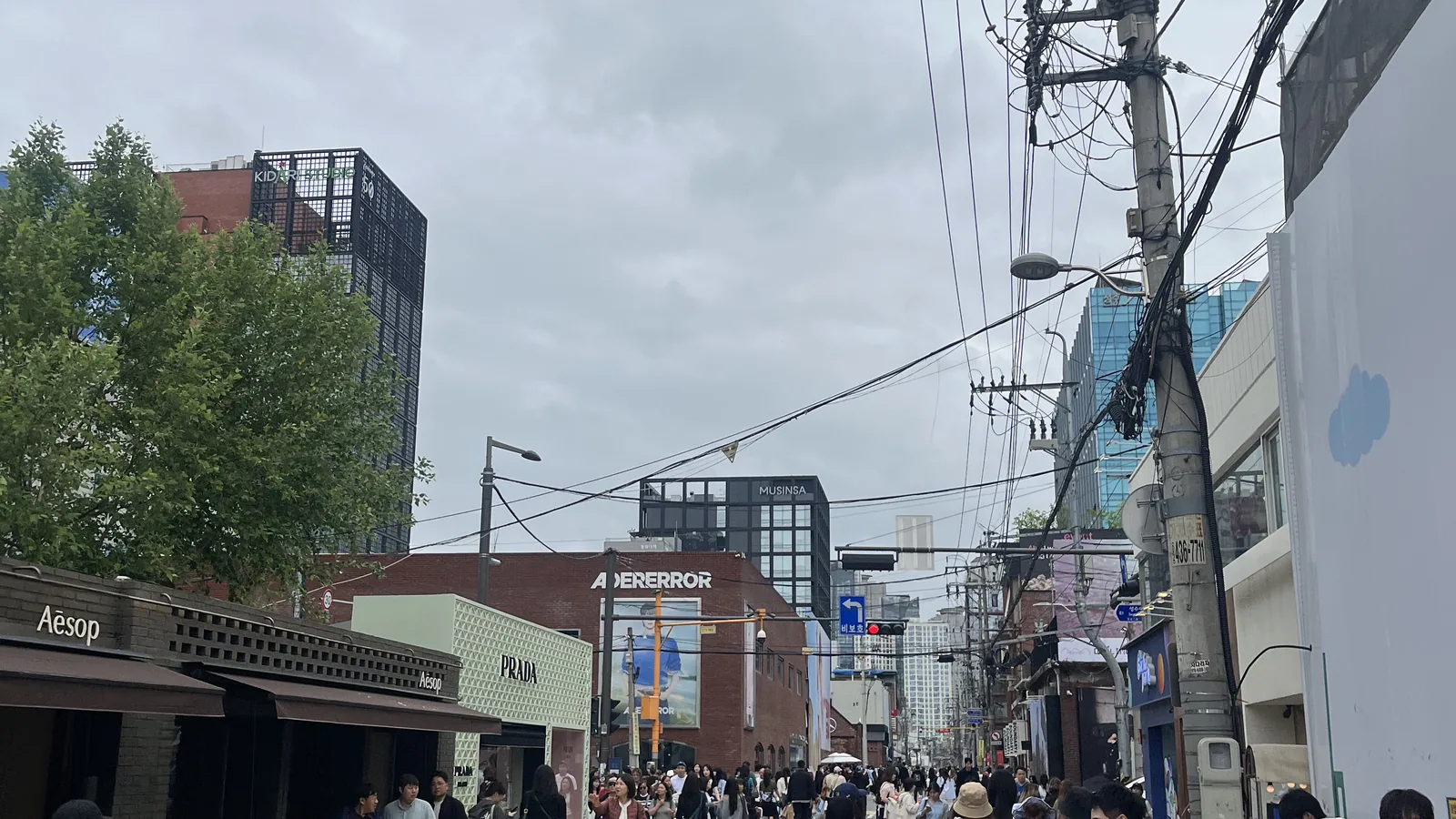
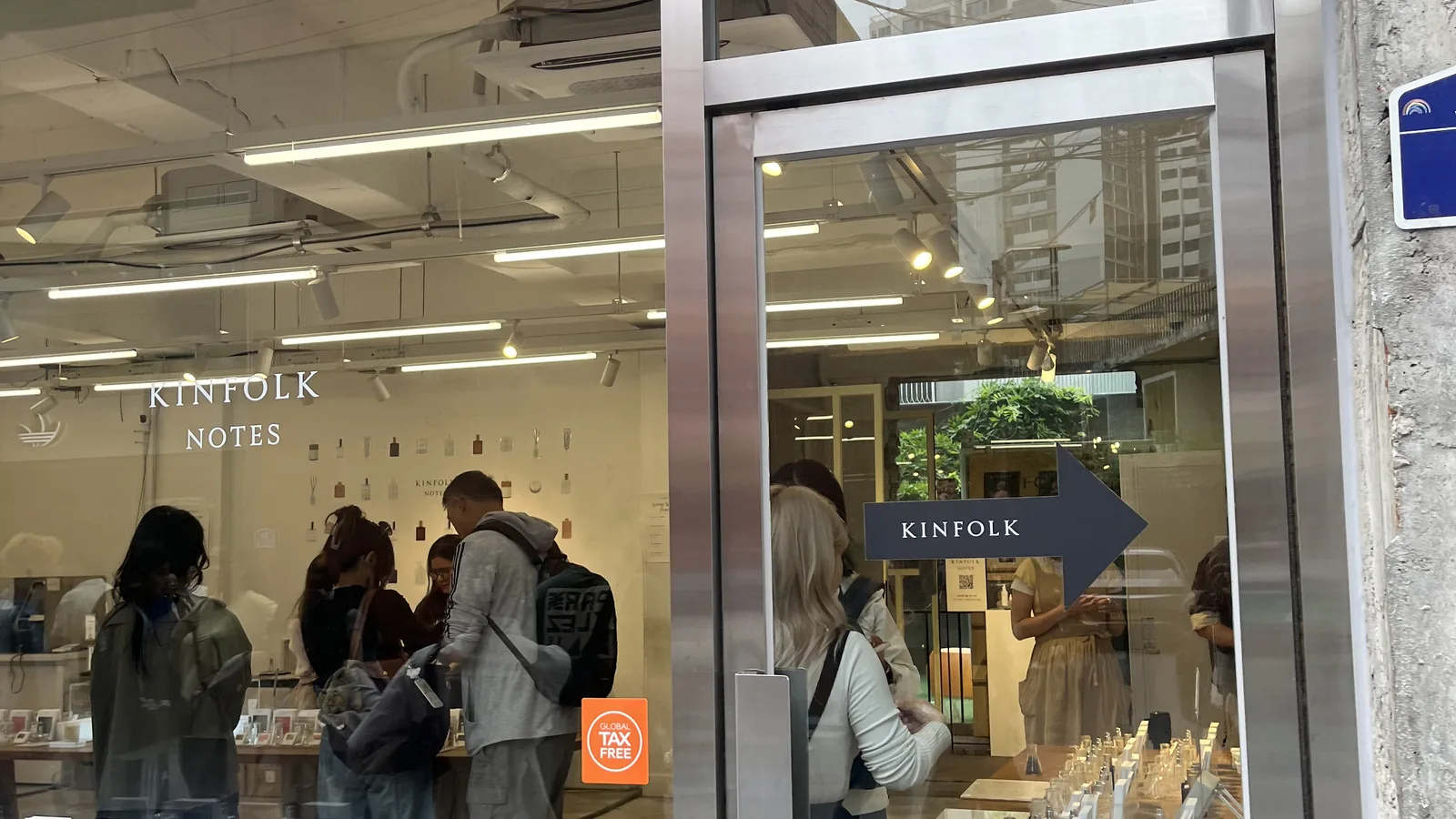
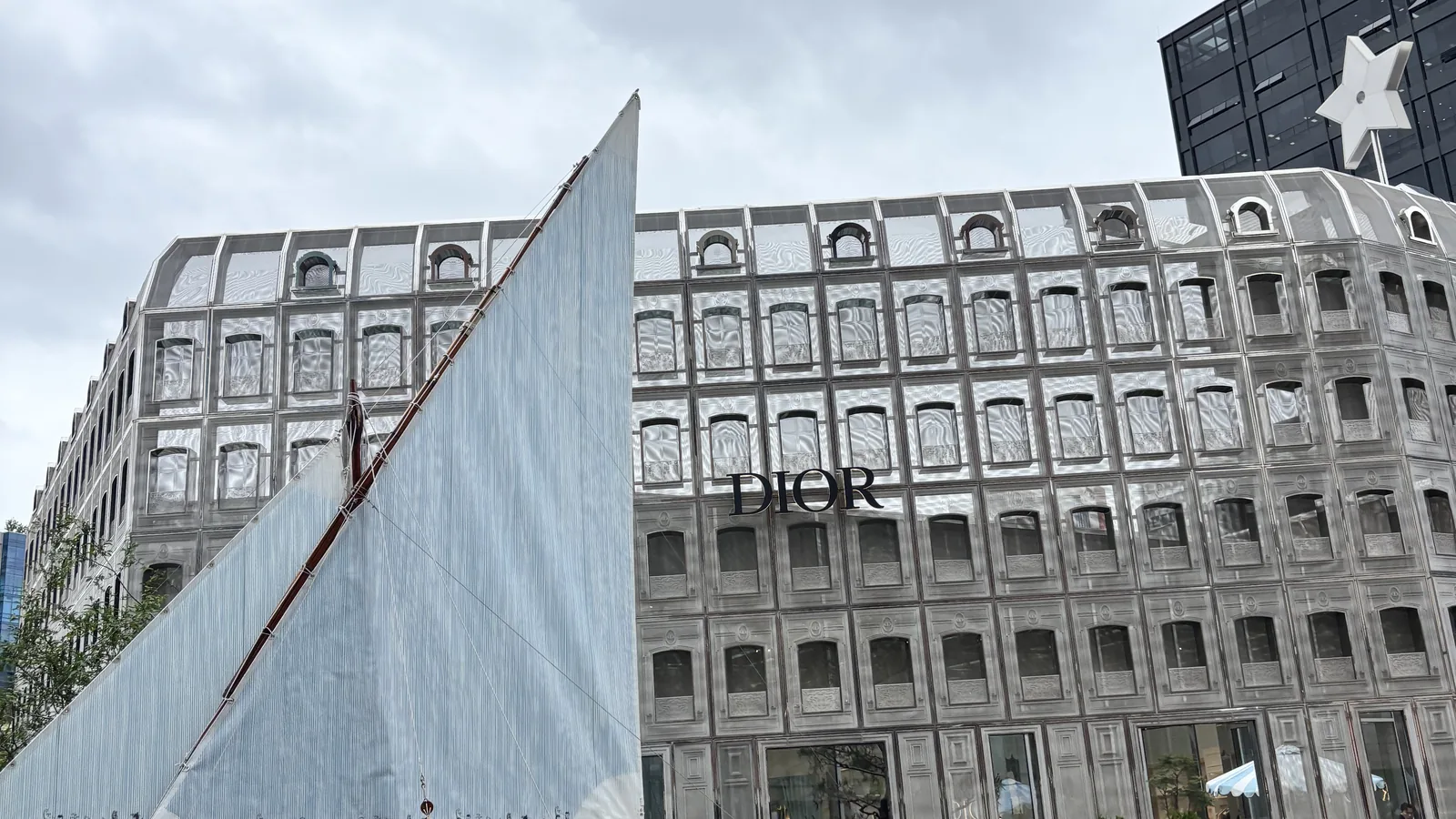
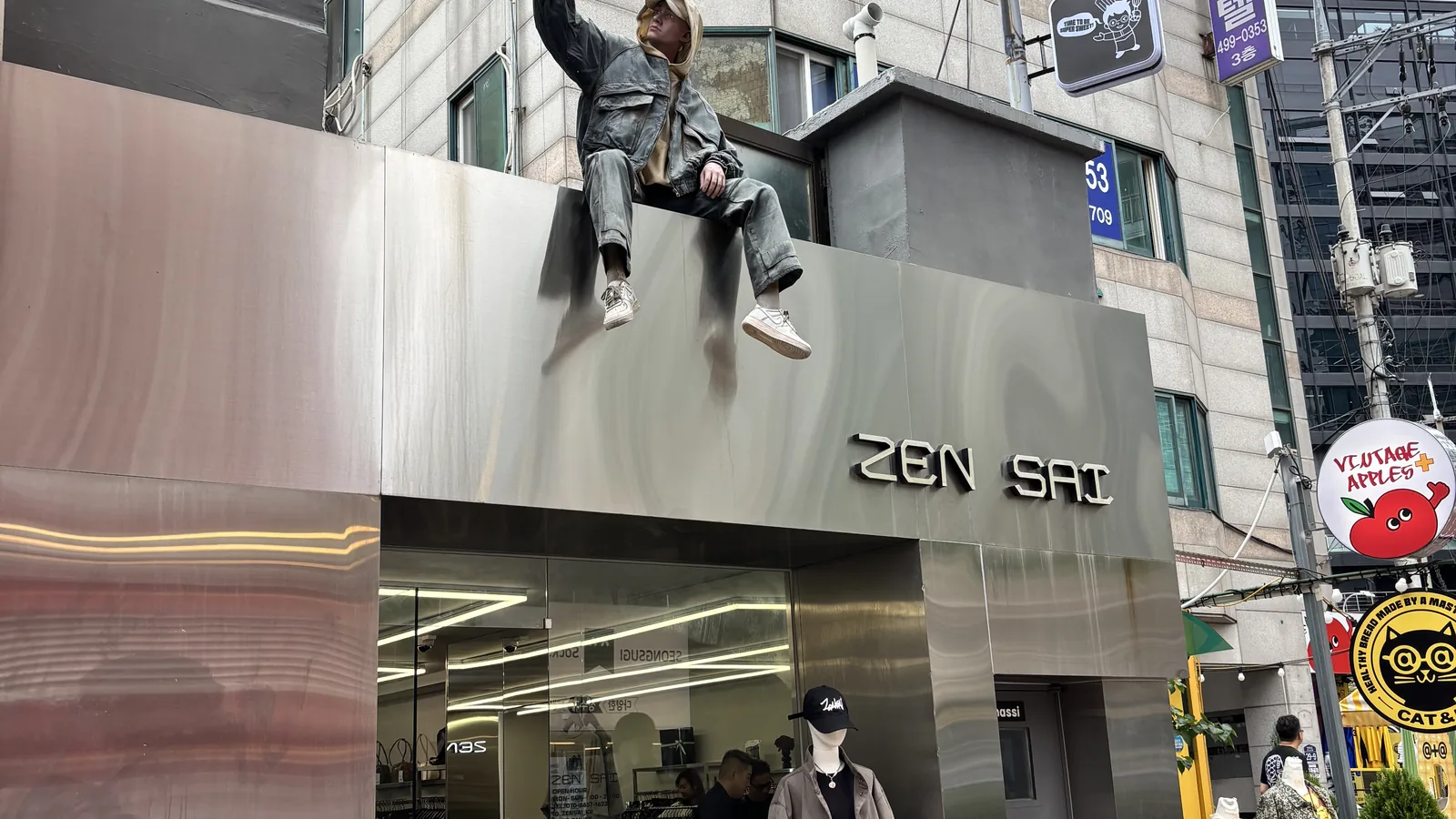
Introduction: Why Shopping in Korea Feels Different

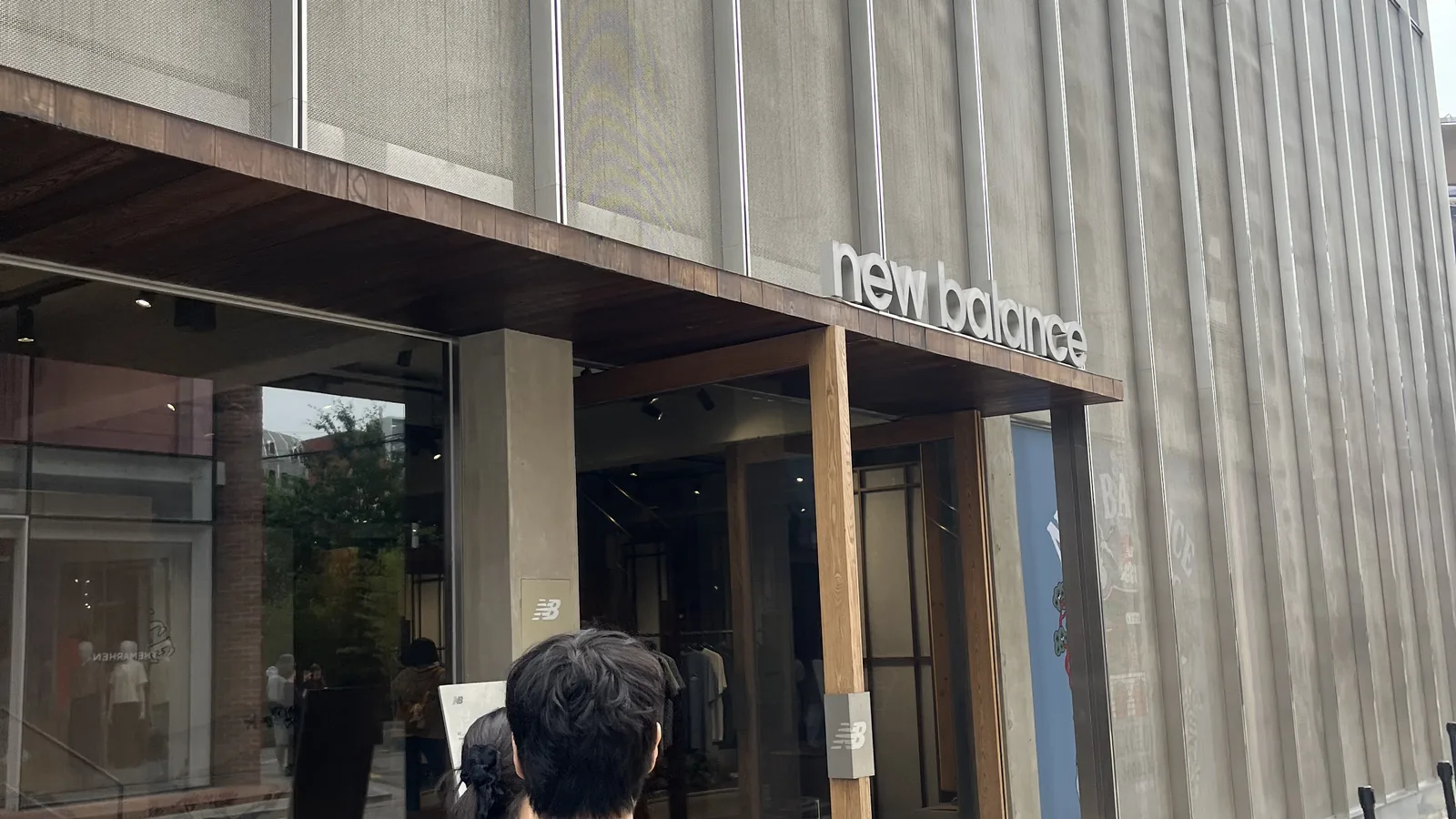
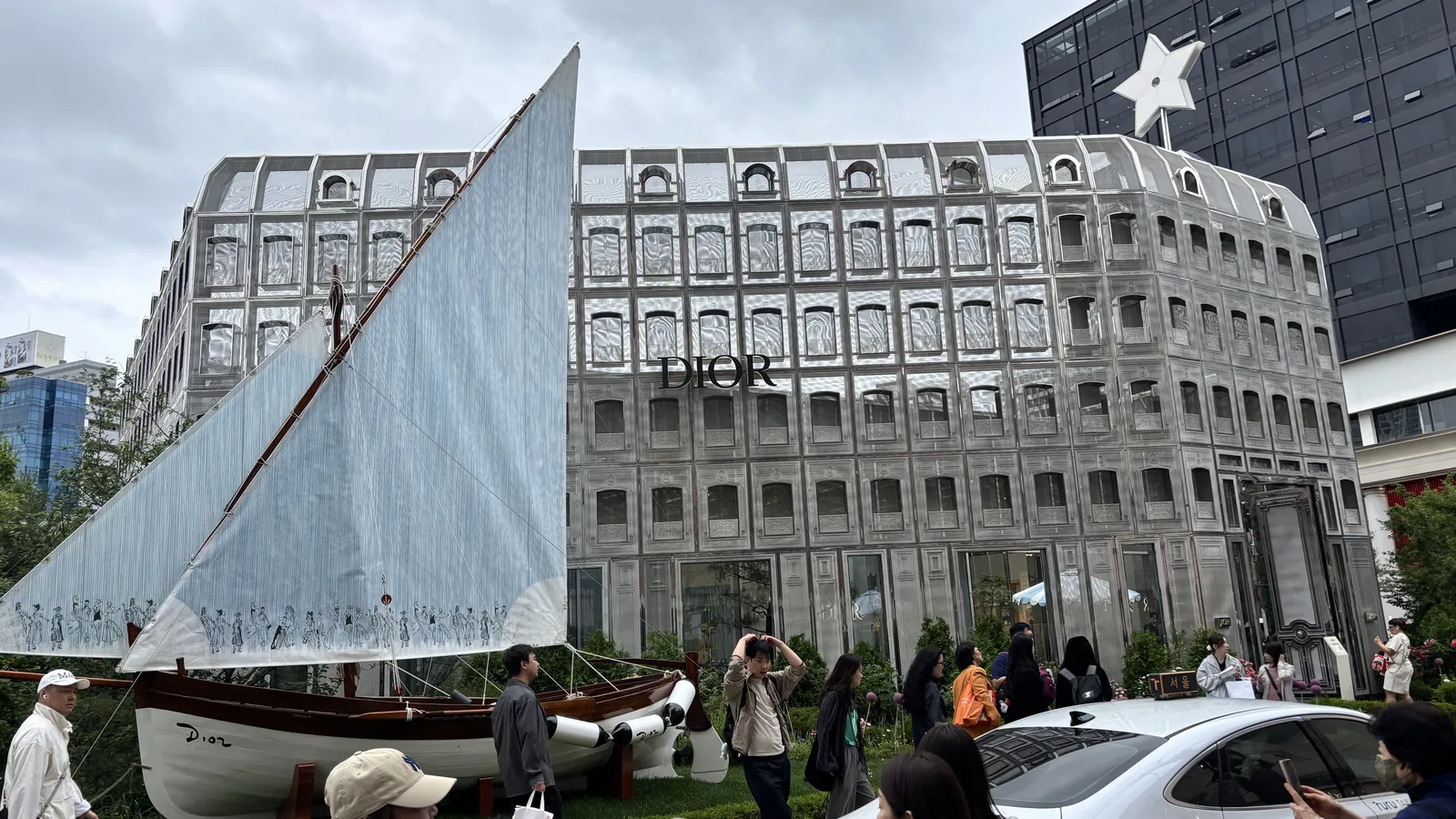
After living in Australia for many years, every return trip feels new—especially when following my Korea shopping guide 2025. In Sydney, shopping often means driving to a mall, quickly picking up what you need, and heading home. In Seoul, shopping is an experience. It’s social, cultural, and often an adventure in itself. Whether you’re wandering through a neon-lit street market, navigating the endless aisles of Olive Young, or searching for the latest K-pop merchandise, shopping here tells a story about modern Korean life. This guide blends my personal experiences with practical advice, so you can navigate Korea’s shopping world like a local—while avoiding common pitfalls.
K-Beauty: More Than Just Skincare
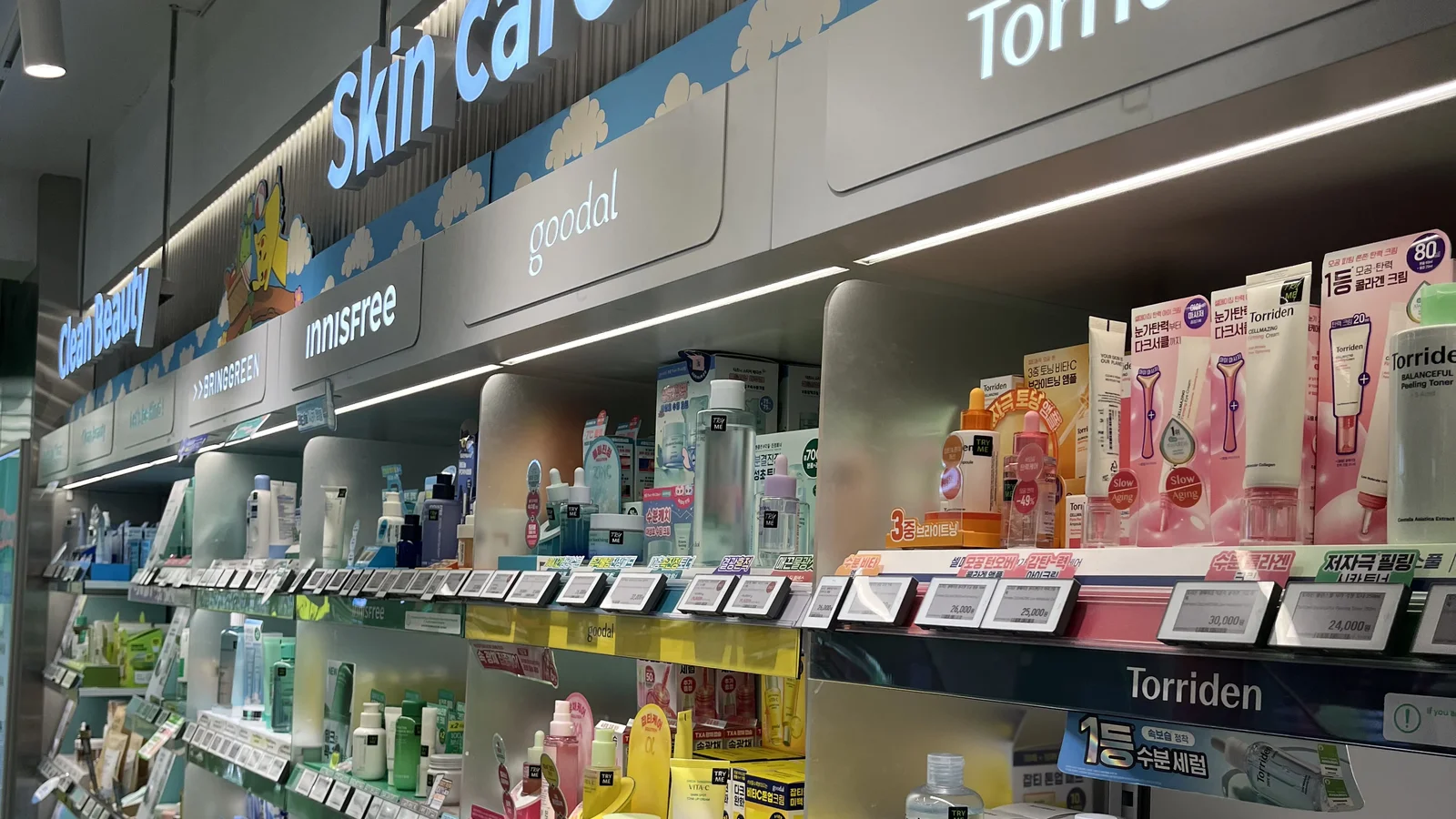
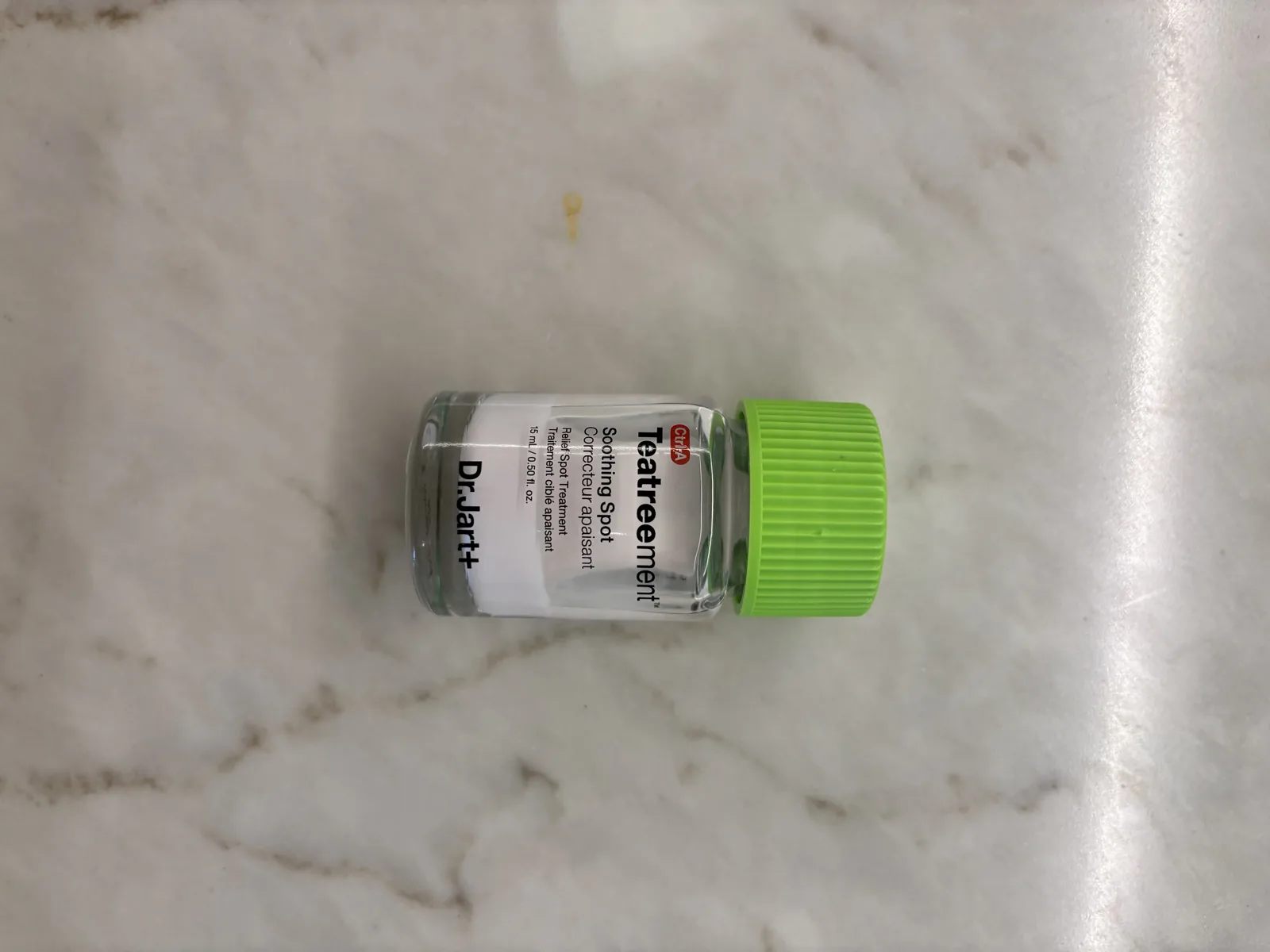
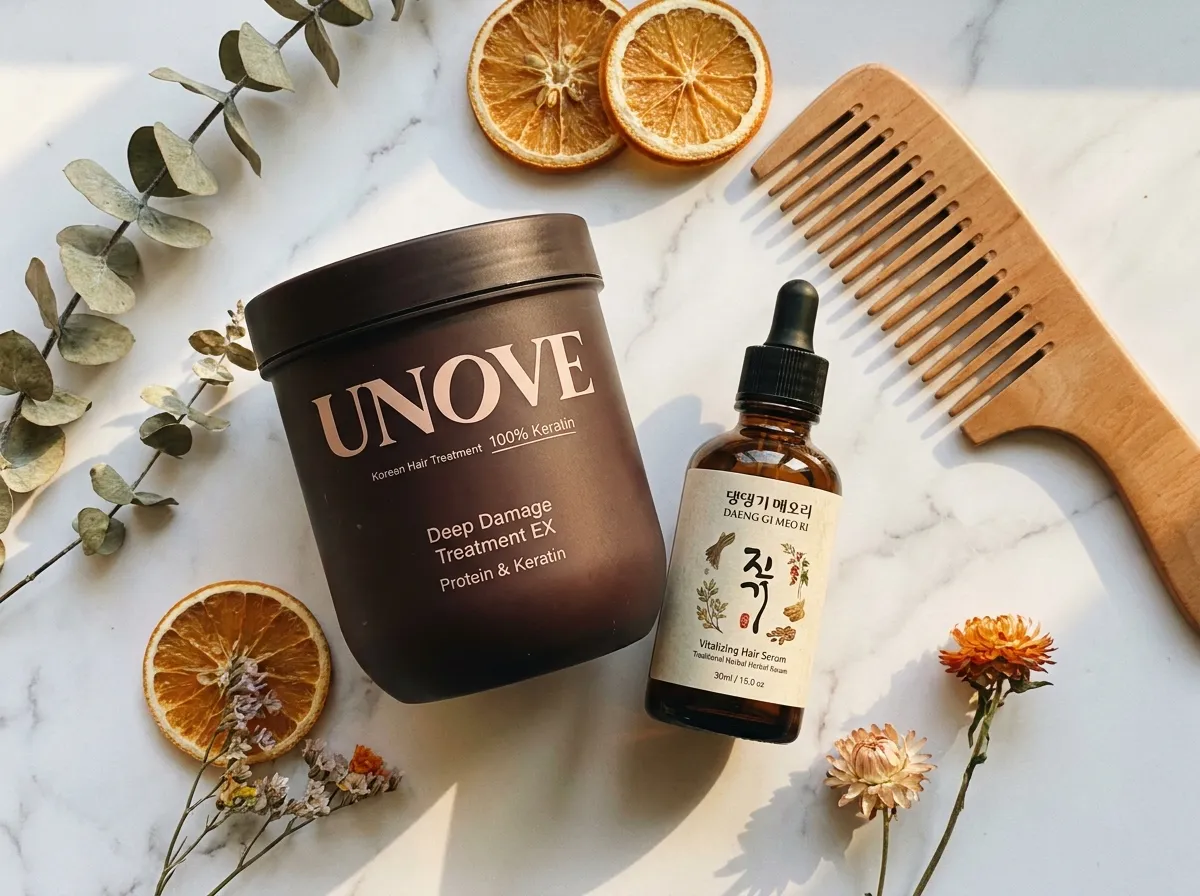
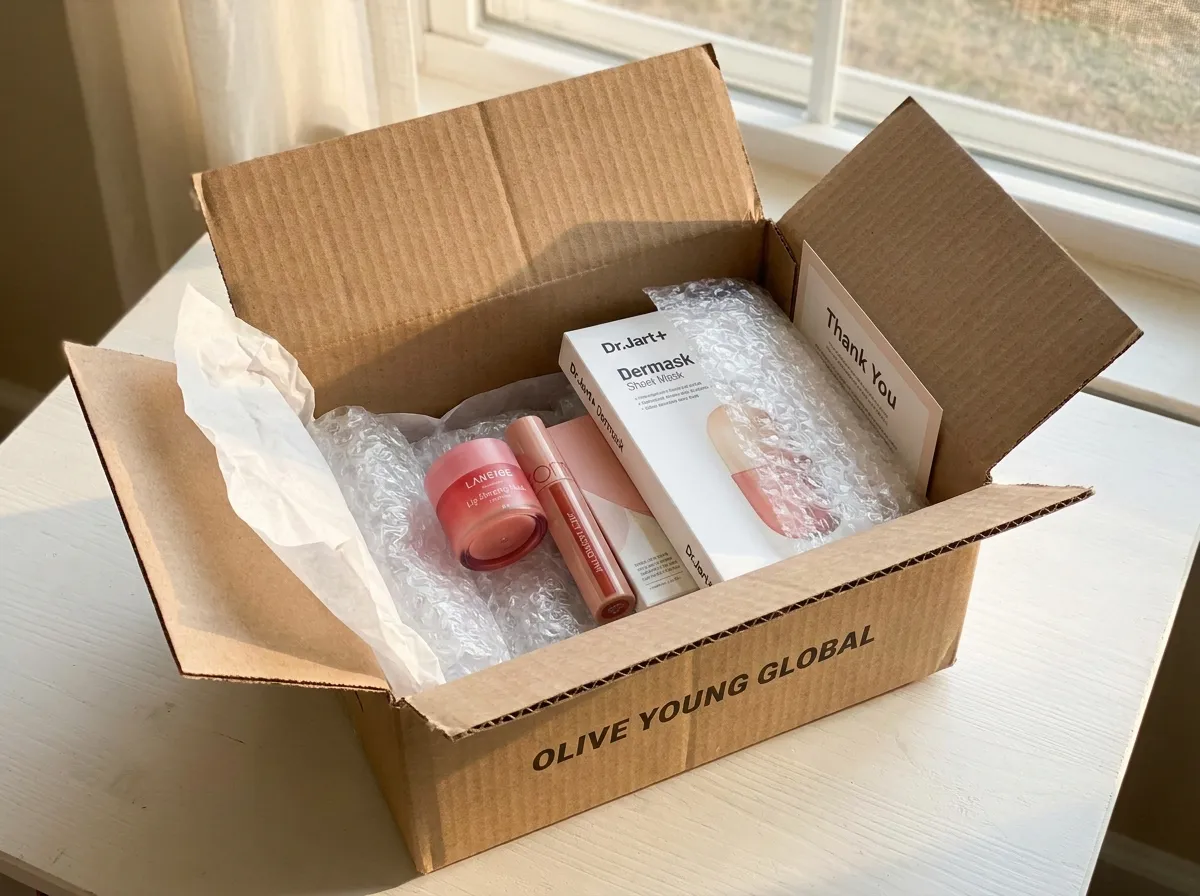
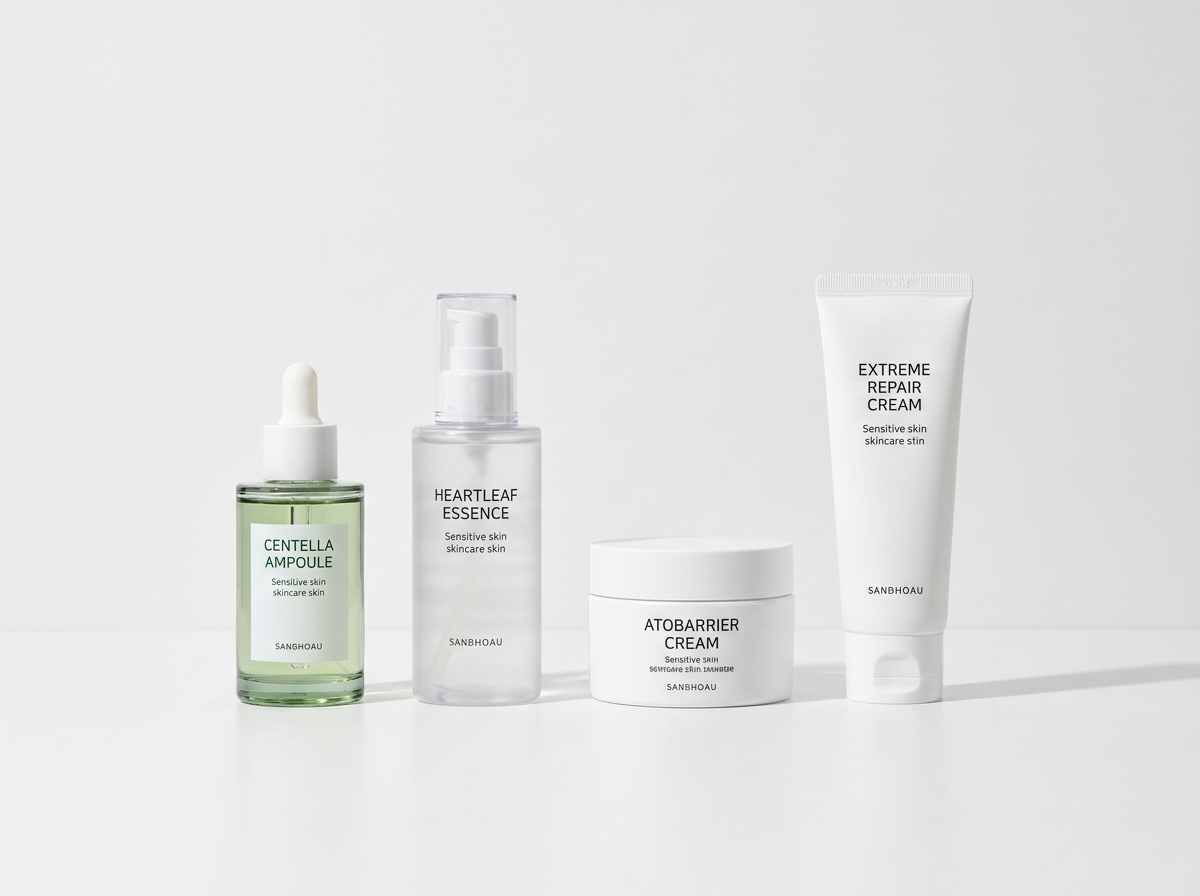
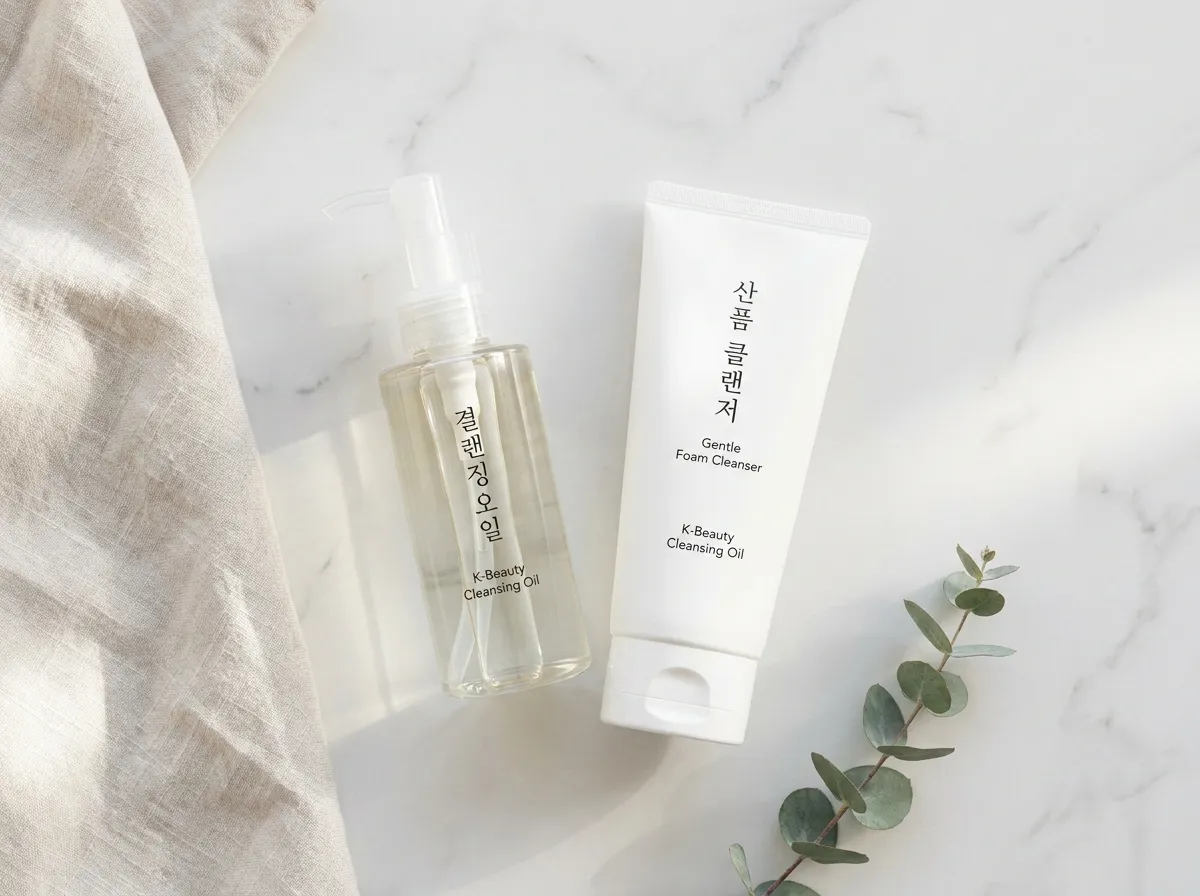
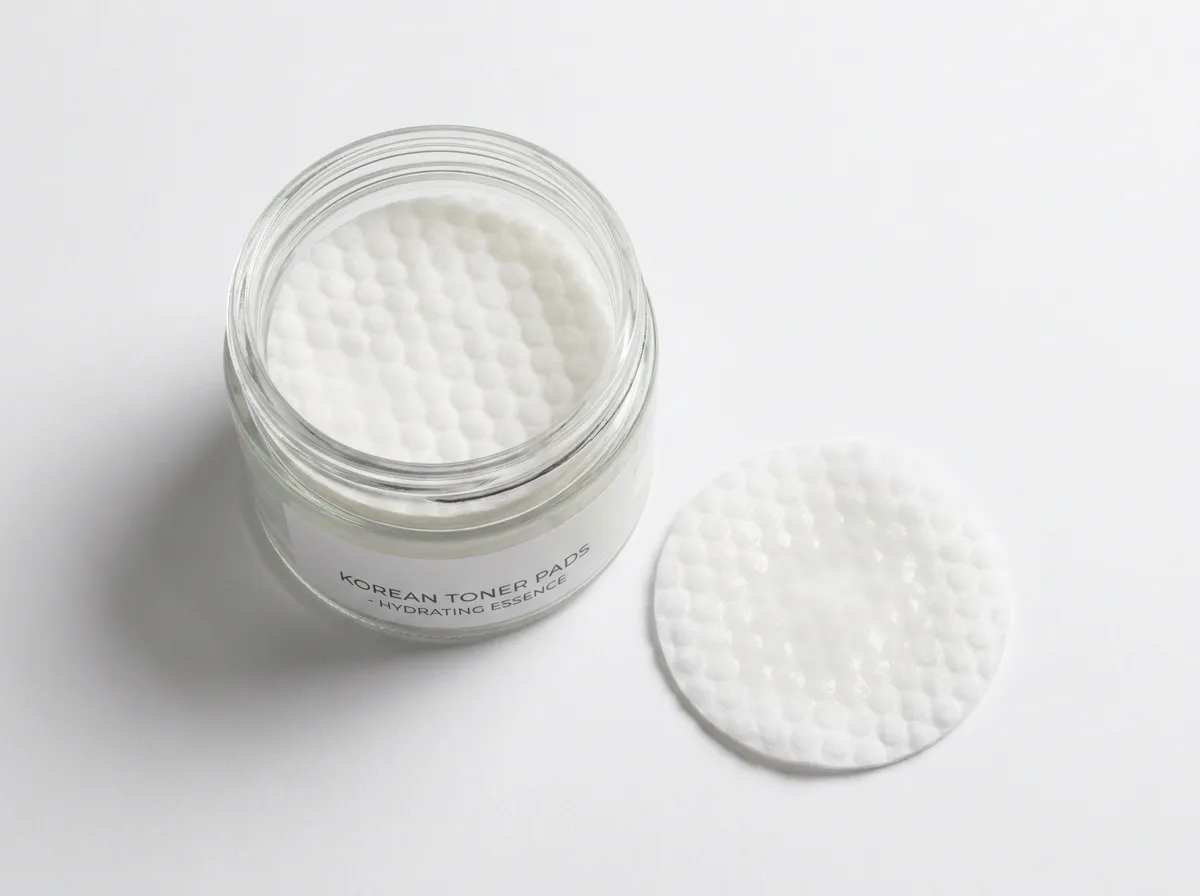
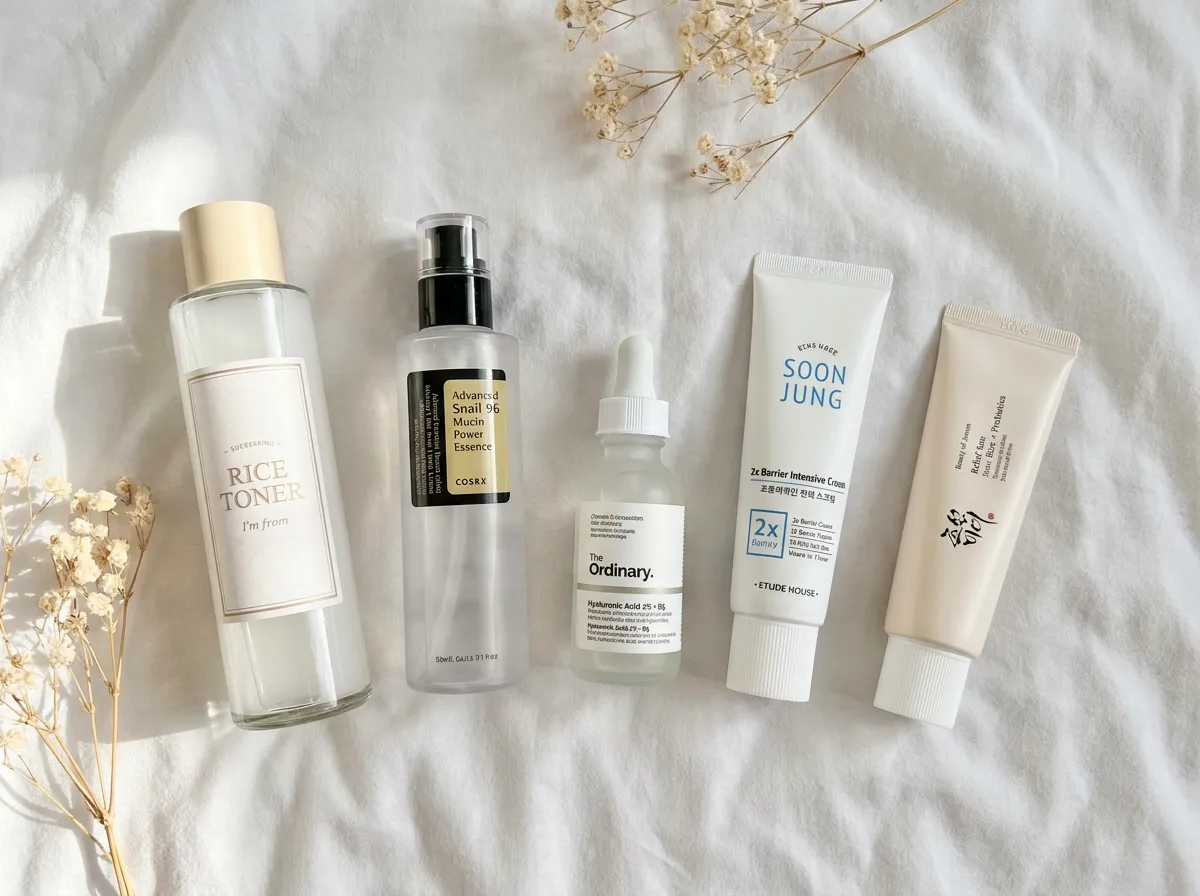
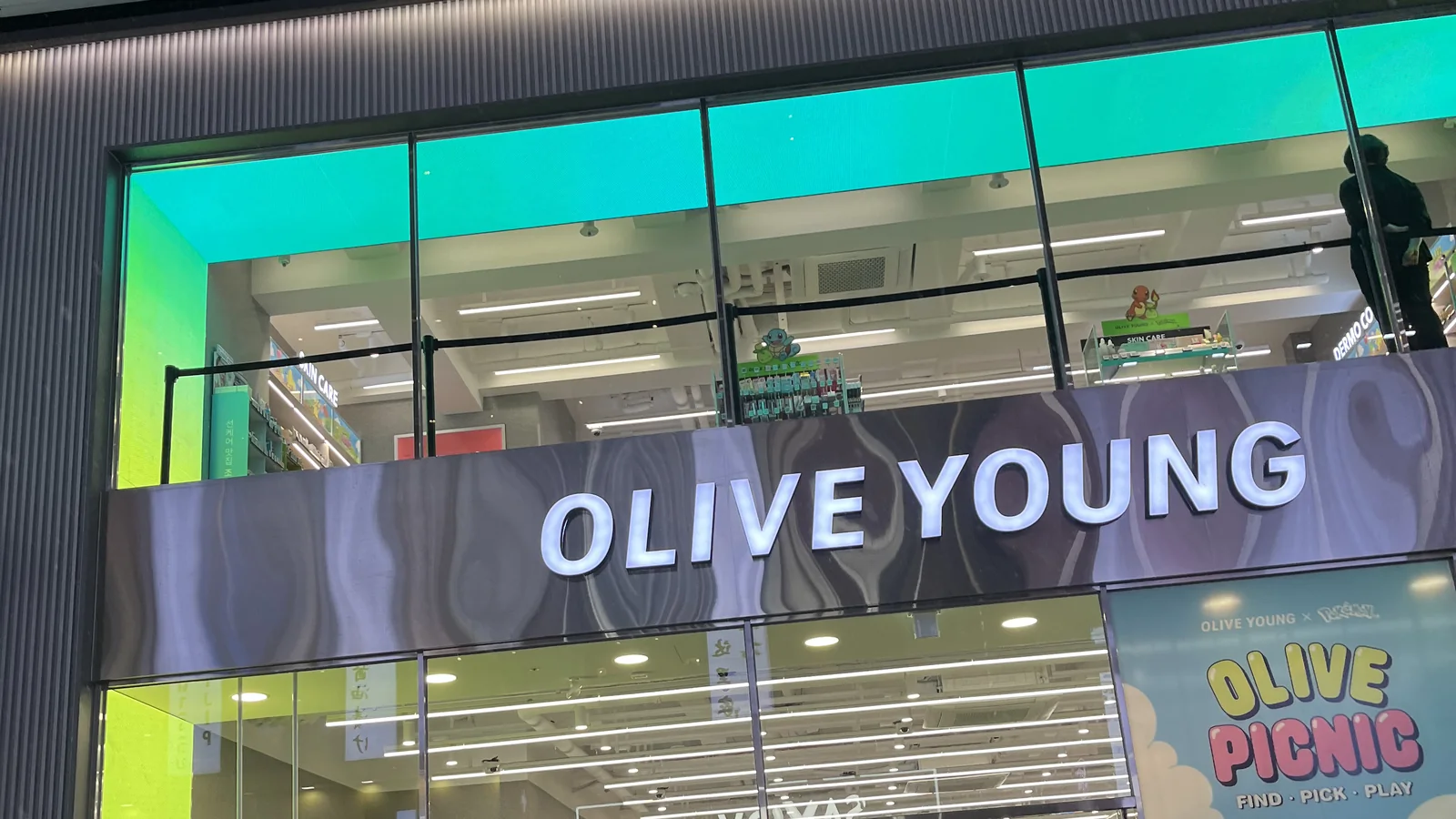
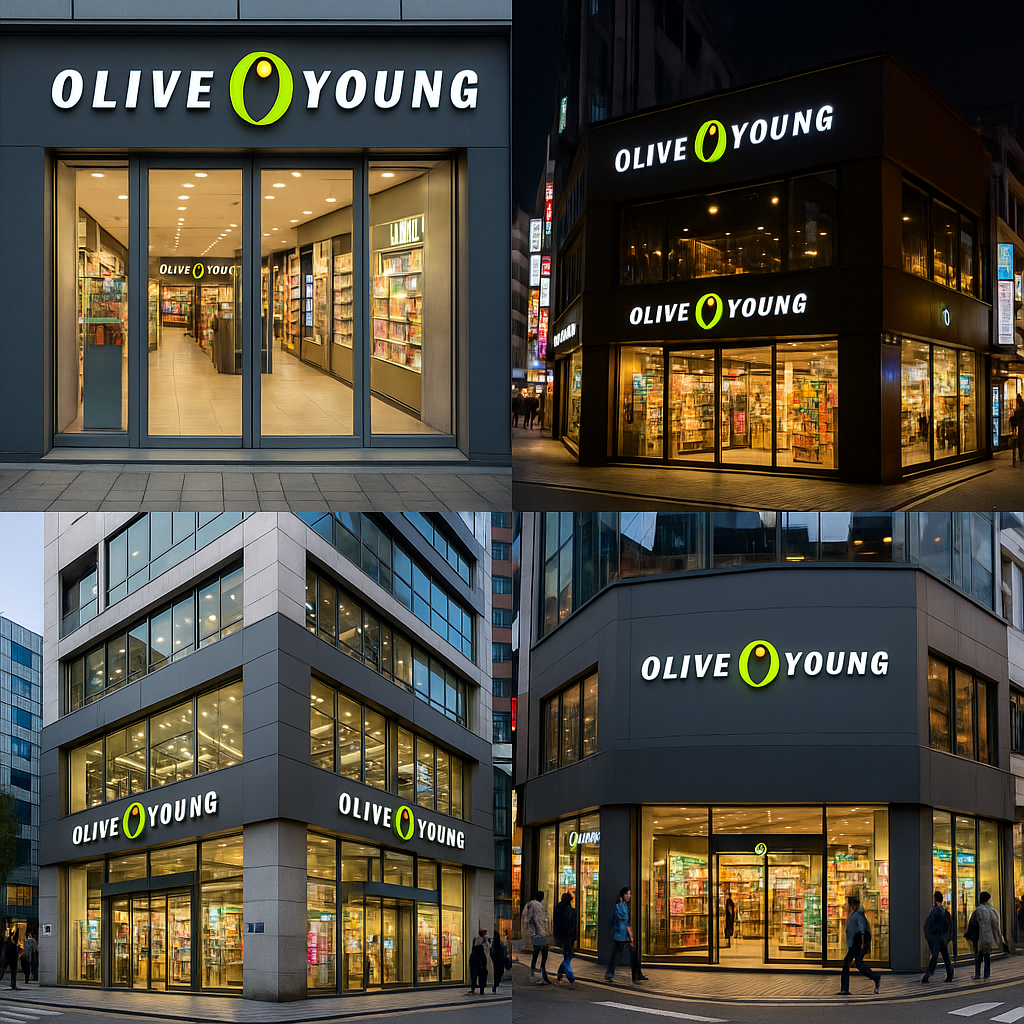
Korean beauty, or K-Beauty, has become a global phenomenon. I first realized its reach when friends in Sydney started asking me to bring back sheet masks and serums every time I visited Korea. The obsession isn’t just about cosmetics—it’s about innovation and ritual. Walking into an Olive Young store in Seoul, you’re met with walls stacked from floor to ceiling with products that target every imaginable skin concern. What surprised me was the price: many products are significantly cheaper in Korea compared to Australia, even after export markups.
But K-Beauty shopping isn’t just transactional. It feels communal. I once joined a skincare demo at a store in Myeongdong, where staff tested products on customers’ hands, explaining ingredients and routines. In Australia, shopping for skincare feels more solitary—you grab a product off the shelf, maybe ask a quick question, and that’s it. In Korea, it’s interactive, almost like a workshop.
K-Pop Merchandise: More Than Souvenirs

If you’ve ever lived abroad as a Korean, you’ll know how powerful K-Pop is in connecting people. I once saw Australian teenagers lining up outside a K-Pop store in Sydney, waiting to buy lightsticks and albums. But nothing compares to shopping for these items in Seoul itself. Stores in districts like Hongdae and Myeongdong overflow with official albums, posters, and limited-edition merchandise.
One memory stands out: buying an official lightstick at a shop near COEX before a BTS concert. The energy in the store was electric—fans from around the world bonding instantly. This is something shopping in Australia rarely offers. In Sydney, a music store is quiet, straightforward. In Seoul, a K-Pop merchandise store feels like a cultural festival.
Fashion and Lifestyle: Seoul’s Ever-Changing Style
Fashion in Seoul evolves at lightning speed. In places like Dongdaemun and Gangnam, trends shift almost weekly. Coming from Australia, where fashion cycles feel slower and more seasonal, Seoul’s pace was shocking at first. Clothes are often designed, produced, and sold within weeks. That’s why shopping in Korea is exciting: you’re always ahead of the curve.
One of my personal highlights was exploring small boutiques in Ewha Women’s University area. Prices were reasonable, styles fresh, and the shopkeepers often gave styling tips. Back in Australia, boutique shopping feels more high-end and distant. In Seoul, even budget fashion feels personal and approachable.
And then there’s the sizing issue. Korean sizes tend to run smaller than Australian ones. I once bought a jacket in Seoul that fit perfectly in the store, but back in Sydney, I realized it felt one size smaller compared to my usual clothes. Lesson learned: always try things on, and don’t assume the numbers match.
Traditional Markets: Where Old Meets New
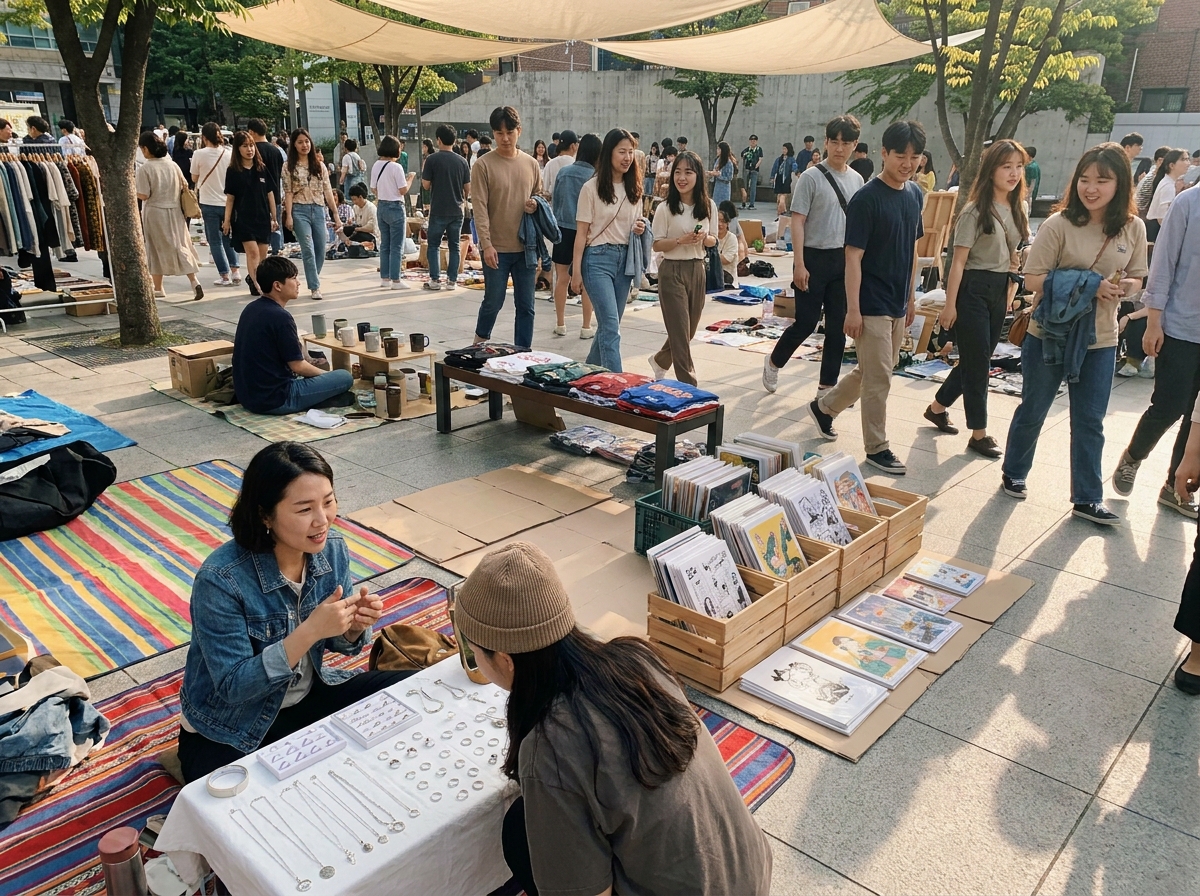
Korea’s traditional markets are not just about shopping—they’re about history. Namdaemun and Gwangjang Market are two of my favourites. I remember weaving through stalls selling everything from kitchenware to silk scarves. At one stall, I haggled with a vendor over a handmade tablecloth. The negotiation wasn’t stressful—it felt like part of the ritual, something rarely experienced in Australian markets.
Food is also central in these markets. After buying a few gifts, I sat down for a plate of mung bean pancakes. The vendor’s grandmother had been running the stall for decades. That sense of continuity—family businesses surviving through generations—makes Korean markets unique. In Sydney, markets often feel more like weekend pop-ups. In Korea, they are institutions.
Duty-Free and Outlets: Smart Shopping Strategies
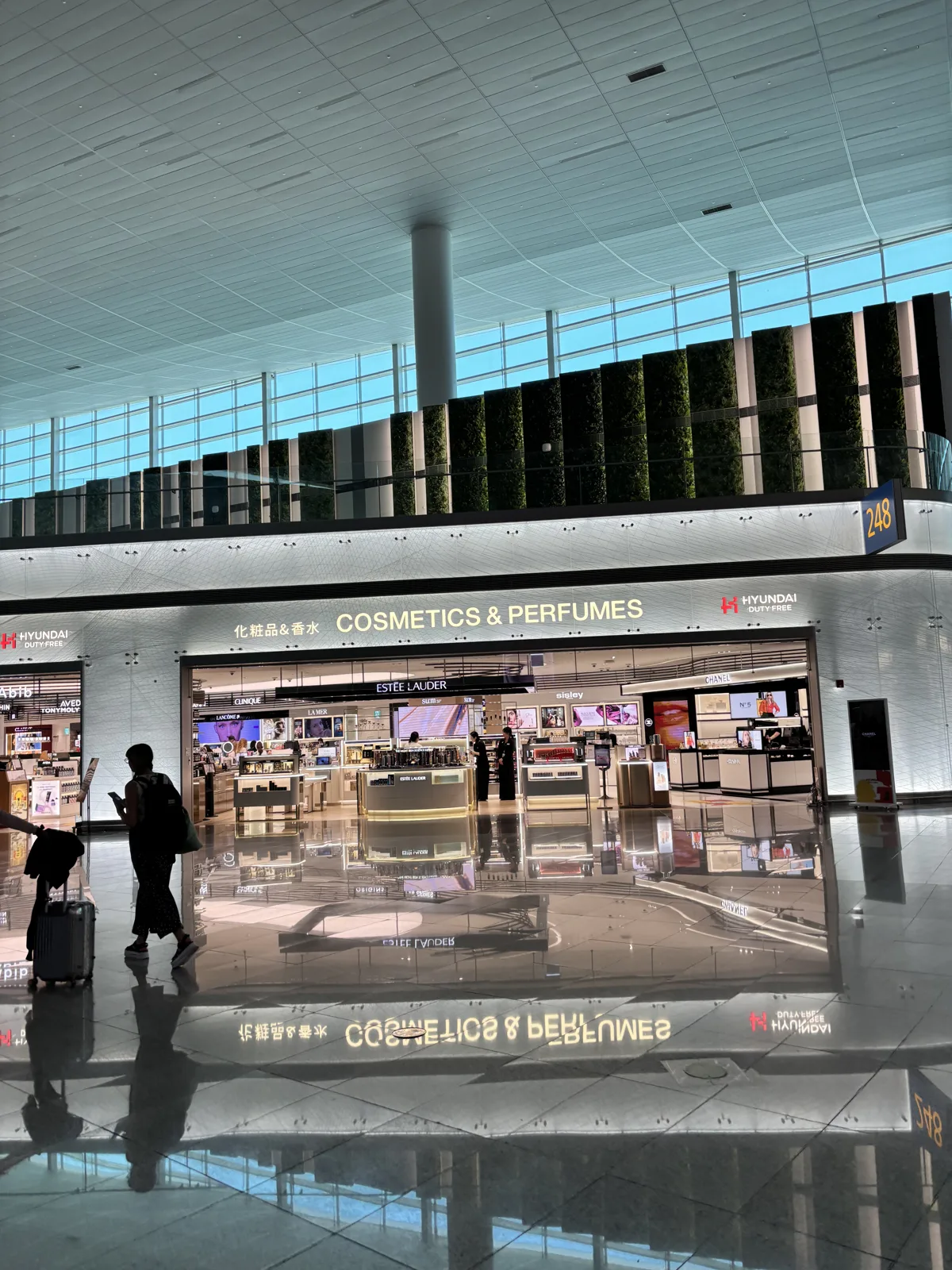
Many visitors rush to duty-free stores, believing they’ll always get the best deals. But from experience, that’s not always true. I once compared the price of a popular K-Beauty serum at Incheon Airport’s duty-free to a store in Myeongdong—the city store was cheaper, especially after promotions. Lesson: compare before you buy.
Outlets like Paju Premium Outlets or Yeoju can also be worth the trip. I picked up a winter coat there for less than half the Sydney retail price. But remember: outlets are often outside the city, so plan accordingly. In contrast, Australian outlet malls are closer to urban centers and less crowded. In Korea, expect busier scenes, especially on weekends.
Shopping Culture: Korea vs Australia
One of the biggest differences I’ve noticed is payment culture. In Korea, nearly everything can be paid with a credit card, even tiny purchases. But in street markets, cash is still useful. In Australia, card is king everywhere, even for a one-dollar item. Another contrast is service. Korean staff are proactive—they’ll approach you with samples, explanations, and recommendations. In Sydney, customer service is usually more laid back.
Tax refunds are another area where Korea shines for tourists. On a recent trip, I bought several beauty products and fashion items. At checkout, the cashier processed my tax refund on the spot, so I didn’t need to line up at the airport. This instant VAT refund is something Australia doesn’t offer. For tourists, it makes shopping in Korea even more attractive.
Practical Tips for Shopping in Korea
- Carry some cash: Especially for markets and small stalls.
- Try before you buy: Sizes differ; don’t rely on labels.
- Check promotions: City stores often beat duty-free prices.
- Embrace service culture: Staff are there to help, not pressure.
- Leave suitcase space: You’ll always end up buying more than planned.
FAQs: Shopping in Korea
Q1. Where’s the best place to shop for K-Beauty in Seoul?
Olive Young is the most popular, but department stores and street shops in Myeongdong also have wide selections.
Q2. How do I get a tax refund in Korea?
Ask at checkout—many stores offer instant VAT refunds if you show your passport.
Q3. Are Korean clothing sizes smaller than Australian ones?
Yes. Always try clothes on. A Korean “M” often feels like an Australian “S.”
Q4. Where can I buy official K-Pop merchandise?
Look for licensed shops in Myeongdong, COEX, or Hongdae. Avoid unlicensed street vendors.
Q5. Are outlets worth visiting in Korea?
Yes, especially for international brands. But factor in travel time since outlets are usually outside Seoul.
Conclusion: Why Korea Is a Shopper’s Paradise
Shopping in Korea isn’t just about buying things—it’s about immersion. Whether you’re testing the latest skincare, cheering with fans in a K-Pop store, bargaining in a traditional market, or chasing discounts at outlets, each purchase carries a story. For me, coming from Australia, the contrasts are striking. In Sydney, shopping is functional and often solitary. In Seoul, it’s fast, communal, and full of surprises.
If you’re planning your trip, don’t treat shopping as an afterthought. Plan it as part of your journey. Explore different districts, embrace the chaos of markets, enjoy the service culture, and most importantly, let yourself get carried away by the energy. That’s when shopping in Korea becomes more than a transaction—it becomes a memory worth carrying home.
See my post below for more information
🇰🇷 Top Kbeauty Wholesale Supply Sites in 2025: Trusted Sources for Bulk Buying

Kbeauty Wholesale Supply 2025 – Discover 4 trusted wholesale platforms including StyleKorean B2B, Q-Depot, Beauty Box Korea, and K-Planet. Tips […]
🇰🇷 A Day in Seongsu: Experiencing Olive Young and the Heartbeat of K-Beauty Culture (2025)

🌎 Table of Contents Why Olive Young Seongsu Is a Must-Visit for K-Beauty Fans in 2025 When I first stepped […]