Disclosure: This post contains affiliate links. If you purchase through these links, I may earn a commission at no extra cost to you.
Taxis in Korea start at a ₩4,800 base fare in Seoul for 2026, with late-night surcharges of 20–40% between 10pm and 4am. Here’s what I actually pay — and where tourists get stung.
Quick Summary (2026 Updated)
- Base Fare: 4,800 KRW (Standard Taxi)
- Airport Taxi (Incheon → Seoul): 70,000–100,000 KRW
- Main Taxi Apps: Kakao T, T Map Taxi, International Taxi Seoul
- Payments: Cash, Credit/Debit (VISA, MasterCard), Mobile Pay
- Availability: 24/7 (late-night surcharge 20–40%, 10pm–4am)
- Safety: Official taxis are safe — always request a receipt (“영수증 주세요”)
📱 First things first — data. None of the apps in this guide work without it, so I sort a Korea eSIM before I fly and it’s live the moment I land. Now, on to the details.
If you are putting the whole trip together, my broader Korea trip planning guide shows how taxis fit alongside the subway, buses, and airport transfers.
👇 Watch Before You Ride – My First Korean Taxi Ride (Shorts, 2026) A real moment on the road — created by Unniepicking.
Table of Contents
- Introduction
- Seoul Taxi Fares 2026 by Taxi Type
- How to Call a Taxi in Korea
- Top Taxi Apps in Korea
- Do Taxi Drivers Speak English in Korea?
- How to Pay for Taxis in Korea
- Safety Tips for Taxis in Korea
- Airport Taxi Guide (Incheon & Gimpo)
- What If You Lose Something in a Taxi?
- Korea vs Australia: Taxis Compared
- Frequently Asked Questions (FAQ)
- Final Thoughts
- Related Travel Guides You Might Like
Introduction
If you’ve ever found yourself standing on a crowded Seoul sidewalk late at night, wondering how to get back to your hotel without squeezing into a packed subway, you’ll understand why taxis in Korea feel like a small luxury. Despite Korea’s famously efficient subway and bus system, taxis are often the most comfortable and practical choice — especially when you’re dragging luggage or coming home from Hongdae after midnight.
Having lived in both Sydney and Seoul, I can say the difference is striking. In Australia, I often waited ten minutes for a cab that cost half a day’s coffee budget. In Seoul, one tap on Kakao T, and a spotless sedan arrives in under two minutes. That contrast alone is worth sharing..
After years of switching between Sydney’s slow weekend cabs and Seoul’s lightning-fast taxis, I’ve learned that getting around Korea isn’t just transport—it’s a glimpse of how efficiency feels when it actually works. The sheer number of taxis available 24/7, the integration of apps, and the cost differences make taxis in Korea an experience every traveller should be prepared for. This 2026 guide covers everything: fares, types of taxis, apps to use, payment methods, airport transfers, safety tips, and even a comparison with Australian taxis.
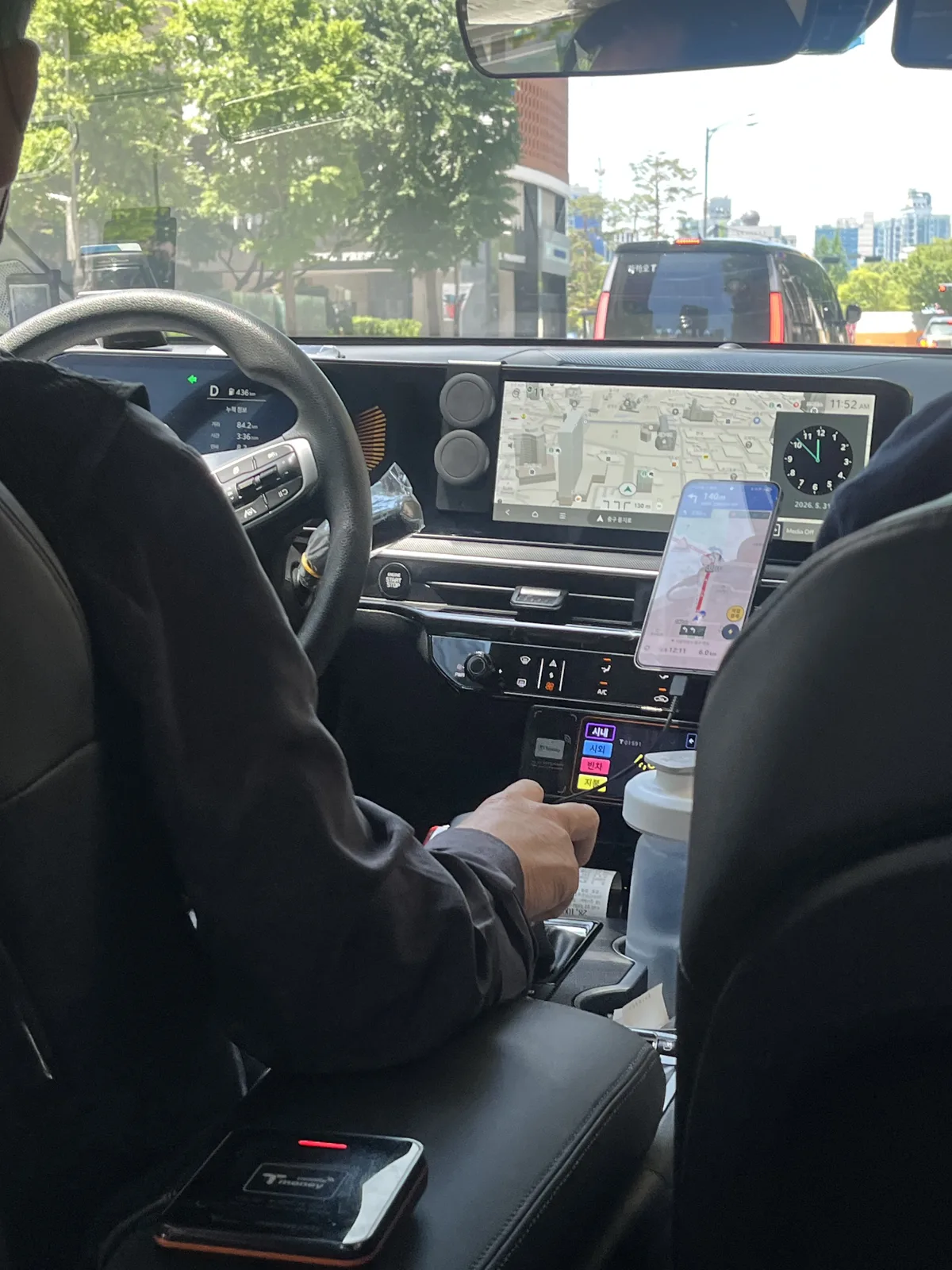
The first time I took a taxi in Seoul, summer rain was drumming against the airport glass. The moment I stepped inside, cool air and a faint scent of pine freshener filled the car. The driver glanced at the address, nodded politely, and merged onto the highway. I remember watching the neon signs blur by and thinking, so this is how modern efficiency feels when it still has warmth. That quiet comfort at the start of my trip said more about Korea than any brochure ever could.
Seoul Taxi Fares 2026 by Taxi Type
| Taxi Type | Description | Base Fare (2026) |
|---|---|---|
| Standard Taxi | Most common, basic sedan | 4,800 KRW |
| Deluxe / Black Taxi | Premium, more spacious, higher service quality | 7,000 KRW |
| Jumbo Taxi | Seats up to 8 passengers, great for groups | 7,000 KRW |
| International Taxi | English/Japanese/Chinese-speaking drivers (Seoul only) | 6,500 KRW+ |
- Standard Taxi is the everyday option you will find almost anywhere.
- Deluxe/Black Taxi offers larger, more comfortable rides with highly trained drivers.
- Jumbo Taxi is perfect for families or groups carrying luggage.
- International Taxi can be reserved in advance if you need an English-speaking driver in Seoul.
While most information applies nationwide, each city has its own taxi culture. In Seoul, apps like Kakao T dominate. In Busan, you may still find more street-hailed taxis, and drivers can sometimes speak basic Japanese due to tourism demand. On Jeju Island, taxis often double as informal tour guides, offering day trips around the island. Each ride feels a bit like meeting the city itself—Busan’s seaside chatter, Jeju’s easy friendliness, Seoul’s clipped efficiency.
How to Call a Taxi in Korea
In 2026, waving on the street still works, but apps have taken over. Most locals use Kakao T, and travellers should too. The English interface, real-time driver info, and card payment make it nearly foolproof. I often combine transport: subway to central Seoul, then Kakao T for the last stretch. It’s faster and less stressful than trying to flag a car during rush hour to get a ride.
👉 Seongsu-dong Seoul Travel Guide: The Neighbourhood I Keep Coming Back To picks up exactly on this — every time i land in seoul, seongsu-dong is on my list before i even check into the hotel, and it goes from there.
📱 Don’t Get Stranded: To use Kakao T or Uber smoothly, you’ll need a reliable 4G connection. I highly recommend picking up a High-Speed Korea SIM Card at the airport so you can call a taxi the moment you land!
While taxis are easy to hail, many locals and travellers mix them with the subway for faster travel.
For example, you can take the subway to central Seoul and then use Kakao T for the last mile.
If you’re new to Korea’s subway system, check out the Seoul Subway Guide 2026 for maps, fares, and transfer tips.
👉 Many locals combine taxis with the metro for faster trips across Seoul. If you’d like to master that mix, check out the Seoul Subway Guide 2026 — it shows how to plan routes, transfer efficiently, and save time like a local.
👉 Curious about how Korea’s subway compares to Australia’s? Before hopping into your next taxi, see what it’s really like underground!
→ Read next: What It’s Like Riding the Subway in Korea vs Australia (2026 Update)
One night in Myeongdong, rain poured so hard my umbrella gave up. I opened Kakao T just to test my luck — within sixty seconds, a silver Sonata pulled up. The driver leaned out, waved, and handed me a paper towel. “Be careful, it’s slippery,” he said in Korean. That tiny act of kindness, mixed with technology that actually worked, made the app feel less like software and more like a small act of rescue in a wet city.
Top Taxi Apps in Korea
- Kakao T (카카오T) – The #1 taxi app in Korea, available in English. It works like Uber but is designed for the Korean market. Kakao T is basically Uber, Line, and Google Maps rolled into one. Once you’ve used it, every other app feels clunky.
- T Map Taxi – Backed by SK Telecom, another popular option.
- International Taxi Seoul – Allows advance booking of English-speaking drivers.
👉 Planning your Korea trip? Don’t miss our “Must-Have Apps & Websites for Korea 2026” — the essential tools every traveller needs for taxis, subways, maps, translations, and payments.
💡 Travel Tip: During rush hours (7–9 AM, 6–8 PM), expect higher fares and longer waits due to traffic.
Do Taxi Drivers Speak English in Korea?
Let’s be honest — most don’t. But that’s rarely a problem.
Show your destination in Korean, smile, and you’ll get there.
I once tried saying “Gyeongbokgung Palace” only to be met with a puzzled look. The moment I showed “경복궁” (Gyeongbokgung) on my phone, the driver laughed, nodded, and said “Okay!” So, write down addresses in Hangul or use Papago and KakaoMap to share them directly. To make your ride smooth:
- Show your destination written in Korean.
- Use translation apps like Papago.
- Save the address in KakaoMap and share it directly with the driver.
👉 In Australia, language is never an issue. In Korea, it’s part of the adventure—smile, show the Hangul, and you’ll both get there fine.
How to Pay for Taxis in Korea
Korean taxis are ridiculously convenient when it comes to payment.
Cash, cards, or mobile — everything works. You can even tap your T-money card like you do on the subway.
💳 Unnie’s Choice for Easy Payment: Instead of carrying piles of cash, I use WOWPASS. It works perfectly in every Korean taxi, includes a T-money function, and lets you track your spending in real-time through their app.
I still remember fumbling for coins in Sydney because one driver’s card reader “wasn’t working.” In Seoul, the reader always works. I once paid through KakaoPay, and the e-receipt arrived in seconds before I even stepped out
- Cash (KRW)
- Credit/Debit cards – including international cards (VISA, MasterCard)
- Mobile payments – KakaoPay, Samsung Pay, Naver Pay
Remember that many travellers in Korea use one payment card across all public transport.
The T-Money Card Guide explains how to top up, use it for taxis, subways, and even convenience stores.
👉 Want to skip cash altogether? The T-money Card Guide 2026 shows how one simple card can handle every payment — from taxis and subways to cafés and convenience stores — without extra fees.
📊 Taxis sorted — but what about the bigger picture?
Knowing your taxi costs is a good start. Add in hotels, food, activities, and shopping and your budget can look very different. Run the numbers before your trip.
Plan your full Seoul budget in 2 minutes →
Safety Tips for Taxis in Korea
✅ Official taxis always have:
- A meter running
- A driver’s ID card displayed inside
🚫 Avoid unofficial taxis around airports or tourist areas.
🧾 Always ask for a receipt: say “Yeongsu-jeung juseyo” (영수증 주세요).
🌙 Official taxis in Korea are safe — meters visible, IDs displayed, clean interiors.
If you ever feel uncertain, just ask for a receipt: “영수증 주세요 (Yeongsujeung juseyo).”
I often took taxis home from Gangnam after midnight. Even at 2 a.m., the streets feel alive but secure. That’s something I can’t always say about late-night Sydney suburbs, where taxis vanish after 1 a.m, especially after the subway stops running around midnight. While nightlife areas like Itaewon or Hongdae can be crowded, taxis are still widely available. Do note that late-night surcharges apply from 10pm, raising the base fare by 20–40% depending on the hour — the full 40% window runs 11pm–2am. Compared to Australia, where catching a taxi in suburban areas at 1 AM can be nearly impossible, taxis in Korea remain a reliable 24/7 option
Around 2 a.m. in Gangnam, I slid into a taxi after a long night out. The streets glowed faintly blue under LED lights. The driver noticed me yawning and turned down the radio. “You can rest; I’ll drive quietly,” he said. It’s strange how a brief ride can feel so human. That quiet courtesy stayed with me longer than the destination itself — proof that safety here isn’t just about meters and IDs, but about people who still care at inconvenient hours.
Airport Taxi Guide (Incheon & Gimpo)
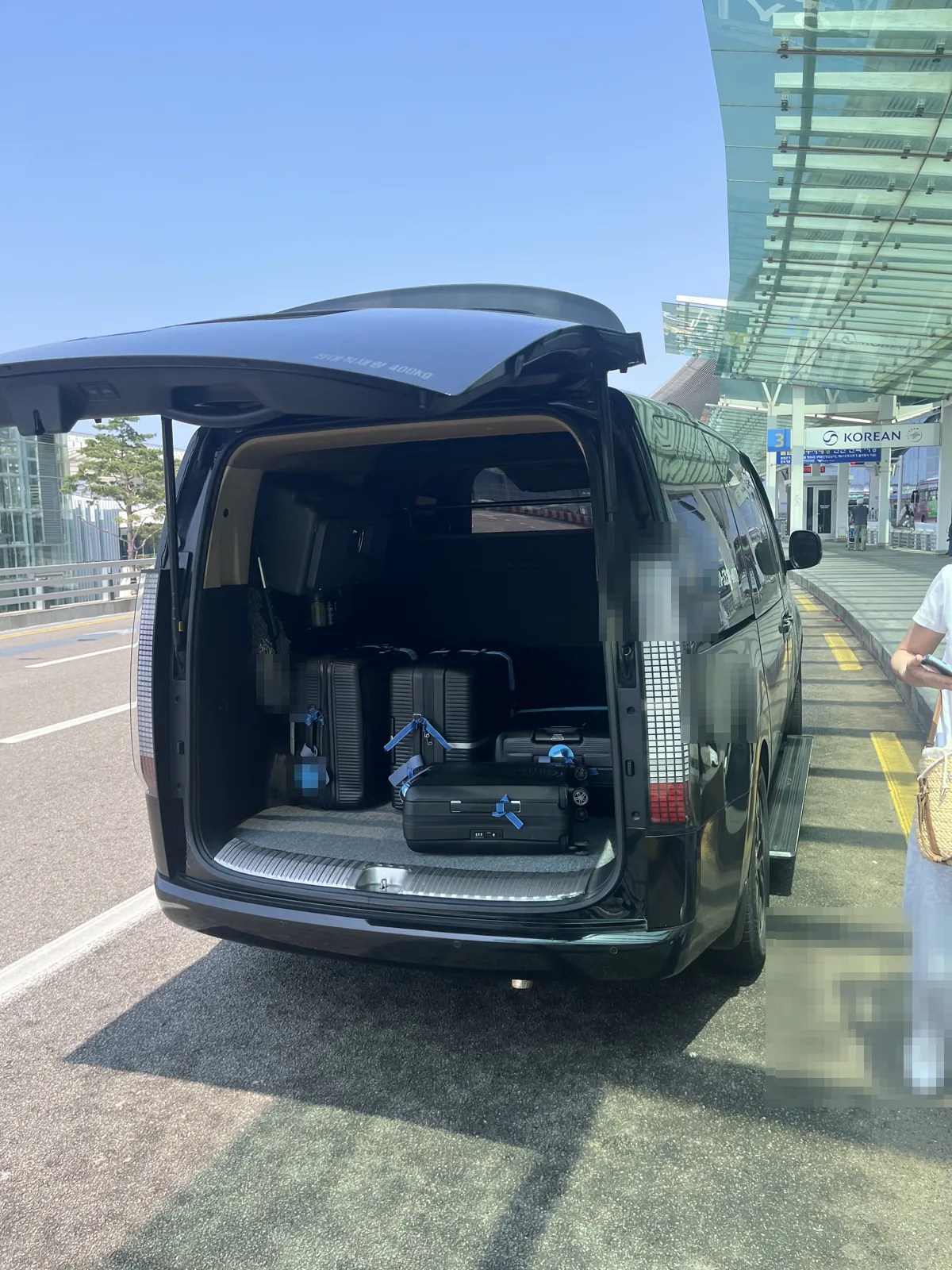
- Incheon → Seoul: Expect 70,000–100,000 KRW depending on time and location.
- If you’re new or tired, look for the flat-rate airport taxis at official counters — they save you from language hiccups. For my morning flights, I usually book the night before through Kakao T; it’s painless and cheaper than missing sleep worrying about the first train.
🚐 Traveling with Family or Heavy Bags? A Private Airport Transfer is booked at a fixed price with the driver already waiting, which is worth comparing against the meter if you are landing late or splitting the fare four ways.
You can also visit the Incheon Airport official website for current taxi fares, limousine bus schedules, and AREX train details.
👉 If you’re travelling beyond Seoul after landing, the KTX High-Speed Train Guide explains how to reach cities like Busan or Daegu quickly and comfortably. It’s the ideal next step after your airport taxi ride.
If you’re arriving at Incheon and want a detailed step-by-step breakdown of what to expect — from real taxi fares to bridge views — check out my full post: Incheon Airport to Seoul Taxi 2026 – The Ultimate and Reliable Travel Guide.
What If You Lose Something in a Taxi?
- If you leave something behind, don’t panic. Check your trip history in the app or call 120 Dasan Call Centre (they speak English). I once left my black jacket in a taxi to Myeongdong — the driver called within two hours and brought it to my hotel. Honestly, that would never happen back home in Australia.
- Visit the nearest police station or report online.
Korea vs Australia: Taxis Compared
For travellers familiar with Australia, here’s how Korea is different:
- App usage: In Australia, Uber and other ridesharing apps dominate. In Korea, Uber exists but is rarely used. Instead, locals rely on Kakao T and T Map Taxi.
- Cost: Korean taxis are generally much cheaper. A 30-minute ride in Seoul may cost 15,000 KRW (~AUD 17), while the same distance in Sydney might cost AUD 40+.
- Availability: Taxis are widely available in Korean cities 24/7. In Australia, availability can drop in suburban or late-night areas, making ridesharing apps more common.
- Language: In Australia, English communication is straightforward. In Korea, having the destination in Korean is essential.
👉 For foreign travellers, this means Kakao T is your best friend in Korea, just like Uber is in Australia.
Frequently Asked Questions (FAQ)
Q1. How much is the basic taxi fare in Korea (2026)?
Standard taxis start at 4,800 KRW.
Q2. Is Uber used in Korea?
Uber exists but is not popular. Koreans mainly use Kakao T.
Q3. Do I need to tip taxi drivers in Korea?
No, tipping is not required.
Q4. How much is a taxi from Incheon Airport to Seoul?
Usually 70,000–100,000 KRW.
Q5. Can I pay with a foreign credit card?
Yes, most taxis accept international cards.
Q6. Are taxis safe for solo female travellers?
Yes, Korea is generally safe. Stick to official taxis or apps.
Q7. Do taxis run 24/7 in Seoul and Busan?
Yes, but during peak nightlife hours, availability can be tight.
Back in Sydney, I often stood at the curb checking my watch, wondering if a taxi would ever show up. In Seoul, I wait barely a minute, yet find myself wondering instead what kind of driver I’ll meet. Australia’s system feels calmer but distant; Korea’s, faster yet more personal. Technology sets the rhythm, but humanity still writes the melody. Maybe that’s why every taxi ride here feels less like logistics and more like a tiny slice of city life.
👉 Planning a longer stay or multiple city trips? The Wise Card in Korea 2026 helps you save on every taxi ride, café stop, and online purchase — perfect for travellers managing currency and transport together.
📱 Don’t get stranded offline: Kakao T and the map apps are useless without data, so I grab a Korea eSIM before I fly — it’s active by the time I clear immigration, no SIM-swapping at the airport counter.
Final Thoughts
Taxis in Korea are a reliable and affordable supplement to public transport, especially for travellers with luggage, those heading to the airport, or late-night trips when subways stop running. By downloading Kakao T, preparing your destination in Korean, and knowing the fare system, you can travel with confidence.
Taxis are only one piece of the puzzle — my Korea transport guide puts subway, KTX and buses side by side so you can mix and match.
For me, comparing this with Australia highlights how practical Korea’s taxi system is. While Sydney’s taxis are expensive and sometimes scarce late at night, Seoul offers round-the-clock access at half the cost. Every ride reminds me that Seoul never really sleeps—it just changes speed. For travellers, that rhythm feels both foreign and strangely familiar.
Related Travel Guides You Might Like
👉 Incheon Airport to Seoul Taxi 2026 – The Ultimate and Reliable Travel Guide
→ Your step-by-step guide from Incheon Airport to downtown Seoul — including fares, routes, and what the ride really feels like.
👉 Seoul Subway Guide 2026 – How to Ride Like a Local
→ Learn how to navigate Korea’s subway system, transfer smoothly, and save time with the T-money card.
👉 What It’s Like Riding the Subway in Korea vs Australia as a Foreigner (2026 Update)
→ Discover what makes Korean and Australian subway systems so different
👉 Wise Card in Korea 2026 – Save on Every Ride and Purchase
→ How to use Wise Card in Korea for taxis, cafes, and online shopping — a must-have for international travellers.
👉 Incheon Airport Limousine Bus to Seoul 2026
→ Find everything you need to know about the limousine bus in Korea