Table of Contents
- Introduction
- Day 1: Traditional Seoul – Palaces, Hanoks & Street Food
- Day 2: Modern Seoul – Views, Design & Nightlife
- Essential Travel Tips for Your Seoul 2-Day Itinerary
- Why This Seoul 2-Day Itinerary Works
- Related Reads – Explore More Korea & Australia Travel Guides
Introduction
If you only have 48 hours in Seoul, the best way to start is with a balanced 2-day itinerary that covers both traditional and modern landmarks. Seoul is a city where royal palaces, hanok villages, street markets and futuristic skyscrapers all sit close together — perfect for first-time visitors who want a clear and efficient travel plan. This Seoul 2-day itinerary is designed for first-time visitors who want to capture both the historic charm and the futuristic energy of Korea’s capital.
For the bigger picture beyond these two days, see my full Korea travel guide.
I grew up in Korea and have spent many years living in Australia, so every time I return to Seoul, I naturally compare the pace of both countries. Sydney moves at a gentler rhythm, while Seoul delivers a fast and layered energy that first-time travellers immediately notice. In Australia, time flows gently — travel means lazy coffees, open skies, and quiet roads that seem to stretch forever. Seoul, on the other hand, never slows down. One morning, you’re walking through a royal courtyard, and by evening, you’re chasing neon reflections by the Han River. This contrast is what makes a Seoul 2-day itinerary unforgettable — a dance between time and place, where yesterday and tomorrow share the same sky.
Day 1 – Traditional Seoul: Palaces, Hanoks & Street Food
Day 1 Recommended Schedule:
08:30 Gyeongbokgung Palace → 10:30 Bukchon → 12:00 Insadong Lunch → 14:00 Changdeokgung Palace & Secret Garden → 18:00 Gwangjang Market Dinner → 20:00 Jongno Night Walk.
Morning: Gyeongbokgung Palace & Gwanghwamun Square
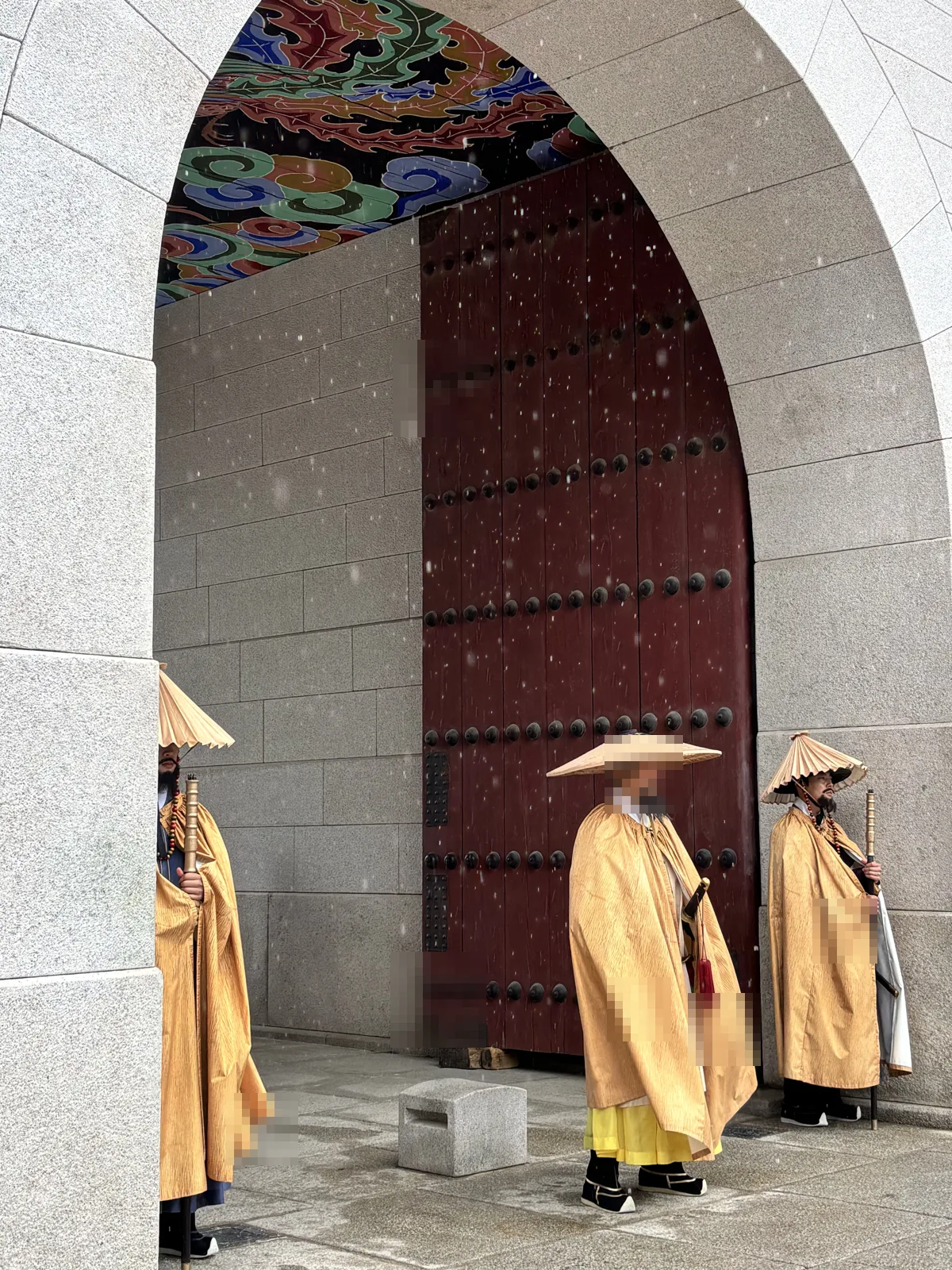
Start Day 1 at Gyeongbokgung Palace, the largest royal palace in Seoul and the best place for first-time visitors to experience Korea’s Joseon-era history. Arrive before 10 AM to see the Changing of the Guard ceremony — the clash of drums, the echo of footsteps, and a glimpse of Korea’s proud heritage unfolding before your eyes. If you rent a hanbok (Korean traditional dress), you’ll not only enjoy free entry but also create stunning photos against the backdrop of tiled rooftops.
Right outside is Gwanghwamun Square, where statues of King Sejong and Admiral Yi Sun-sin remind visitors of Korea’s legacy of innovation and resilience. Just beyond the palace walls, Cheonggyecheon Stream winds quietly through the city — a ribbon of calm in a city that never stops moving.
From Gyeongbokgung Palace to Bukchon Hanok Village, the walking distance is approximately 10 minutes.
💡 Travel Tip: Visit early in the morning for soft light and fewer crowds.
👉 Getting around Seoul is easier than it looks — taxis are efficient and widely available. For fare tips and app guides, read our [Taxis in Korea 2026] before your trip.
Midday: Bukchon Hanok Village & Insadong
Next, lose yourself in the alleys of Bukchon Hanok Village — where wooden doors creak open to reveal stories that survived centuries of change. When I visited with friends from Australia, they were surprised that Bukchon is not just a preserved area but an active residential village. This makes it one of the best places to see how Seoul blends everyday life with heritage architecture. In Australia, heritage homes are usually cordoned off for display — in Seoul, they’re still alive with daily life.
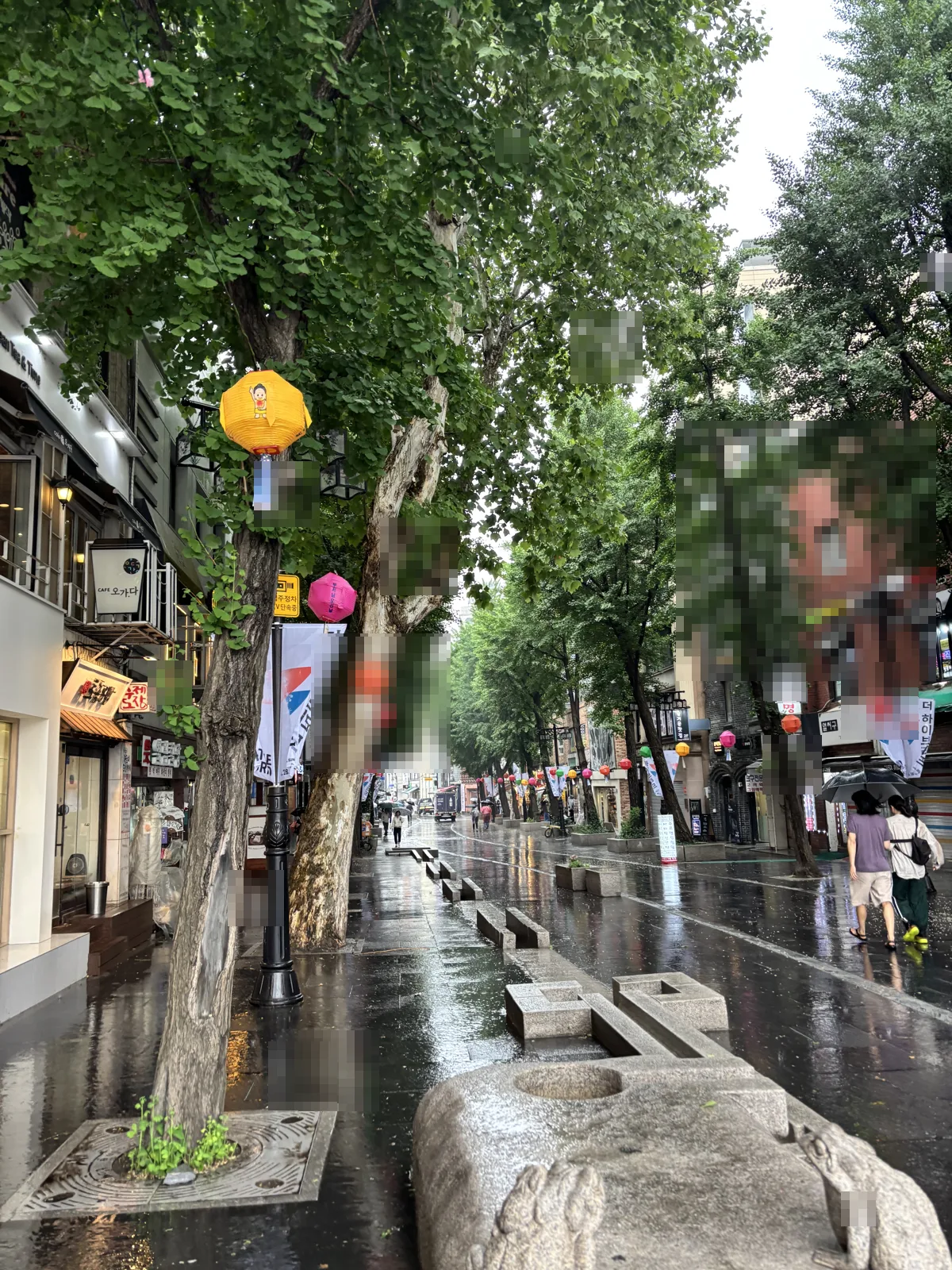
A short walk leads you to Insadong — a place where art, tea, and memory blend into one gentle rhythm. You’ll find tea houses, art galleries, and quirky souvenir shops. Try street snacks like hotteok (sweet pancakes) and traditional Korean candy, which always remind me of my childhood visits with my mother.
Afternoon: Changdeokgung Palace & Secret Garden
In the afternoon, step into Changdeokgung Palace, Seoul’s most poetic escape — where every tree feels like it remembers the whispers of the past. Its Secret Garden (Huwon) is a highlight, with lotus ponds and shaded pavilions that once hosted royal gatherings. Guided tours are required, so book in advance. The Secret Garden is one of the most peaceful areas in central Seoul, with shaded paths, lotus ponds and historic pavilions — something that contrasts strongly with Australia’s open landscapes.
Typical Secret Garden tours last around 70–90 minutes, and tickets often sell out in peak travel seasons.
Evening: Gwangjang Market & Jongno Night Stroll
No Seoul 2-day itinerary is truly complete without tasting its streets — because in Seoul, food isn’t just a meal, it’s a conversation. Gwangjang Market isn’t just a food spot — it’s a living theatre of sizzling oil, laughter, and shared plates. Try bindaetteok (mung bean pancakes), mayak gimbap (addictive mini rice rolls), and for the adventurous, yukhoe (Korean beef tartare).
As night falls, wander through Jongno — where neon signs shimmer above wooden taverns and old bookstores whisper under dim lights. This area perfectly captures Seoul’s charm — a mix of old and new, where tradition and nightlife collide.
👉 If you prefer something heartier than street food, try ending your night with grilled meat and laughter. Our Seoul Korean BBQ Guide 2026 lists the best spots from Gangnam to Itaewon.
👉 For updated schedules on palace opening hours and cultural events, check the Visit Korea Official Site before your trip.
Day 2 – Modern Seoul: Views, Design & Nightlife
Day 2 Recommended Schedule:
09:00 Namsan Cable Car → 10:00 N Seoul Tower → 12:30 Dongdaemun Design Plaza → 14:30 Cheonggyecheon Walk → 16:00 Hongdae or Itaewon → 19:30 Han River Sunset Cruise or Pub.
Morning: Namsan & N Seoul Tower
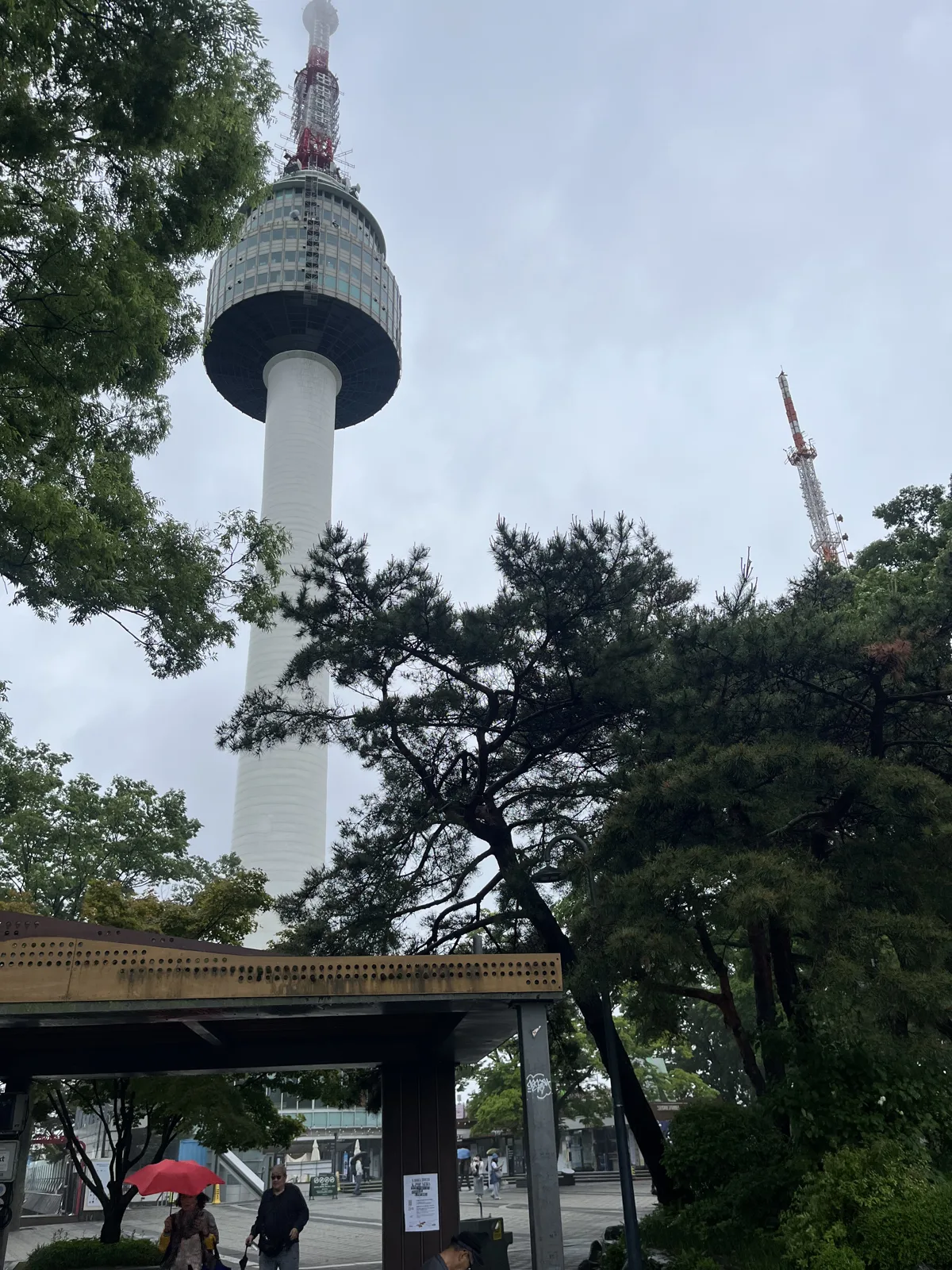
Start your second day climbing Namsan Mountain — the city shrinking below, the air growing crisp, and anticipation building for the view that awaits. At the summit, N Seoul Tower rises like a lighthouse above a sea of lights — a reminder of how vast and alive Seoul truly is. The “Love Locks” fence, covered in colorful padlocks left by couples, is a must-see photo spot. As someone used to Sydney’s more relaxed skyline, the sheer density of Seoul’s cityscape always impresses me.
You can reach N Seoul Tower by hiking or by taking the Namsan Cable Car, which runs daily and offers scenic views of the city.
Midday: Dongdaemun Design Plaza (DDP) & Cheonggyecheon
Next, head to Dongdaemun Design Plaza — a silver wave of light and architecture that feels like stepping into tomorrow. The curves of the building, designed by Zaha Hadid, are unlike anything in Australia.
DDP is open 24 hours, though exhibits follow separate schedules. The LED Rose Garden and curved silver walls are the most popular photo spots, especially at night.
Nearby, return to Cheonggyecheon Stream for a different vibe. By day, you’ll see office workers on lunch breaks, families strolling, and tourists snapping photos along the water.
👉 If you’re navigating between these spots, Seoul’s subway system is your best friend — clean, fast, and foreigner-friendly. Check our Seoul Subway Guide 2026 for route maps and tips.
Afternoon: Hongdae or Itaewon
Your afternoon depends on your spirit — creative souls drift toward Hongdae, while cosmopolitan hearts find home in Itaewon:
Hongdae highlights include Hongdae Walking Street, live busking areas, and trendy dessert cafés. In Itaewon, Gyeongnidan-gil and the food streets offer a wide mix of global cuisines.
Evening: Han River Cruise or Korean Pub
End your Seoul 2-day itinerary with a sunset Han River cruise, where you can watch the skyline light up from the water. Alternatively, enjoy a night at a Korean pub with traditional drinks like makgeolli (rice wine) or soju.
Most Han River cruises depart from Yeouido Pier, and popular sunset routes take about 40–70 minutes.
Essential Travel Tips for Your Seoul 2-Day Itinerary
- T-money Card: Buy one at any convenience store for subway and bus rides.
- Naver Map or KakaoMap: More accurate than Google Maps in Korea.
- Papago App: Best for instant translations.
- Best Seasons: Visit in April (cherry blossoms) or October (fall foliage).
- Cash vs. Card: Credit cards are widely accepted, but keep ₩50,000–₩100,000 handy.
👉 Most major palaces close on Mondays, so check opening days in advance to avoid schedule changes.
💡 Nearby Tip: After your palace visit, explore Myeongdong, Seoul’s most famous shopping street, where skincare shops and street food stalls line the alleys.
Why This Seoul 2-Day Itinerary Works
What makes Seoul unique is the contrast between old and new. On day one, you walk through palaces and hanok villages, reliving history. On day two, you’re surrounded by futuristic architecture and buzzing nightlife. For me, this balance reflects the Korea I know — a nation that honours its traditions but constantly reinvents itself.
Living in Australia, I’m used to calm, well-preserved heritage sites. In Seoul, history feels far more alive — woven into markets, palace courtyards and busy streets. This contrast is why a 2-day Seoul itinerary is so memorable for first-time travellers. That’s why even two short days in Seoul can linger like a favourite song — brief, beautiful, and impossible to forget. This itinerary groups attractions by area and minimises travel time, making it practical for travellers who only have 48 hours in Seoul.
Related Reads – Explore More Korea & Australia Travel Guides
🇰🇷 Seoul Korean BBQ Guide 2026 – The Ultimate Neighbourhood Tour
→ Discover where locals go for sizzling BBQ — from Gangnam to Hongdae.
🇰🇷 Taxis in Korea 2026 – How to Ride Smart Like a Local
→ Learn how to use Kakao T, airport taxis, and avoid overpaying.
🇰🇷 Han River Seoul: The Beating Heart of the City
→ Experience riverside picnics, ramen nights, and the Seoul skyline after dark.
🇰🇷 Seoul Accommodation by Neighbourhood – Best Areas & Hotel Picks
→ Find the perfect area to stay — from Myeongdong to Insadong.